



Antique Iron Fire Curb
These antique iron fire curb examples protect your hearth with solid weight and period character.
Antique Iron Fire Curb
An antique iron fire curb forms a protective barrier around the hearth, stopping hot embers from reaching the room while framing the fireplace. You will most frequently encounter Victorian and nineteenth-century iterations on this page, often paired with brass or steel elements.
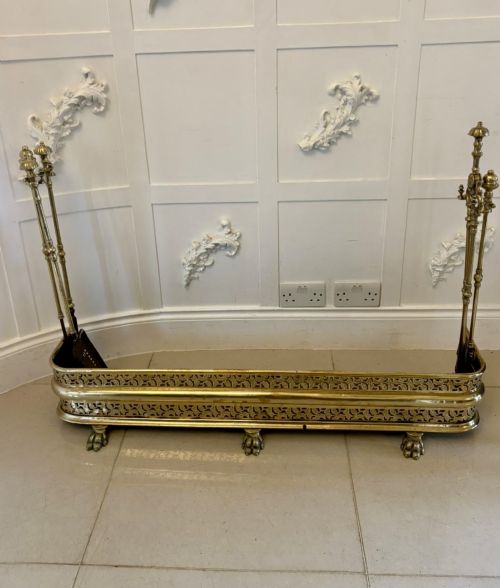
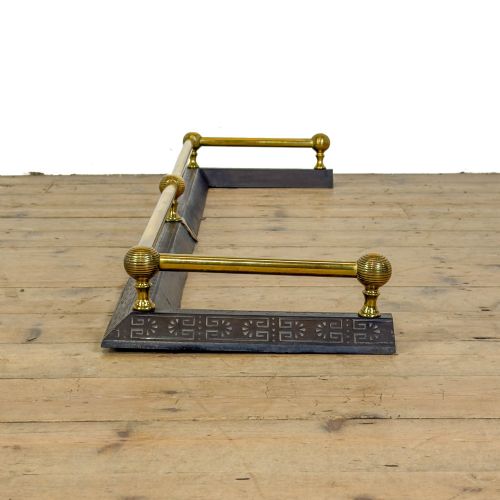
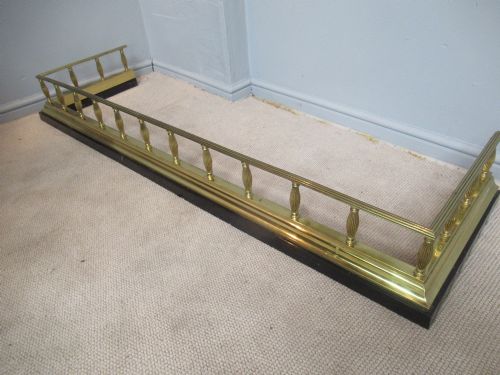
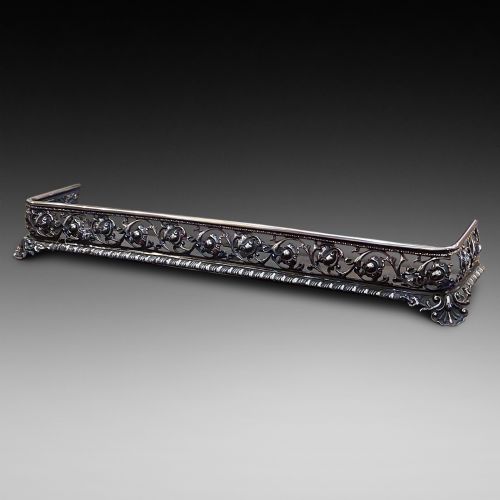
The physical form spans simple straight bars and curved designs to adjustable lengths and set pieces incorporating fire irons. Workshops constructed these hearth accessories in Georgian, Regency, Victorian, Edwardian, and Arts and Crafts styles.
Makers utilised heavy metals to withstand intense hearth heat while introducing decorative brass, bronze, or copper details. These pieces bridge the gap between functional safety equipment and formal domestic hardware.
How these curbs were made
Foundries cast molten iron into rigid structural frames, creating heavy components capable of enduring high fireplace temperatures. Blacksmiths and metalworkers then hammered and shaped steel, wrought iron, and bronze to form the main body of the fender.
Casting and forging methods allowed artisans to incorporate decorative pierced motifs, curved corners, and integrated tool rests. Workshops frequently combined cast iron with polished brass or gilt bronze mounts to elevate the visual contrast against the dark metal.
Listings feature iron combined with brass, steel, bronze, and copper across Georgian, Victorian, and Edwardian periods.
What varies in quality
The gauge of the metal and the precision of the casting separate standard utility curbs from finer decorative examples. Heavier section weights and cleanly rendered decorative mounts indicate superior initial manufacture and greater material substance.
The integration of secondary metals, such as solid brass or bronze embellishments fixed securely to the iron core, demonstrates higher workshop skill. Well-executed corner joints and the survival of original matching fire irons distinguish the more ambitious commissions.
The Antique Iron Fire Curb Glossary
- Fire curb
- A low metal barrier placed around a hearth to contain ash and rolling embers. It serves both a protective function and a decorative framing role.
- Chenet
- A French term for an andiron used at the front of a hearth. These metal supports often accompany or form part of wider hearth furniture suites.
- Ormolu
- Finely ground high-karat gold-mercury amalgam applied to a bronze base. This technique creates a rich decorative surface seen on French-influenced hearth furnishings.
- Arts and Crafts
- A design movement prioritising honest materials and visible handcraftsmanship. Pieces from this aesthetic favour copper and ironwork over ornate classical casting.
Antique Iron Fire Curb: Frequently Asked Questions
What is an iron fire curb used for?
These metal barriers contain stray embers and rolling coals, protecting rugs and wooden flooring from fireplace sparks. They also define the hearth boundary and hold companion fire irons.
Historically, they served as a vital safety measure in rooms heated by open coal or wood fires. Today, they remain a practical anchor for period fireplace setups.
How do I measure for a fire curb?
Measure the width and depth of your fireplace hearth opening to ensure the inner dimensions of the curb fit comfortably around the space. Leave clearance for the hearthstone edges.
Take note of whether you need a fixed size or an adjustable design, as some nineteenth-century examples alter in length.
How do I clean an antique iron curb?
Dust the metal surfaces regularly with a soft, dry cloth to prevent soot buildup. Avoid harsh chemical cleaners that strip historical finishes.
For iron sections, a light application of neutral paste wax can help protect the surface. Polish brass or bronze components only with dedicated metal creams applied sparingly.
How do I date a fire curb?
Examine the stylistic clues, such as Regency curves, Victorian casting depth, or Arts and Crafts hammering marks. Construction methods like hand-forging versus machine rolling also point to specific eras.
Materials provide further evidence, as nineteenth-century pieces frequently combine cast iron with bright brass or steel components.