

Antique Iron Chest
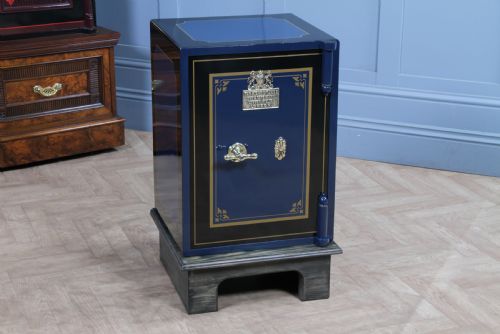
An antique iron chest carries the weight of centuries in its heavy straps, bolted plates and forged bands.
Antique Iron Chest
When you search for an antique iron chest, you encounter heavy storage vessels designed for security and transport rather than domestic display. The pieces span centuries of practical utility, originating from domestic English homesteads, continental workshops and military campaigns.
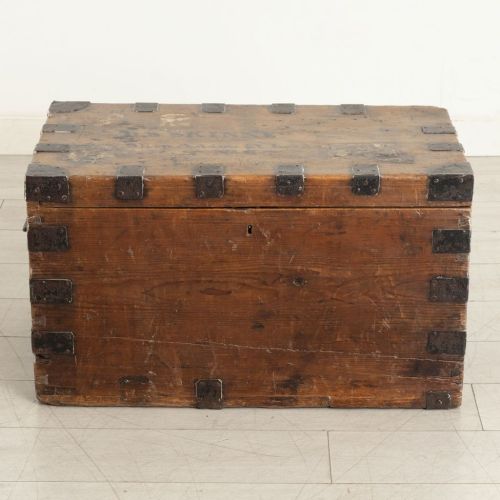
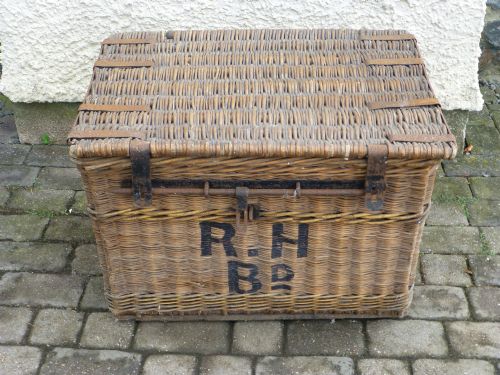
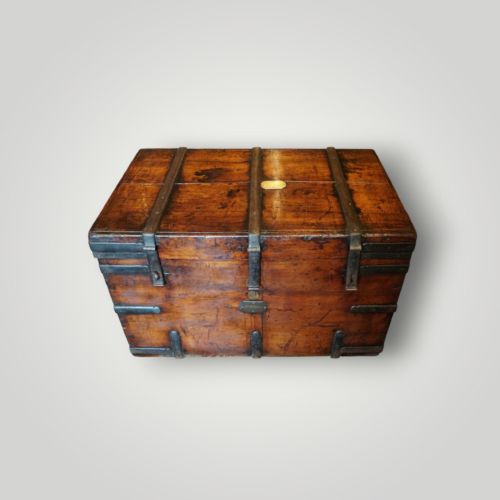
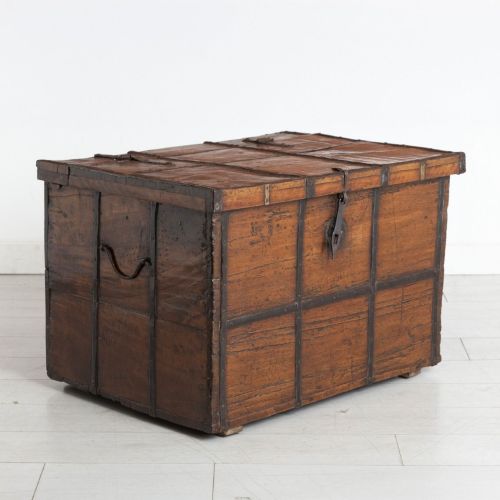
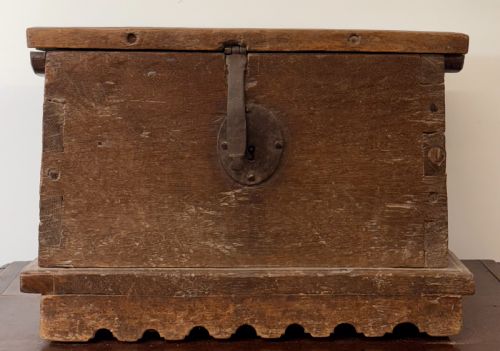
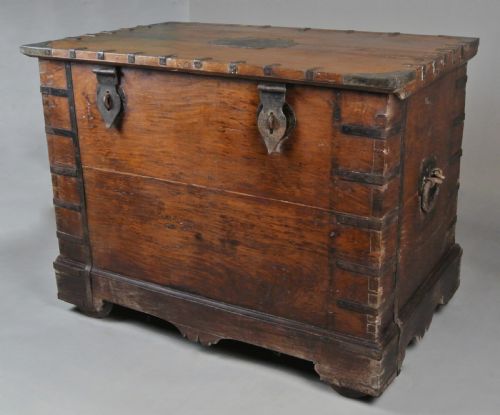
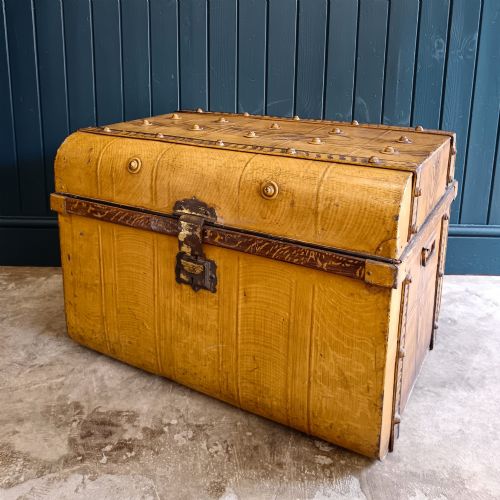
The version you are most likely to meet on this page is the iron bound pine or oak trunk from the Victorian period, frequently reinforced with strapping and fitted with substantial corner brackets. These range from domestic silver chests and merchant trunks to travel cases built for carriage or sea.
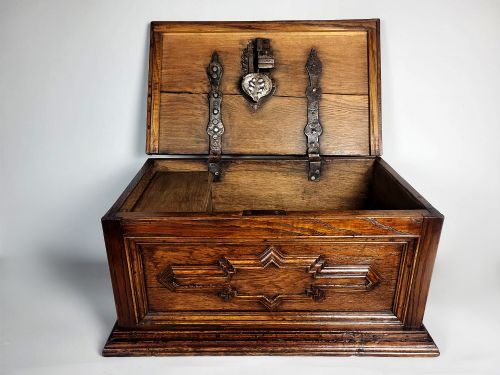
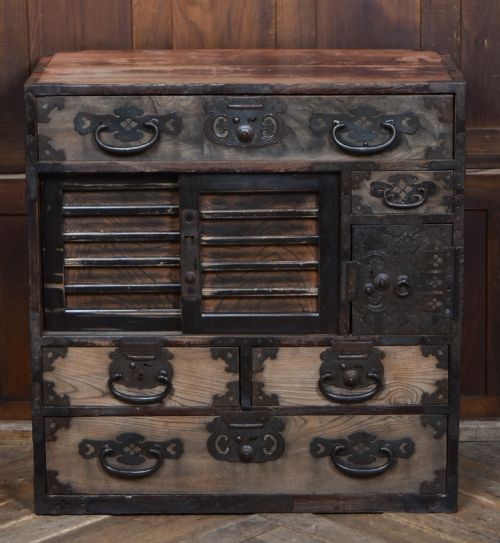
Earlier examples shift from utilitarian pine to dense oak and walnut coffers, alongside sixteenth and seventeenth century strongboxes and Nuremberg caskets forged entirely from iron plates. Alongside these European pieces appear teak dowry chests, camphor trunks and Japanese tansu cabinetry incorporating metal hardware.
How they were made
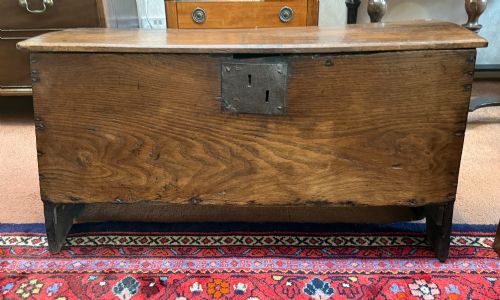
Blacksmiths and carpenters built these vessels to withstand rough handling, joining heavy timber bodies with dovetail joints, pegged mortise and tenon corners, or robust six-plank construction. Pine, oak, elm and teak provide the primary structural mass, selected for local availability and resistance to splitting during transport.
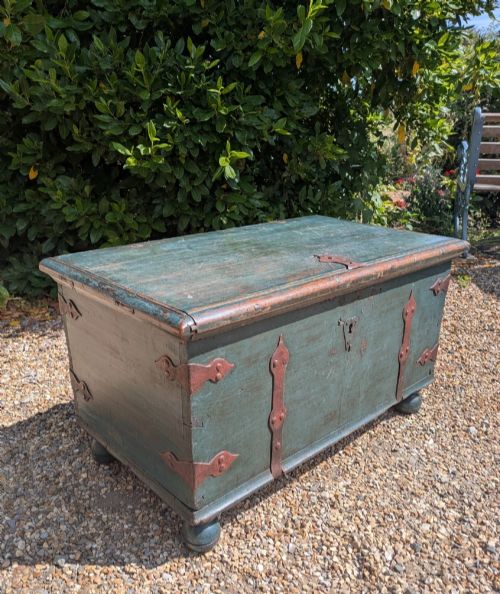
Wrought iron strapwork, hand-forged corner braces and strap hinges reinforce the structural integrity of the wooden cases. Metal components are secured through the timber using clenched nails or heavy rivets, while internal mechanisms rely on complex lever locks operated by single iron keys.
One remarkably travelled trunk belonged to a Waterloo commissary general named Sir Randolph Isham Routh.
What varies in quality
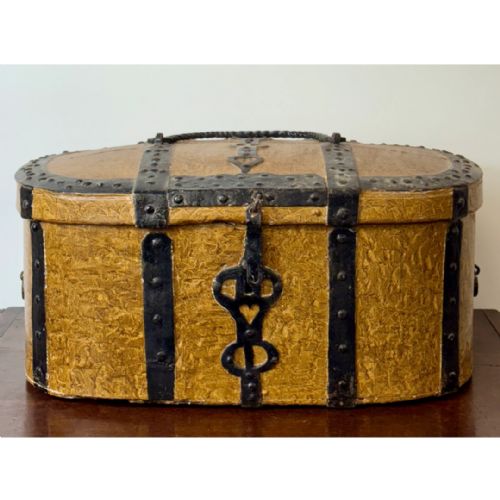
The distinction between ordinary utility boxes and exceptional pieces rests in the integrity of the original hardware and the precision of the blacksmith's handiwork. Hand-forged strapwork featuring decorative scalloped edges or intricate pierced designs elevates a standard pine shipping trunk into an object of fine craftsmanship.
Originality of surface finish and internal fittings dictates collector interest, particularly where secondary leather linings, compartment trays, or maker's plaques remain intact. Pieces retaining their original painted decoration, patinated iron surfaces and functional locking mechanisms command greater appreciation than those stripped to bare wood or heavily altered over time.
The Antique Iron Chest Glossary
- Strapwork
- Flat bands of wrought iron crossing the exterior of a chest to reinforce the wooden panels. These strips distribute the stress of lifting and protect the corners from impact during transit.
- Nuremberg Casket
- A portable strongbox constructed entirely of etched or painted iron plates, featuring a complex spring lock concealed beneath the lid. These German-made receptacles date predominantly to the sixteenth and seventeenth centuries.
- Silver Chest
- A heavy oak or pine storage box lined with baize or velvet, designed to transport and protect domestic silverware. They often feature robust iron carrying handles and reinforced lockplates.
- Coffer
- A solid wooden box with a hinged lid, frequently constructed using six boards joined at the edges. Early domestic examples often predate dedicated wardrobe furniture and held household valuables.
- Campaign Trunk
- A modular storage chest built for military officers or colonial travellers, designed to withstand rough overland transit. They frequently incorporate recessed brass handles and iron corner reinforcements.
Antique Iron Chest: Frequently Asked Questions
What were iron bound chests used for?
These vessels served primarily to secure and transport valuable goods, including family silver, documents, currency and personal clothing during travel. Merchants utilised them for cargo, while military officers relied upon them for field equipment during campaigns.
In domestic settings, smaller boxes functioned as stationary strongboxes for precious items kept within larger bedchambers or merchant offices. Their robust construction deterred casual theft and protected contents from moisture and pests.
How do I date an antique iron chest?
Dating relies on examining construction methods, timber species and the style of the iron hardware. Sixteenth and seventeenth century pieces typically display pegged oak construction and hand-hammered strapwork, whereas Victorian examples utilise machine-sawn pine and standardised iron rivets.
Secondary clues include the complexity of the internal lock mechanism, the presence of maker's stamps, and historical documentation such as painted family names or military titles on the exterior.
How do I care for iron and wood?
Maintenance requires keeping the timber and metal in stable environmental conditions away from direct heat sources and excessive humidity. Regular dusting with a dry cloth protects the surface, while occasional applications of microcrystalline wax preserve both the wood grain and the patinated iron.
Avoid aggressive metal cleaners on the strapwork, as removing the dark oxidised surface destroys the historical patina accumulated over centuries of handling.
Are replacement keys common?
Original iron keys frequently went missing over generations of use, leading many surviving chests to feature later replacement keys or adapted locks. Finding a chest with its original operating key remains an uncommon occurrence that adds to the historical completeness of the piece.
When a key is absent, specialist locksmiths can often supply a period-appropriate working key or repair internal levers without compromising the antique mechanism.