
Antique Irish Table
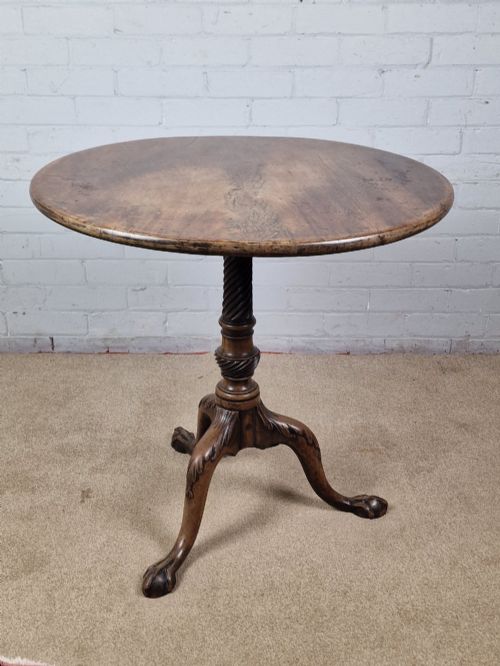
When you handle an antique irish table, you notice the distinct heft of native timbers and the crisp confidence of regional cabinet-making.
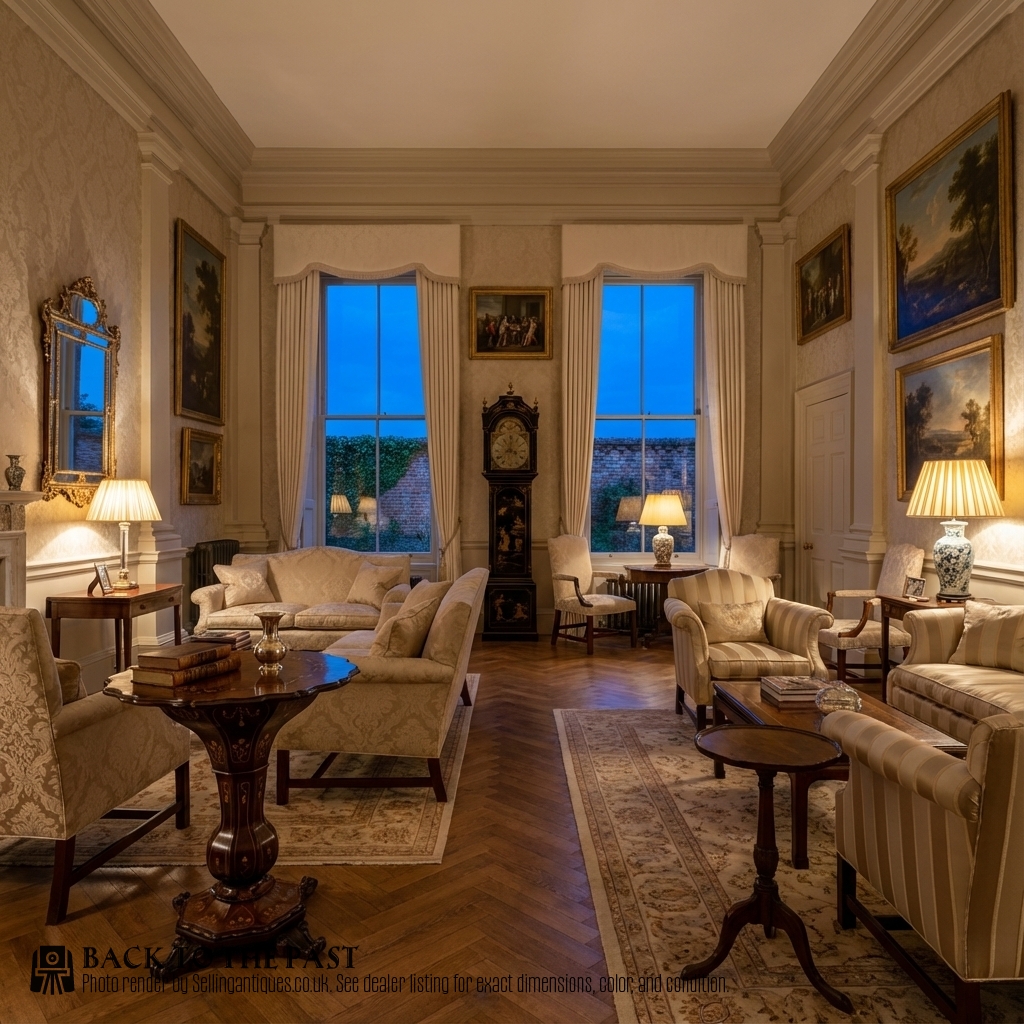
Antique Irish Table
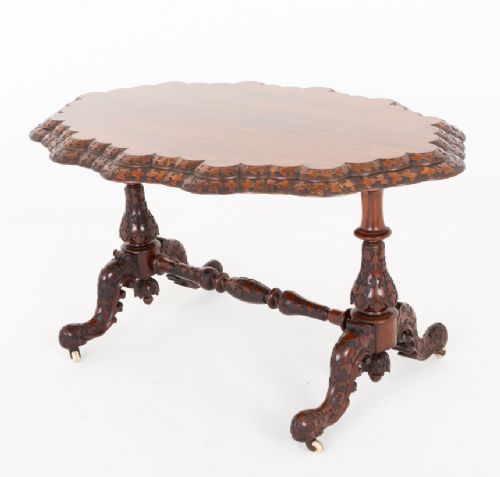
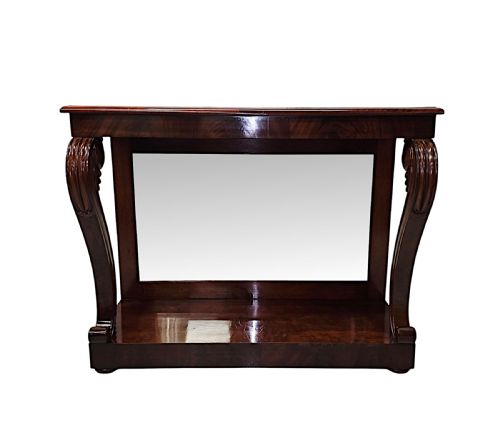
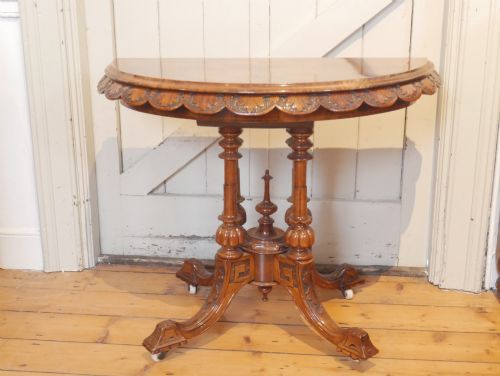
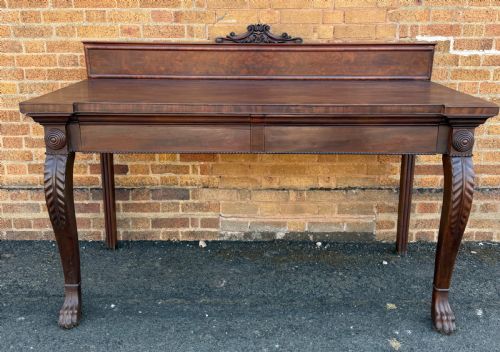
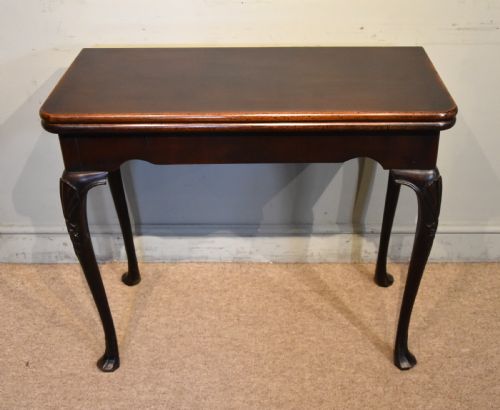
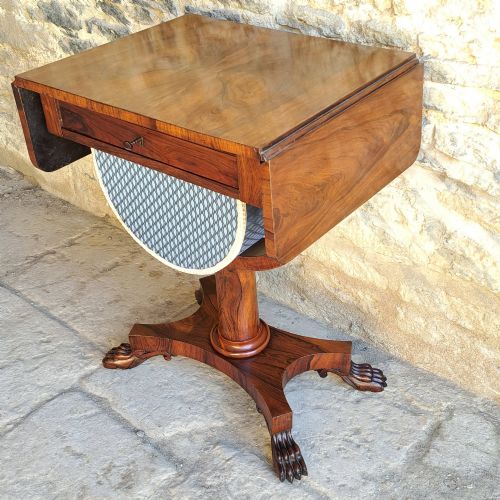
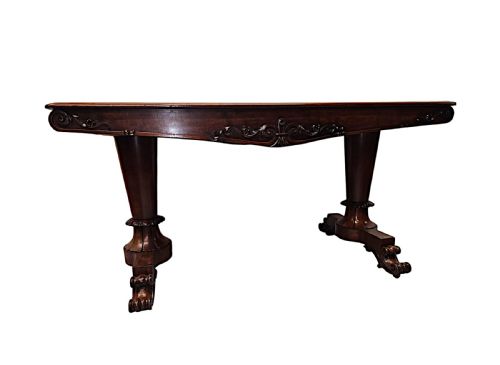
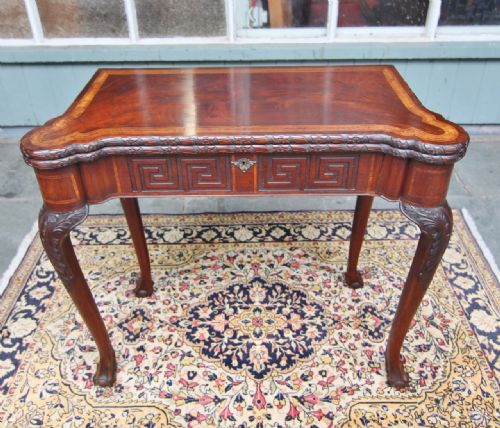
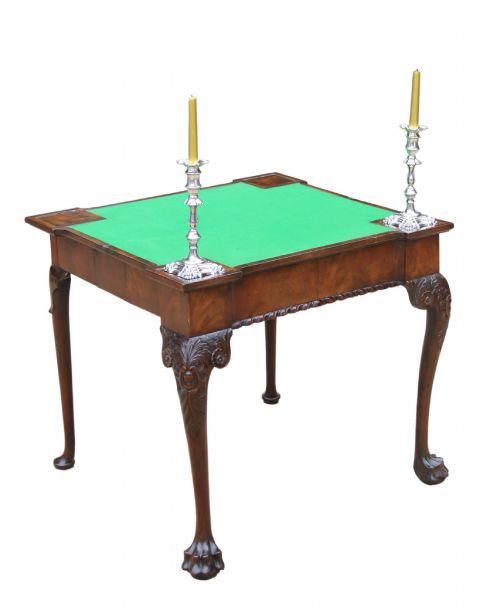
An antique irish table encompasses a wide variety of domestic forms, ranging from expansive multi-pedestal dining and wake tables to compact console, card, and centre tables. You encounter pieces spanning the eighteenth and nineteenth centuries, reflecting the shifting domestic fashions of Georgian, Regency, and Victorian households.
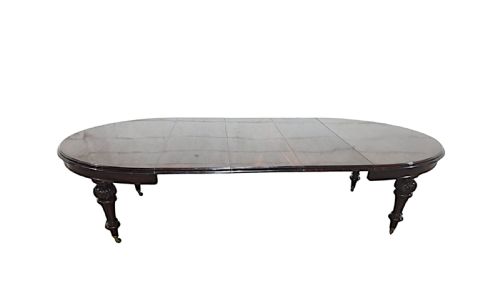
The evidence shows dining and wake variants designed for large gatherings sitting alongside smaller occasional pieces like bedside tables, tea tables, and sewing tables. Among these forms, mahogany and walnut dining and console variations dominate the material record.
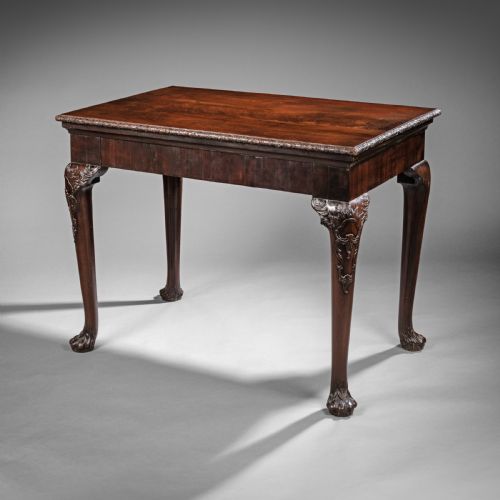
Originating predominantly from Dublin workshops, these pieces often display regional design quirks that distinguish them from English counterparts, such as bolder carvings on cabriole legs and distinctive timber selections like arbutus and yew.
Materials and Technique
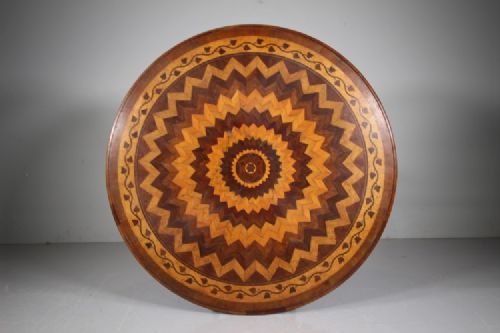
Cabinet-makers relied heavily on dense tropical hardwoods like mahogany and rosewood, frequently pairing solid structural elements with finely figured veneers of walnut or flame mahogany. Regional pieces also incorporate indigenous timbers such as arbutus and yew, particularly evident in the intricate marquetry of Killarney production.
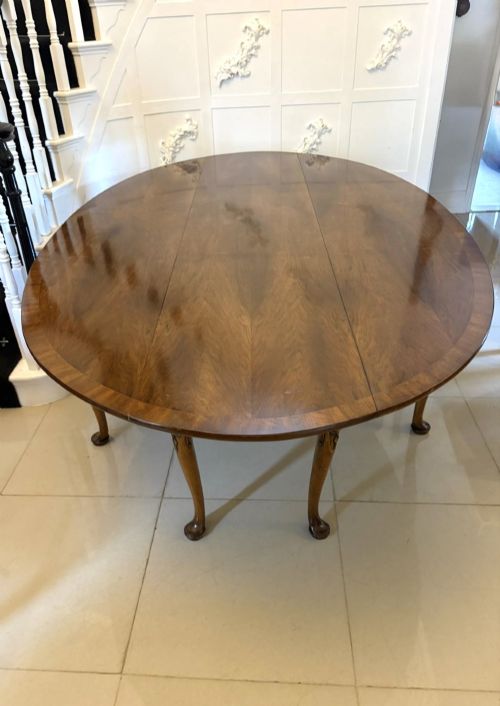
Construction techniques involve traditional joinery, including concertina actions for expandable card tables, pivot mechanisms for tilt-top breakfast tables, and multi-pillar supports for long dining surfaces. Brass hardware often secures turning joints and drop-leaves, while hand-carved details define the aprons and cabriole legs.
Object forms span large multi-pedestal dining tables, wake tables, and console tables, as well as specialised games, sewing, and bedside tables.
Craftsmanship and Proportion
The distinction between standard domestic furniture and exhibition-quality work lies in the depth of the carving and the choice of timber figure. Pieces attributed to premier workshops display superior grain selection in the veneer, crisply executed carved mouldings, and stable secondary woods that endure structural stress without warping.
Proportion and scale also dictate the standing of a piece, where bolder design choices and balanced proportions separate ambitious architectural serving tables from simpler utilitarian forms.
William and Gibton·Gillingtons·Robert Strahan·Egan Workshop·Hicks of Dublin·J Kerr and Co
The Antique Irish Table Glossary
- Wake Table
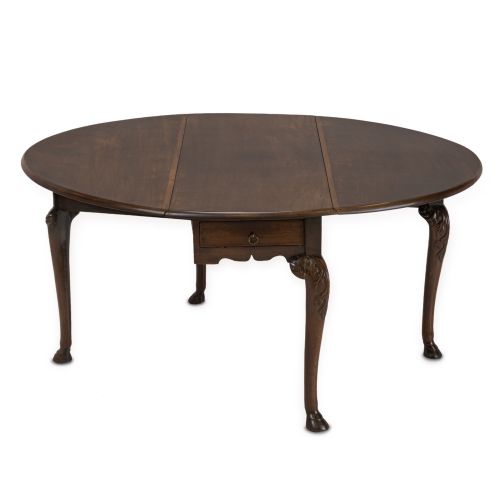
- A large dining table with drop leaves, traditionally long enough to accommodate community gatherings following a wake. These pieces often feature numerous leg supports to manage heavy timber tops.
- Concertina Action
- An expanding framework used in folding tables that opens like an accordion to support an unfolded top evenly. This mechanism allows card and dining tables to double their surface area securely.
- Killarney Work
- Intricate marquetry and inlay utilising native Irish woods such as arbutus, yew, and boxwood. Artisans arranged these timbers to depict local scenery, flora, and geometric patterns on table tops.
- Drop-Leaf
- A table design featuring a fixed central section with hinged flaps on either side that rise to expand the surface. These flaps are supported by swing-out legs or pivoting gate-legs.
- Console Table
- A decorative side table designed to stand flat against a wall, frequently topped with marble or polished wood. Irish examples often display heavy carving along the frieze and legs.
Antique Irish Table: Frequently Asked Questions
How do I identify an Irish table?
Look for distinctive regional design characteristics, such as heavier carved ornament on cabriole legs and the use of native timbers like arbutus alongside imported mahogany. Many Dublin-made pieces also exhibit specific structural signatures or attribution markers linked to prominent nineteenth-century cabinet-makers.
Consulting the secondary woods used in the frame construction often provides further clues to regional manufacture, as local workshops utilised readily available domestic timber for unseen structural components.
What is a wake table used for?
A wake table is an extra-long drop-leaf dining table originally built to seat large numbers of people for community meals and gatherings. Their long proportions and multiple folding leaves made them practical for large rural houses.
Today, these substantial tables function well in modern dining rooms that require flexible seating arrangements for large dinner parties.
How do I care for antique mahogany?
Maintain antique mahogany by keeping it away from direct sunlight and sudden temperature shifts that can dry out the timber and crack veneers. Regular dusting with a soft, dry cloth preserves the patina without building up chemical residues.
Applying a traditional beeswax polish occasionally helps nourish the wood and maintain its deep lustre over decades of domestic use.
What is Killarney marquetry?
Killarney marquetry is a specialised form of decorative inlay using native Irish woods like arbutus, yew, and holly to create detailed pictorial and geometric motifs. Craftsmen cut and fitted contrasting timbers to ornament table tops and occasional furniture.
These inlaid surfaces often feature intricate depictions of ferns, ruins, and motifs that celebrate the landscape of County Kerry.