

Antique Inlay Slant Desk
An antique inlay slant desk combines a sloping writing flap with internal pigeonholes and drawers, offering refined storage that suits a traditional study.
Antique Inlay Slant Desk
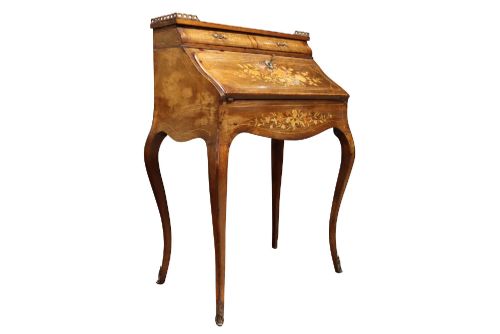
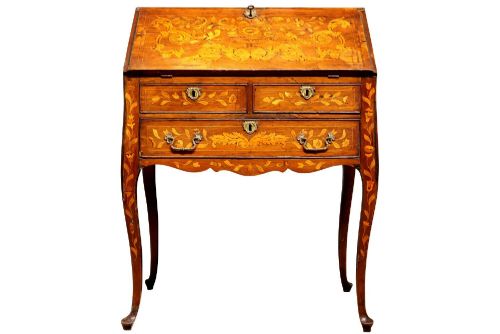
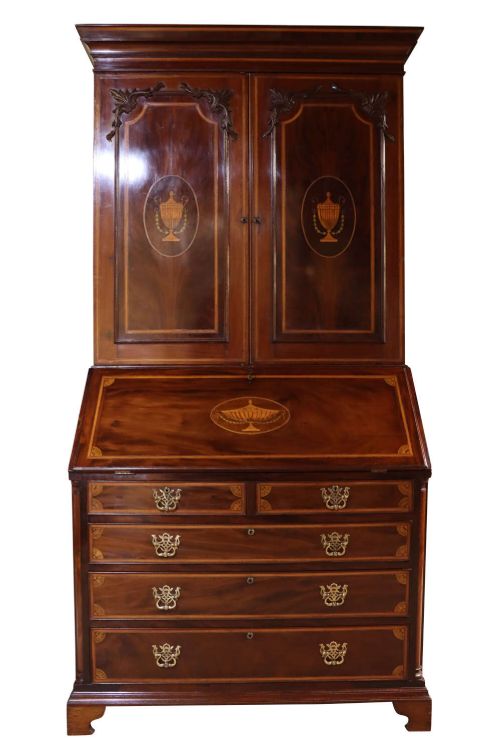
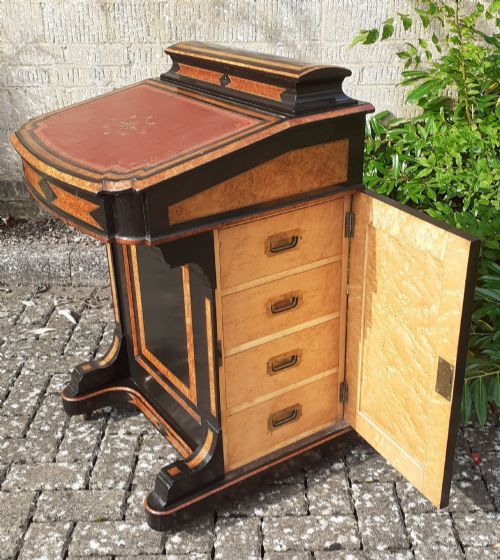
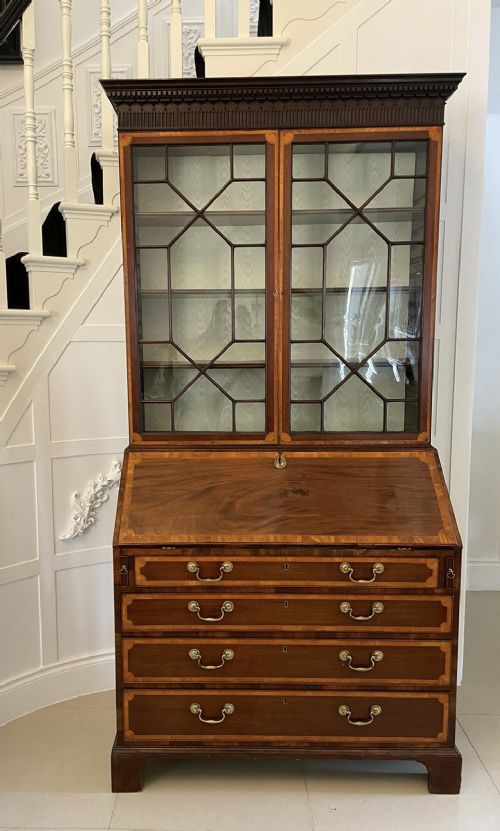
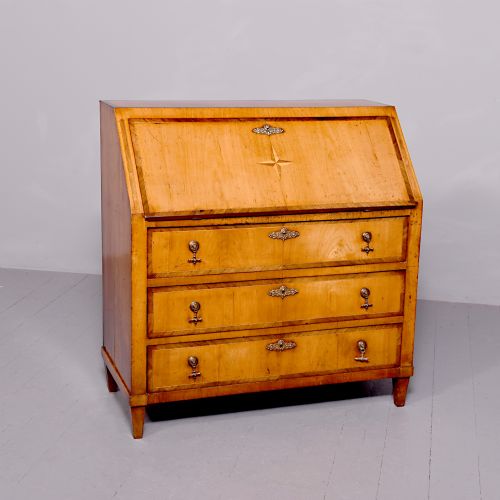
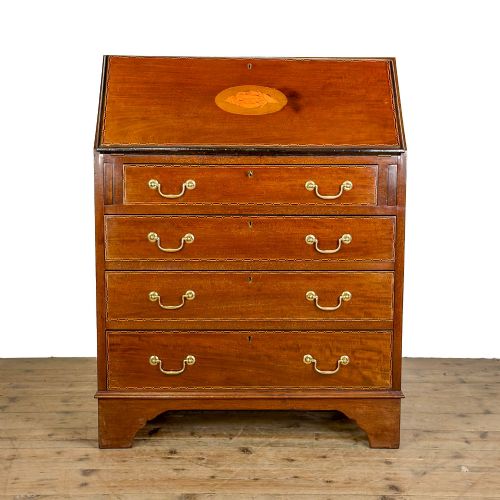
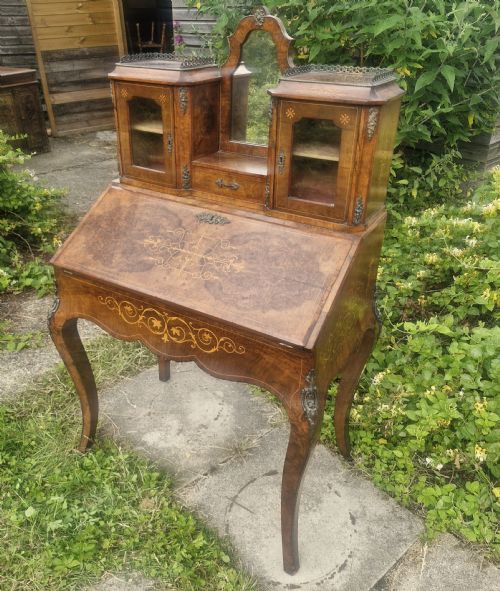
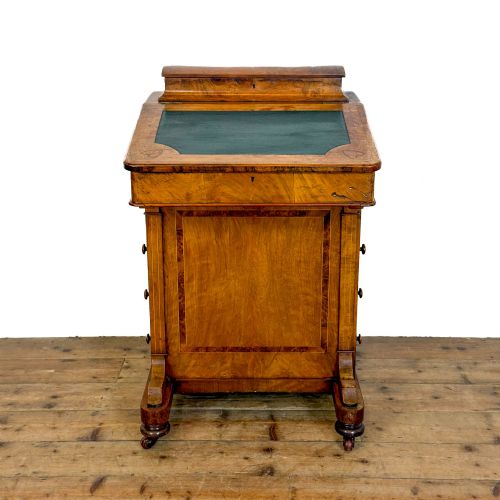
An antique inlay slant desk is typically encountered as a bureau, a bureau bookcase, or a Davenport desk across periods ranging from the seventeenth century through the Edwardian era. These pieces combine a sloping fall front that opens to reveal a fitted interior of small drawers and pigeonholes with practical storage drawers below.
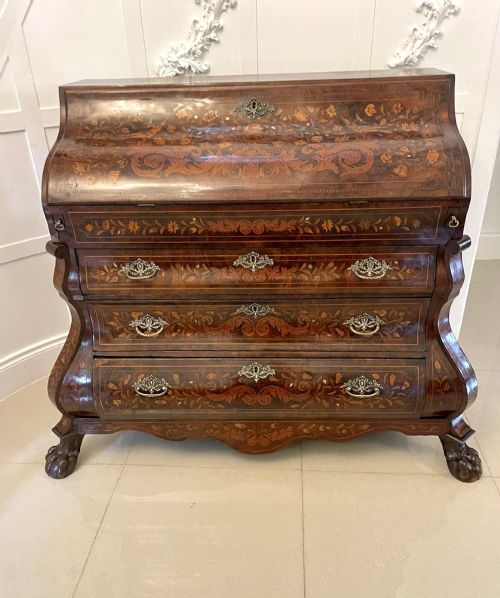
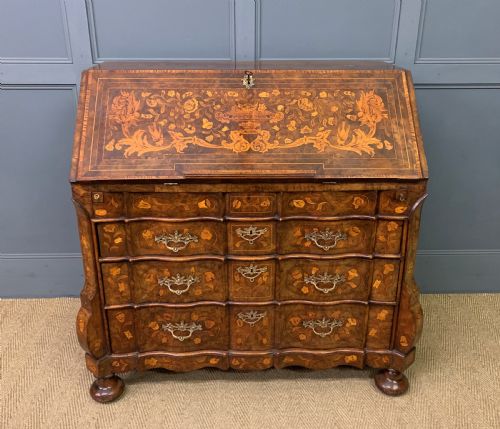
The selections span English, French, Dutch, and Italian origins, displaying styles from William and Mary and Georgian through to Victorian and Edwardian iterations. Buyers meet examples executed in distinct regional silhouettes, including bombe shapes and cabinet formats with upper bookcase sections.
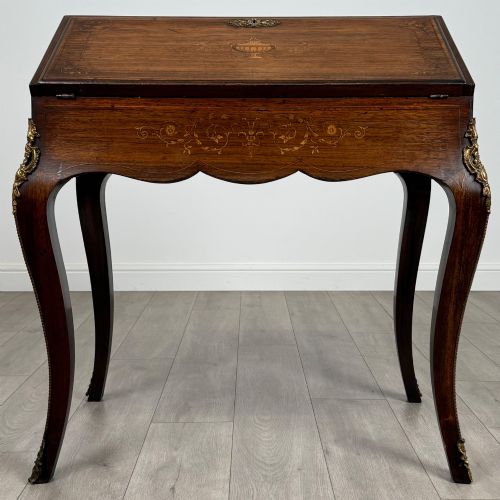
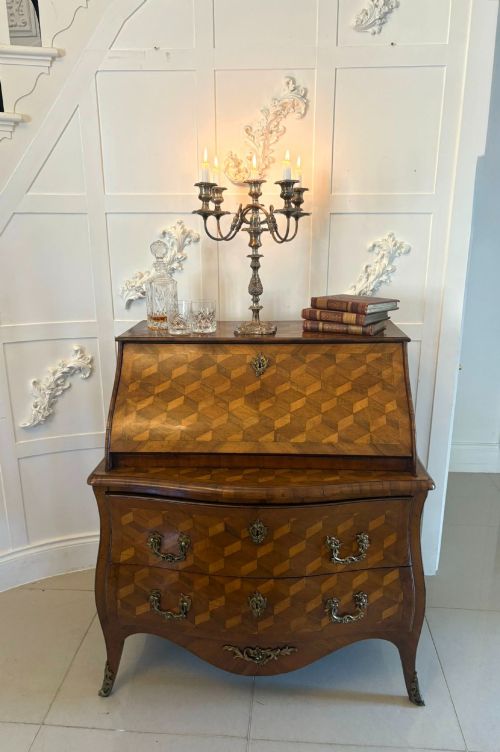
Bureau desks and writing tables dominate the selection, often featuring marquetry or parquetry embellishments that showcase floral or geometric motifs. Pieces range from small compact writing desks to large double-dome bureau bookcases built to house libraries and correspondence.
Materials and construction
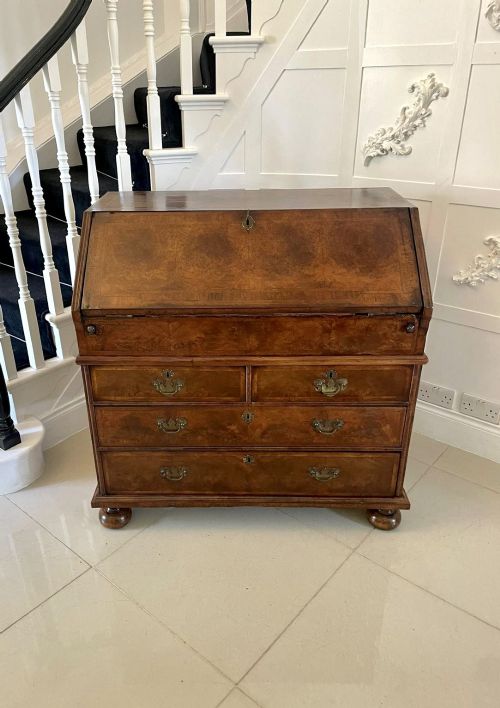
Cabinet makers utilised foundational timbers such as mahogany, walnut, oak, and fruitwood, applying veneers of burr walnut, rosewood, kingwood, and satinwood to primary surfaces. These woods were chosen for their varied grain patterns and rich natural colour.
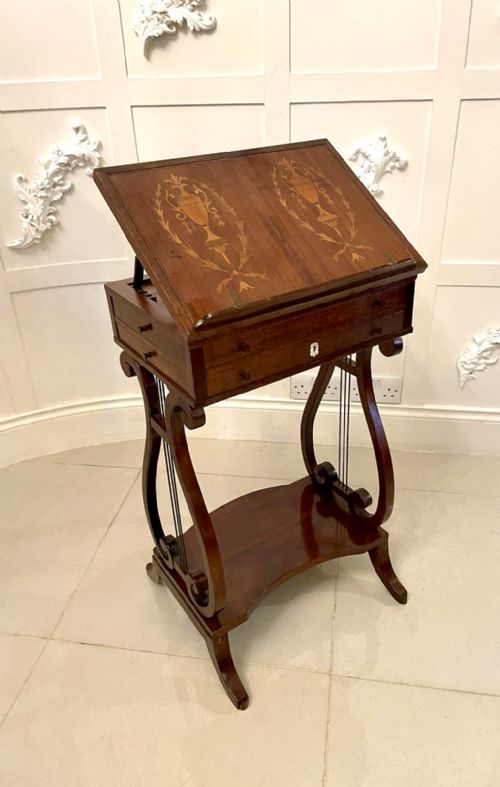
Decoration relied heavily on marquetry and parquetry inlay, incorporating brass hardware, leather writing inserts, and occasionally glass doors on bookcase sections. Cabinetry techniques included dovetail joints for drawer construction and precise hand-cut stringing to frame panels.
Listings feature walnut, mahogany, and rosewood across Georgian, Victorian, and Edwardian periods, with marquetry inlay remaining a consistent decorative technique.
Assessing quality
The hierarchy of quality rests on the precision of the cabinet work, the complexity of the marquetry inlay, and the choice of primary and secondary timbers. Superior examples display seamless veneer matching, finely articulated internal compartments, and original brass fittings.
Proportion and architectural balance separate standard items from exceptional ones, particularly in bombe and bureau bookcase forms where curves and cornices require expert carpentry. The depth of tone in burr walnut and the intricacy of floral marquetry define the upper tier of the range.
The Antique Inlay Slant Desk Glossary
- Slant desk
- A piece of furniture featuring an angled writing flap that hinges open to reveal a fitted interior. This sloping surface provides a comfortable angle for handwriting.
- Marquetry
- The art of applying decorative veneer pieces in wood, metal, or shell to form intricate pictorial designs. Craftsmen cut these elements meticulously to fit flush across the surface.
- Bombe
- A swelling or outwardly curving contour on the front and sides of a cabinet or bureau. This exuberant shape appears frequently in Dutch and continental designs.
- Davenport desk
- A compact writing desk with a sloped, lidded top and drawers opening to the side. Victorian iterations often incorporated pedestals and leather writing surfaces.
- Parquetry
- Geometric mosaic woodwork arranged in patterns such as cubes, chequers, or stripes. It differs from marquetry by utilising regular angular shapes rather than pictorial motifs.
- Bureau bookcase
- A writing bureau surmounted by an enclosed shelving or cabinet section with glazed or solid doors. These tall pieces combined correspondence facilities with library storage.
Antique Inlay Slant Desk: Frequently Asked Questions
What is a slant desk?
A slant desk is a writing cabinet with an angled lid that drops down to form a writing surface, concealing small drawers and pigeonholes inside.
These pieces were designed for correspondence and account keeping, keeping writing materials organised and out of sight.
How do I date an antique bureau?
Dating relies on examining the timber species, construction methods like dovetailing, and the prevailing decorative style such as marquetry or bracket feet.
Earlier pieces from the seventeenth and eighteenth centuries often feature solid secondary woods and distinct hardware, while Victorian and Edwardian examples show machine assistance and varied veneers.
Where were bureau bookcases used?
Bureau bookcases served as primary administrative furniture in studies, libraries, and drawing rooms of large townhouses and country estates.
The upper bookcase held reference volumes or ledgers, while the lower slant desk functioned as a portable writing station.
How do I maintain wood inlay?
Maintenance requires keeping wooden surfaces away from direct sunlight and maintaining stable indoor humidity to prevent the veneer from lifting.
Application of appropriate wax polish nourishes the timber and preserves the sheen of historical finishes without harming the delicate marquetry.