

Antique Inlaid Tallboy
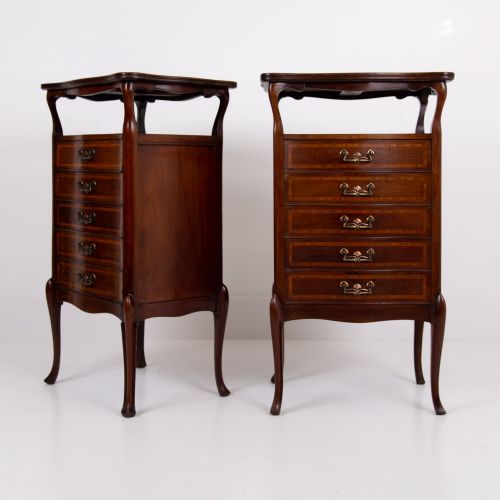
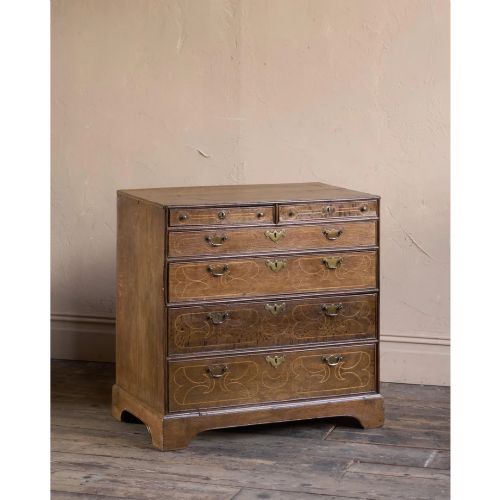
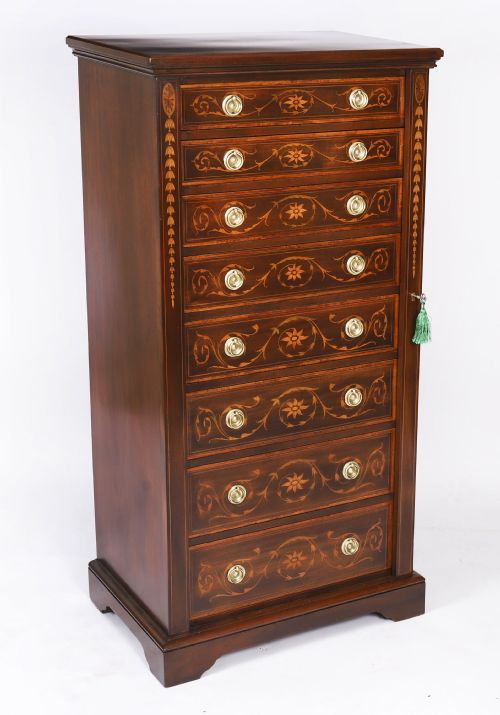
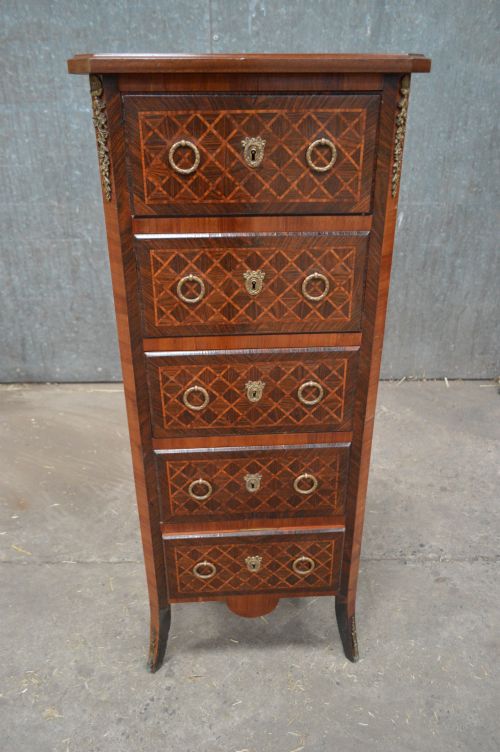
An antique inlaid tallboy combines vertical storage with decorative craftsmanship, offering the height of Georgian and Edwardian cabinetmaking for storing textiles and garments.
Antique Inlaid Tallboy
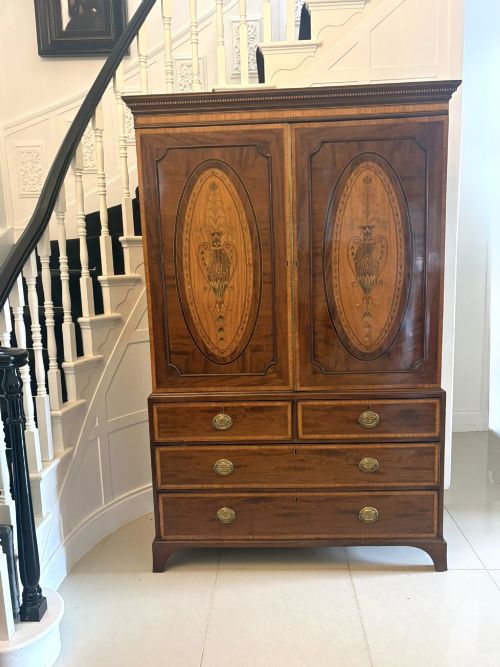
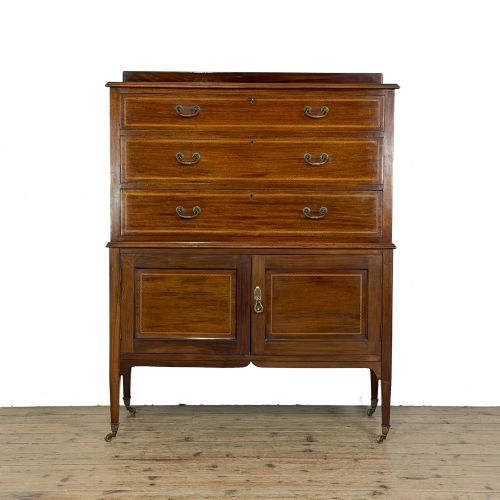
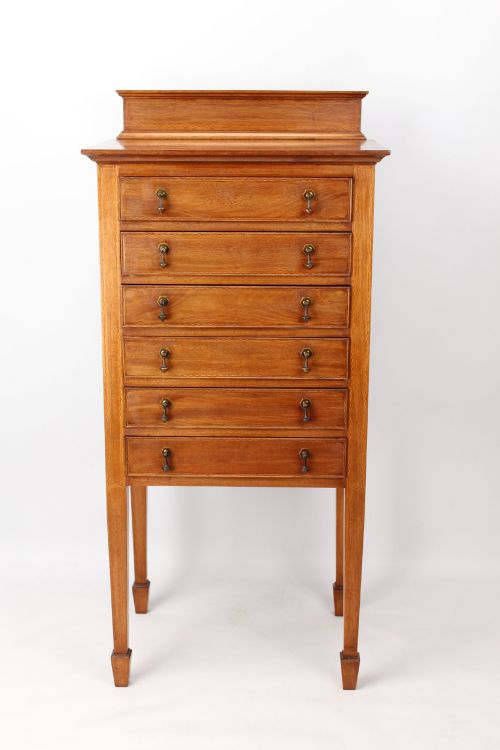
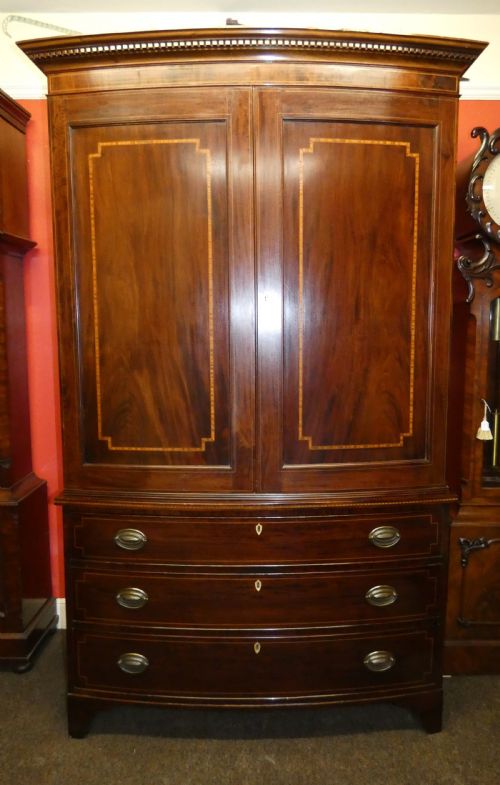
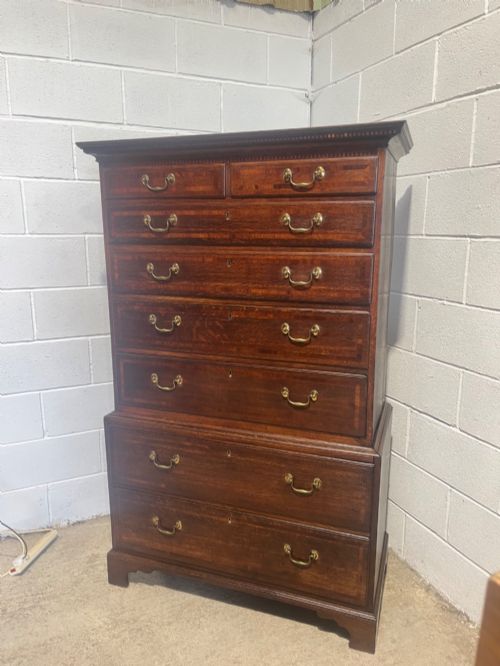
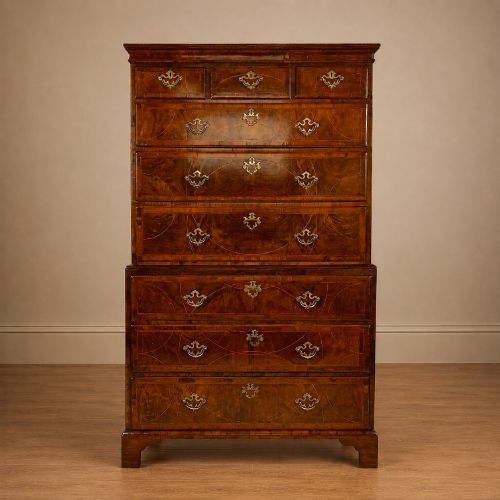
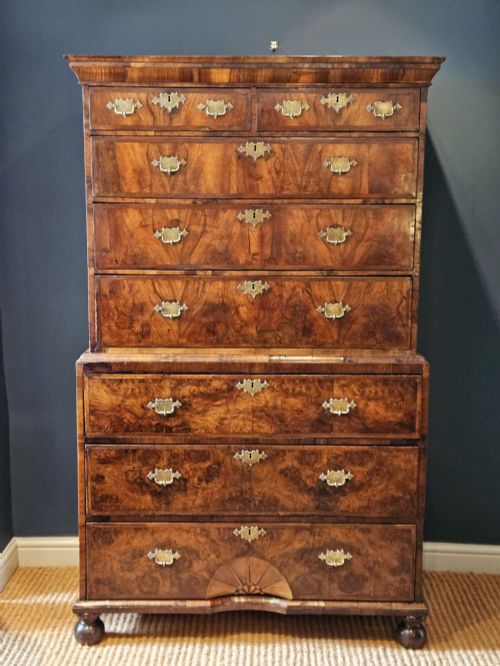
The antique inlaid tallboy is primarily encountered as a chest on chest or a tall chest of drawers, often referred to in historical terms as a linen press or housekeepers wardrobe. These pieces typically rise in two stacked sections, providing substantial drawer space while occupying a modest footprint on the floor.
Evidence shows examples spanning from the 17th century through the Georgian, Victorian, and Edwardian periods. The construction incorporates primary structural timbers fitted with contrasting woods and decorative surface patterns.
Buyers seeking this phrase frequently encounter mahogany and walnut carcases augmented by satinwood, boxwood, and brass hardware. The tall configuration serves to maximise vertical room in a bedchamber while displaying varied styles of period inlay.
Materials and construction
Cabinetmakers built these tall chests using solid timbers and veneers of mahogany, walnut, and oak. Structural integrity relied on traditional joinery, with drawers constructed using hand-cut dovetails to withstand daily use over centuries.
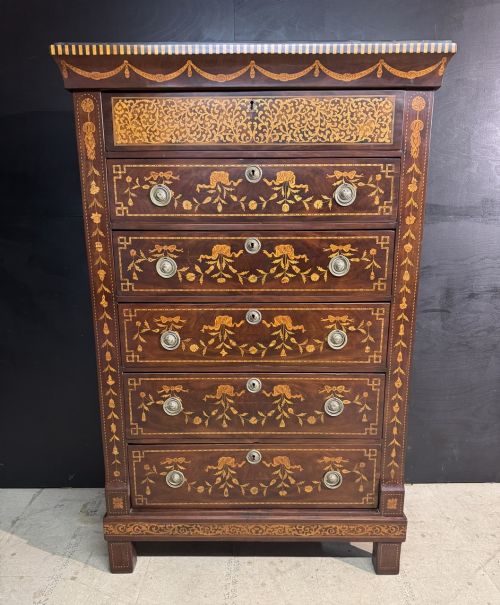
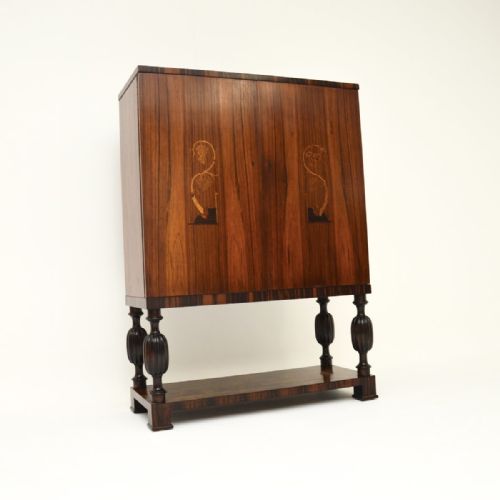
Decorative surface work involved detailed inlay and marquetry using contrasting materials such as satinwood, boxwood, and brass. Craftsmen inlaid delicate stringing lines and floral motifs directly into the primary wood grain to frame drawer fronts and cornices.
The listings show tallboys constructed across multiple eras, spanning from 17th-century oak and walnut examples through to Edwardian mahogany interpretations.
Judging quality in tallboys
Quality separates pieces through the precision of the cabinetwork and the complexity of the decorative inlay. Master craftsmen achieved seamless integration between the primary timber and contrasting woods, whereas lesser examples show uneven joints and crude floral motifs.
The choice of secondary timbers inside the drawers and the crispness of the brass handles indicate the workshop standard. Well-preserved patination on the timber surfaces and symmetrical grain alignment throughout both stacked sections mark the higher tier of these pieces.
Maison Krieger·J Shoolbred·Druce & Co
The Antique Inlaid Tallboy Glossary
- Tallboy
- A tall chest of drawers, often constructed as one chest stacked upon another chest of similar width. This form emerged to provide increased drawer capacity without taking up extra floor space.
- Inlay
- A technique where pieces of contrasting wood or other materials are inserted into a recessed matrix on the timber surface. It creates flat decorative patterns across drawer fronts and cornices.
- Marquetry
- Elaborate pictorial inlay work using various tinted woods and botanical elements to form floral or geometric scenes. Dutch and French cabinetmakers frequently applied this to entire drawer banks.
- Oyster Veneer
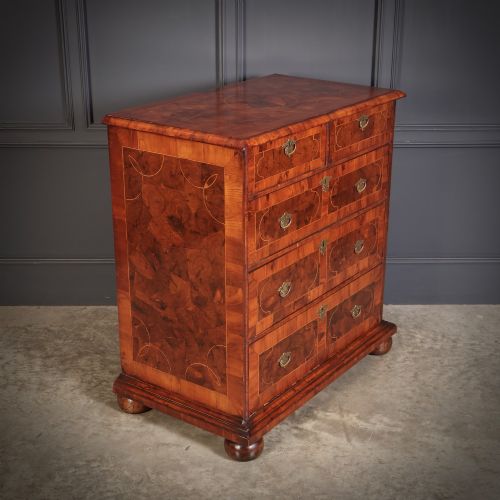
- Slices cut transversely from small branches to produce circular or oval patterns resembling oyster shells. This decorative surface treatment appears on 17th-century walnut pieces.
- Line Inlay
- Narrow strips of contrasting light wood, such as boxwood, embedded in straight channels to frame drawer perimeters. It provides a refined linear border on Georgian furniture.
Antique Inlaid Tallboy: Frequently Asked Questions
What is the difference between a tallboy and a chest on chest?
A tallboy generally refers to any unusually tall chest of drawers, whilst a chest on chest specifically denotes a two-part design where a smaller chest sits directly on top of a larger base chest.
Both forms utilise the vertical space of a room, but the strict chest on chest configuration remains the predominant style found in Georgian and Edwardian tallboys.
How do I care for mahogany and walnut wood surfaces?
Protect the timber by keeping the piece away from direct heat sources and strong sunlight, which can dry out the antique polish and fade the wood. Apply a traditional beeswax polish sparingly to maintain the natural lustre of the grain.
Avoid using modern silicone sprays or household chemical cleaners, as these damage the historic finish accumulated over generations.
Where were tallboys typically placed in a historic home?
These tall storage units served primarily in bedchambers, dressing rooms, and housekeepers' rooms to hold linens, garments, and personal effects. Their vertical design allowed households to store large quantities of textiles in rooms with limited floor area.
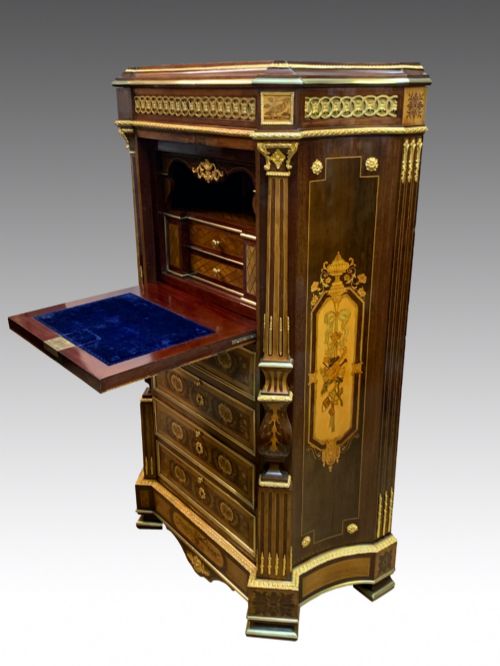
Some variations incorporate a secretaire drawer, serving a dual purpose as a writing desk within the private quarters.
How can I tell a Georgian tallboy from a later reproduction?
Examine the construction methods inside the drawers and at the back of the piece for hand-cut dovetails and tool marks consistent with period production. Timber shrinkage, hand-forged iron or brass fixings, and secondary woods like oak or pine offer clues to the age of the carcase.
Stylistic details such as line inlay, cornice mouldings, and the specific species of veneer help align the piece with documented periods like the 18th century or Edwardian era.