


Antique Industrial Painting
These pieces combine heavy utility with canvas and pigment, bringing the grit of the workshop onto the wall.
Antique Industrial Painting
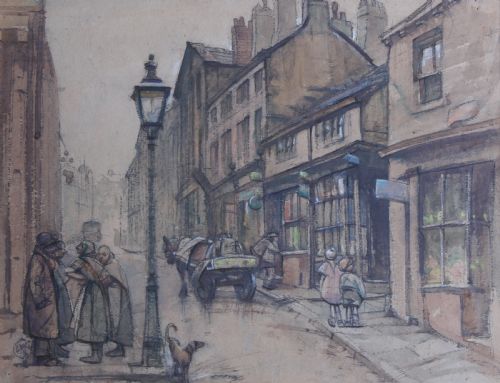
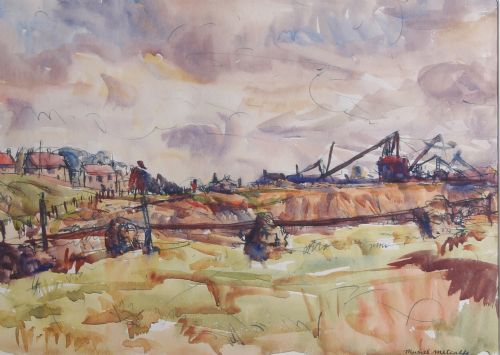
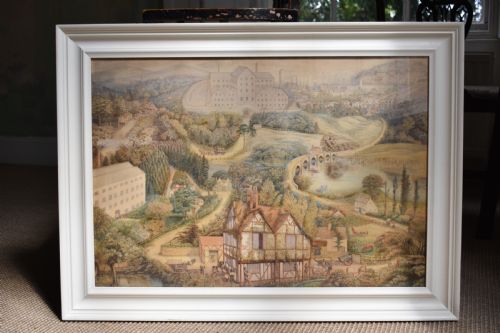
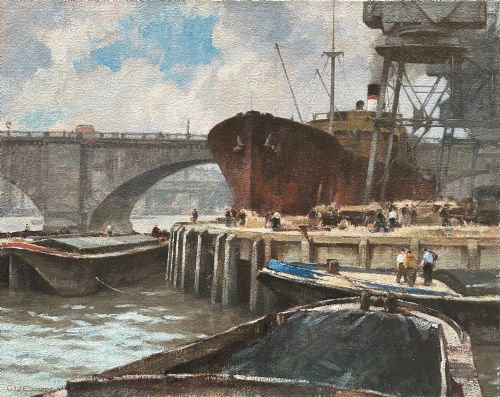
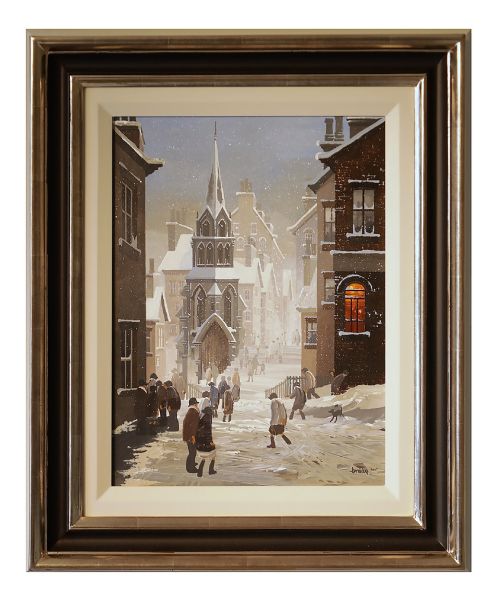
When you search for an antique industrial painting, you encounter canvases and boards depicting the landscapes, townscapes, factories and maritime scenes of past centuries. The selection ranges from Northern School townscapes in the manner of Fred Yates to depictions of breweries, quarries and maritime ports.
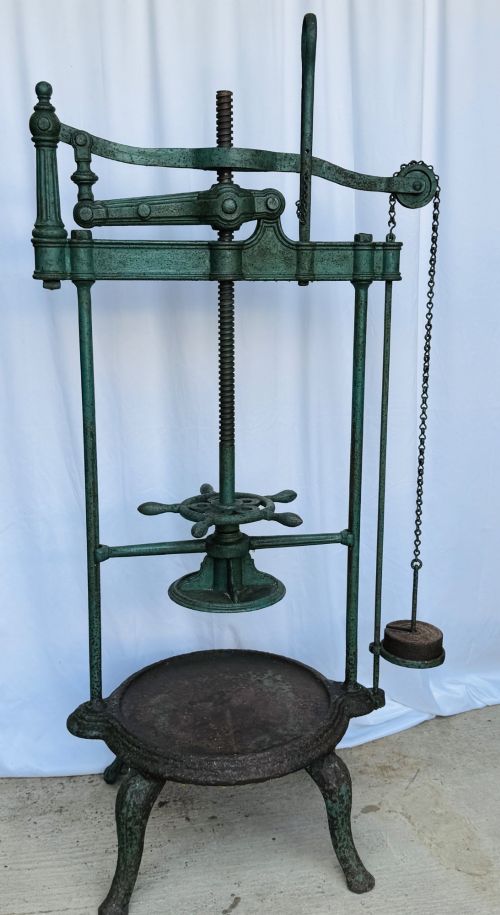
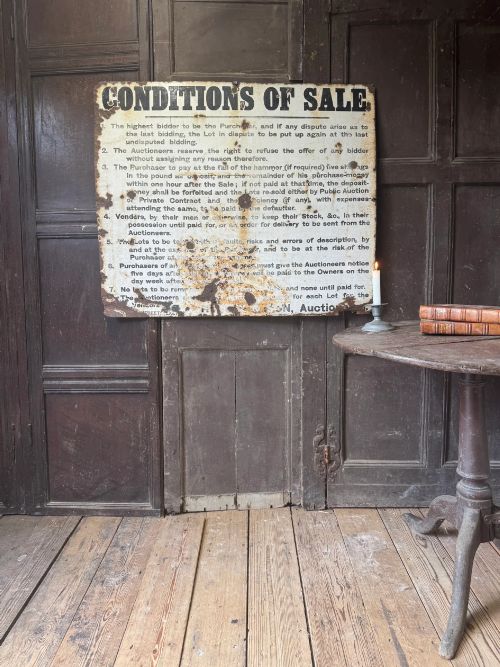
Beyond pure canvases, this grouping includes painted signage, trade boards and steel or iron objects carrying original painted surfaces. The 19th Century and the decades up to the mid-20th Century provide the core of these works, reflecting the working environments of their origin.
Materials and construction
Paint is applied to diverse supports including wood panels, canvas and sheet metal, often layered over iron, cast iron, pine and steel structures. Artists and signwriters utilised standard oil and watercolour mediums alongside industrial coatings to mark railway signs, auctioneer notices and canvas landscapes.
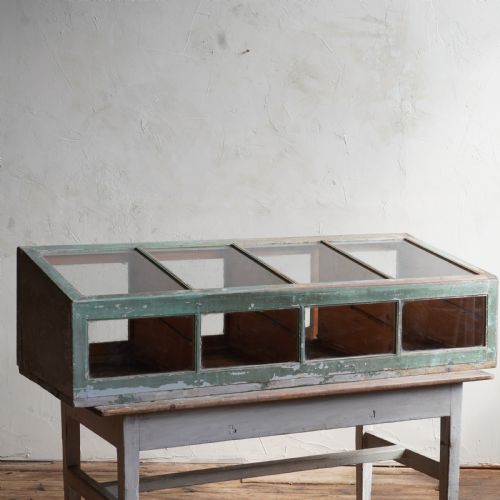
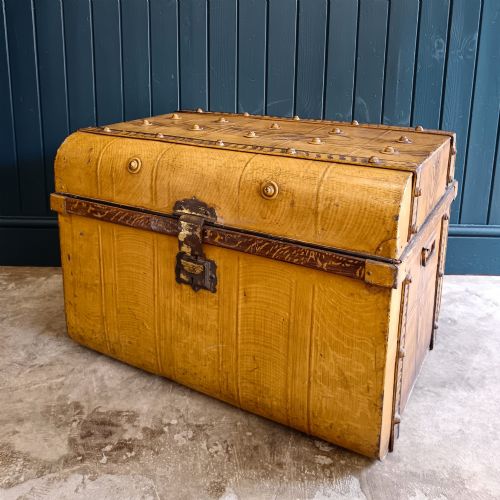
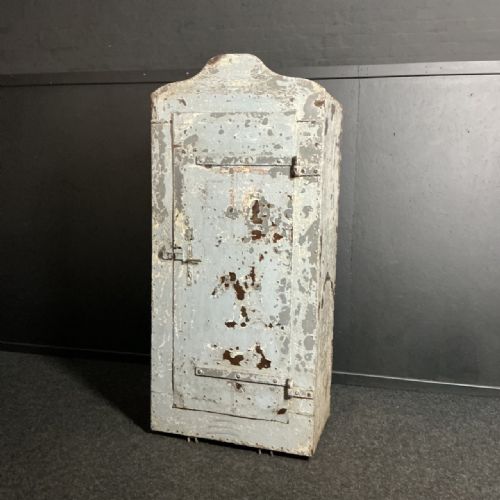
The physical substrates show the marks of heavy use, from riveted metal and wrought iron to distressed pine and faux-wood finishes on steamer trunks and cabinets. Construction methods rely on the robust joinery and metalworking techniques required for heavy trade and transport.
Listings span the 19th Century through to the 1950s, incorporating oil, watercolour, iron, pine, steel and glass.
Assessing quality and authenticity
Quality rests in the integrity of the original surface and the directness of the hand, whether in an artist's brushwork or a signwriter's lettering. Pieces that retain their genuine weathered patina without over-restoration hold greater visual weight.
The strength of the composition and the clarity of the subject matter separate standard utilitarian items from compelling works of art. The balance between industrial function and pictorial representation dictates the success of each piece.
Fred Yates·John Lovibond and Sons·Muriel Metcalfe·Pauwels
The Antique Industrial Painting Glossary
- Oil on board
- A painting executed with oil-based pigments on a rigid wooden or composite board rather than stretched canvas. This medium provides a stable surface often favoured for smaller landscape and townscape studies.
- Northern School
- A regional style of British art depicting industrial towns, mills and working-class life, typically rendered in muted, earthy tones. It captures the atmosphere of manufacturing centres.
- Signage
- Lettering or pictorial information produced for commercial, transport or municipal use. These pieces utilise painted metal, wood or glass.
- Distressed paint
- Surface coatings that show natural wear, chipping, flaking and fading resulting from age and use. This finish is characteristic of authentic workshop and street items.
- Watercolour
- A painting method in which fine pigments are suspended in a water-based solution, typically applied to paper. It appears frequently in landscape and architectural studies.
Antique Industrial Painting: Frequently Asked Questions
What subjects appear in these paintings?
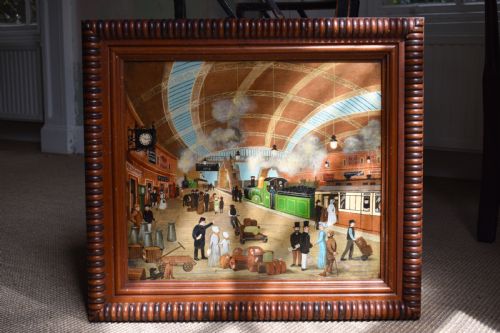
The artwork depicts industrial townscapes, maritime scenes, breweries, quarries and railway environments. These subjects record the heavy industry and urban expansion of the nineteenth and early twentieth centuries.
Alongside traditional canvases, the category includes painted commercial signs, trade boards and transport notices that served active industrial hubs.
How do I date these works?
Dating relies on stylistic clues, framing methods, the composition of the paint layers and the specific typography used on any lettering. Reference to period clothing, architecture and transport provides further chronological markers.
The materials themselves, such as early sheet metal, cast iron supports and aged pine boards, help place pieces within the nineteenth and mid-twentieth centuries.
Where were these pieces originally used?
Paintings and painted signs originated in factories, railway stations, breweries, ports, and commercial offices. They functioned as operational notices, brand displays or artistic records of working landscapes.
Many items transitioned from active commercial premises into private collections as industrial architecture and workplaces were modernised or demolished.
How do I care for a painted industrial piece?
Keep works away from direct sunlight, excessive moisture and sudden temperature shifts to protect both the pigment and the underlying wood, canvas or metal. Dust gently with a dry, soft cloth without applying chemical cleaning agents.
Allowing the aged surface to breathe preserves the original patina and prevents damage to vulnerable, distressed paint layers.