

Antique Yorkshire Artwork
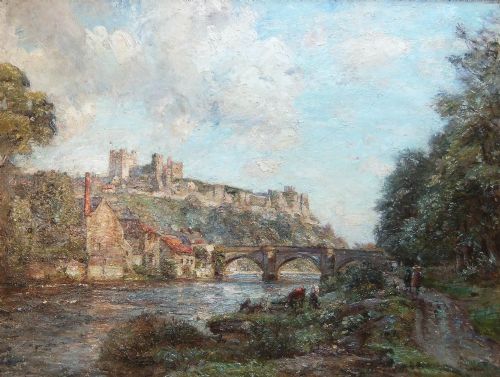
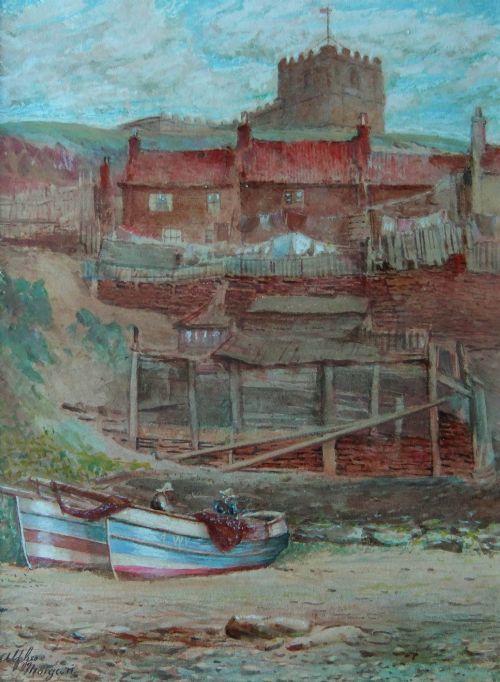
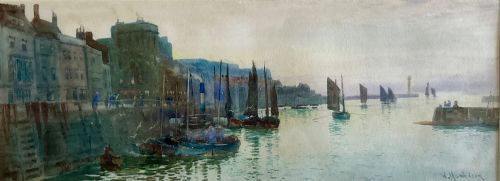
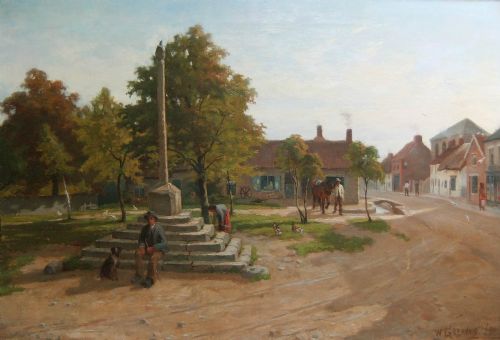
Antique yorkshire artwork captures the distinct light, dramatic coastline and rural valleys of the county through traditional paintings and watercolours.
Antique Yorkshire Artwork
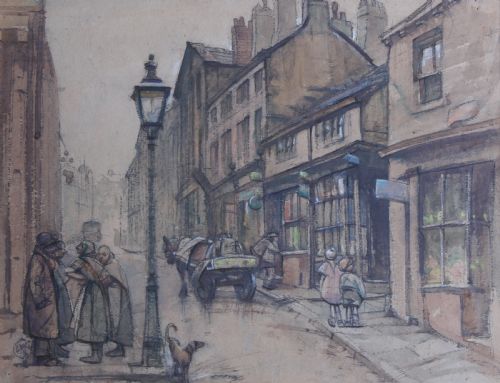
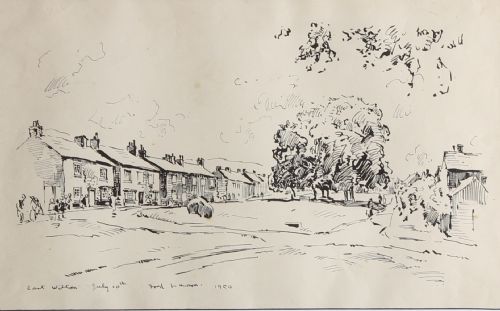
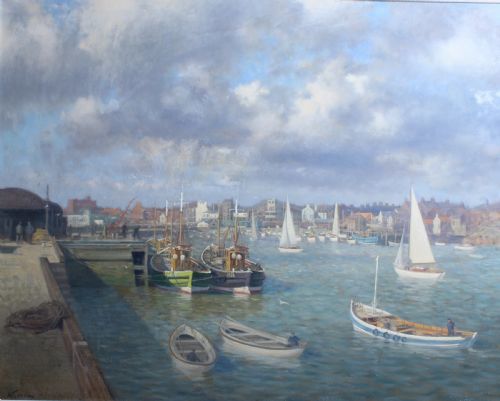
When you search for antique yorkshire artwork, you encounter regional paintings that document local landscapes, coastal harbours and rural farmsteads across the county. The pieces you meet most frequently on this page date from the late nineteenth century through to the mid-twentieth century, capturing familiar scenes from Whitby, Staithes, Wharfedale and Wensleydale.
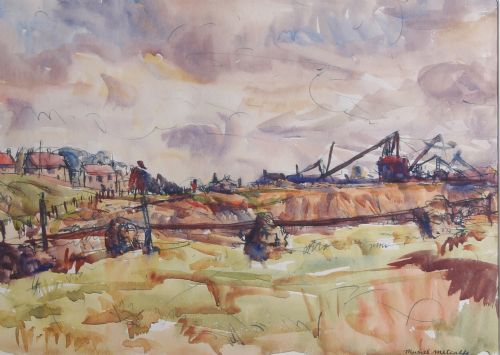
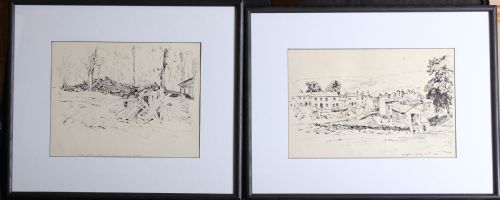
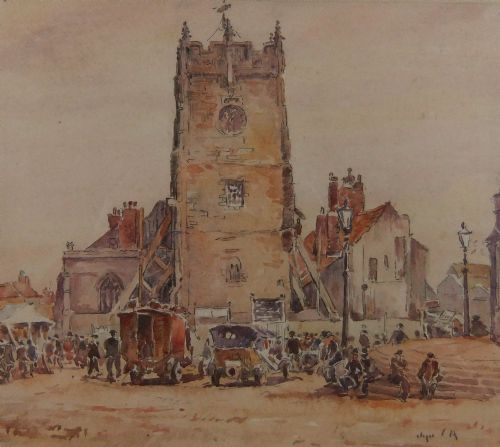
The selection ranges from detailed topographical watercolours to expressive oil paintings on canvas and board. Artists working within this regional tradition recorded changing weather patterns, industrial activity in towns like Bradford, and quiet rural hamlets with direct observation.
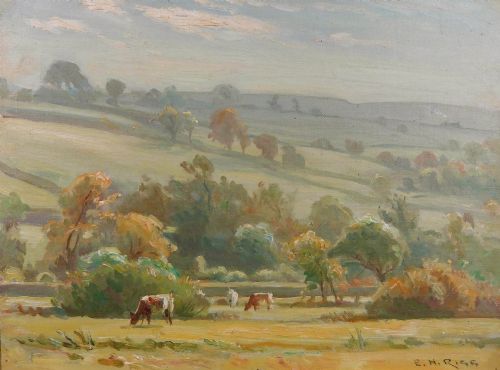
Framed watercolours on paper and oils on canvas represent the predominant forms available to collectors. These pieces frequently feature specific local identifiers in their titles, pointing directly to recognizable Yorkshire geography and historic settlements.
Materials and methods
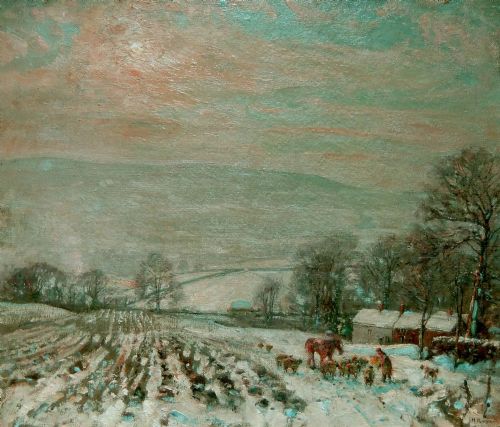
The physical objects rely primarily upon traditional supports of prepared canvas, wooden boards and heavy watercolour paper. Artists applied oil paint with varied brushwork to build texture on canvas, while watercolour pigment was washed across paper to capture the soft light of the coast and dales.
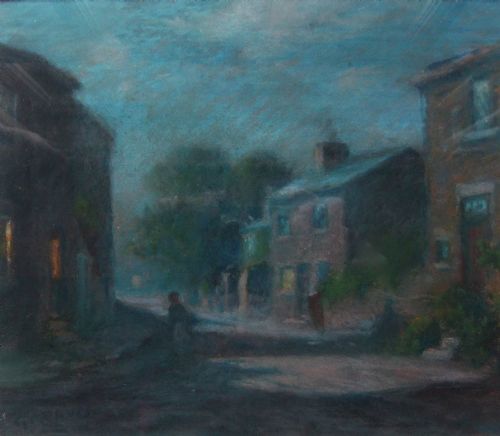
Pastels also appear alongside oil and watercolour, offering a dry medium suited to atmospheric evening landscapes. Protective wooden frames enclose the vast majority of these works, often retaining their original gilt or painted finishes from the period of creation.
Several sheep occasionally share billing with the landscape in titles, proving that livestock made very patient models.
Judging quality in regional art
Quality rests upon the artist's handling of light, atmospheric perspective and the specific topography of the scene. Stronger compositions demonstrate confident brushwork or deliberate pigment washes that capture the distinct mood of Yorkshire weather, avoiding rigid or formulaic reproduction.
The relationship between the artist and the depicted location also influences the standing of a piece. Works by members of recognised regional groups, such as the Staithes Art Club or local painting societies, often display a deeper familiarity with the local terrain and coastal conditions.
Herbert Royle·Ernest Higgins Rigg·William Greaves·Fred Lawson·Owen Bowen
The Antique Yorkshire Artwork Glossary
- Watercolour
- A paint consisting of soluble pigment suspended in a water-based solution, applied to paper supports. It allows for transparent washes that capture coastal light.
- Oil paint
- A slow-drying paint made by combining pigments with a drying oil, typically linseed. It permits rich impasto application and deep colour saturation on canvas or board.
- Canvas
- A heavy woven fabric stretched across a wooden frame to serve as a sturdy painting surface for oil works. It responds to environmental humidity and requires careful preservation.
- Pastel
- A dry medium composed of powdered pigment and a binder, shaped into sticks for drawing. It creates soft, textured surfaces that demand protection behind glass.
- Impasto
- Paint applied thickly to a canvas or board, standing out from the surface so that brush or palette-knife marks remain visible. This technique adds tactile depth to regional landscapes.
Antique Yorkshire Artwork: Frequently Asked Questions
What subjects appear most often?
The subjects focus heavily on rural dales, farming life, and coastal scenes around fishing ports like Whitby and Staithes. Painters frequently recorded specific local landmarks, cottages, and moorland views.
Industrial towns and quiet river valleys also appear across the selection, documenting the varied landscape of the region through changing seasons.
How do I care for these paintings?
Keep works out of direct sunlight to prevent fading in both watercolours and oil pigments. Maintain stable indoor humidity levels to protect wooden frames and canvas supports.
Watercolours and pastels require glazing with glass to protect the paper surface from atmospheric moisture and dust accumulation.
How are periods identified?
Stylistic clues, artist signatures, and framing materials help determine the era in which a piece was produced. Edwardian and Victorian works often carry specific tonal palettes and traditional framing styles.
Examine the reverse of the canvas or paper for artist inscriptions, gallery labels, or old exhibition stamps that supply additional historical context.
Where were these artists active?
Many painters gathered in coastal fishing villages like Staithes, forming informal colonies to study the changing marine light and local harbour activities. Others travelled extensively through Wharfedale, Wensleydale, and surrounding farming communities.
Their studios were frequently based in regional centres like Bradford and Leeds, while their sketchbooks recorded the wider Yorkshire countryside.