
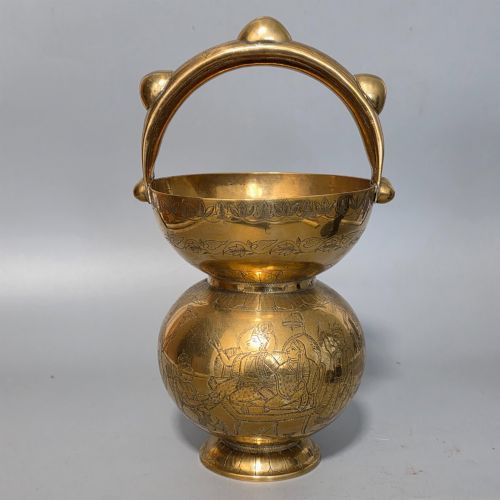


Antique Indian Metalwork
Antique indian metalwork brings together heavy cast bronzes and intricate repoussé copper trays that capture centuries of skilled subcontinent craftsmanship.
Antique Indian Metalwork
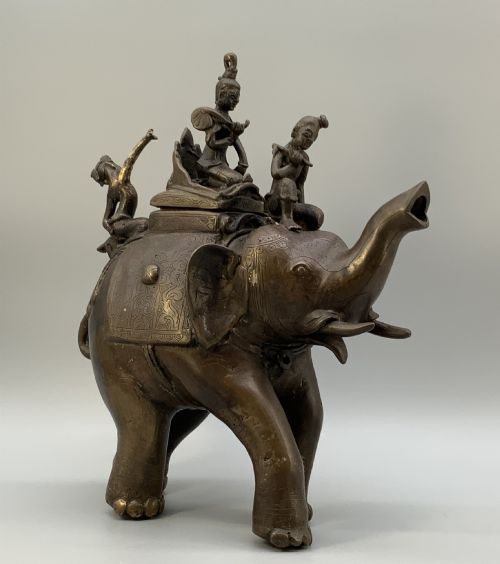
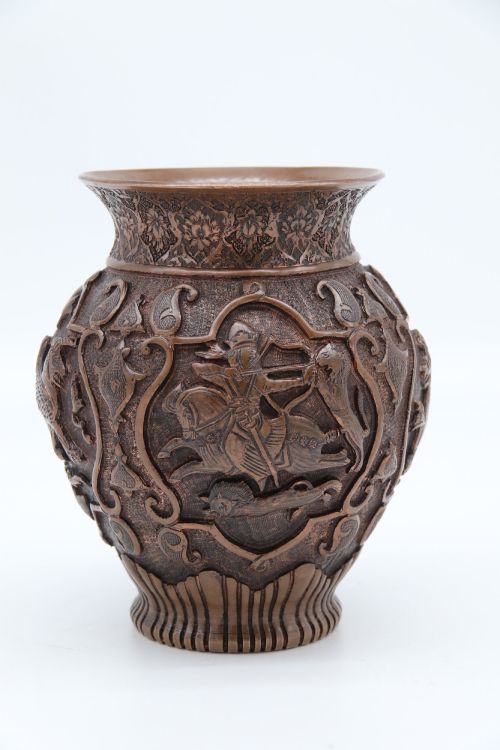
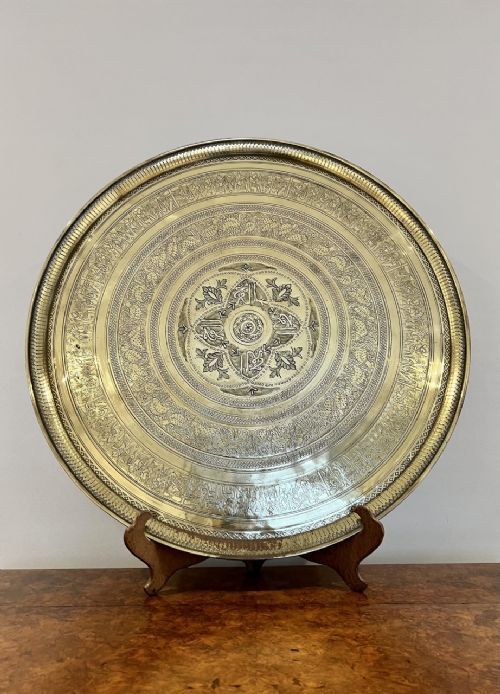
The objects take many functional and decorative forms, including engraved elephant sculptures, repoussé copper vases, silver-plated pandan boxes, and heavy ceremonial chargers. Makers utilised distinct regional styles such as Anglo-Indian, Indo-Persian, and South Indian to shape these versatile items.
Most examples date from the Victorian era up through the early twentieth century, reflecting both traditional domestic rituals and the tastes of the colonial period. Collectors find everything from modest bronze bells to monumental aftabas with intricate handle designs.
Materials and Construction Techniques
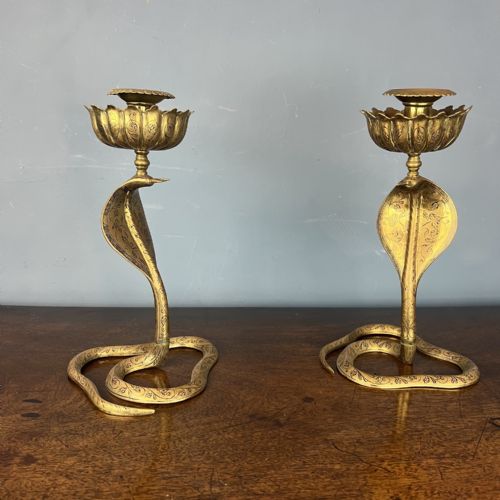
Artisans employed a range of alloys and pure metals, relying predominantly on bronze, brass, copper, and mixed metal combinations alongside silver-plated surfaces. These foundational metals were worked using traditional casting methods for heavier sculptural forms and vessels.
Surface ornamentation required intensive manual labour, including deep hand carving, chasing, piercing, and repoussé work to push designs out from the reverse of copper and brass sheets. Artisans also integrated contrasting metals to highlight geometric and figural motifs across chargers and trays.
Several heavy bronze bells carry a hidden troop of elephants marching perpetually around the base.
Assessing Quality and Execution
Quality rests heavily on the depth and crispness of the manual chasing and repoussé work, where sharply defined figural details distinguish superior pieces from shallower pressings. Heavier gauge metals and substantial casting weight indicate more robust construction in statues and vessels.
The integration of mixed metals and complex piercing further separates standard production items from exceptional workshop creations. Preserved original surfaces without overly aggressive cleaning retain the tactile appeal intended by the maker.
The Antique Indian Metalwork Glossary
- Repoussé
- A metalworking technique where the artisan hammers a design from the reverse side to create a raised pattern in relief on the front. This method appears frequently on copper and brass chargers.
- Aftaba
- A traditional long-necked water vessel or ewer used for washing, often fitted with an intricate handle and spout. These large pieces demonstrate advanced metal casting skills.
- Bidri ware
- A specific metalcraft originating from Karnataka, involving a blackened alloy inlaid with contrasting sheet metal such as brass or silver. It creates a striking dark contrast.
- Pandan
- A traditional lidded box or container designed to hold betel leaf and associated spices for chewing. These items are often fashioned from silver plate or copper.
- Kamandal
- A spherical water pot or carrier traditionally utilised by Hindu ascetics and holy figures. Examples cast in brass often bear regional school attribution.
- Chasing
- The process of refining metal surfaces by hammering from the front to push the metal inward and sharpen details. It works in tandem with repoussé.
Antique Indian Metalwork: Frequently Asked Questions
What is an aftaba used for?
An aftaba functioned historically as a water ewer for ritual washing or hand-washing before meals in grand households. Their impressive spouts and handles made them both practical and decorative.
Today, collectors display these monumental vessels as sculptural centerpieces on tables or sideboards. Their weight and complex casting demand a sturdy surface.
How do I date 19th-century Indian brass?
Dating relies on examining tool marks, alloy composition, and the specific style of regional workshops active during the Victorian and Raj periods. Hand-cut chasing typically shows slight irregularities absent in later mass production.
Comparing motifs against documented regional schools helps narrow down the decade of production. Documentation or provenance from early collections also aids verification.
Are these items purely decorative?
While many pieces now serve decorative display roles, most started as functional domestic, ritual, or serving items. Trays, boxes, and vases were made for active daily use in homes or temples.
Living with these objects involves appreciating their dual history as functional craft and fine sculpture. Sturdy trays handle light service while boxes secure small items.