







Traditional Indian Sculpture
Traditional Indian sculpture brings figurative brass, bronze, and carved hardwood into a room, offering centuries of ritual and folk artistry.
Traditional Indian Sculpture
Traditional Indian sculpture encompasses figures, masks, and decorative objects created across the eighteenth, nineteenth, and early twentieth centuries. These pieces reflect regional traditions ranging from South Indian folk art to Indo-Persian craftsmanship.
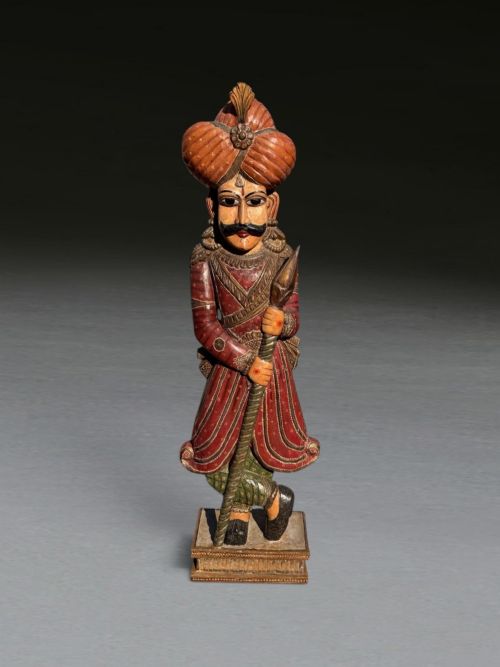
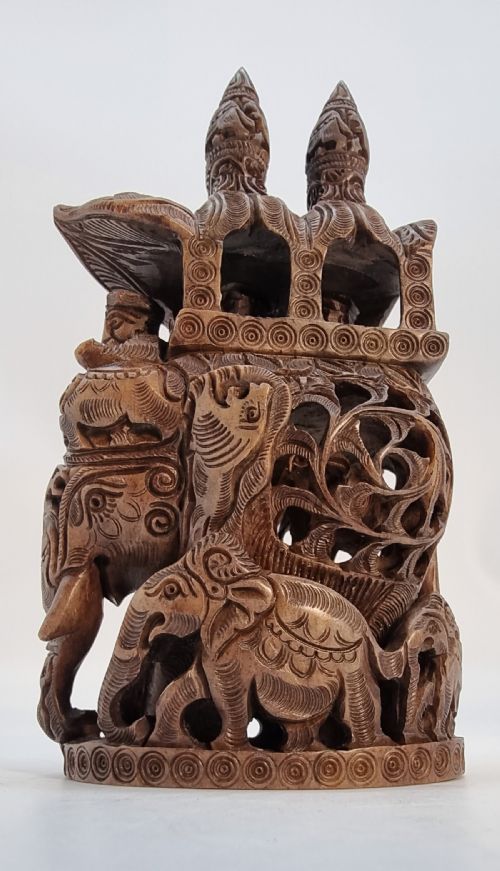
The objects available include bronze Hindu deities, carved wooden horses, soapstone elephant studies, and ceremonial headdresses. Figures of deities such as Shiva, Parvati, and Ganesha appear frequently alongside animals and folk figures.
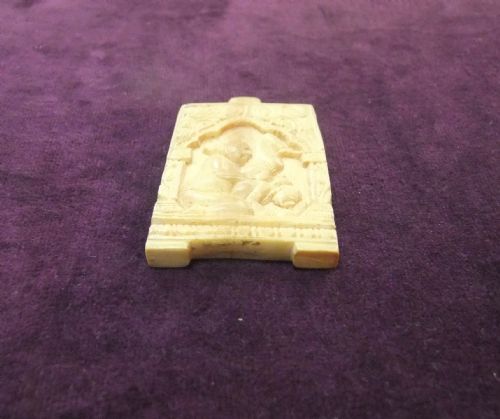
Buyers encounter diverse forms including ritual statues, architectural panels, and sculptural seats. Many of these works combine utility and decorative purpose, bridging domestic objects and religious iconography.
How they were made
Metalwork relies on traditional casting methods to produce bronze and brass statues of deities and animals with intricate detail. Artisans shape these metals to create substantial figures that hold their finish over centuries.
Woodcarving utilises hardwoods, softwoods, and coconut shell to form horses, panels, and structural elements. Makers apply paint and pigment directly to carved surfaces, adding polychrome layers that survive on specific regional pieces.
Soapstone carving allows for fine, smooth surface details seen in small-scale studies of animals. Craftspeople shape the stone to capture the texture and form of ceremonial subjects without additional surface coatings.
Traditional Indian Sculpture Retail Price Guide 2026
Typical asking prices for traditional indian sculpture among the pieces listed under this phrase on Sellingantiques today, from the lower quarter to the upper quarter. They describe what is for sale here now, not the wider market.
Current listings feature materials including hardwood, bronze, soapstone, and brass alongside painted wooden surfaces.
What varies in quality
Surface preservation affects the character of painted and cast objects, particularly where original pigments or patinas remain intact. Pieces retaining their early polychrome paint layers or aged bronze surfaces command closer attention from collectors.
Proportion and stance dictate the visual impact of figurative bronzes and wooden models. Well-balanced postures and careful attention to anatomical or iconographic details distinguish superior examples.
The Traditional Indian Sculpture Glossary
- Polychrome
- Decorated in multiple colours. This term describes wooden sculptures and figures that retain their original painted surfaces.
- Indo-Persian
- A style combining Indian and Persian artistic influences. It often appears in decorative hardwood models and horse carvings.
- Soapstone
- A relatively soft, talc-based stone used for small carvings. It allows for smooth surfaces and detailed tactile studies.
- Headdress
- A decorative covering worn on the head during ceremonies. Examples include the elaborate wood and fabric creations from Kerala.
- Bronze
- An alloy of copper and tin used for casting metal statues. It develops a rich dark patina over centuries of handling.
Traditional Indian Sculpture: Frequently Asked Questions
What materials are used?
These sculptures utilise materials such as cast bronze, brass, hardwood, soapstone, and applied pigments.
Artisans select these mediums to suit regional traditions and the intended ritual or decorative function of the object.
How do I clean wooden pieces?
Maintain wooden sculptures by dusting them gently with a dry, soft cloth.
Avoid water, harsh chemical cleaners, or modern polishes that might damage aged wood and original painted pigment layers.
Where were they made?
Origin locations include South India, Rajasthan, Kerala, and Orissa.
Each region developed distinct artistic styles, from folk headdresses to detailed bronze Hindu deities.