



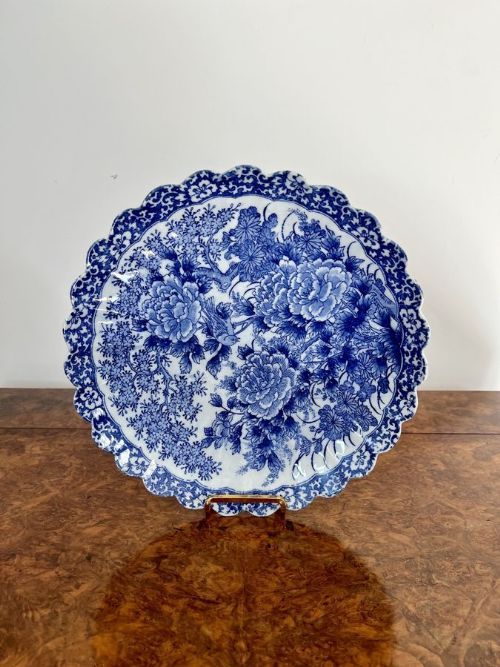


Antique Imari Style Dish
An antique imari style dish brings vibrant iron-red, cobalt blue and gilt palettes to a table, combining traditional Asian motifs with European forms.
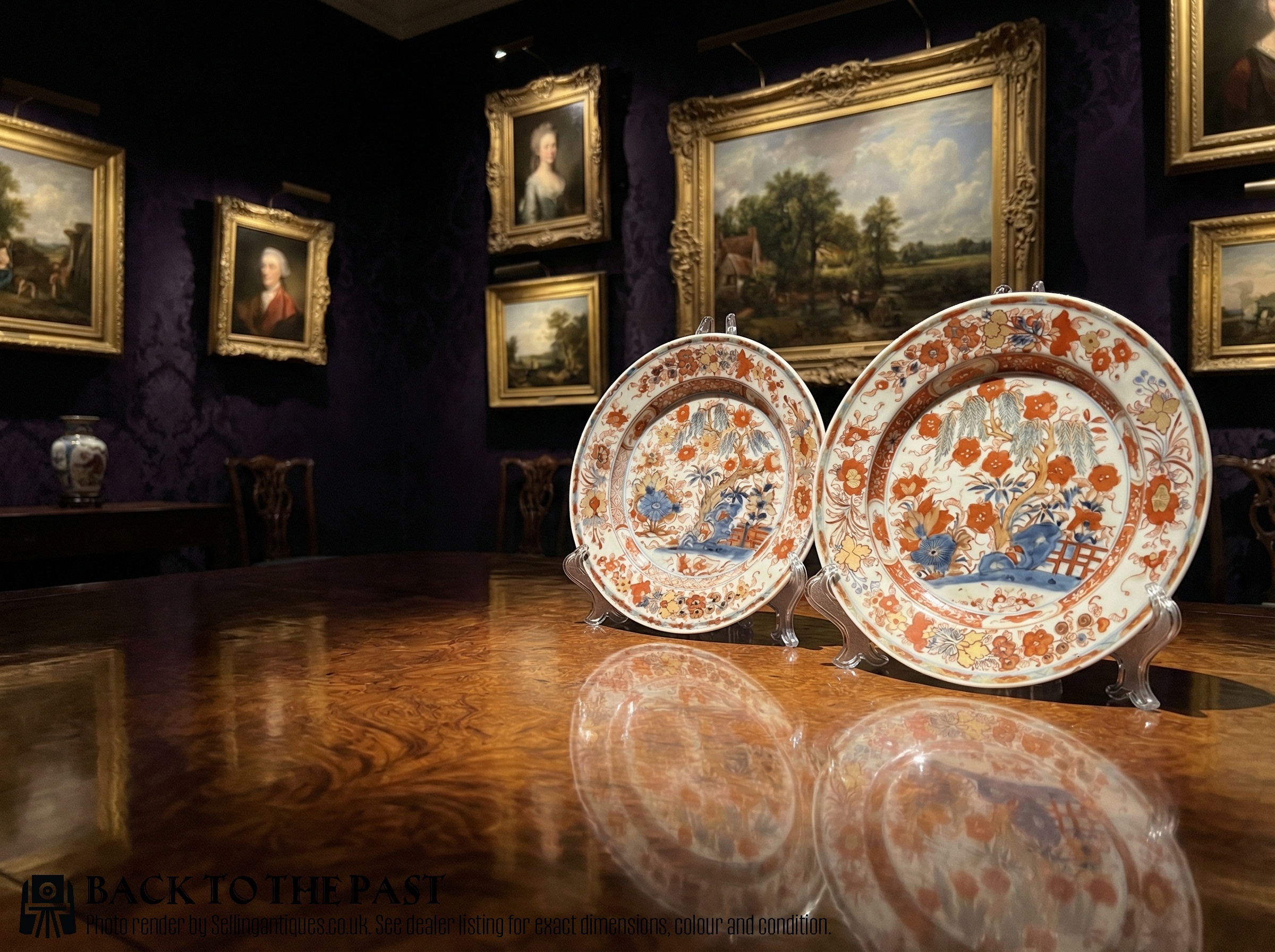
Antique Imari Style Dish
An antique imari style dish encompasses porcelain and ironstone plates, chargers, bowls and platters created across the eighteenth, nineteenth and early twentieth centuries. These objects reflect the enduring European taste for decorative blue and white or polychrome ceramics imported from Japan and China, alongside domestic interpretations produced by English factories.
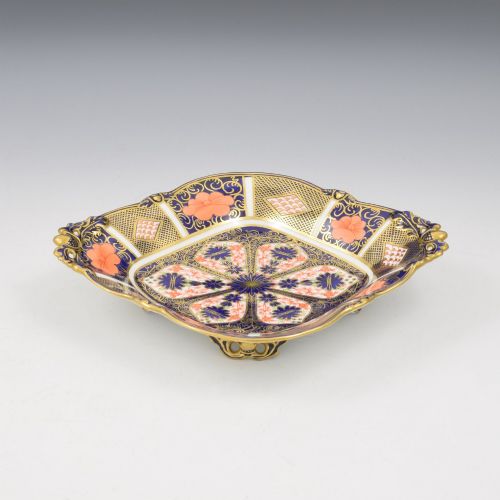
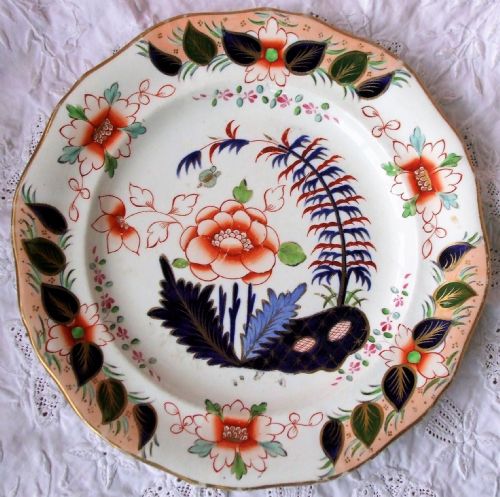
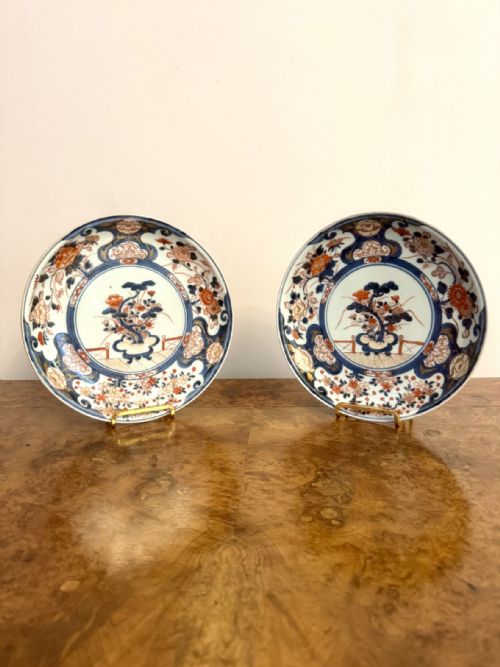
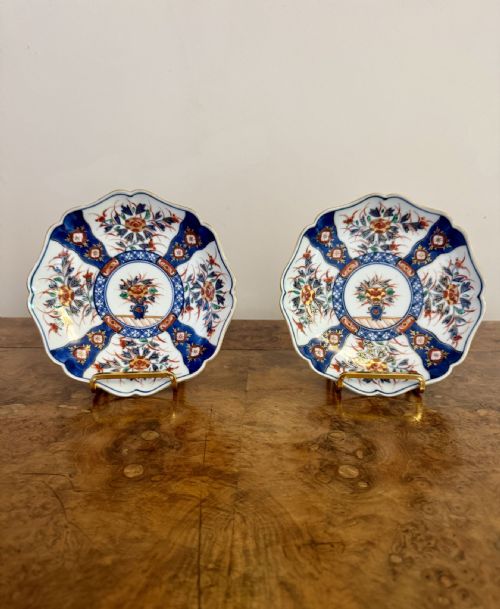
The version most commonly met on this page is the Japanese imari plate or charger dating from around nineteen hundred, alongside English ironstone and porcelain adaptations by makers such as Royal Crown Derby, John Davenport and Chamberlain Worcester. Forms vary from simple scalloped and hexagonal plates to large serving platters and tureens designed for display or dining.
How they were made
Potters shaped porcelain, stoneware and ironstone bodies on the wheel or pressed them into moulds to create plates, bowls and serving dishes. These ceramic forms received underglaze cobalt blue painting before a preliminary firing fixed the base pigment.
Artisans applied overglaze enamel colours, including iron-red and green, alongside gold leaf or gilt highlights, before secondary low-temperature firings melted the pigments into the glaze. Hand painting remains evident in the fine brushwork across Japanese imari and English factory wares.
Materials recorded on this page include porcelain, ironstone, earthenware, enamel and gold leaf.
What varies in quality
The standard of a piece depends heavily on the precision of the hand painting and the complexity of the pattern layout. Pieces displaying crisp, detailed brushwork and richly saturated cobalt blue, iron-red and gold leaf outrank simpler or coarser factory imitations.
Condition and completeness alter the standing of ceramics from this era. Well-preserved glaze surfaces with minimal rubbing to the gilt highlights and intact edges on scalloped or hexagonal forms command greater appreciation among collectors.
Royal Crown Derby·John Davenport of Longport·Flight Barr And Barr·John Ridgway·Chamberlain Worcester
The Antique Imari Style Dish Glossary
- Imari
- A style of ceramic decoration originating in Japan, characterised by a palette of underglaze blue, iron-red enamel and gilt details. European factories later adopted this distinctive aesthetic for their own porcelain and ironstone.
- Ironstone
- A heavy, durable type of earthenware developed in nineteenth-century England to imitate Chinese porcelain. It provided a strong body suitable for heavy domestic service and transfer-printed or hand-painted patterns.
- Charger
- A large decorative plate or platter used primarily for presentation or serving during grand meals. These substantial pieces often display intricate imari or armorial designs across their wide surfaces.
- Enamel
- Opaque glass-like pigments applied over the fired glaze of ceramics to introduce vibrant colours such as iron-red and green. These additions require a separate, cooler firing to bond with the surface.
- Kakiemon
- An asymmetric style of Japanese porcelain decoration featuring delicate, restrained enamels and motifs such as quails. English factories frequently copied these patterns during the Georgian period.
Antique Imari Style Dish: Frequently Asked Questions
How do I identify an imari dish?
An imari dish typically displays a strong colour scheme combining cobalt blue, iron-red and gold leaf over a white ceramic base. Traditional floral, geometric or panel designs cover much of the surface.
English factories produced similar patterns on ironstone and porcelain during the Georgian and Victorian eras, often adapting the traditional Japanese style for European dining tables.
Can I use these dishes daily?
Most antique serving dishes and plates survive from the eighteenth and nineteenth centuries, featuring delicate overglaze enamels and gilt highlights that wear away with heavy use. Hand washing helps protect the fragile painted surfaces from modern detergents.
Many collectors prefer to display chargers and platters on walls or stands, or reserve them for occasional decorative service rather than daily meals.
How do I date a piece?
Dating relies upon factory marks, ceramic bodies and stylistic shifts across the nineteenth and early twentieth centuries. Early English pieces often use ironstone or soft-paste porcelain, while later Japanese imports from around nineteen hundred show distinct potting techniques.
Comparing pattern numbers, such as those found on Royal Crown Derby wares, provides further clues regarding the exact decade of manufacture.
What is ironstone?
Ironstone is a dense, durable ceramic body patented in nineteenth-century England to rival imported Asian porcelain. It resists chipping better than standard earthenware while offering a smooth white ground for colourful imari patterns.
Makers like Mason and John Davenport utilised this heavy material for tureens, platters and dinner services intended for rigorous household use.