


Antique Icon
When you handle an antique icon, you hold centuries of devotion rendered in bronze, wood, tempera, and gold leaf.
Antique Icon
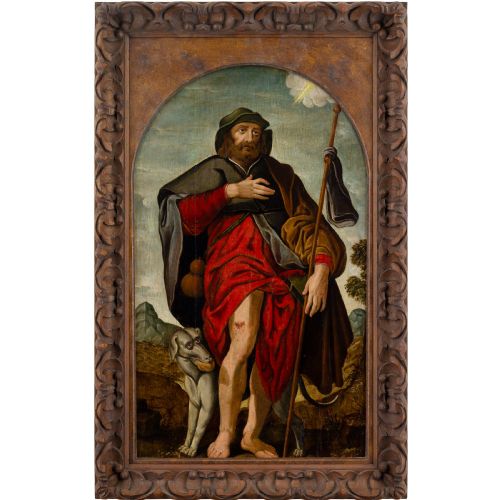
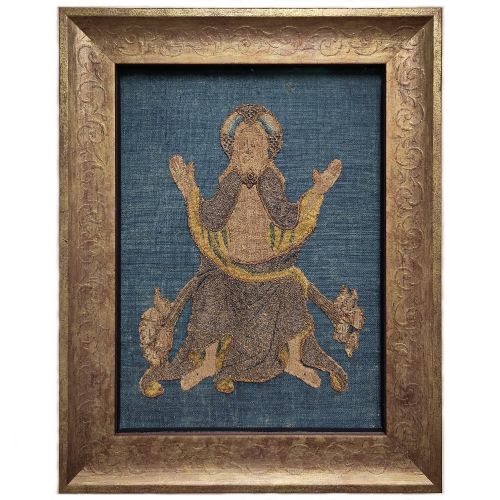
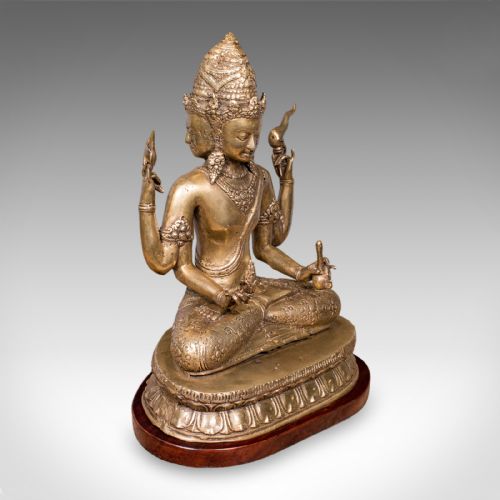
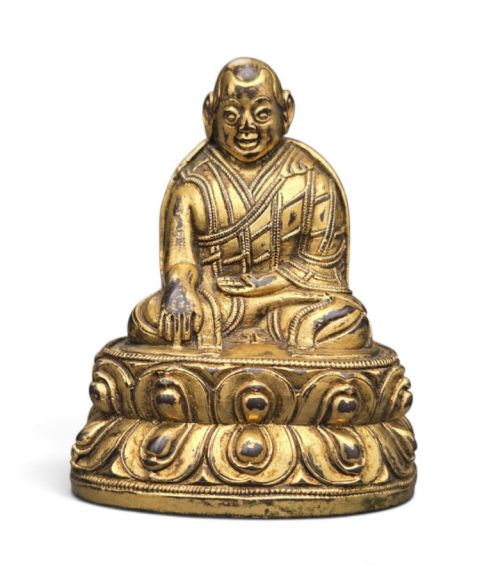
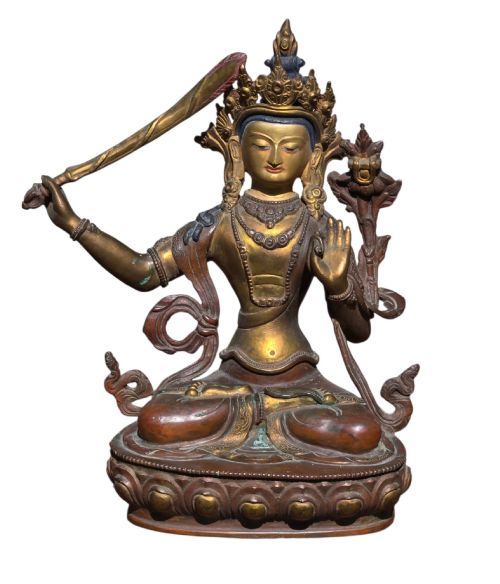
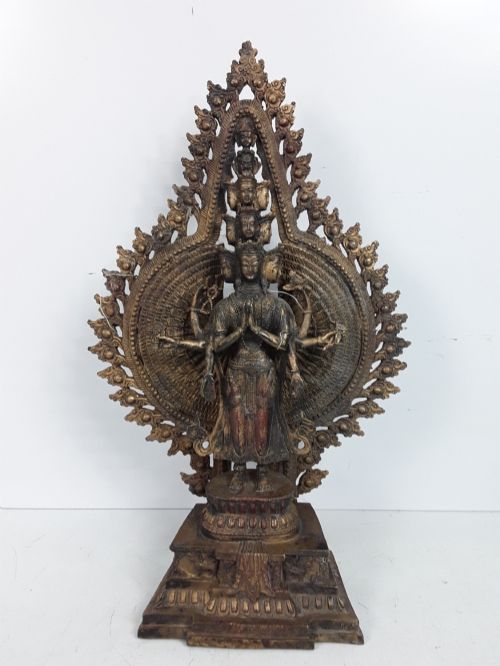
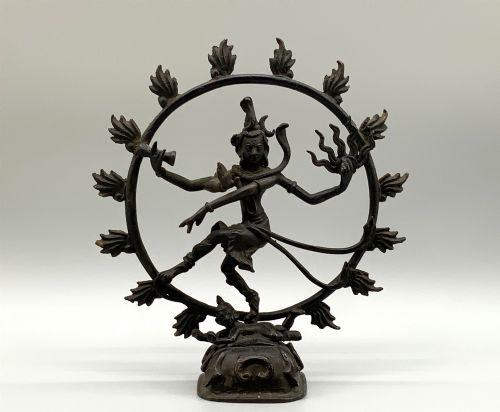
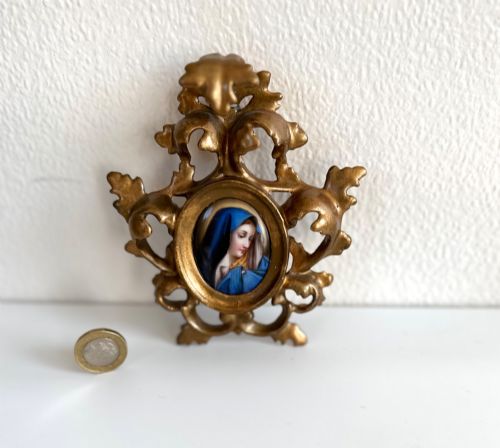
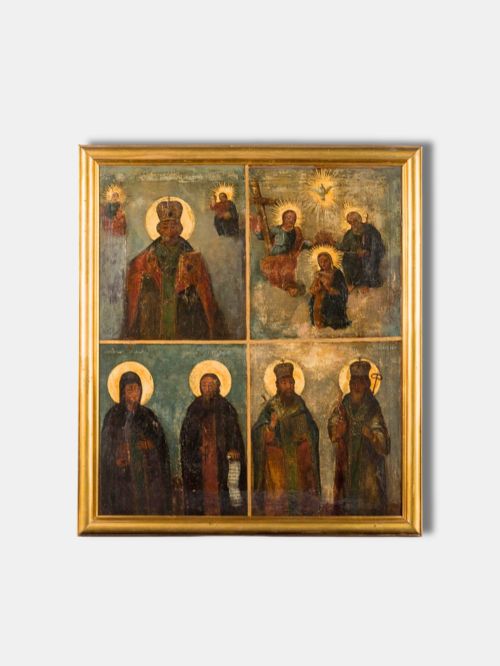
An antique icon encompasses sacred imagery and devotional figures created across diverse religious traditions, spanning Russian Orthodox panels, Himalayan shrines, and Southeast Asian temple bronzes. Buyers seeking an antique icon encounter a rich variety of forms, including cast bronze deities, tempera painted panels, carved wooden saints, and miniature devotional pictures.
The pieces on this page emerge primarily from the seventeenth, eighteenth, and nineteenth centuries, alongside earlier sixteenth-century works and later pieces from around nineteen hundred. Surviving examples reflect distinct regional aesthetics, ranging from Sino-Tibetan and Rattanakosin styles to Victorian miniatures and Spanish folk art.
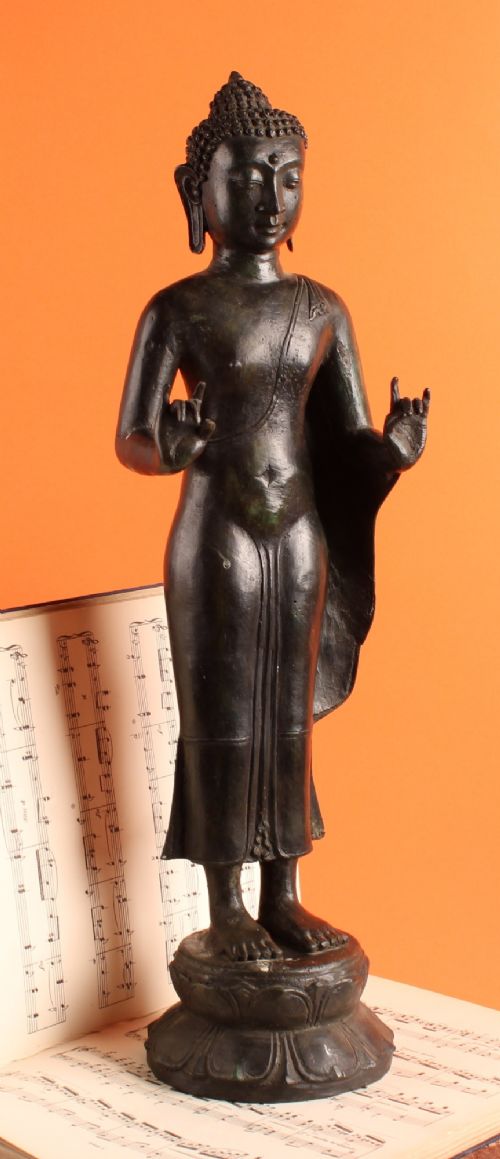
Devotional objects take multiple shapes, from small household shrines and pendant medals to life-size wooden figures and framed oil paintings. Each piece bears the distinct material culture of its origin, whether a cast bronze Buddha, a carved oak saint, or a painted pine panel depicting a holy figure.
Materials and construction
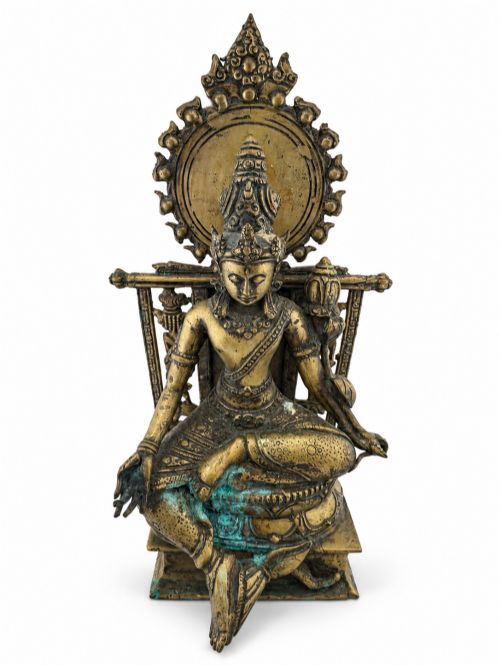
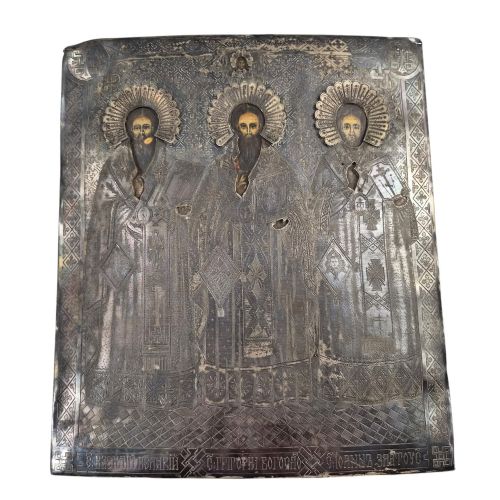
Metal sculptures rely on bronze casting, frequently enriched with gilt-bronze, silver riza work, or gold leaf applied to surfaces. Makers also utilised copper alloy, brass, and eighteenth-century Limoges enamel to achieve durable metallic finishes.
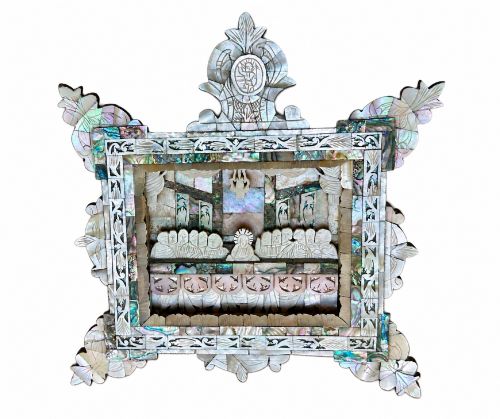
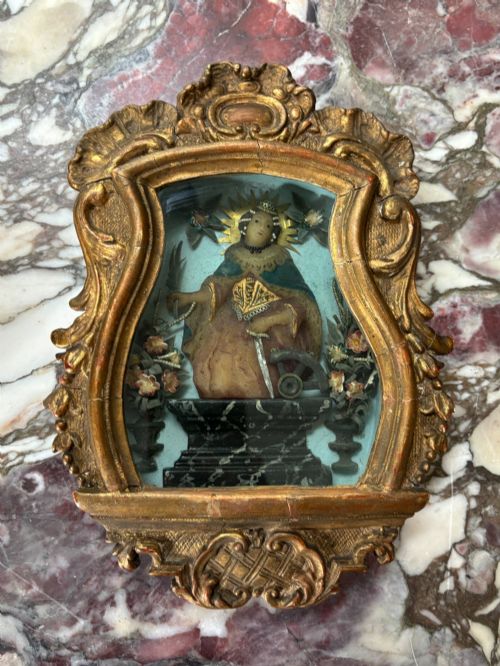
Wooden forms employ carved wood, oak, pine, and giltwood frames, often paired with tempera paint or oil on canvas. Artisans combined carved elements with mother of pearl, abalone, needlepoint, and wax devotional components to construct layered pictorial reliefs.
Antique Icon Retail Price Guide 2026
Typical asking prices for icon among the pieces listed under this phrase on Sellingantiques today, from the lower quarter to the upper quarter. They describe what is for sale here now, not the wider market.
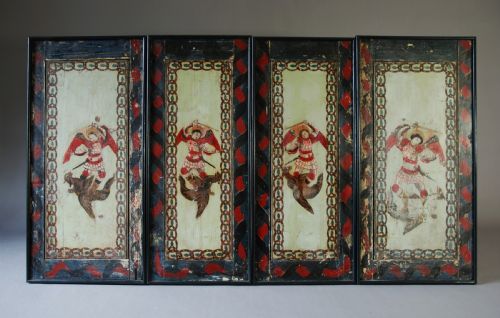
St Michael occasionally appears on naively painted pine panels that look entirely unbothered by the cosmic weight of defeating dragons.
Evaluating craftsmanship
Age and regional integrity dictate the depth of character in each piece, with works retaining their original frames, patination, and pigments carrying greater historical weight. The directness of the artisan's hand, whether in naively painted pine panels or finely chased Himalayan deities, defines the artistic merit of the surviving object.
Heinrich Grünbaum·Volga Masters
The Antique Icon Glossary
- Tempera
- A permanent, fast-drying painting medium consisting of pigmented powder mixed with a water-binding material such as egg yolk. It provides the matte surface seen on early wooden sacred panels.
- Riza
- A protective metal cover placed over an orthodox panel, typically fashioned from silver or gilt-bronze. It leaves the faces and hands visible while covering the background in repoussé relief work.
- Mudra
- A symbolic or ritual gesture performed with the hands in Buddhist and Hindu iconography. Each specific hand position conveys a particular teaching or state of mind.
- Polychrome
- The practice of decorating architectural elements, sculptures, or woodwork in a variety of painted colours. This technique brings depth and lifelike qualities to carved wooden saints.
- Giltwood
- Wood that has been treated with a thin layer of gold leaf or gold paint across its carved surface. It catches ambient light within places of worship or domestic shrines.
Antique Icon: Frequently Asked Questions
How do I care for wooden panels?
Keep wooden and tempera pieces away from direct sunlight and sudden humidity shifts to protect the pigments and ground layers. Gentle dusting with a soft, dry brush is sufficient for routine maintenance.
Avoid liquid cleaners, waxes, or oils on painted surfaces, as moisture can lift delicate tempera and gold leaf from the wood base.
Were these pieces used at home?
Many sacred figures and painted panels served as focal points for daily prayer within domestic spaces, travel shrines, and private household altars. Smaller medals and miniatures offered personal, portable devotion for individuals on journeys.
Larger bronzes and carved saints originated in temples, churches, and monasteries before entering the collector market over subsequent centuries.
How do I date a bronze statue?
Dating relies on stylistic markers specific to regions and periods, such as the proportions of Himalayan deities or the casting techniques of Southeast Asian bronzes. Examining the natural wear, patination, and tool marks on the underside provides further clues to age.
Comparative analysis with documented workshop traditions helps narrow down the century of production.
What is a silver riza?
A riza, or oklad, is a protective metal covering attached to the front of a painted panel, usually fashioned from silver or copper alloy. It covers the body of the holy figure while exposing the painted face and hands.
This metal overlay shielded the underlying tempera from candle smoke, physical touch, and physical damage over generations of active use.