


Antique Horology Table Clock
An antique horology table clock brings mechanical mastery and decorative weight to a room, ranging from brass carriage designs to walnut bracket pieces.
Antique Horology Table Clock
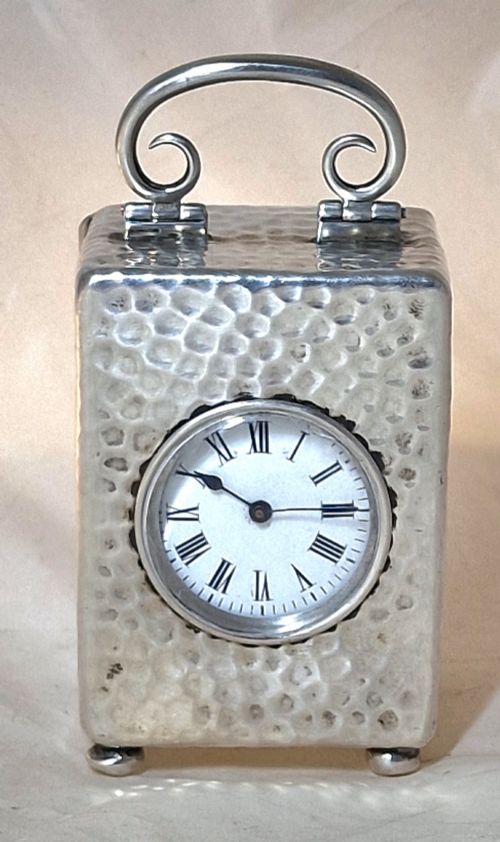
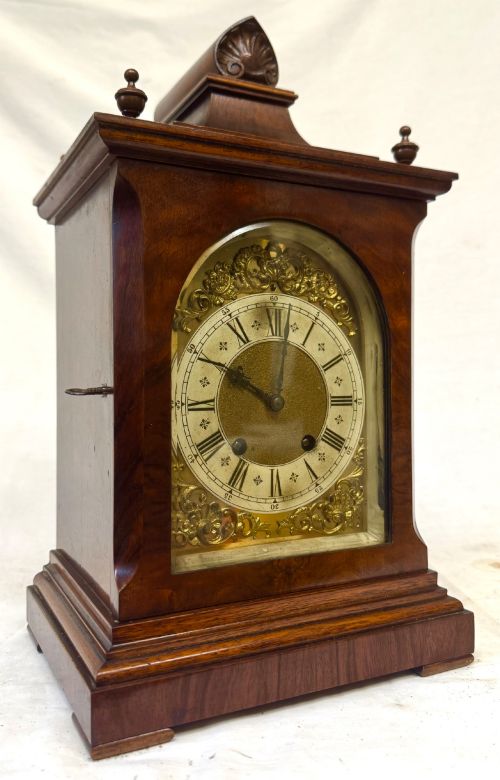
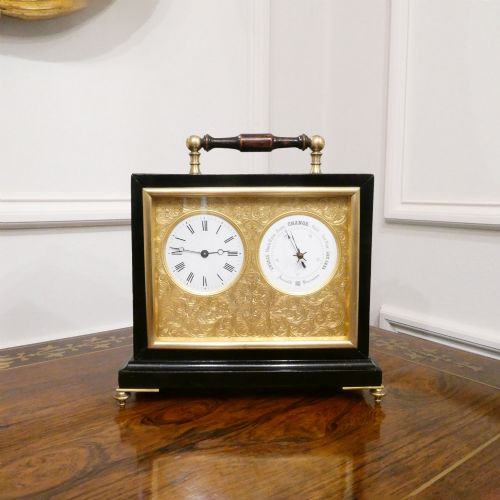
An antique horology table clock encompasses mantel clocks, bracket clocks, carriage clocks, and desk clocks spanning the 17th century through the Edwardian era. Buyers encounter French and English pieces housed in wood, brass, or gilt bronze.
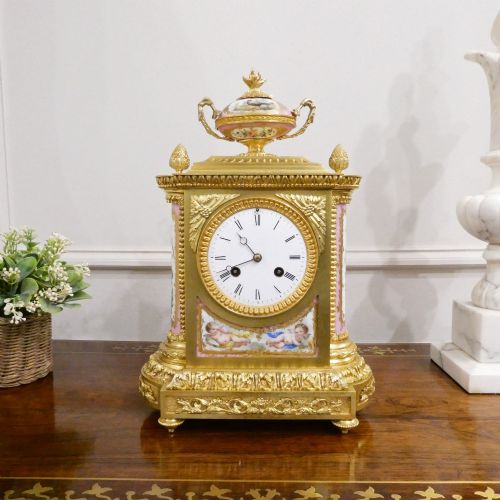
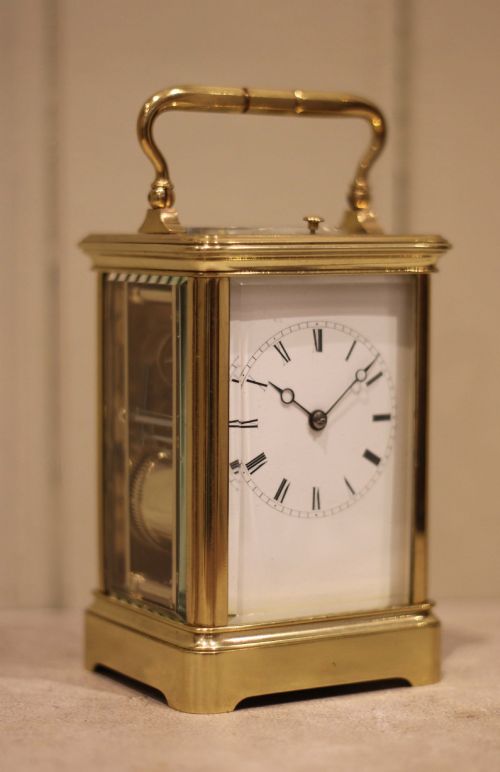
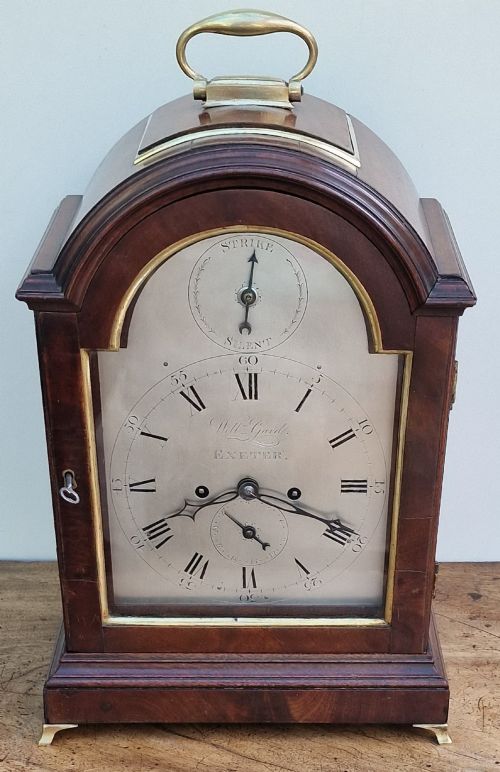
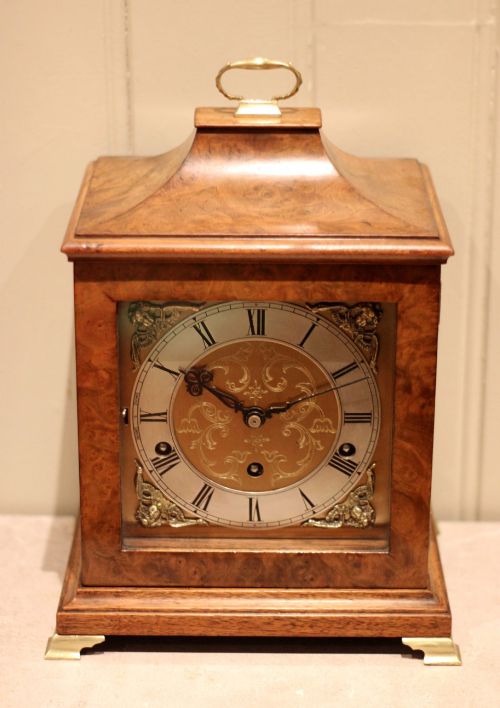
Mantel clocks and bracket clocks dominate the selection, often featuring striking or repeating mechanisms designed for domestic use. Carriage clocks provide portable timekeeping encased in bevelled glass and brass frames.
The objects derive from Georgian, Victorian, and Edwardian workshops, alongside continental French and German makers. Materials range from mahogany and ebonised wood to ormolu, porcelain, and tortoiseshell.
How they were made
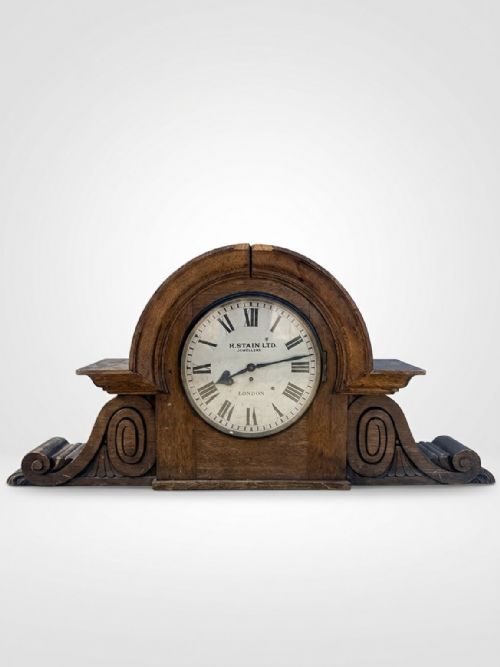
Horology of this calibre relies upon brass and steel movements housed within cases constructed from timber such as mahogany, walnut, oak, and ebony. Metal components include cast brass, ormolu, and gilt bronze, frequently paired with silvered dials and enamel chapter rings.
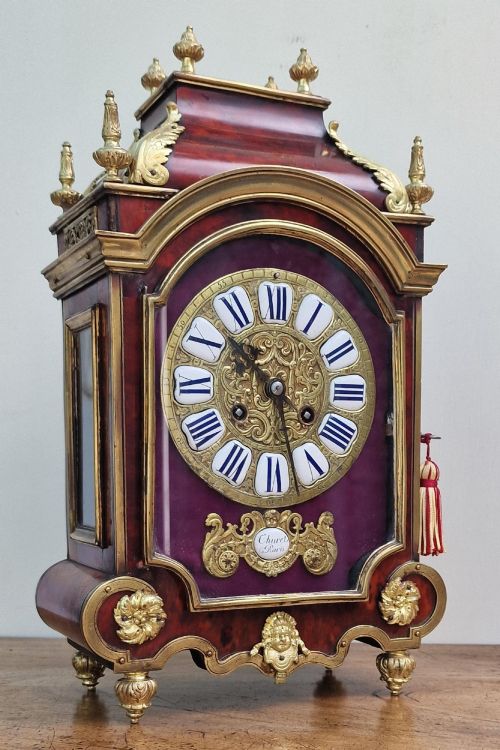
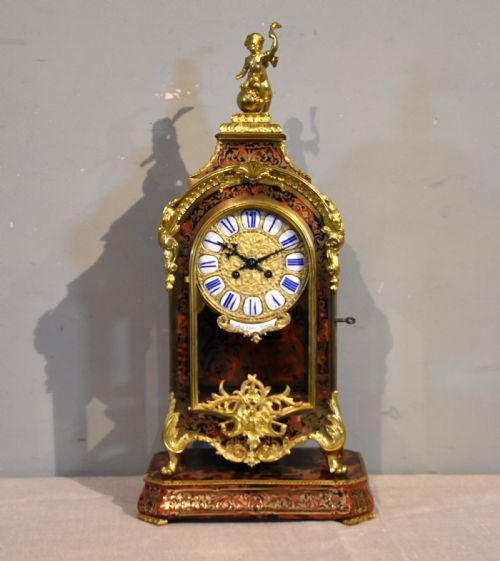
Decorative cases incorporate specialised techniques like Boulle marquetry, tortoiseshell application, pewter inlay, and porcelain panel mounting. Movements utilise complex gear trains, double fusee systems, and pendulum or balance spring regulation.
The documented periods span the late seventeenth century through the Edwardian era, including Victorian, Georgian, and Regency examples.
What varies in quality
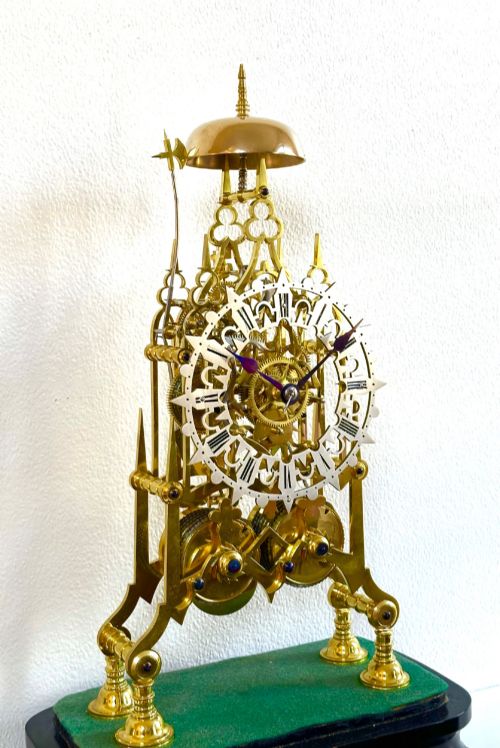
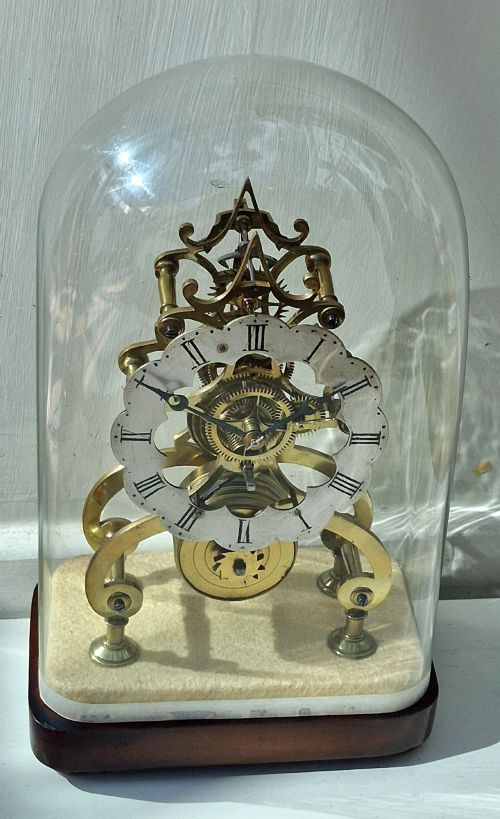
Quality rests in the intricacy of the internal movement and the execution of the case work. Fine examples demonstrate sophisticated complications like quarter striking, repeat mechanisms, or skeletonised gear trains visible beneath glass domes.
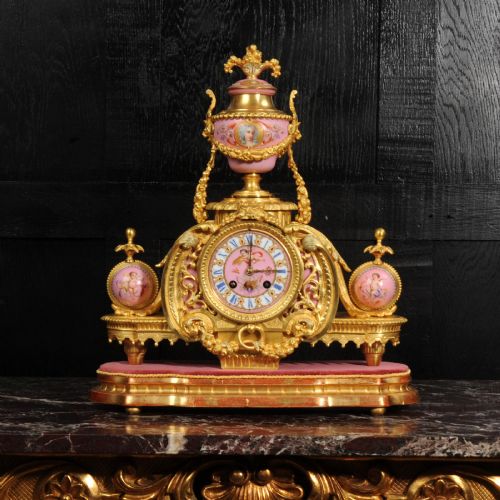
The material finish dictates distinction, separating standard brass housings from heavily chased ormolu, hand-painted Sèvres porcelain, and meticulous wood veneers. Signature marks from notable London and Paris makers further elevate the standing of a piece.
Jean-Baptiste Delettrez·Achille Brocot·Lenzkirch·Thuret·William Gard·Mappin & Webb·L. Vick·Le Roy·Antoine Redier·Sir John Bennett·David Veasey·Liberty & Co·Turner·Latshea & Sons·John Witherston·John Pepys·William Speakman
The Antique Horology Table Clock Glossary
- Bracket clock
- A portable spring-driven clock originally designed to sit upon a matching wall bracket. These timepieces typically feature sturdy wooden cases with carrying handles.
- Carriage clock
- A small, spring-driven timekeeper developed for travel, enclosed in a brass frame with glass panels. Many include alarm or repeating functions.
- Skeleton clock
- A timepiece with an open framework that exposes the gear train and movement to view. They are frequently displayed beneath glass shades.
- Fusee
- A conical pulley used in spring-driven clocks to equalise the diminishing power of the mainspring as it unwinds. This mechanism ensures consistent timekeeping.
- Ormolu
- Gilt bronze ornamentation applied to furniture and clock cases. The technique involves coating bronze in a finely ground gold-mercury amalgam and heating it.
Antique Horology Table Clock: Frequently Asked Questions
How do I wind a table clock?
Winding requires inserting the appropriate key into the dial arbor and turning it gently until resistance is met. Care must be taken not to overwind the mainspring.
Most mechanical clocks require attention at regular intervals, such as weekly or daily depending on the fusee or spring barrel configuration.
What is a striking clock?
A striking clock sounds the hours or fractions of hours automatically using a bell or gong internal system. This acoustic feature served practical timekeeping needs before widespread artificial lighting.
Some advanced models include repeating mechanisms that chime the last elapsed hour upon demand via a pull cord or button.
How do I identify a carriage clock?
Carriage clocks present rectangular brass frames inset with bevelled glass windows and a pivoting handle on top. They originated as portable timepieces for travellers.
Nineteenth-century examples often arrive in fitted leather travel cases and utilise platform escapements rather than pendulums.
Where should I place a bracket clock?
Bracket clocks need a stable, level surface away from direct sunlight, draughts, and damp environments. A sturdy sideboard or dedicated wall shelf provides adequate support.
Proper placement ensures the pendulum or balance wheel operates evenly without disrupting the beat of the movement.