




Antique Horology Desk Clock
These antique horology desk clock pieces offer precise mechanical timekeeping encased in brass, glass, and mahogany, bringing period craftsmanship directly to any room.

Antique Horology Desk Clock
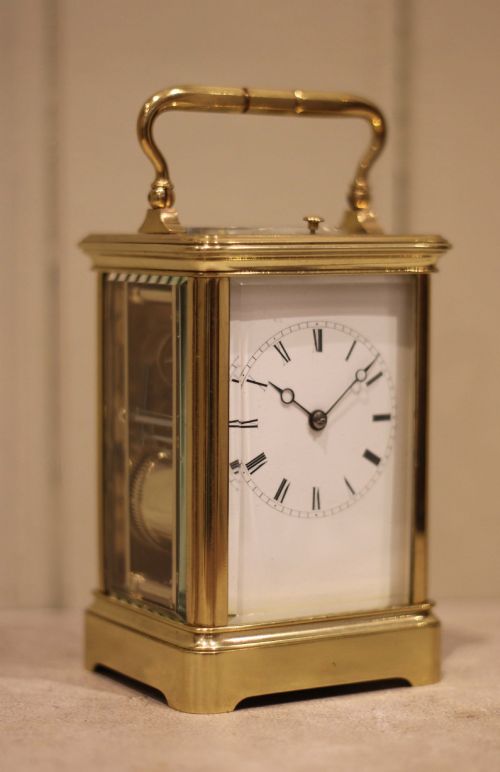
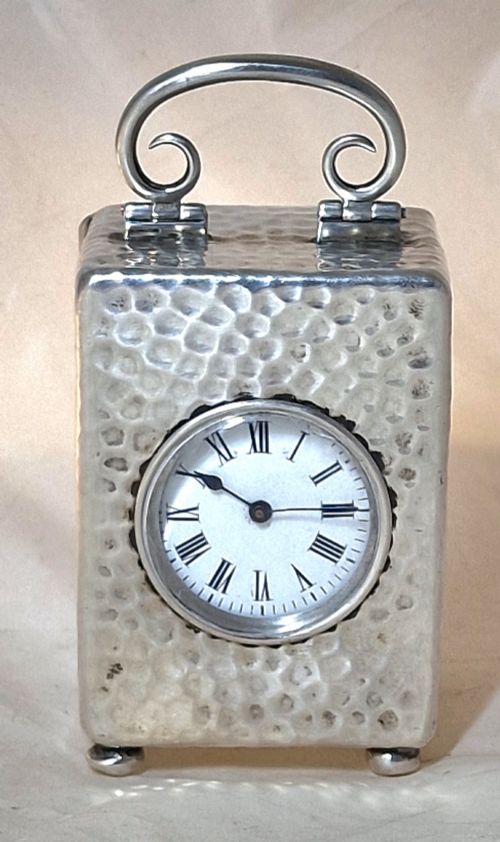
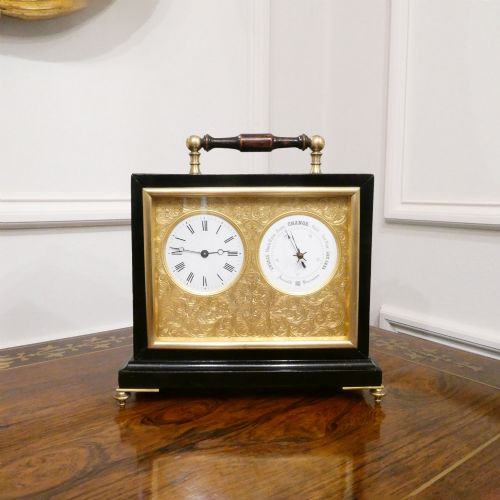
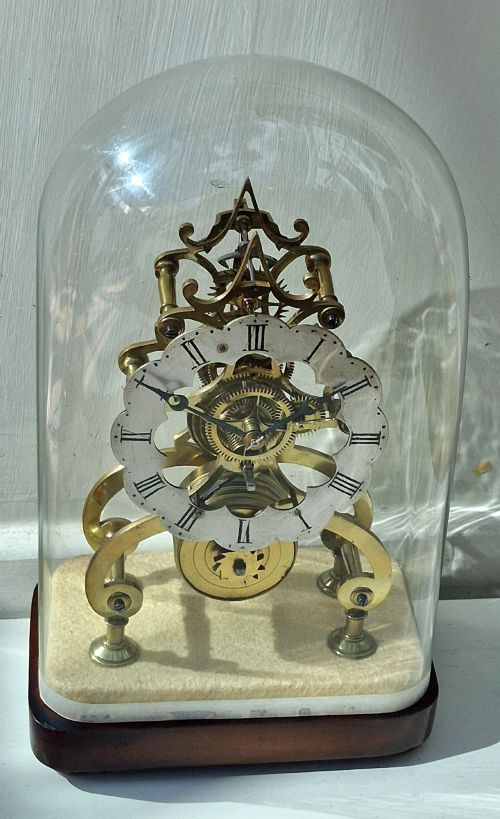
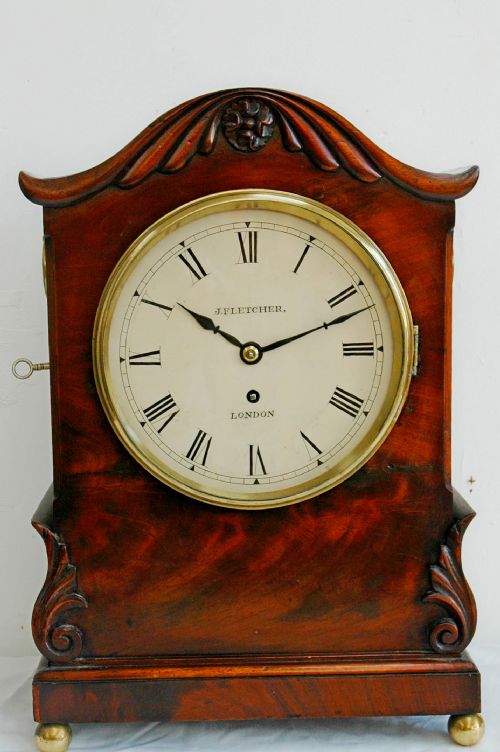
An antique horology desk clock encompasses portable and mantel timepieces produced across the Victorian, Edwardian, and nineteenth-century periods. These objects range from heavy brass carriage clocks designed for travel to mahogany bracket clocks and decorative glass-cased mantel pieces.
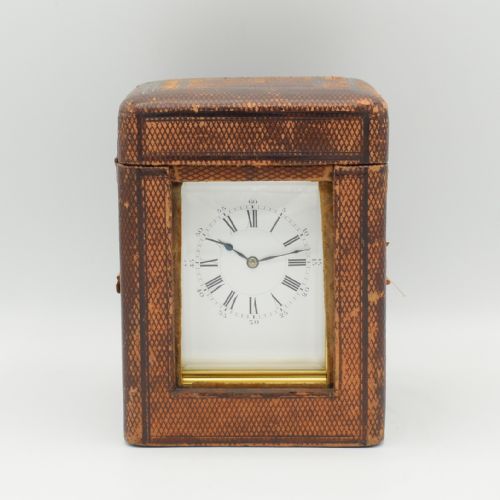
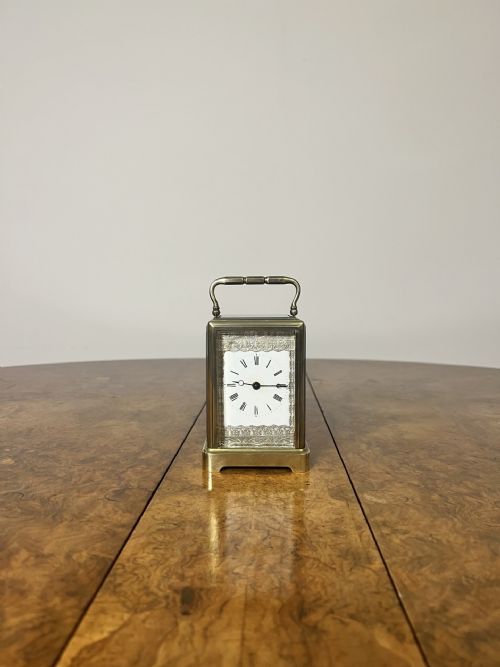
Carriage clocks and brass-framed timepieces dominate the available selection, reflecting nineteenth-century French and British workshop output. Buyers frequently encounter pieces featuring enamel dials, striking movements, and travel cases originating from the eighteen-eighties and eighteen-nineties.
Materials and construction methods
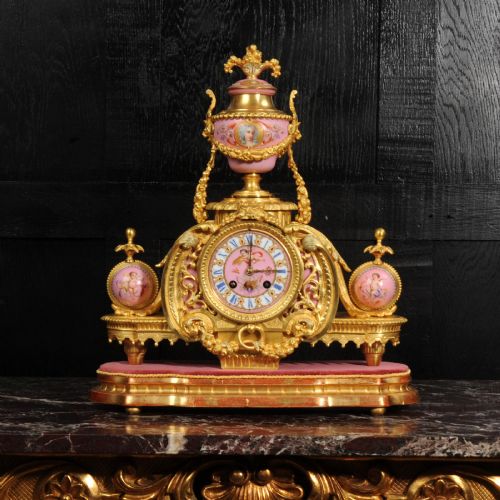
Horological pieces rely on heavy cast brass, gilt bronze, and ormolu housings fitted with bevelled glass panels to showcase internal gear trains. Cabinets incorporate woods such as mahogany, satinwood, and ebonised timber alongside hand-carved linden wood.
Dials employ white enamel with Roman numerals, paired with fine blued steel hands and precision mechanical movements driven by springs and fusee chains. Decorative elements include Sèvres porcelain plaques, cast brass mounts, and pewter accents.
Listings span the Victorian, Edwardian, and Regency periods, featuring materials from glass and brass to mahogany and ormolu.
Distinctions in craftsmanship and execution
Quality rests in the precision and complexity of the movement, separating standard timepieces from repeating and chiming mechanisms produced by renowned makers. Heavy gauge brass gorge cases and substantial bronze castings indicate superior original manufacture.
The crispness of chased ormolu mounts, the presence of original leather travel cases, and intact enamel dials without hairline fractures define the upper tier of surviving horological pieces.
Achille Brocot·Henri Jacot·Mappin & Webb·Drocourt Paris·Antoine Redier of Paris·Sir John Bennett·David Veasey for Liberty & Co·Turner of London·Latshea & Sons Edinburgh·L Epee·J Batson & Son·Bergen & Co·John Barwise of London
The Antique Horology Desk Clock Glossary
- Carriage clock
- A portable spring-driven timekeeper originally designed for travelling gentlemen during the nineteenth century. These clocks usually feature a rectangular brass case with glass sides and a pivoting handle on top.
- Gorge case
- A stepped rectangular brass housing commonly found on high-grade carriage clocks. This design provides structural rigidity while framing the internal movement through glass panels.
- Fusee
- A conical pulley connected to the mainspring by a cord or chain that equalises the torque as the spring unwinds. This mechanism ensures consistent timekeeping accuracy throughout the power reserve.
- Ormolu
- Finely ground high-carat gold mercury-gilded onto a bronze or brass base. The technique creates a durable, warm metallic finish seen on decorative mounts of period French clocks.
- Striking movement
- A mechanical system that audibly marks the passage of hours or half-hours on a bell or gong. More complex versions include repeaters that sound the last elapsed time on demand.
Antique Horology Desk Clock: Frequently Asked Questions
How do I wind a mechanical carriage clock?
Insert the matching key into the winding square located on the backplate or underside of the movement. Turn it gently clockwise until firm resistance indicates the mainspring is fully tensioned.
Avoid over-winding the mechanism, as this can strain the internal spring. Regular maintenance and careful handling keep the gear train operating smoothly over decades.
What is the difference between a timepiece and a clock?
In horological terms, a timepiece simply indicates the current hour and minute without any striking or chiming mechanism. A clock includes additional functional complications such as an alarm, striking train, or repeater.
Both types share the same precision gear trains and escapements. The choice depends entirely on whether you prefer silent operation or audible time signals.
How can I identify a French carriage clock from a British one?
French carriage clocks from the nineteenth century typically feature platform escapements visible through the top glass and use numbered index levers for regulation. British examples often incorporate fusee movements and distinct hallmark stamps on silver cases.
Examining the backplate and interior framing reveals the specific manufacturing traditions of Parisian workshops versus London makers.
Where should I place a desk clock in my home?
Select a stable, level surface away from direct sunlight, heating vents, and damp areas that could affect wooden cases and delicate enamel dials. Desks, mantelpieces, and library shelves provide ideal display locations.
Ensure the clock rests firmly without rocking to keep the pendulum or balance wheel beating evenly.