

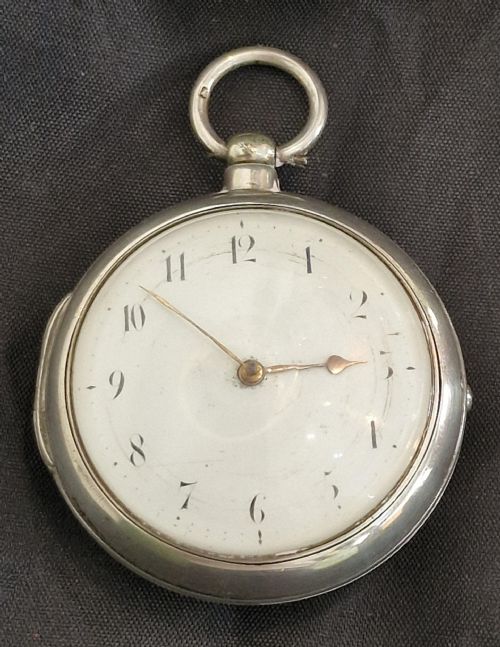


Antique Horology Collectibles
Antique horology collectibles bring together centuries of mechanical mastery and precision design, offering functional art that appeals to every serious horologist.

Understanding antique horology collectibles
When buyers search for antique horology collectibles, they encounter a diverse array of timekeeping devices spanning multiple centuries and distinct design movements. The selection encompasses portable pocket watches alongside substantial mantel and floor-standing pieces.
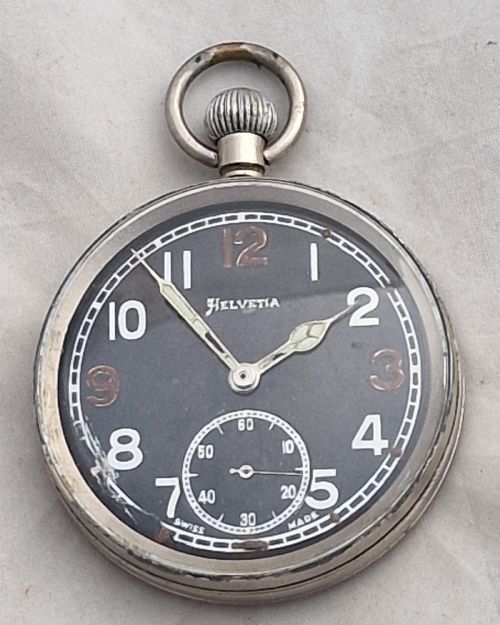
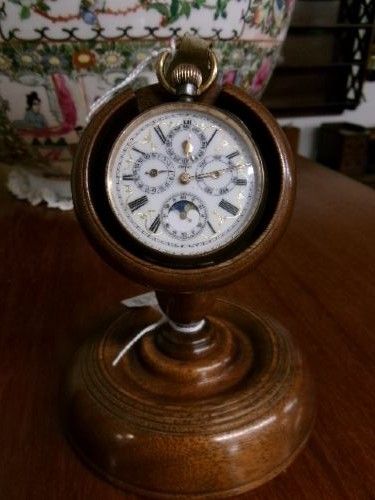
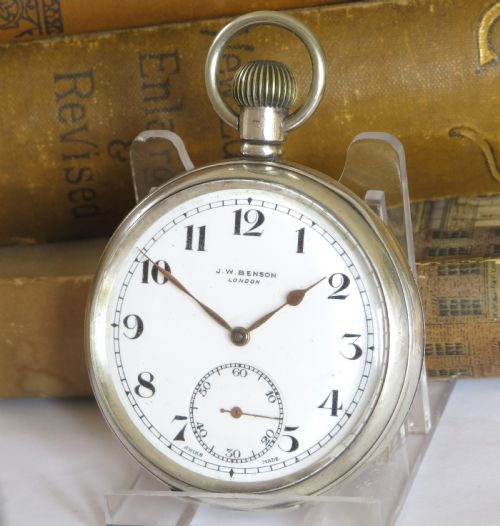
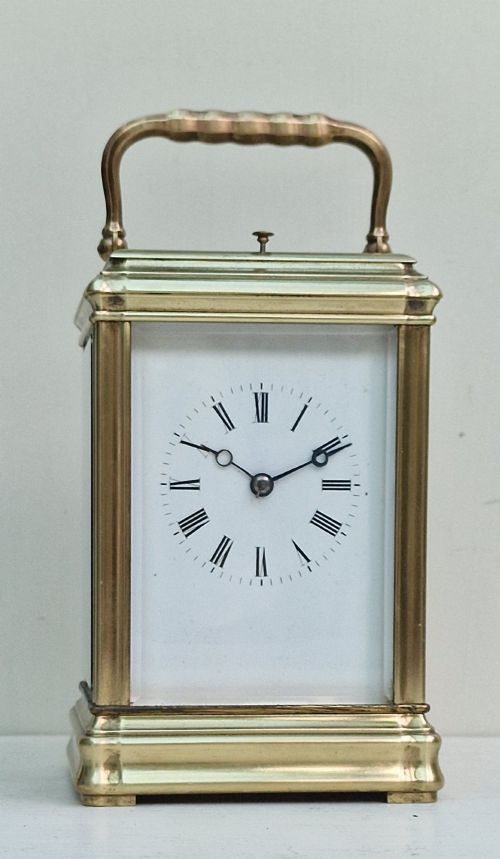
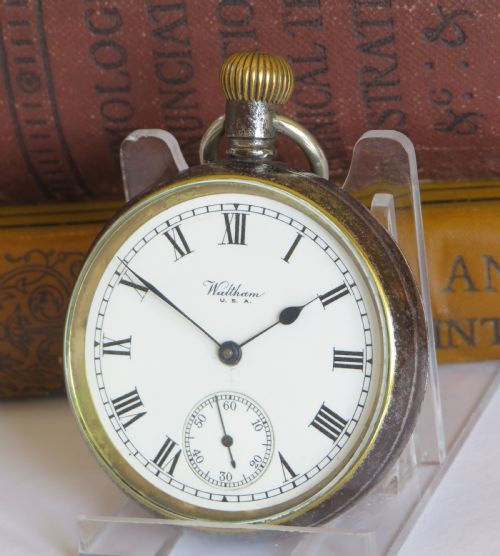
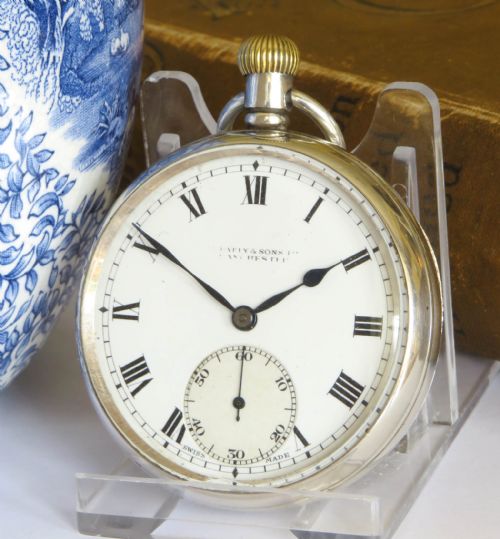
Most items on this page lean towards portable timepieces and precision carriage clocks. Pocket watches from the early twentieth century sit alongside nineteenth-century French striking mechanisms.
Materials and construction
Construction relies heavily on traditional metalworking techniques, utilising brass, steel and silver to form durable internal gears and protective outer cases. Glass and enamel frequently appear to safeguard delicate dials and expose intricate escapements.
Casing materials demonstrate high standards of craftsmanship, incorporating luxury timbers such as burr walnut and fitted leather travel boxes. Metal components undergo careful finishing to ensure reliable mechanical movement over generations.
Retail Price Guide 2026
Typical UK retail prices for horology collectibles, calculated from the Sellingantiques database of over a million retail prices indexed since 2003. This retail price guide relies exclusively on Sellingantiques data; no external sources or auction records are used, so the figures do not describe the wider market.
Travelling Victorians relied on heavy brass carriage clocks fitted inside custom leather boxes to keep Greenwich Mean Time on the move.
Distinguishing quality
Quality diverges between standard utility timepieces and pieces bearing signatures from notable makers or retailers. Refinement in dial legibility, case embellishment and movement complexity dictates the standing of each piece.
The integration of repeating complications and fine enamel work elevates certain examples above simpler counterparts. Superior material selection in timber veneers and precious metals further separates standard items from exceptional survivals.
Cyma·J W Benson·Waltham·Mappin and Webb·Joseph Windmills
The Antique Horology Collectibles Glossary
- Carriage clock
- A portable spring-driven timepiece designed for travel during the nineteenth century, usually featuring a brass frame and bevelled glass panels.
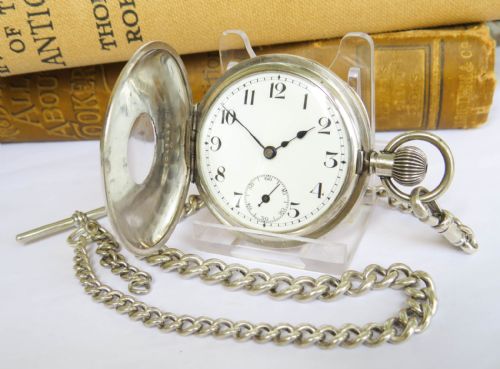
- Pocket watch
- A small timepiece engineered to fit within a waistcoat pocket, often secured with a chain and protected by a hinged silver or metal case.
- Longcase clock
- A tall weight-driven pendulum clock housed in a wooden tower case, commonly known as a grandfather clock.
- Gorge case
- A distinct rectangular carriage clock case style characterised by stepped mouldings and a flat top handle.
Frequently Asked Questions
What is a carriage clock strike mechanism?
A striking mechanism sounds the hours and sometimes quarters automatically using internal gongs or bells as the gear train progresses.
Repeating carriage clocks allow the owner to press a button to manually sound the last elapsed hour upon demand.
How should I care for a burr walnut longcase clock?
Keep the tall timber case away from direct sunlight and fluctuating heat sources to prevent the burr walnut veneer from drying out or cracking.
Maintain the mechanical movement through professional servicing by a qualified horologist every few years.
How do I identify Edwardian timepieces?
Edwardian items date from the early twentieth century and often exhibit refined restraint in their decorative metalwork and dial layouts.
Compare the hallmarks on silver cases and the style of the script on the dial with known production periods to confirm the era.