

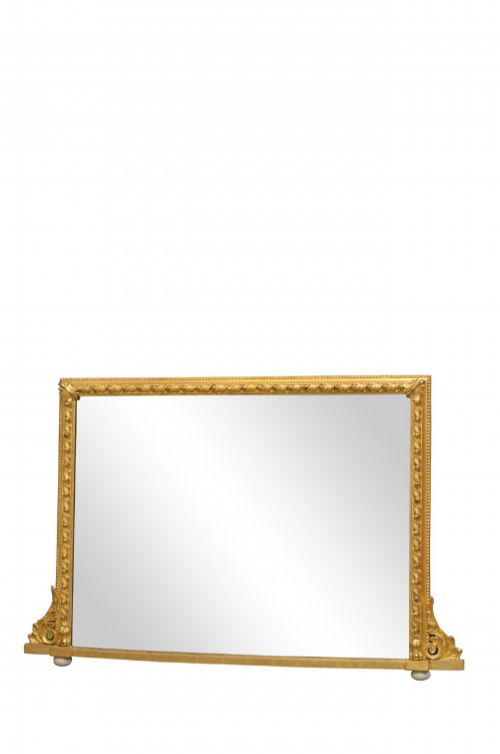


Antique Horizontal Mirror
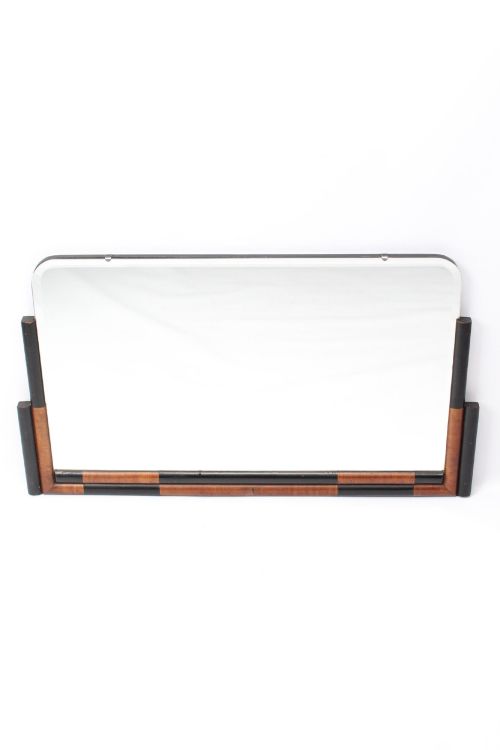
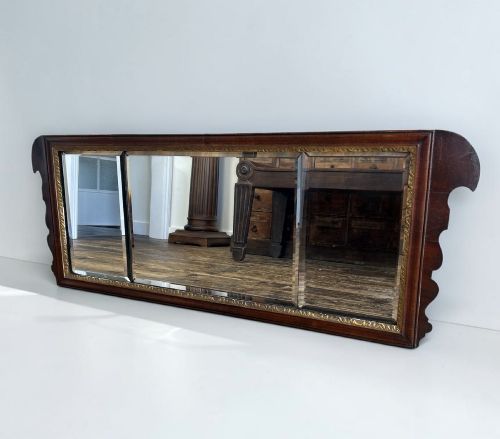
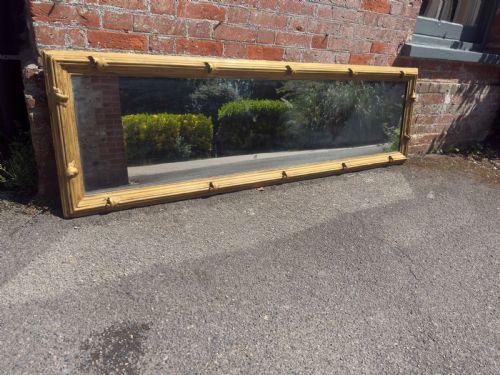
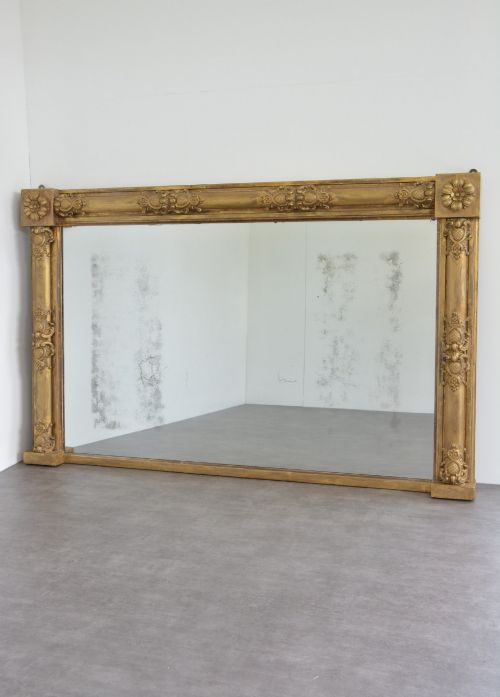
An antique horizontal mirror brings scale and reflection to a room, most often appearing as a broad overmantel or landscape glass.
Antique Horizontal Mirror
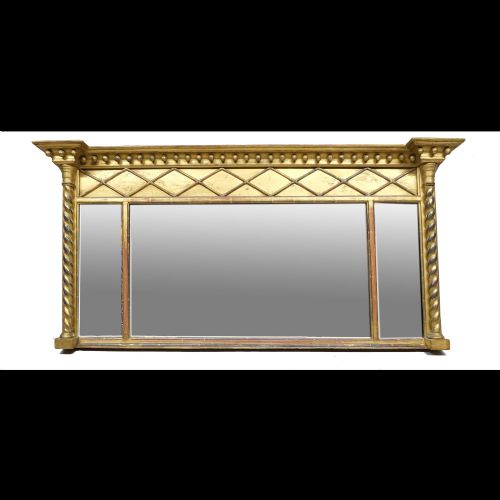
When you search for an antique horizontal mirror, you encounter wide overmantels, landscape formats and triple plate glasses designed to span fireplaces or low sideboards. These pieces stretch across a wall, pulling light deep into the interior and altering the perceived proportions of a room.
The versions you meet most frequently on this page date from the nineteenth century, drawing on Regency, Victorian and Edwardian traditions. Their forms range from large gilded overmantels with multiple plates to simpler oak, walnut and mahogany frames.
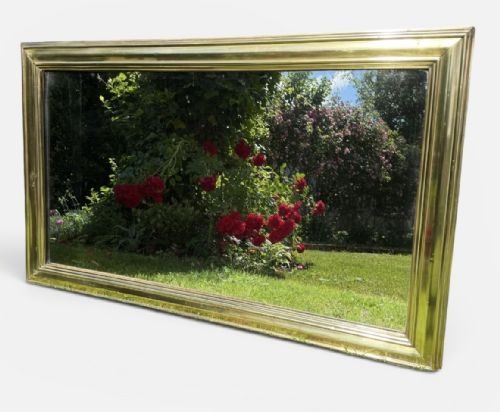
Makers shaped these frames to suit changing domestic interiors, producing tall architectural overmantels alongside long rectangular wall mirrors. You also find specialised forms such as French bistro mirrors and brass or metal framed hanging pieces.
How they were made
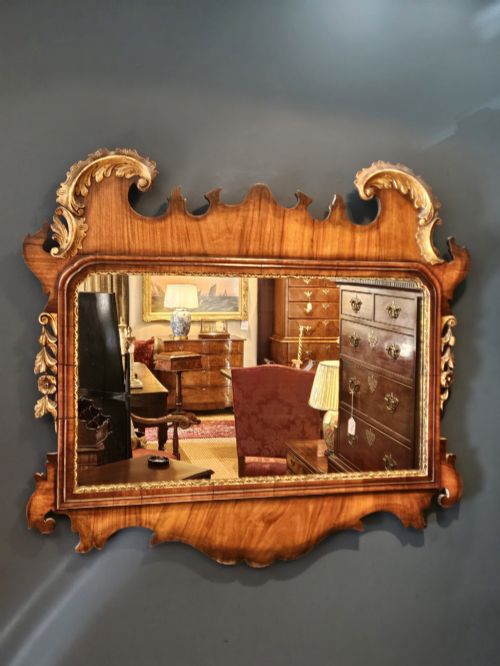
Craftsmen built the underlying structures of these frames from timber such as oak, walnut, mahogany, rosewood and maple. They carved wooden mouldings directly or applied composition ornaments to build up elaborate surface relief.
Makers finished many of these frames with layers of gesso before applying gold leaf, parcel gilt or paint. Mirrors intended for formal rooms often received extensive gilding, while domestic hall and wall mirrors relied on polished wood or simple painted surfaces.
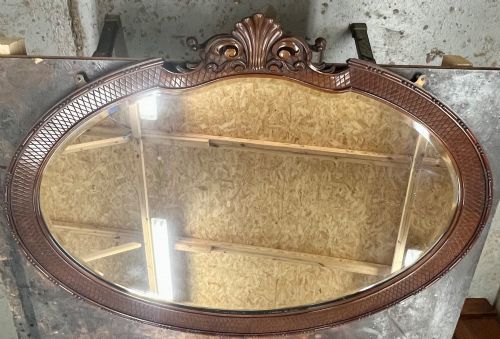
Glass plates were set into the rebates, sometimes featuring bevelled edges or division into multiple sections such as tryptic or triple plate layouts. Foxing and surface ageing naturally developed on the glass over generations of use.
Some nineteenth century mirrors retain the cheerful scuffs of French bistro walls and the gentle freckles of aged foxed glass.
What varies in quality
The distinction between standard domestic mirrors and top tier examples lies in the depth and crispness of the carving and the quality of the original gilding. Finer pieces display hand-carved wooden ornament rather than heavy composition mouldings, with sharp detail retained beneath the gold leaf.
Proportion and glass selection also define the grade of a piece. Better mirrors use substantial, clear plates that offer a truer reflection, whereas lesser examples may show uneven silvering or lower grade secondary timbers in the frame construction.
The Antique Horizontal Mirror Glossary
- Overmantel mirror
- A wide mirror specifically designed to hang on the wall directly above a mantelpiece or fireplace. These pieces often feature landscape proportions to match the width of the hearth below.
- Giltwood
- Timber carved and coated with gold leaf over a prepared ground. It provides a bright, reflective surface that catches natural light in a room.
- Gesso
- A plaster mixture applied to wood frames to create a smooth surface for gilding or painting. It allows craftsmen to model intricate decorative details.
- Foxing
- Small dark spots and speckles that develop within the silver backing of older mirror glass over time. This natural ageing indicates original vintage glass.
- Tryptic
- A mirror composed of three distinct glass plates set side by side in a single frame. This format divides the reflection into sections.
- Parcel gilt
- A finish where only specific carved details of a painted or wood frame are highlighted with gold leaf. This creates a contrast between the wood or paint and the gilded highlights.
Antique Horizontal Mirror: Frequently Asked Questions
Where should an overmantel mirror hang?
An overmantel mirror hangs directly above a fireplace mantel, anchored securely to the wall to support its weight. It sits low enough to reflect the room rather than just the ceiling.
Positioning the glass at this height allows it to bounce light across seating areas and create a focal point in reception rooms.
How do I clean antique mirror glass?
Clean antique mirror glass gently with a soft cloth and a minimal amount of mild, non-ammonia cleaner. Avoid spraying liquid directly onto the glass to prevent moisture seeping behind the silvering.
Wiping the surface with care preserves the fragile original plate and protects any foxing from further deterioration.
What is a parcel gilt finish?
A parcel gilt finish combines painted or polished wood surfaces with selective areas of gold leaf. Craftsmen applied the gold only to raised carved details to add emphasis.
This technique creates a subtle contrast across the frame without the overwhelming brilliance of full gilding.
Can I hang a heavy horizontal mirror safely?
Hanging a heavy horizontal mirror requires fixing directly into wall studs or using heavy-duty masonry anchors suited to the weight. Overmantels and large giltwood frames carry considerable mass.
Using proper weight-rated brackets and wire ensures the piece remains secure against the wall surface over time.