


Antique Home Bar Cabinet
An antique home bar cabinet brings the refined hospitality of the twentieth century straight into a modern entertaining space.

Antique Home Bar Cabinet
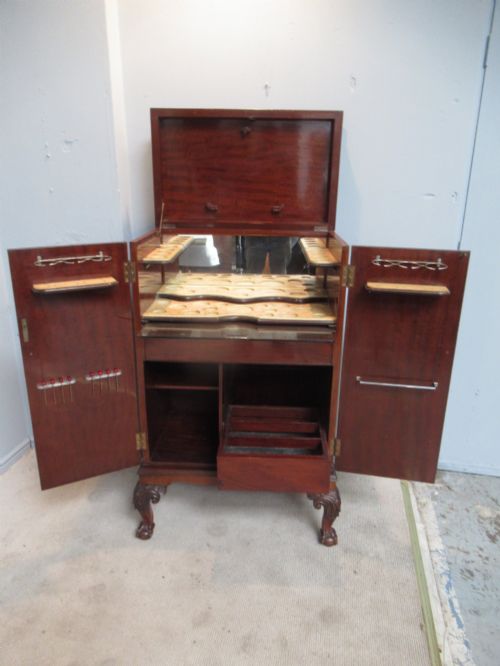
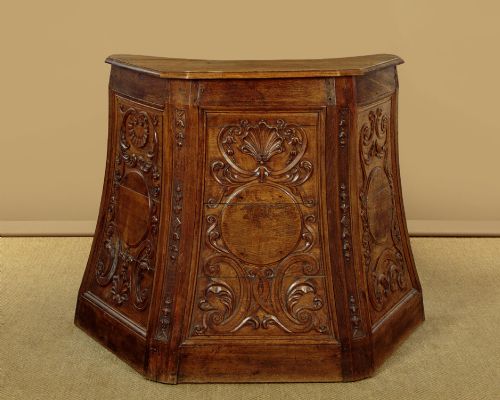
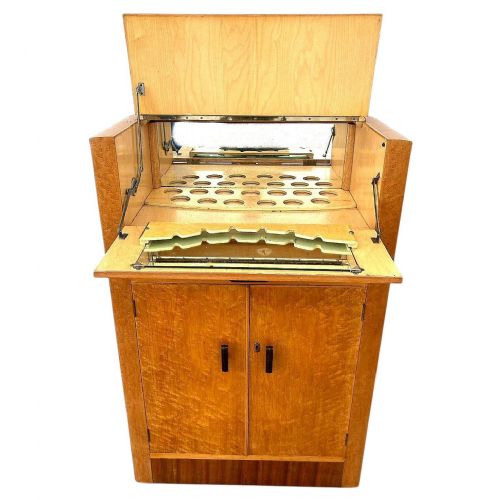
An antique home bar cabinet serves as a dedicated vessel for storing bottles, glassware, and mixing equipment while anchoring a room with period character. When you search for an antique home bar cabinet, you will encounter diverse forms ranging from fitted drinks furniture to substantial timber front and back bars.
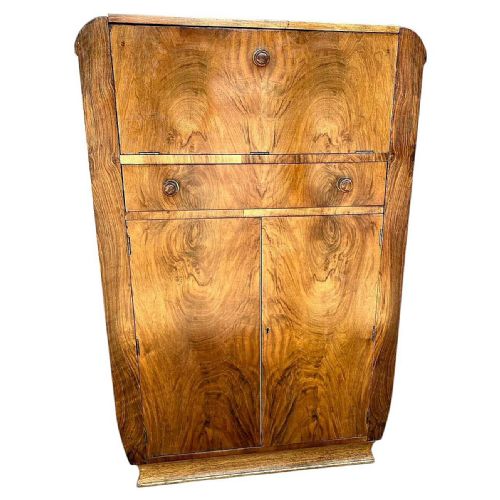
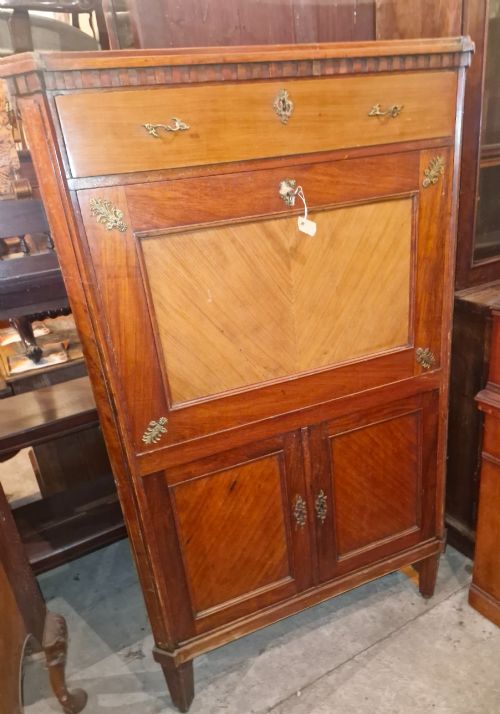
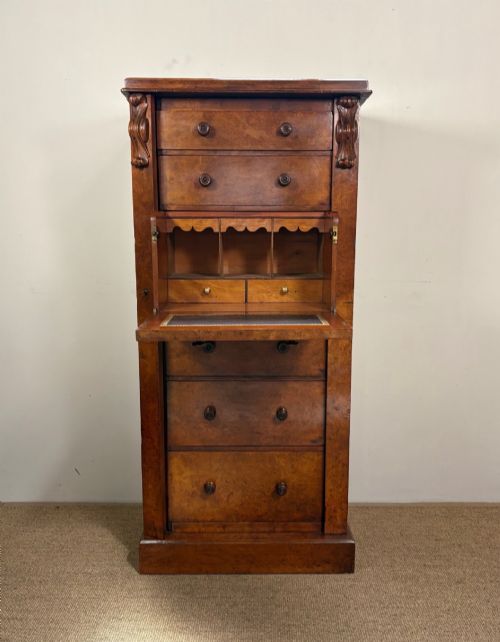
The twentieth-century examples dominate the selection, particularly pieces originating from the 1920s and 1930s in streamlined Art Deco or revived traditional styles. Alongside these specialised drinks and cocktail cabinets, the listings include occasional repurposed forms like secretaire chests and bookcases adapted for entertaining.
Period influences span from Victorian and 19th century designs through to Queen Anne, Chippendale, and William & Mary revivals. Woods such as walnut, burr walnut, and oak form the structural backbone of these sociable pieces.
Materials and construction
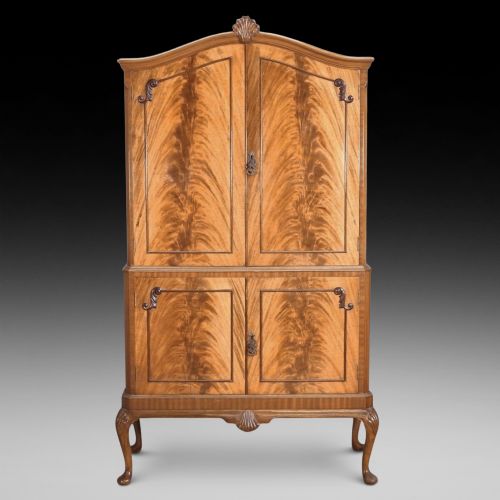
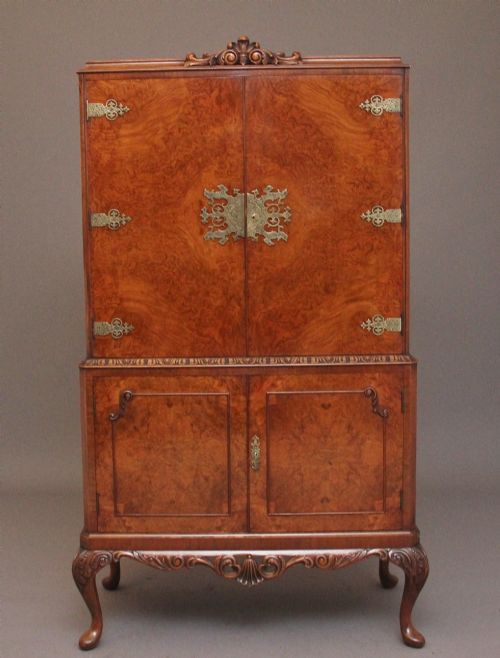
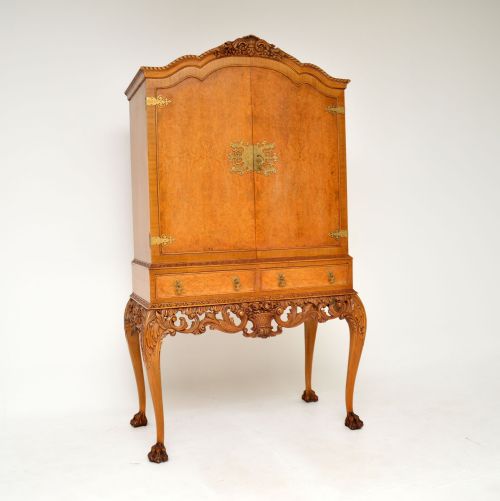
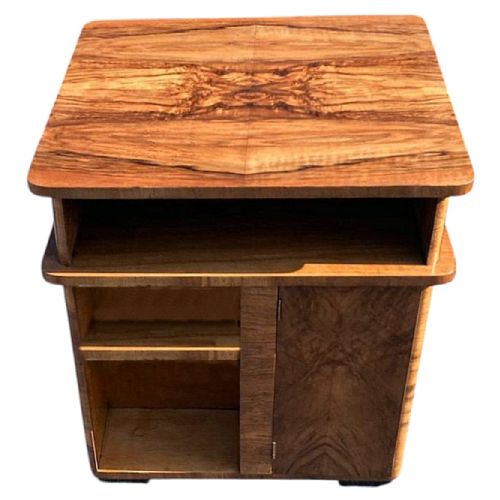
Makers utilised rich hardwoods and decorative veneers, selecting burr walnut, figured walnut, mahogany, oak, and bird's-eye maple for their striking grain patterns. These timbers were expertly applied to carcases, sometimes accented with contrasting black lacquer.
Functional interior fittings relied on durable metals and specialised hardware, incorporating brass handles, chrome details, and mirrored glass backings. Glass tops and internal shelving provided practical surfaces for preparing drinks.
Some 1930s cabinets cleverly hide their cocktail function behind polite bookcase doors until guests arrive.
Assessing quality in drinks furniture
The distinction between standard examples and exceptional pieces rests upon the choice of timber veneer and the precision of cabinetmaking. Matched burr walnut veneers carefully wrapped around double bow fronts demand high levels of joinery skill.
Attribution to notable workshops elevates a piece, as demonstrated by documented examples from makers such as H&L Epstein or Waring & Gillows. Original internal mirrors, intact glass shelves, and well-preserved mechanical fittings also separate superior cabinets from ordinary ones.
H&L Epstein·Harry and Lou Epstein·Waring & Gillows
The Antique Home Bar Cabinet Glossary
- Art Deco
- A design style characterised by sleek geometric shapes, streamlined forms, and modern materials that gained immense popularity during the 1920s and 1930s. Pieces from this era often utilise blonde maple, walnut, and black lacquer.
- Secretaire
- A piece of furniture containing a pull-down writing flap that conceals small drawers and pigeonholes. In drinks cabinets, this compartment frequently adapts to serve as a drop-down mixing surface.
- Queen Anne Revival
- A decorative style popular in the early twentieth century that mimics the curved lines, cabriole legs, and understated elegance of early eighteenth-century English furniture. Cabinets in this style often pair traditional silhouettes with internal bar fittings.
Antique Home Bar Cabinet: Frequently Asked Questions
What is an antique home bar cabinet?
An antique home bar cabinet is a specialised piece of furniture designed specifically for housing bottles, glassware, and cocktail accessories. These pieces range from compact 1930s drinks cabinets to large nineteenth-century room bars.
They combine practical storage compartments with decorative cabinetry, making them both functional stations for entertaining and striking focal points in a reception room.
How were antique cocktail cabinets used?
These cabinets served as private reserves for hosting guests during the height of the cocktail era in the early twentieth century. The drop-down doors often functioned as preparation ledges for mixing drinks.
Inside, holders for glassware and mirrored interiors provided a theatrical backdrop for serving spirits before dinner.
How do I date a drinks cabinet?
Dating relies heavily on stylistic markers, construction methods, and materials. Pieces from the 1920s and 1930s frequently display Art Deco geometries or burr walnut veneers.
Victorian and nineteenth-century examples tend to feature heavier carved timber, traditional brass hardware, and more sombre structural silhouettes.
Where should I place a bar cabinet?
A bar cabinet suits dining rooms, sitting rooms, or home libraries where social entertaining takes place. Ensure there is adequate floor space around the cabinet for doors or drop-down flaps to open fully.
Positioning the piece away from direct sunlight protects delicate wood veneers and antique mirrors from fading.