






1930s Dry Bar
A 1930s dry bar brings serious glamour to the room, housing your spirits and glassware in style.
1930s Dry Bar
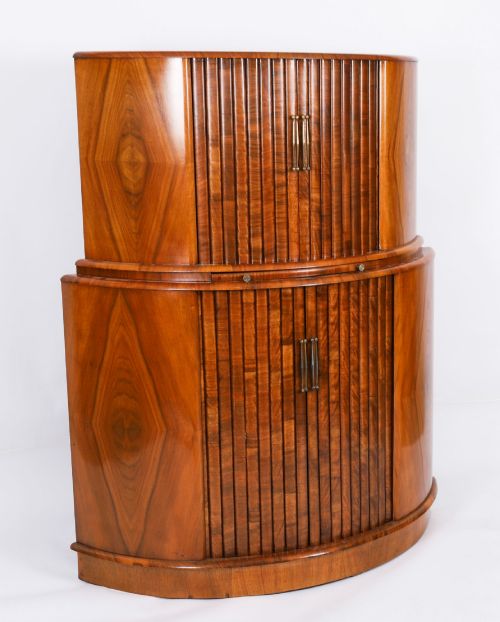
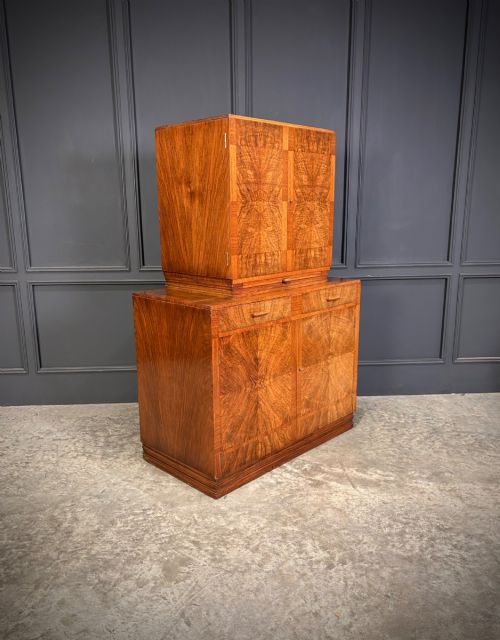
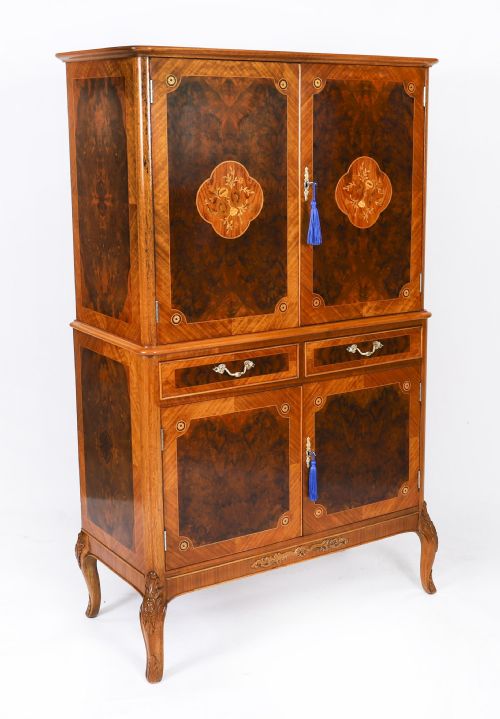
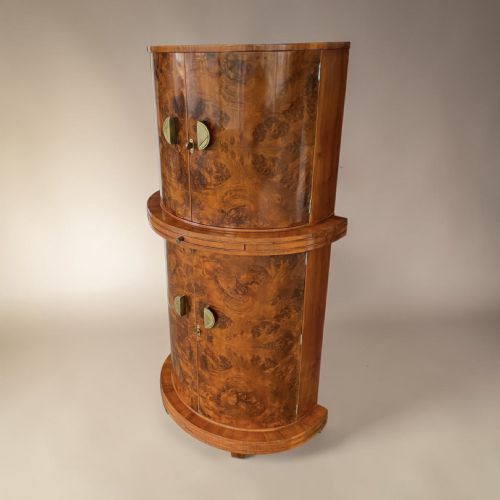
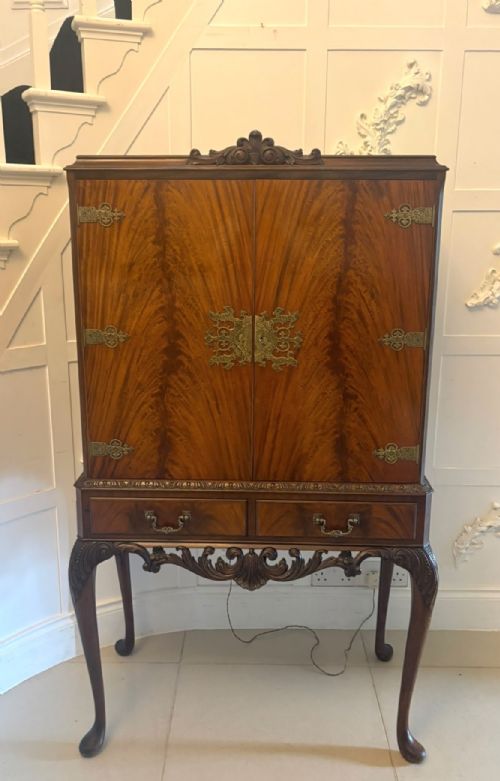
When searching for a 1930s dry bar, you encounter cocktail cabinets, drinks cabinets, and cocktail tables designed for entertaining. These pieces hail primarily from the 1930 period, with examples also appearing from the 1920 and 1940 periods.
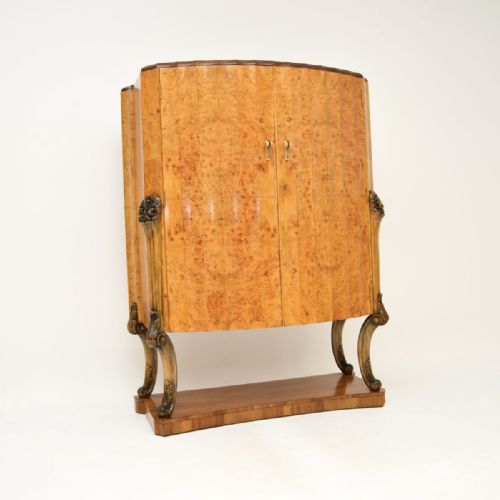
The dominant style on this page is Art Deco, alongside occasional Queen Anne Revival forms. Most versions take the form of substantial freestanding cabinets or sideboards made to house bottles and glasses.
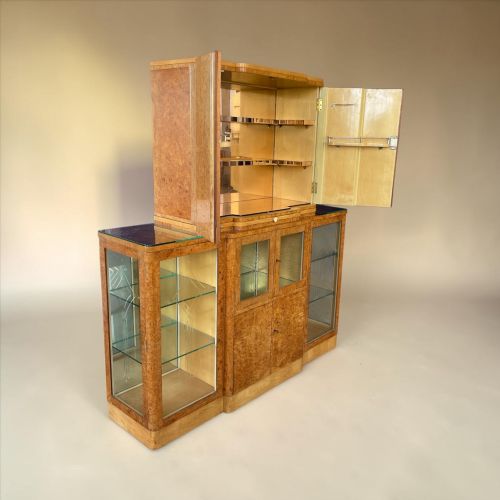
English origins feature strongly among these cocktail cabinets and drinks cabinets. You will frequently find fitted interiors designed specifically for serving drinks during gatherings.
Materials and construction
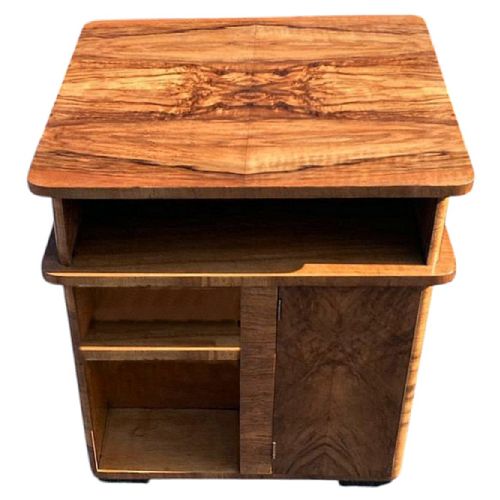
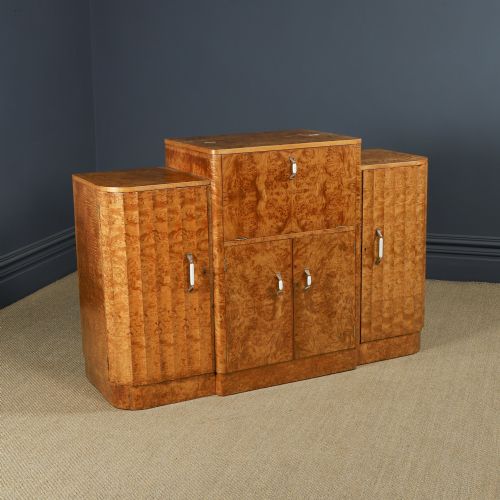
Cabinet makers utilised rich timbers such as burr walnut, walnut, walnut veneer, bird's-eye maple, figured mahogany, satinwood, and oak. These woods were often laid out in striking grain patterns and marquetry designs.
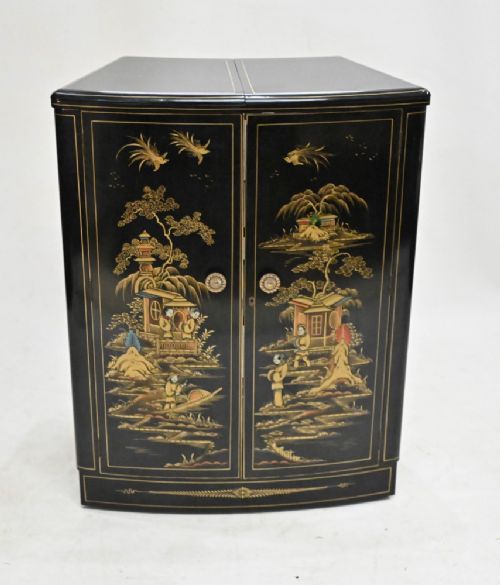
Glass, mirror, brass, chrome, and bakelite provide the functional and decorative interior elements. Lacquered chinoiserie finishes also appear, adding contrasting surface decoration to the wooden frames.
1930s Dry Bar Retail Price Guide 2026
Typical asking prices for 1930s dry bar among the pieces listed under this phrase on Sellingantiques today, from the lower quarter to the upper quarter. They describe what is for sale here now, not the wider market.
Listings span the 1920, 1930, and 1940 periods, demonstrating how cabinet design evolved through the interwar years.
Assessing quality in these cabinets
The distinction between standard pieces and the finest examples rests on the choice of timber veneer and the execution of the cabinetwork. Burr walnut and bird's-eye maple require exceptional skill to select and match across large doors.
Makers known for high-end production incorporate intricate internal fittings, integrated electric lighting, and superior metalwork in brass or chrome. Simpler carcases rely on clean geometric lines rather than elaborate secondary materials.
George Serlin & Sons·Harry and Lou Epstein·Maurice Adams·Hille
The 1930s Dry Bar Glossary
- Burr walnut
- A prized timber harvested from walnut tree growths, displaying swirling, highly decorative grain patterns. It is frequently utilised on the primary doors of Art Deco cocktail cabinets.
- Art Deco
- A design movement spanning the interwar years characterised by sleek geometric shapes, stylised motifs, and modern industrial materials. This style defines the vast majority of pieces here.
- Chinoiserie
- European decorative style inspired by Chinese artistic traditions, featuring hand-lacquered scenes. It appears on selected cabinets as an ornate surface finish.
- Veneer
- A thin layer of fine wood applied over a secondary timber carcase to create decorative patterned surfaces. Walnut veneer allows makers to display striking grain matching without solid timber costs.
- Bakelite
- An early form of synthetic plastic used for handles, fittings, and small details. Its presence denotes authentic mid-century manufacturing methods.
1930s Dry Bar: Frequently Asked Questions
What is a 1930s dry bar used for?
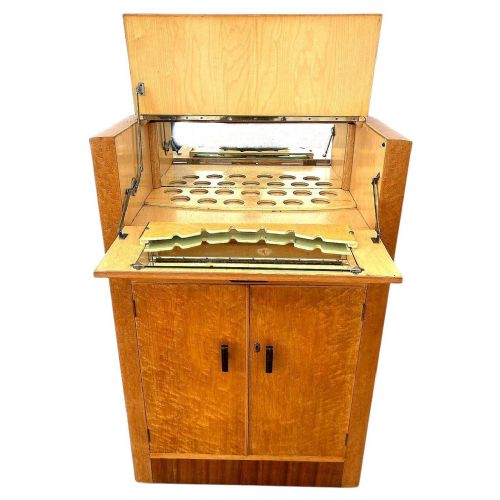
These pieces function as dedicated storage stations for bottles, shakers, and glassware during home entertainment. Many include pull-down flaps or mirrored interior ledges that serve as preparation counters for mixing drinks.
Inside, you typically find specific racks for stemware, holders for tumblers, and sliding shelves designed to keep everything organised for hosting guests.
How do I identify an Art Deco dry bar?
Art Deco cabinets display clean geometric silhouettes, symmetrical burr walnut or maple veneers, and polished chrome or brass hardware. The overall aesthetic prioritises streamlined modern elegance over traditional ornamentation.
Look for waterfall edges, tiered top sections, and contrasting wood tones that emphasise the structured architectural lines typical of the period.
How do I care for walnut veneer surfaces?
Walnut veneer requires protection from direct sunlight and excessive moisture to prevent fading and lifting of the wood. Dust regularly with a dry cloth and apply occasional specialist furniture wax to maintain the sheen.
Avoid placing drinks directly on the wooden top surfaces without coasters, as alcohol and condensation can mark the polished finish.