

Antique Historic Wall Painting
Antique historic wall painting brings centuries of portraiture and maritime scenes into domestic spaces.
Antique Historic Wall Painting
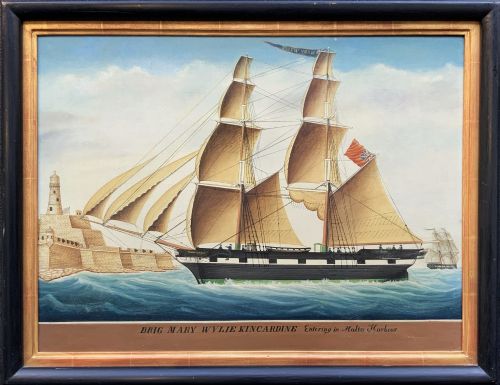
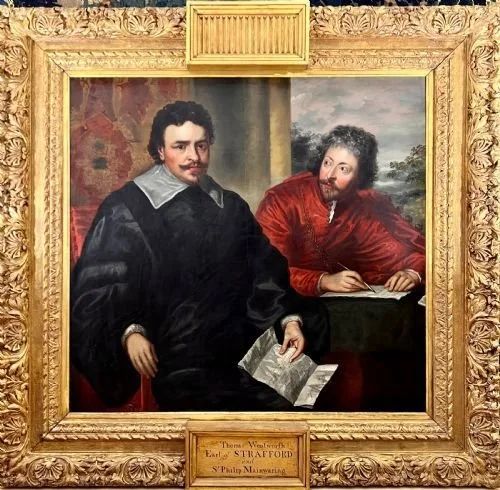
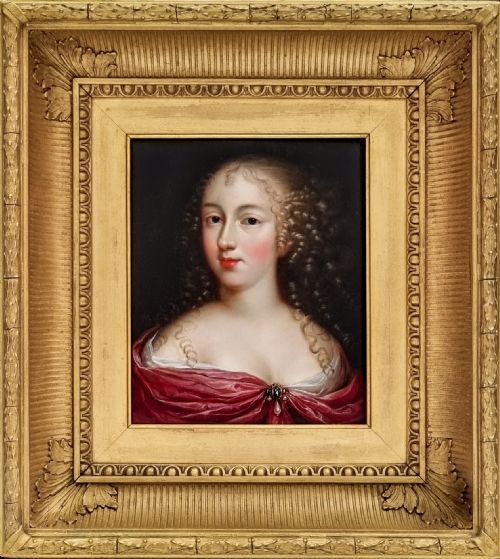
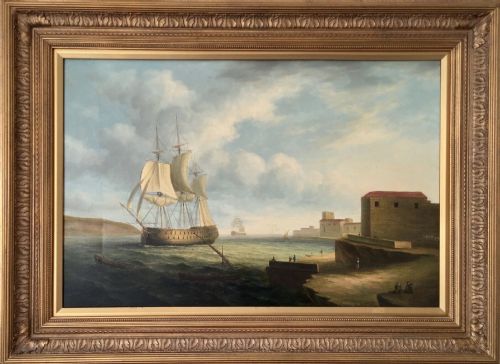
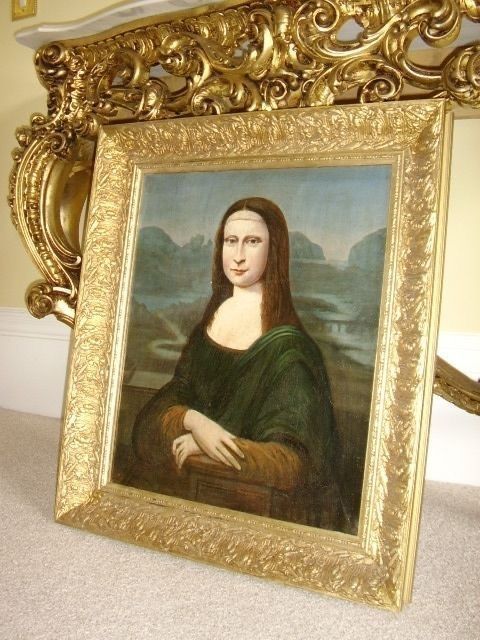
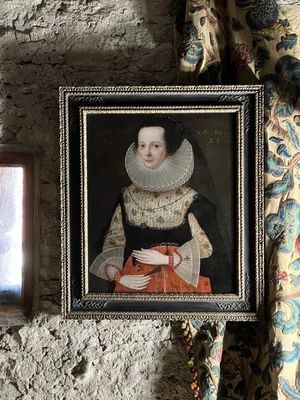
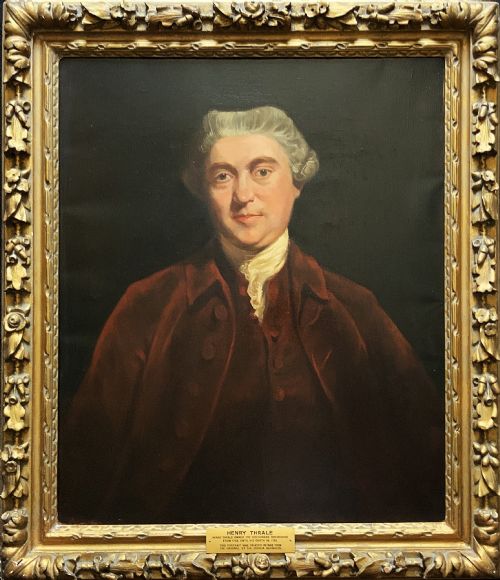
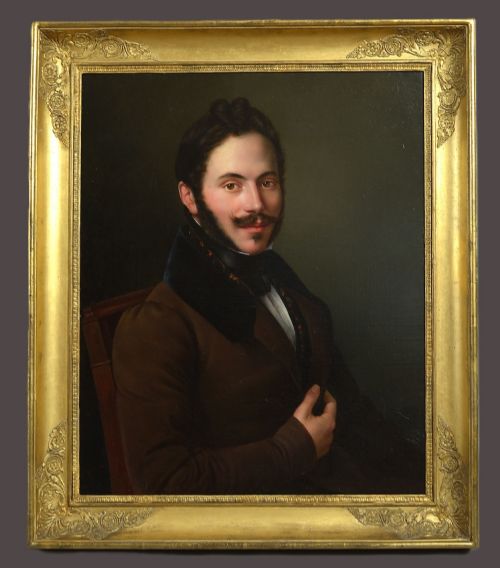
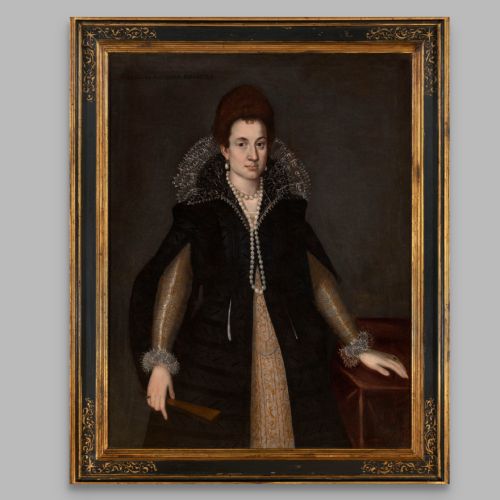
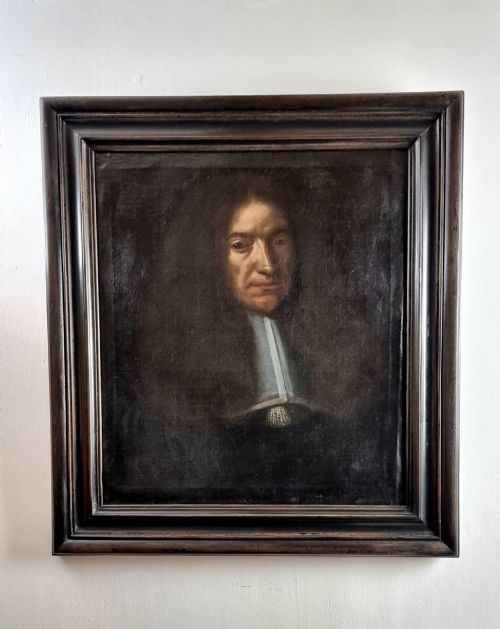
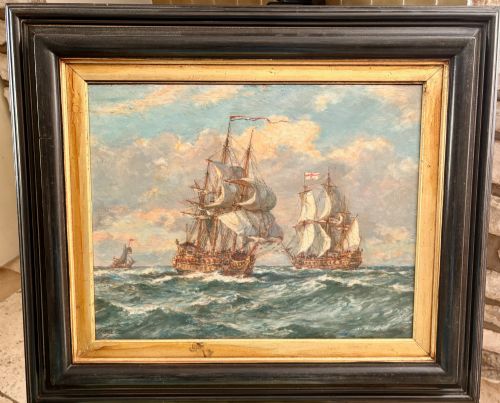
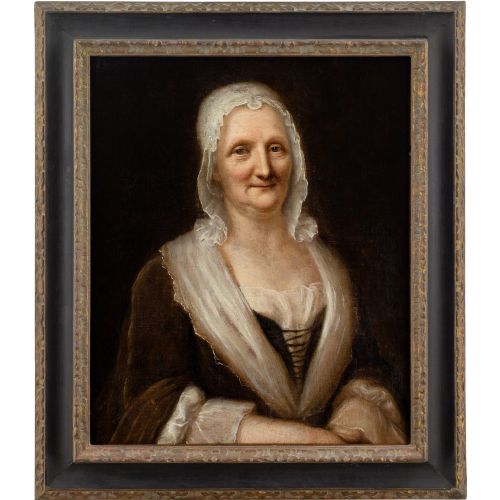
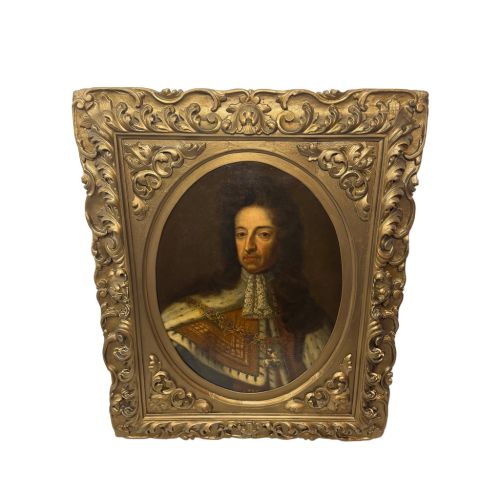
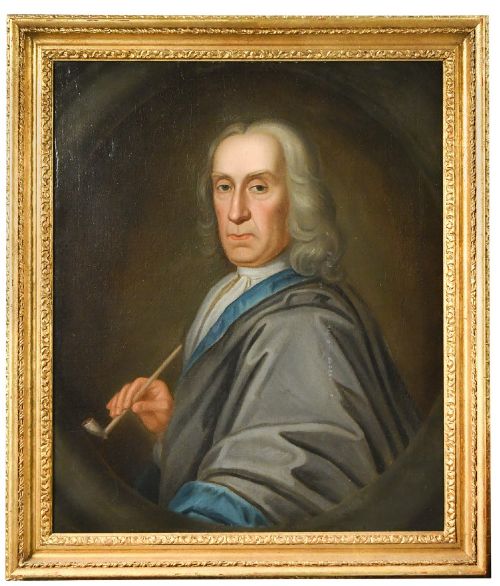
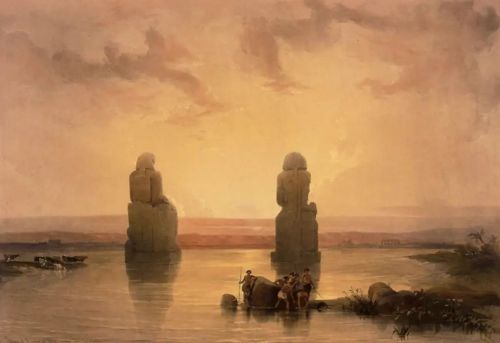
An antique historic wall painting encompasses formal portraiture, maritime scenes, and topographical views spanning from the seventeenth century through to the Edwardian era. These works record identifiable sitters, naval engagements, and landscape subjects executed by named artists or regional schools.
The selections encountered here most frequently comprise oil on canvas or panel paintings, alongside watercolours and reverse glass prints. Portraiture dominates the offerings, capturing nobility, military officers, and gentlefolk in period costume.
Domestic interiors benefit from these framed artworks because they introduce layered historical narratives and painterly depth. Collectors select them to anchor a room with tangible heritage and established provenance.
Assessing quality and execution
Provenance and attribution elevate a piece significantly, particularly when works are securely linked to documented makers or specific historic events. The depth of the composition and the sophistication of the surrounding period frame further distinguish exceptional works from standard decorative pieces.
The inventory encompasses diverse subjects ranging from seventeenth-century British school portraits to Edwardian marine paintings.
Sir Godfrey Kneller·Sir Joshua Reynolds·Edouard Pingret·David Roberts·Ernest Arthur Rowe·Bernard Gribble·Frank Moss Bennett
The Antique Historic Wall Painting Glossary
- Oil on canvas
- A painting technique utilising pigments bound with a drying oil, applied to a woven fabric support. This medium allowed artists to achieve rich colour saturation and subtle tonal gradations.
- Oil on panel
- A painting executed on a wooden board rather than canvas. Panels were standard supports in earlier centuries before canvas became dominant.
- Reverse glass print
- An image applied or transferred to the reverse side of a glass sheet for viewing from the front. This technique protects the pictorial surface from dust and environmental wear.
- Mezzotint
- A printmaking process of the tonal method, enabling the creation of half-tints without line work. It produced velvety darks and smooth tonal transitions popular for portrait reproductions.
Antique Historic Wall Painting: Frequently Asked Questions
How do I date an old portrait?
Dating relies primarily on the sitter's costume, hairstyle, and the painting technique visible on the canvas or panel. Examining stretcher bars, nails, and any inscribed signatures or dates on the reverse provides further confirmation.
Comparison with documented works by the same school or artist helps narrow the timeframe to a specific decade or reign.
Where should I hang a large oil painting?
Large canvases require stable interior walls away from direct sunlight, heating vents, and damp environments to protect the oil paint and canvas. Positioning them at eye level in principal rooms allows the fine details to be appreciated properly.
Ensure the wall structure can support the weight of the painting and its original or period frame.
What is the difference between an oil painting and a watercolour?
Oil paintings utilise pigment suspended in drying oil on canvas or panel, yielding a thick, textured surface with deep luminosity. Watercolours involve water-soluble pigments applied to paper, producing a lighter, more translucent effect.
Oils are generally more resilient and traditionally suited to formal portraits, whereas watercolours require protective glass framing.
How do I care for antique canvas art?
Maintenance involves keeping the painting in a room with stable temperature and humidity levels to prevent warping or cracking of the paint layer. Dusting should be done very gently with a soft, dry brush, avoiding any moisture or cleaning agents.
Professional conservators should handle any structural repairs, cleaning, or varnish removal.