


Antique High Back Seat
An antique high back seat provides imposing stature and practical comfort, spanning centuries of craftsmanship in oak, elm, and walnut.
Antique High Back Seat
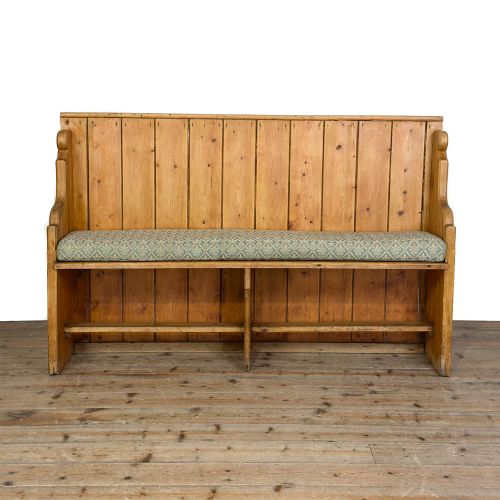
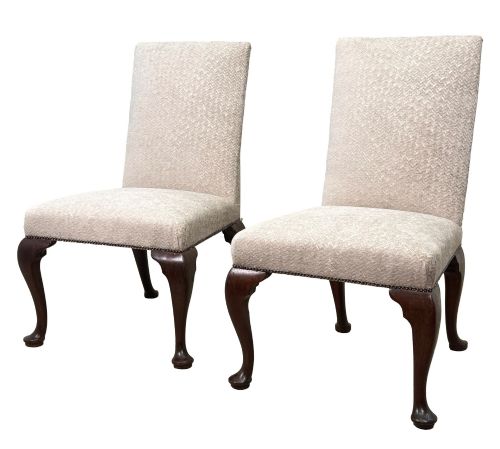
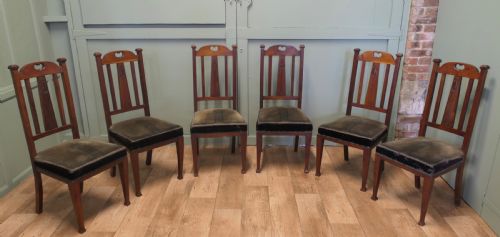
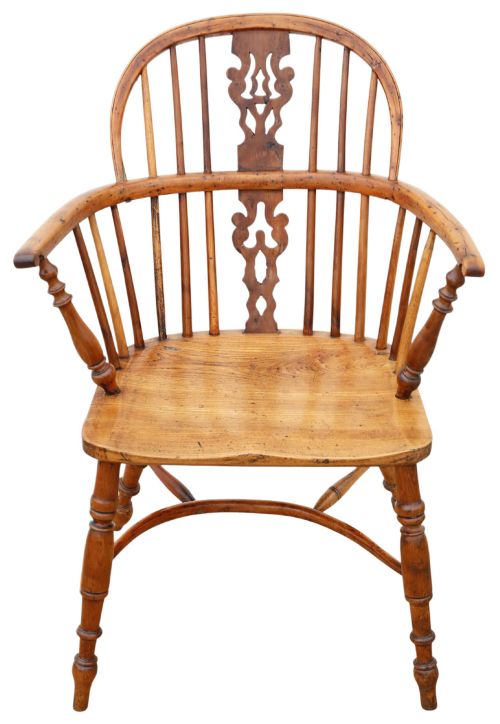
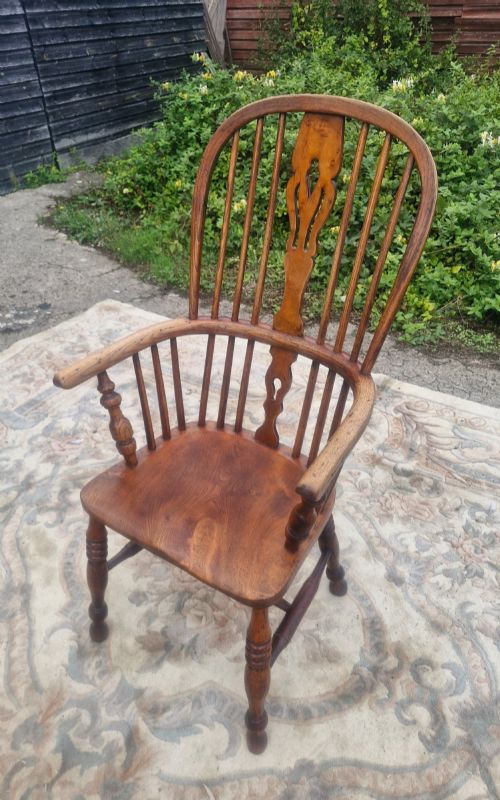
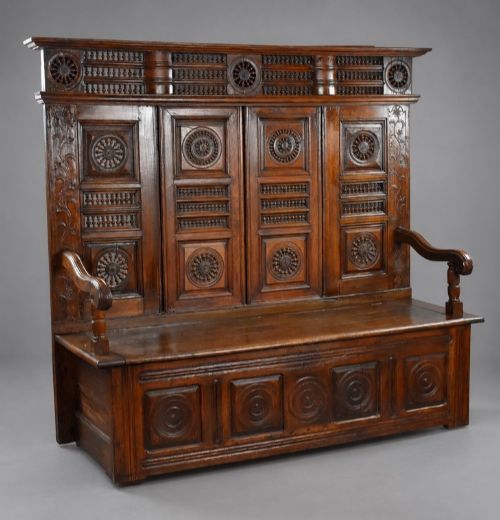
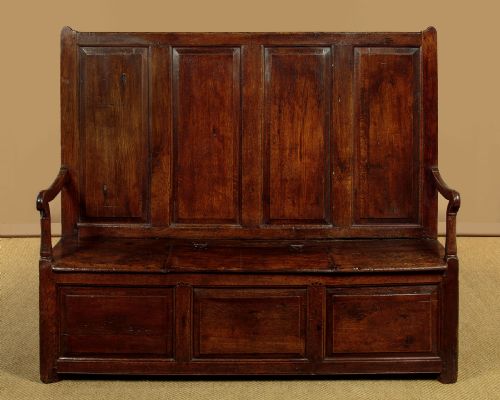
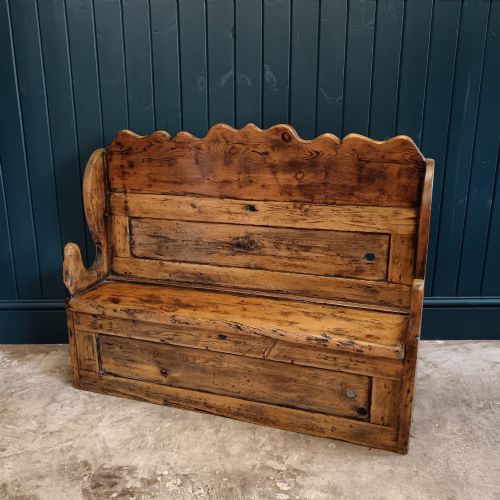
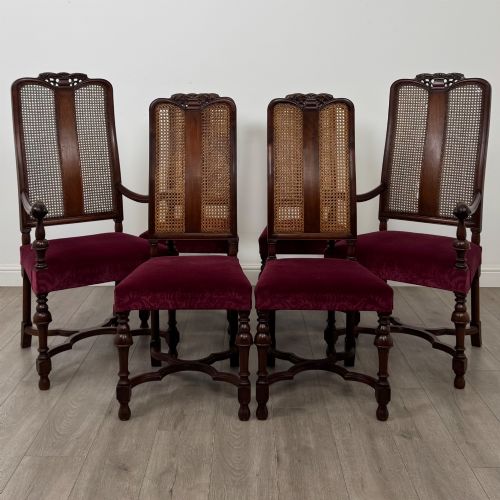
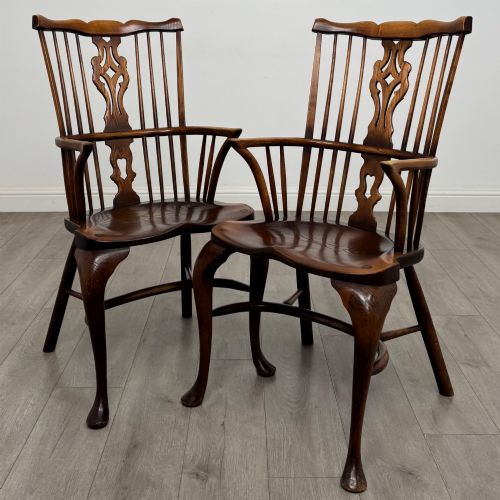
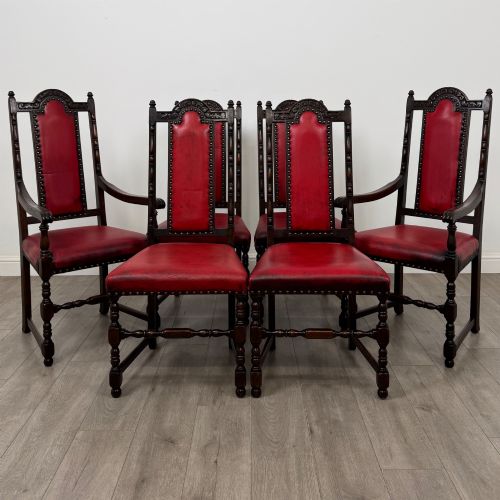
The search phrase antique high back seat encompasses a diverse group of tall seating forms, ranging from sturdy country box settles to formal dining chairs and library armchairs. Buyers frequently encounter 18th-century oak settles with panelled backs alongside 19th-century Windsor armchairs and Edwardian dining sets.
Origins span British country workshops, Scottish schools, and continental studios, reflecting a wide geographical spread in the material record. Forms vary from single-seater armchairs and fireside chairs to multi-person benches with integrated storage compartments.
Periods represented stretch from the 17th century through the Edwardian era, showing how high-backed seating evolved from heavy, draught-excluding domestic furniture to lighter revival styles. Buyers select these pieces to anchor a hallway, warm a fireside, or furnish a traditional dining space.
Materials and construction methods
Carpenters relied heavily on native hardwoods, shaping frames from solid oak, elm, ash, and walnut. These timbers provided the structural integrity required to support tall backs and heavy seating loads.
Joinery techniques combined traditional mortise and tenon joints with panelled construction, particularly in box settles designed to shield occupants from draughts. Turned spindles, carved crestings, and steam-bent components shaped the profiles of Windsor chairs and high-backed dining seats.
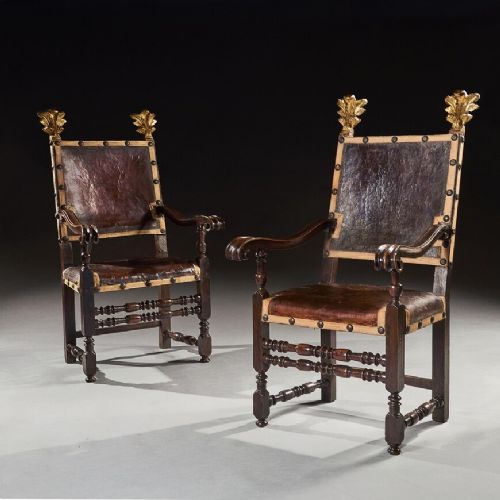
Upholstery materials introduced surface texture and comfort, utilising embossed leather, velvet, tapestry, and rush seating. Decorative embellishments included parcel-gilding, brass studs, and intricate hand-carving applied directly to the wooden frames.
Early box settles doubled as indoor windbreaks, sheltering medieval diners from cold gusts whistling across draughty stone halls.
Assessing quality in high-backed seating
Quality rests in the integrity of the timber selection and the precision of the joinery. Pieces fashioned from dense, figured oak or well-turned elm exhibit superior stability compared to those assembled with lesser secondary woods.
The depth and execution of carved details separate standard production from exceptional craftsmanship. Crisp relief work on panelled backs and arm supports indicates a higher level of artisan skill.
Proportion and structural balance dictate the visual weight of the seat. Mastermakers ensured that tall backrests remained harmonious with the seat base and legs, avoiding awkward scaling.
Liberty Morris And Co·Andrea Brustolon
The Antique High Back Seat Glossary
- Box settle
- A high-backed wooden bench featuring a storage compartment beneath the seat, historically used to keep rooms warm and store household goods.
- Windsor armchair
- A chair built with a solid wooden seat into which the legs, back spindles, and high back bow are separately inserted.
- Parcel-gilt
- Partially gilded with gold leaf or powder, highlighting specific carved details on a wooden or leather framework against a contrasting background.
- Carver
- An armchair, often designed en suite with a set of dining chairs, featuring elevated armrests for the head of the table.
- Gainsborough chair
- A wide, high-backed upholstered armchair with open padded arms, originating in the mid-18th century for library or desk use.
Antique High Back Seat: Frequently Asked Questions
How do I date an oak settle?
Dating relies on construction methods, timber grain, and decorative carving styles. 17th and early 18th-century examples feature heavy panelled backs and pegged mortise and tenon joints.
Later Victorian and Edwardian pieces often display revivalist motifs, machine-sawn components, or softer pine secondary woods.
Are Windsor chairs comfortable?
Windsor armchairs offer ergonomic support through sculpted elm seats and steam-bent back bows. The high back variant supports the shoulders and head, making it a popular fireside choice.
Adding a loose cushion provides extra padding while preserving the exposed wooden spindle back.
Where should I place a high back bench?
High back benches suit entryways, hallways, and large dining areas where their vertical presence defines the space. Hall benches also provide practical seating when putting on shoes.
Ensure adequate wall clearance behind the tall backrest to accommodate the architectural profile of the piece.