


Antique Height Adjustable Lamp
These antique height adjustable lamps bring versatile illumination and period character to a room, offering the practical luxury of raising or lowering the light source by hand.
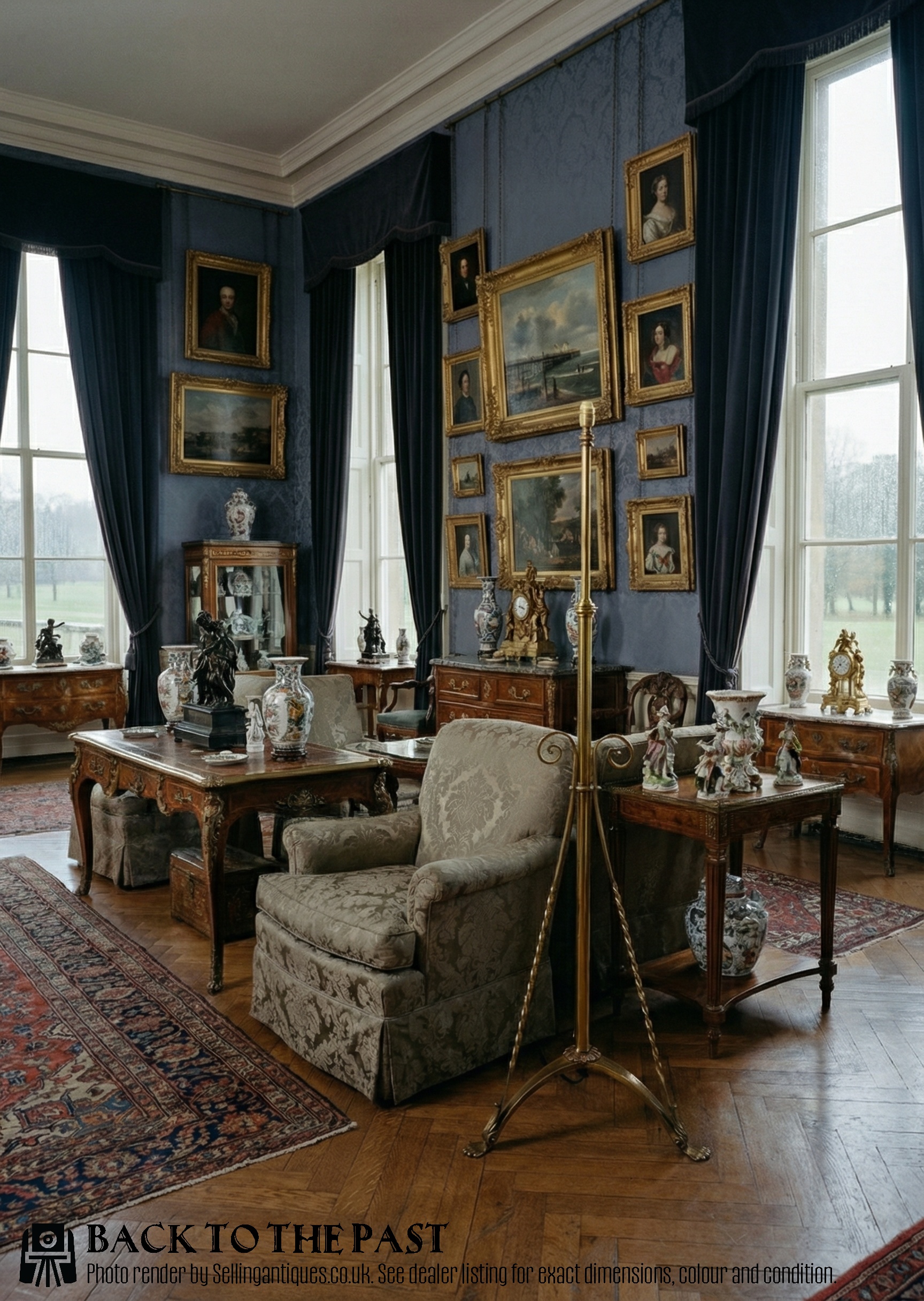
Antique Height Adjustable Lamp
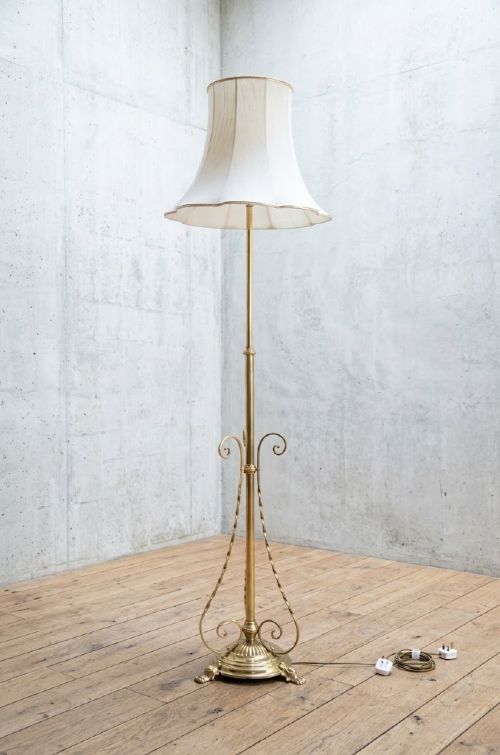
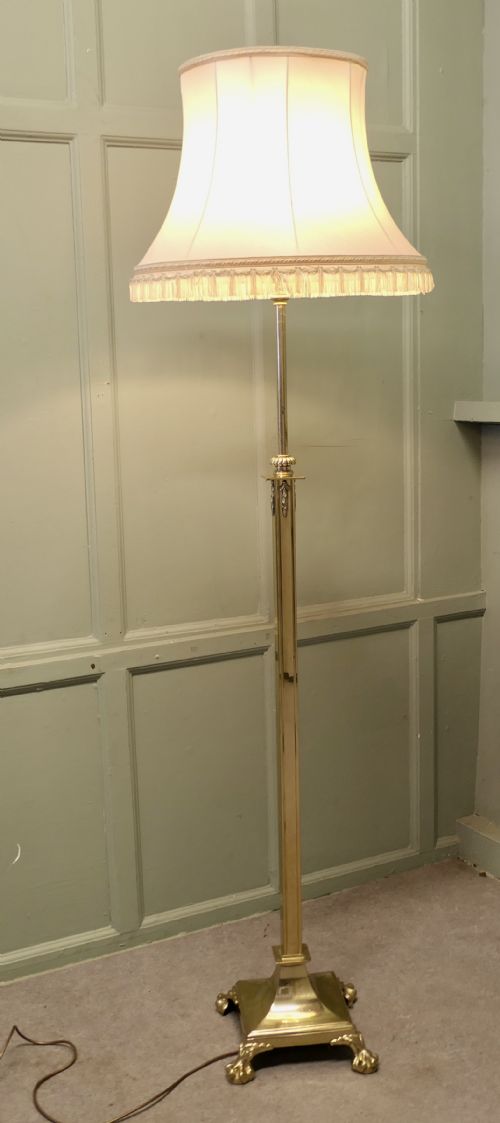
When you search for an antique height adjustable lamp, you encounter pieces designed to alter their vertical reach through telescopic columns, rise and fall mechanisms, or extending frames. These functional light fixtures serve as striking focal points in a room while providing adaptable illumination for reading or ambient lighting.
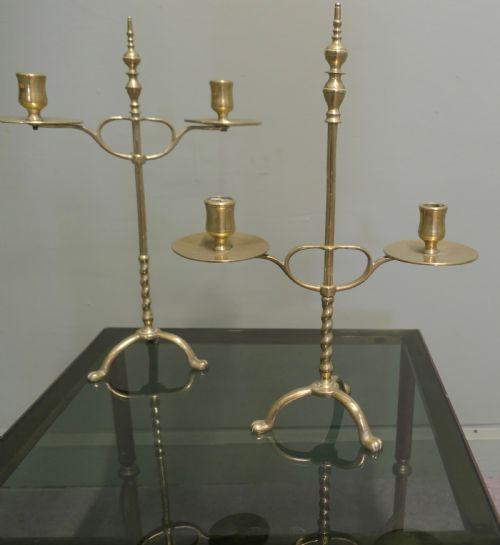
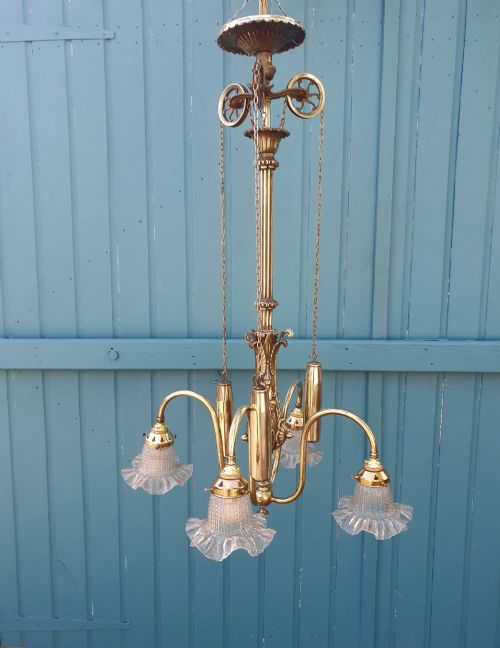
The selections available here span multiple eras, showing the evolution of the form from Victorian and Edwardian iterations to later twentieth-century interpretations. Standard lamps and floor lamps dominate the offerings, alongside occasional table lamps, student lights, and chandeliers that share the same movable height capability.
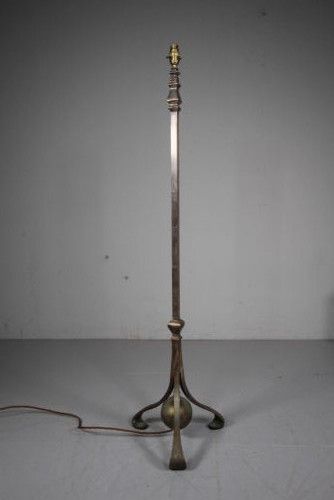
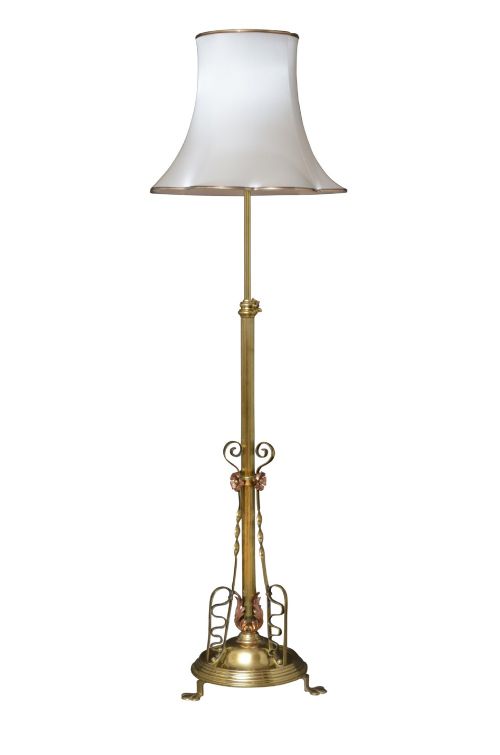
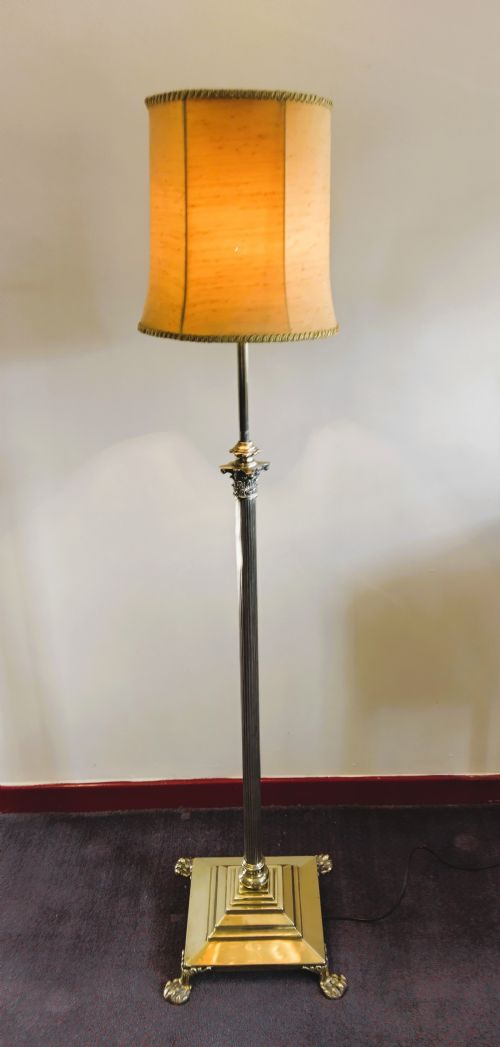
Makers utilised a range of regional styles, drawing upon French Empire, Art Nouveau, Arts and Crafts, Neoclassical, and Chinese Oriental influences. Buyers are most likely to meet standard floor lamps rendered in brass or copper, often displaying the characteristic telescopic shaft of the late nineteenth and early twentieth centuries.
Materials and construction methods
Metalworking defines the construction of these pieces, with solid brass, copper, and silver plate forming the primary structural columns and bases. Workshops employed heavy metal castings to ensure the tall standards remained stable when fully extended.
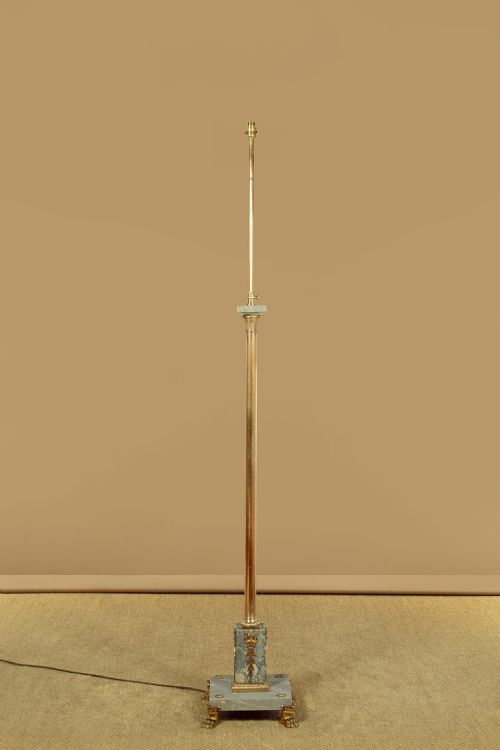
Telescopic mechanisms rely on precision sliding tubes and friction keys or screws to hold the upper shaft securely at the chosen elevation. Certain examples incorporate contrasting elements such as padauk wood or marble bases to add weight and visual texture.
Wiring and electrical components represent later adaptations, as these items originated in periods of transition from oil burning and gas lighting to electricity. Fabric shades often complement the metallic frames, completing the assembly.
Some Victorian households relied on these clever extending columns so the same lamp could illuminate a late-night book or a piano score.
Assessing quality in adjustable lighting
Quality reveals itself in the smoothness of the telescopic action and the precision with which the locking mechanism engages. Superior examples hold their height firmly without slipping, demonstrating careful engineering in the internal sleeves and collars.
The choice of materials and the substance of the casting dictate the durability and presence of the piece. Heavy gauge brass and solid copper bases provide a reassuring weight and balance that lighter, mass-produced alternatives lack.
Artistic execution in decorative details, whether cast Corinthian capitals, organic Art Nouveau motifs, or restrained Neoclassical lines, separates standard utility items from masterworks of metalwork design.
Tiffany Studios NYC
The Antique Height Adjustable Lamp Glossary
- Telescopic
- A design utilising nested sliding tubes that allow the vertical shaft to extend or contract. This mechanism enables the overall height of the lamp to be adjusted smoothly by the user.
- Standard Lamp
- A British term for a floor lamp, consisting of a tall vertical column supported by a weighted base. These fixtures stand independently on the floor to illuminate a room.
- Rise and Fall
- A mechanical arrangement, often utilising pulleys, counterweights, or sliding stems, that permits a light fixture to move vertically. It allows the height of the light source to be altered on demand.
- Corinthian Column
- An architectural order featuring an ornate capital decorated with acanthus leaves. This classical motif frequently appears atop the vertical brass shafts of Edwardian standards.
- Student Light
- A task lamp designed with a movable arm or adjustable height to direct illumination downward onto a desk or work surface. These functional pieces often accommodated multiple burners or bulbs.
Antique Height Adjustable Lamp: Frequently Asked Questions
How do I adjust the height of a telescopic lamp?
Most telescopic lamps rely on an internal sliding mechanism secured by a thumbscrew, key, or friction collar. Loosening this fastener allows the upper shaft to slide up or down to the desired position before tightening it again to hold the weight.
Care should be taken to support the upper section with one hand while releasing the lock to prevent the stem from dropping too quickly.
Where should I place a standard lamp in a room?
Floor-standing adjustable lamps work well beside armchairs, reading desks, or in dark corners that require focused illumination. Their ability to alter in height makes them adaptable for both general ambient light and task lighting.
Ensure the heavy base rests on an even surface and that the extended height does not interfere with low ceilings or overhead fixtures.
How can I tell a Victorian lamp from an Edwardian one?
Victorian lighting tends to display heavier, more ornate ornamentation with darker patination, often combining copper and brass with eclectic stylistic influences. Edwardian examples frequently exhibit lighter Neoclassical or Corinthian column designs with brighter metal finishes.
Examining the construction methods, casting quality, and stylistic motifs helps narrow down the manufacturing period.