

Antique Hearth Fire Tools
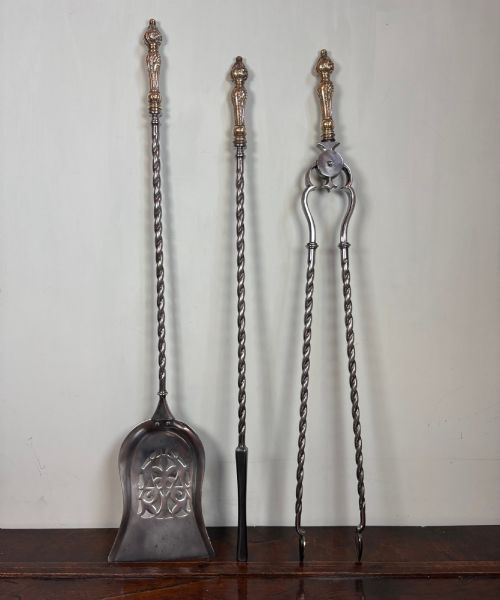
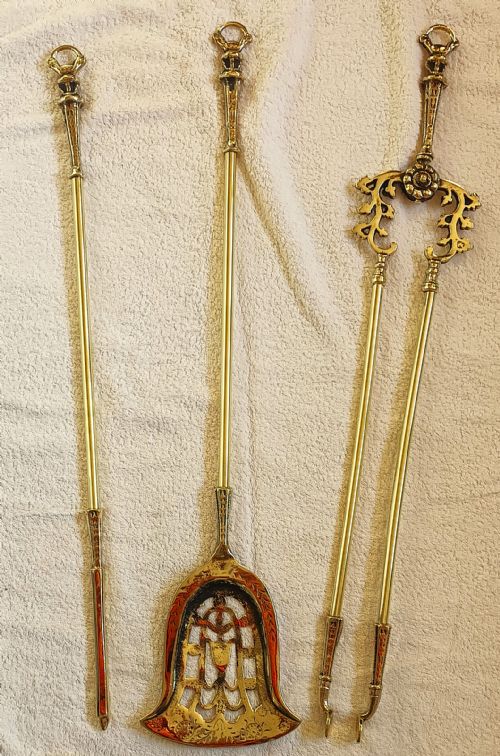
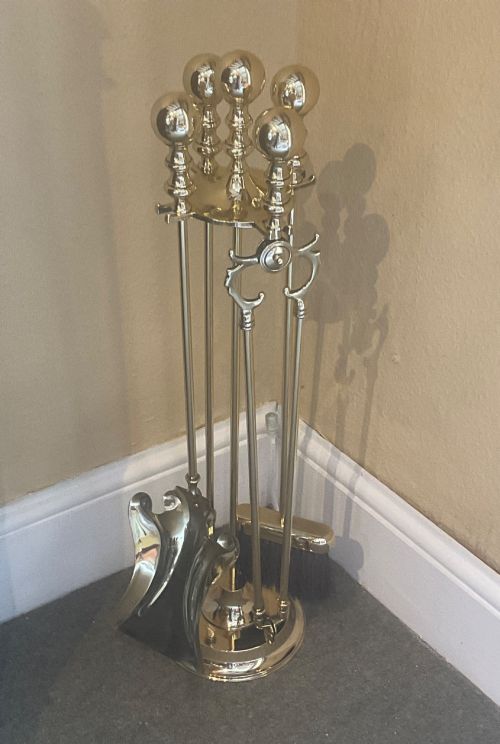
These antique hearth fire tools bring purposeful metalwork and practical design to the fireplace, combining the heavy iron and polished brass needed for tending a proper coal fire.
Antique Hearth Fire Tools
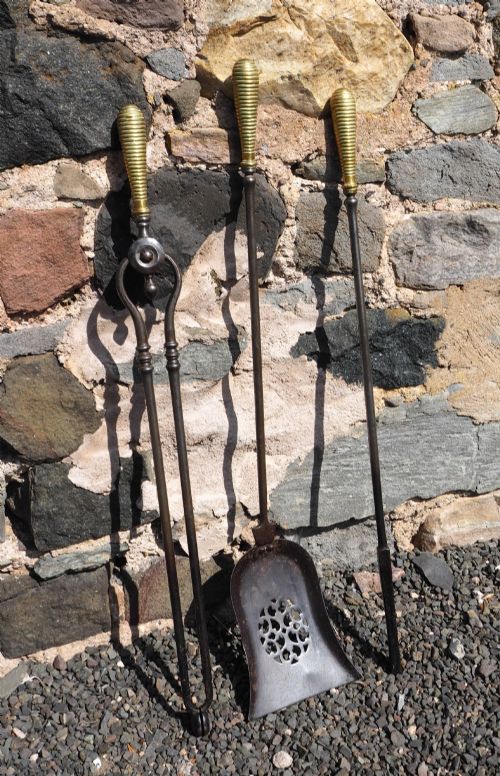
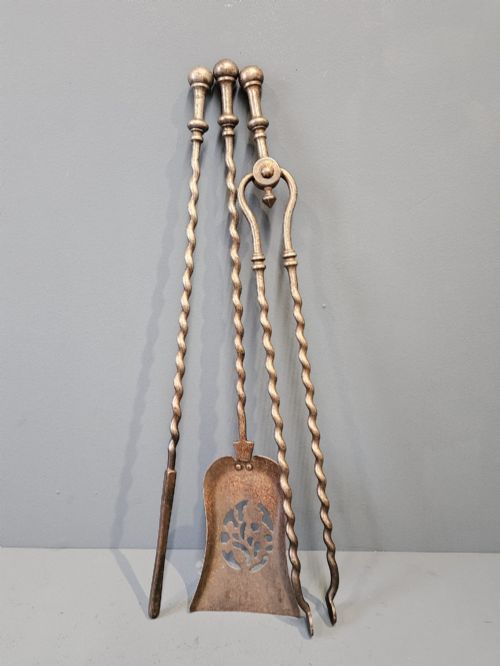
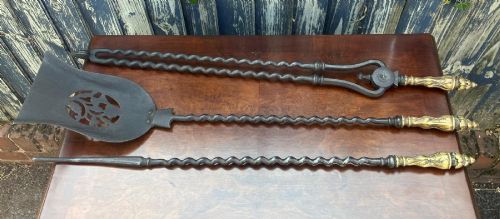
When you search for antique hearth fire tools, you encounter complete companion sets, individual pokers, shovels, tongs, and bellows designed to manage solid fuel fires. These functional items range from simple country house ironwork to polished brass Georgian and Victorian sets made for formal drawing rooms.
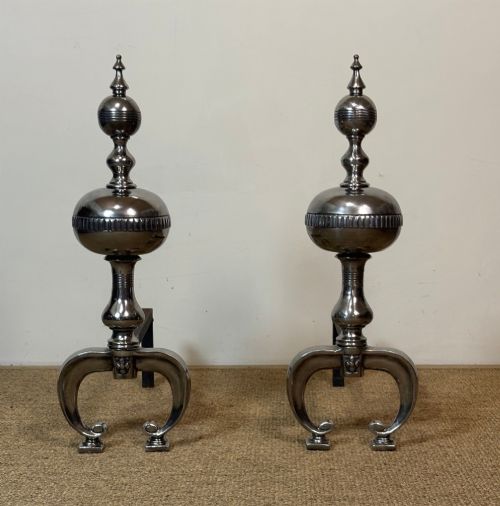
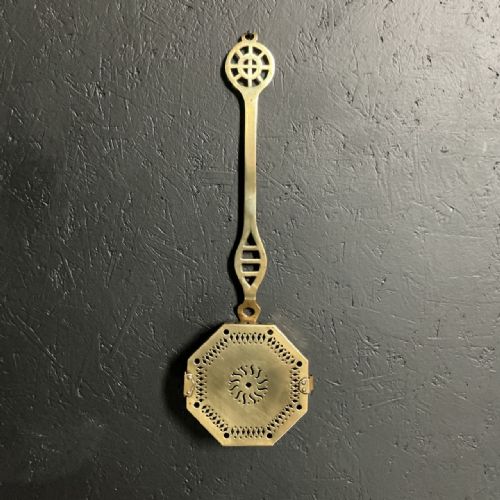
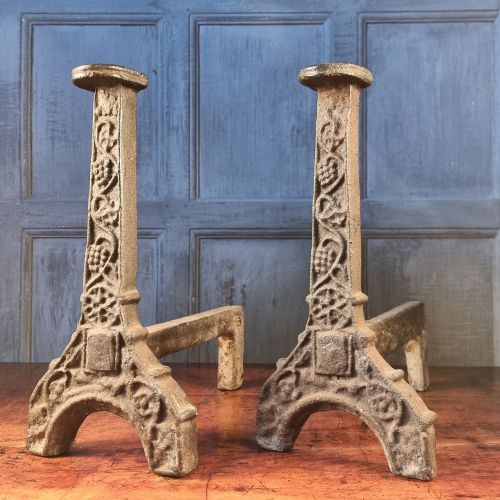
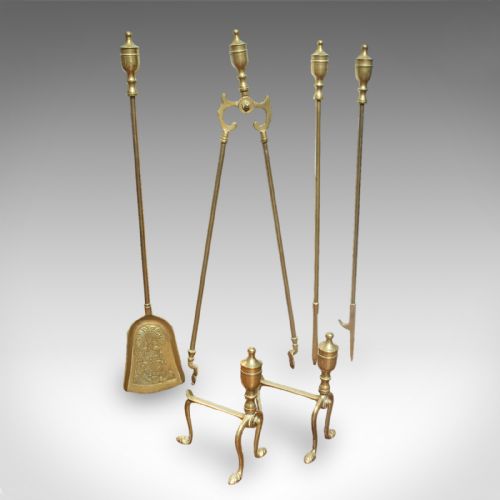
The versions most common on this page date from the nineteenth and eighteenth centuries, often formed as matched sets of three or four pieces. Alongside standard companion sets, you regularly find specialist items like chestnut roasters, decorative andirons, and leather-vanned bellows.
Originating largely from English and French workshops, these pieces reflect the shifting domestic interior styles across the Georgian, Victorian, and Edwardian periods. They survive either as working implements or as decorative furnishings meant to complete the fireplace surround.
Materials and Construction Techniques
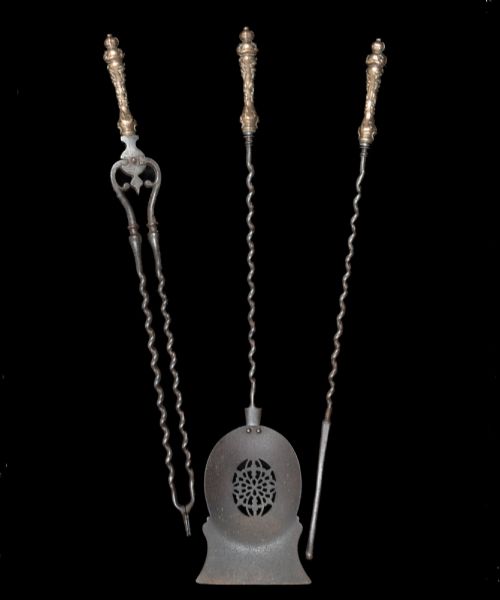
Blacksmiths and metalworkers shaped these tools using sturdy iron, cast iron, and wrought iron for the structural components that faced intense heat. Steel provided rigid strength for pokers and shovel blades, while brass added bright decorative contrast through cast handles, shafts, and companion stands.
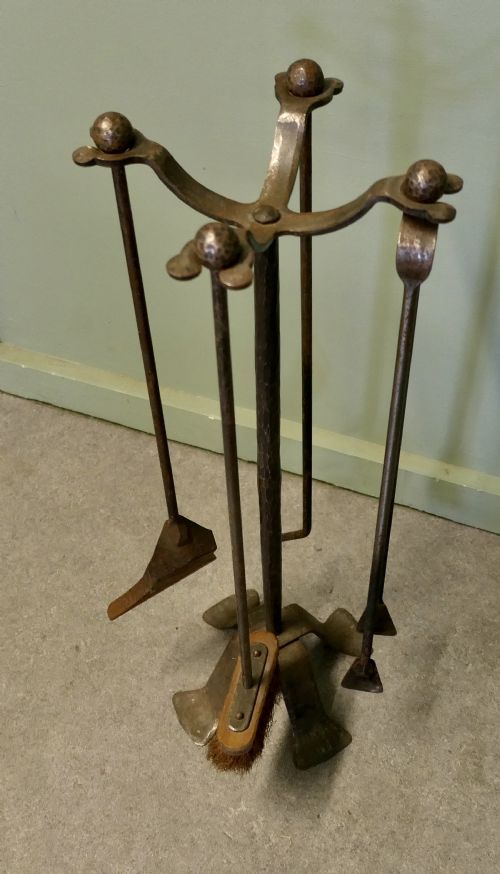
Finishes varied from polished steel and bright brass to blackened iron and gilded bronze, often complemented by turned wood handles or leather panels on bellows. Detail work relied on hand-forging, casting in moulds, and applying decorative motifs such as rope twist handles and Rococo scrollwork.
Listings feature items spanning the 16th century through to the early 20th century, utilising brass, steel, iron, wood, and leather.
Distinctions in Quality and Make
Quality rests upon the integrity of the materials and the precision of the metalwork, distinguishing heavy, hand-forged or cast pieces from lighter, mass-produced alternatives. Superior sets maintain structural balance and retain their original matching components rather than being assembled from disparate items over time.
The refinement of the decorative details, such as crisp casting on brass handles or hand-hammered texture on wrought iron, separates standard utilitarian tools from finer examples made for prominent town and country residences.
Liberty & Co
The Antique Hearth Fire Tools Glossary
- Andirons
- Iron or bronze supports placed on the hearth to hold logs above the floor of the fireplace. They often feature decorative front standards matching the accompanying fire tools.
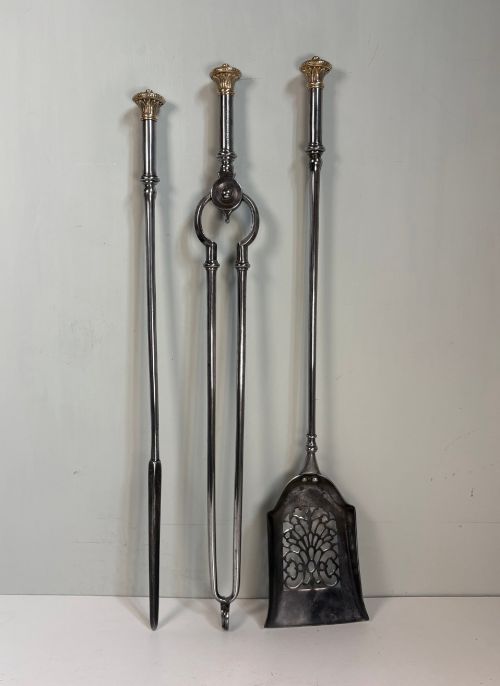
- Companion Set
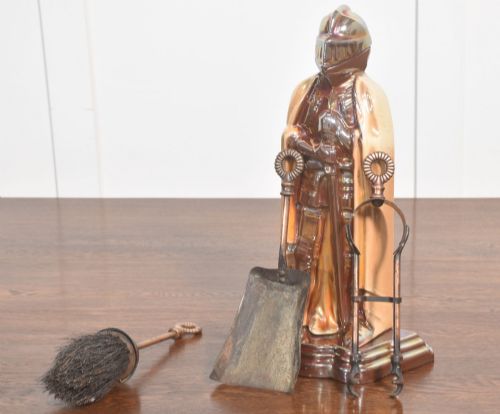
- A collection of fireplace tools, usually including a poker, shovel, and tongs, housed together on a dedicated stand or rest. These sets became popular interior fixtures during the Victorian period.
- Bellows
- A device constructed from wood and leather designed to pump a strong stream of air into the hearth to revive a fading fire. Antique examples frequently incorporate brass studs and decorative panels.
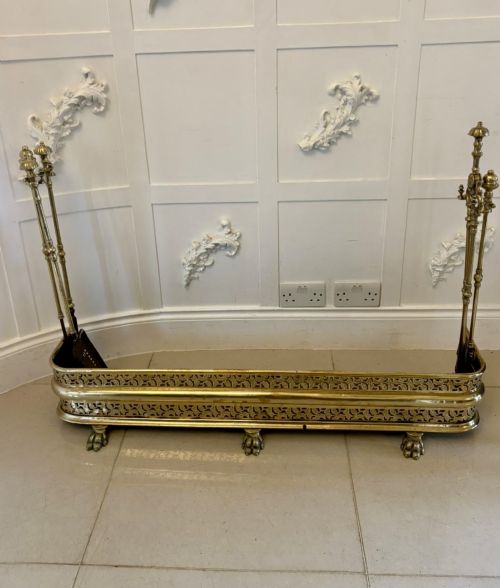
- Fender
- A low metal guard placed around the hearth edge to contain stray embers and ash. They often coordinate stylistically with the fire irons displayed beside the fireplace.
Antique Hearth Fire Tools: Frequently Asked Questions
What tools come in a standard set?
Traditional companion sets typically include a poker for adjusting logs, a shovel for clearing ash, and tongs for handling fuel.
Many period sets also incorporate a hearth brush alongside these three core implements on a shared stand.
How do I date a set of fire irons?
Dating relies on stylistic clues like handle design, manufacturing techniques, and metal composition. Georgian pieces often show restrained steel lines, while Victorian examples embrace ornate brass casting.
Matching the overall aesthetic to known architectural periods helps narrow down the decade of production.
Can I still use these tools on a real fire?
Most iron and steel pieces remain entirely robust and well-suited for daily use on an open hearth.
Finer brass or gilt sets from formal drawing rooms are better reserved for light duty or purely decorative display to preserve their finishes.
Why are some tools made of brass and others iron?
Iron and steel offered the durability and heat resistance required for the working ends that touched the burning coals directly.
Brass served primarily for handles, stands, and decorative elements intended to catch the candlelight in formal reception rooms.