
Antique Hallway Settle
An antique hallway settle offers a practical timber seat with high back protection and concealed storage for boots or coats.
Antique Hallway Settle
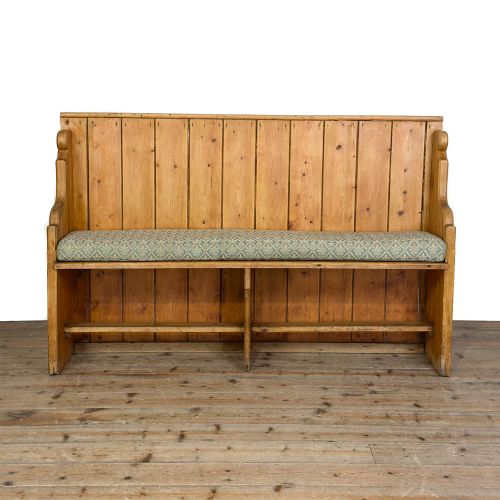
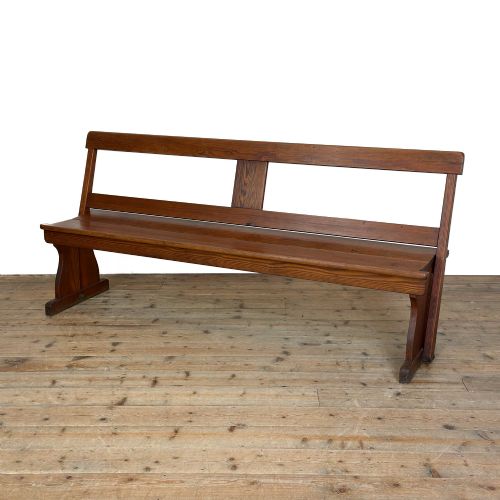
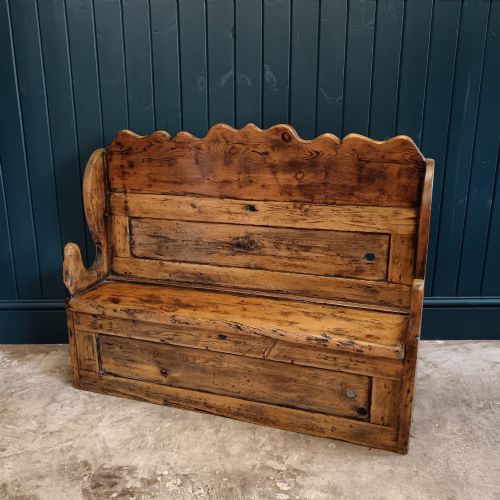
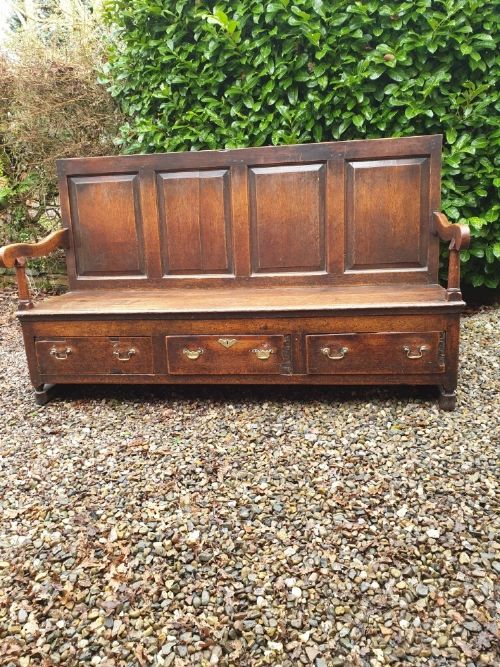
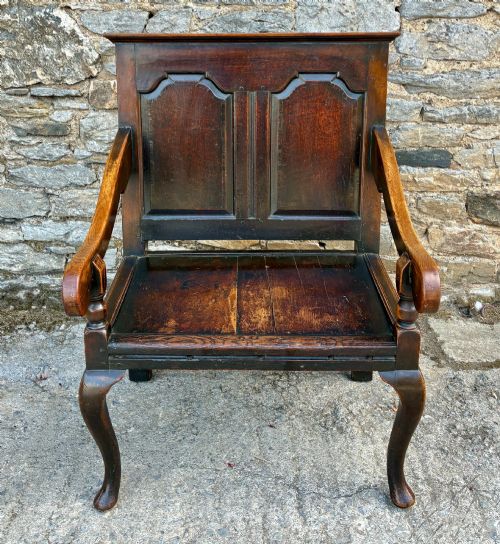
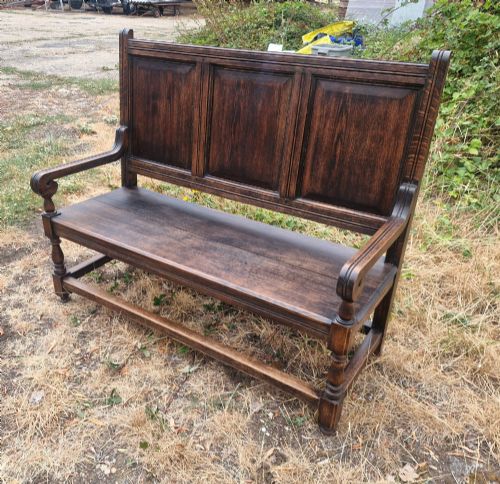
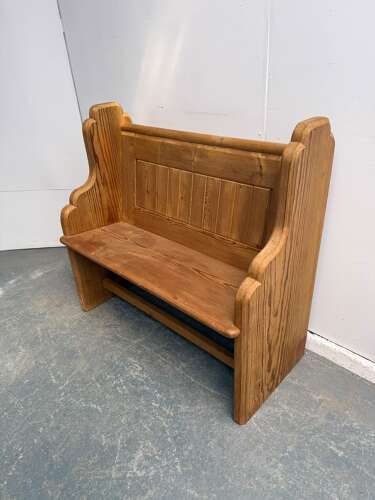
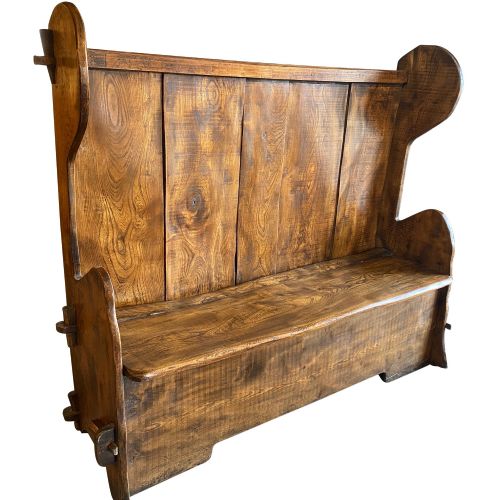
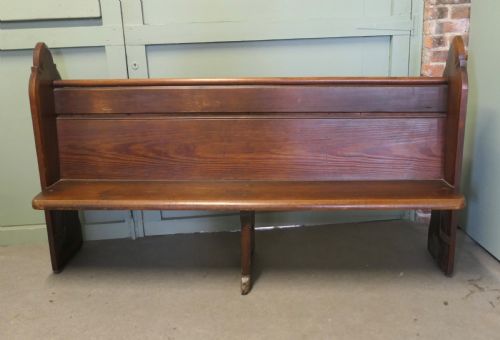
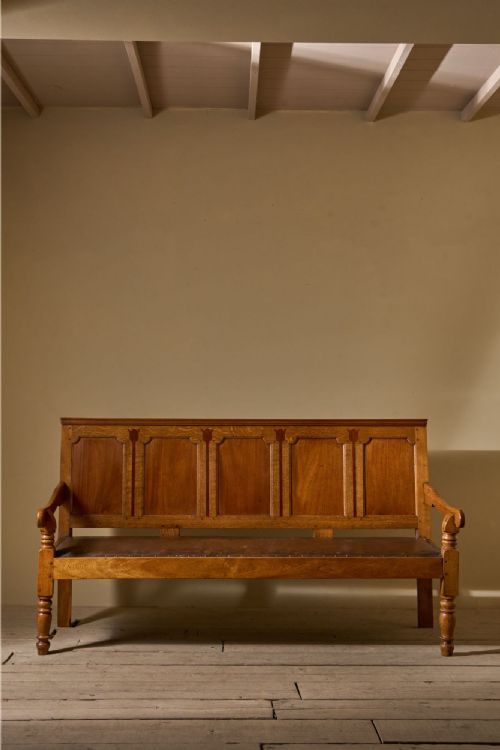
An antique hallway settle is a sturdy wooden bench designed to stand in an entrance passage or hallway, providing a place to sit while removing footwear. These pieces range from simple pine chapel pews and slim country benches to substantial oak box settles featuring lift-up seats.
The versions most frequently found on this page span the 18th century, Georgian, Victorian, and Edwardian periods. Many examples utilise regional materials like elm, pitch pine, and solid oak, often constructed with high panelled backs to block cold drafts from front doors.
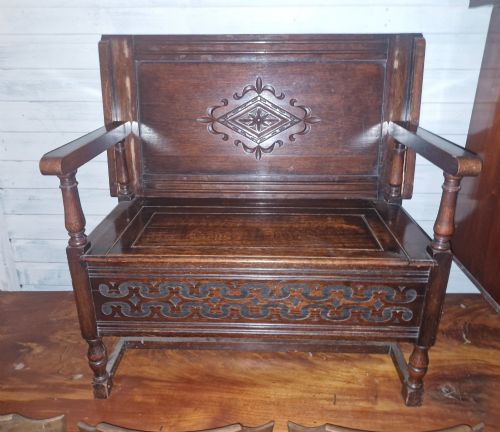
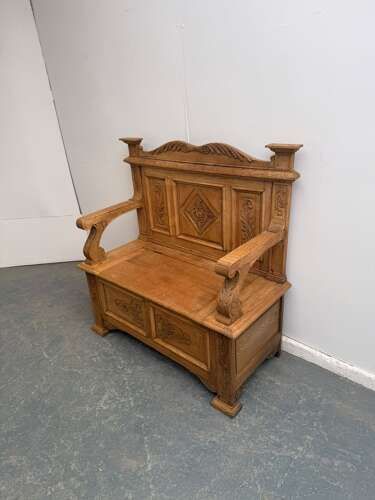
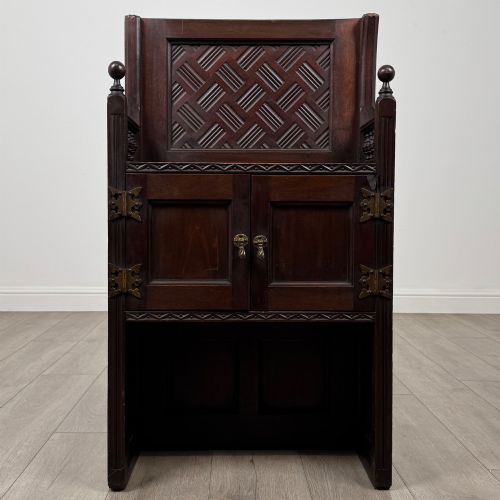
Makers and workshops of the Arts and Crafts and Jacobean Revival movements also contributed distinctive hall seats and stands. Buyers frequently encounter dual-purpose designs, including flip-over chapel pews, cabinet seats, and storage benches with hinged compartments.
How they were made
Traditional timber selection relied on native hardwoods and softwoods, predominantly solid oak, elm, and pine. Carpenters joined structural members using pegged mortise and tenon joints, ensuring longevity under daily household use.
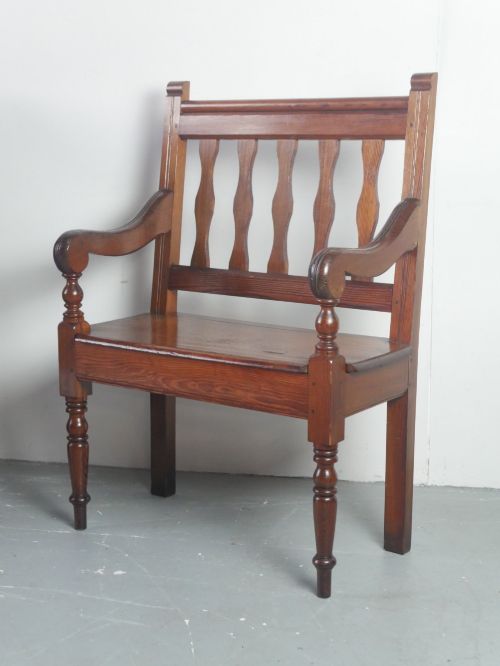
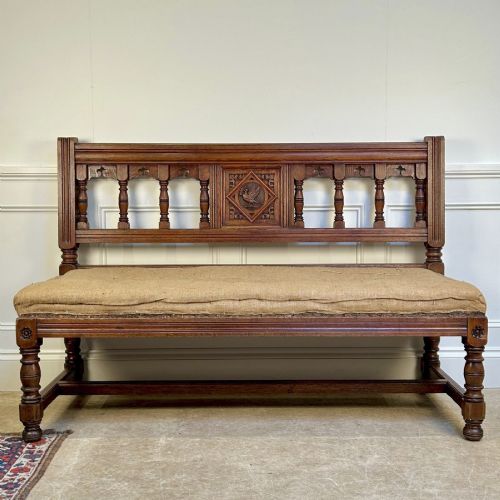
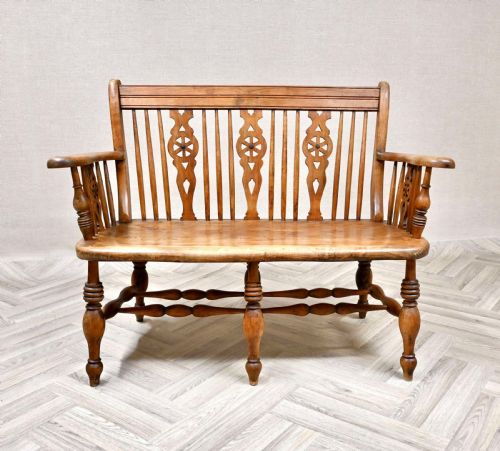
Surface finishes applied to these timbers include traditional wax polishes, applied paints in blue or grey, and honey brown patinas developed through decades of handling. Decorative elements such as panel carving, tulip motifs, and spindle backs were hand-finished by regional cabinetmakers.
Listings feature structural timbers spanning solid oak, elm, pitch pine, and painted pine across periods from the eighteenth century to the Edwardian era.
What varies in quality
Construction integrity and timber selection define the upper tier of these benches, particularly where heavy-gauge solid oak or seasoned pine has been retained without extensive timber replacement. Finer examples display crisp panel carving, original hardware such as brass or iron hinges, and well-executed joinery that remains rigid over centuries.
Proportion and utility also separate standard utility seating from refined pieces, such as slim hallway benches tailored for narrow spaces or box settles with neatly integrated storage compartments. Patina and original surface treatments, including early painted finishes or deep waxed grains, elevate the character of individual pieces.
GIllows·Shapland & Petter·Liberty
The Antique Hallway Settle Glossary
- Box settle
- A wooden bench featuring a built-in storage compartment beneath a lift-up seat. This enclosed design protected contents from dampness and drafts.
- High-back settle
- A bench constructed with an tall solid timber backboard. It served to trap heat from fires and shield sitters from cold hallway drafts.
- Chapel pew
- A long timber bench traditionally used in ecclesiastical settings and adapted for domestic hallways. These often incorporate simple open frames or slatted backs.
- Patina
- The surface sheen and colour developed by wood over years of ageing, handling, and wax polishing. It indicates natural wear rather than artificial distress.
- Flip-over top
- A dual-purpose tabletop mechanism attached to a bench seat. It allowed the backrest to convert into a flat surface when folded.
Antique Hallway Settle: Frequently Asked Questions
What is an antique hallway settle used for?
An antique hallway settle provides a designated seating area for putting on or taking off boots and shoes near an entrance. The high wooden back protects against chilly drafts common in older hallways.
Many examples include lift-up seats or enclosed cabinets beneath the bench. This concealed space stores bulky items like umbrellas, scarves, and winter wear out of sight.
How do I date an antique settle?
Dating relies on examining construction methods, timber types, and stylistic details. Eighteenth-century and Georgian pieces often feature pegged mortise and tenon joinery with heavy oak panels.
Victorian and Edwardian versions frequently utilise pine, walnut, or pitch pine, sometimes displaying Arts and Crafts movement influences, painted finishes, or spindle decorations.
Are hallway settles suitable for small spaces?
Certain configurations are specifically built for narrow entryways. Slim hallway benches and single-seater box settles fit into confined passages without blocking thoroughfares.
Measuring available floor space and clearance for opening storage lids or fold-over tops ensures the furniture functions smoothly in a compact hall.
What woods were used for antique settles?
Carpenters utilised locally available hardwoods and softwoods depending on the period and region. Oak and elm appear frequently in Georgian and earlier country pieces.
Pine, pitch pine, and walnut became more common during the Victorian and Edwardian eras. Painted pine finishes were also popular in regional European traditions.