

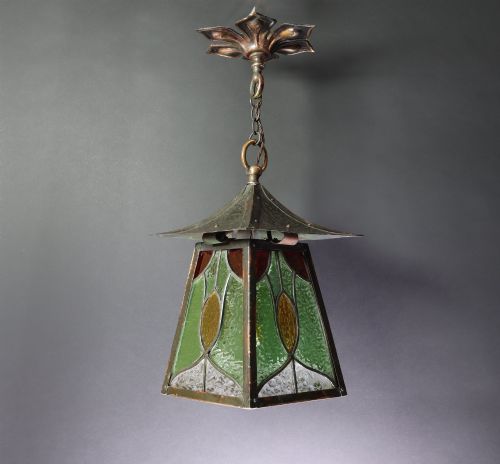
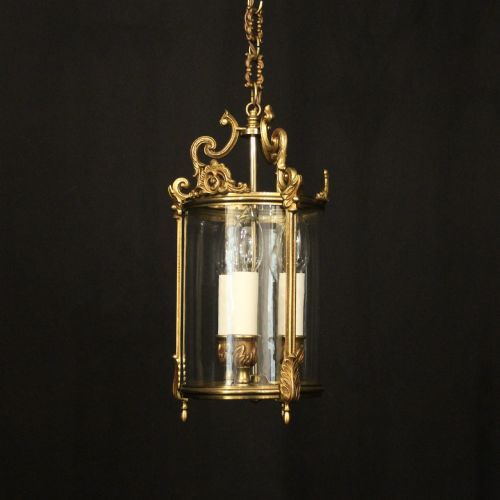
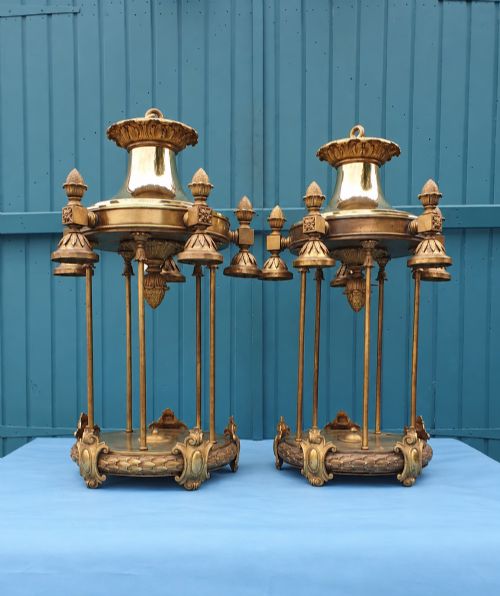
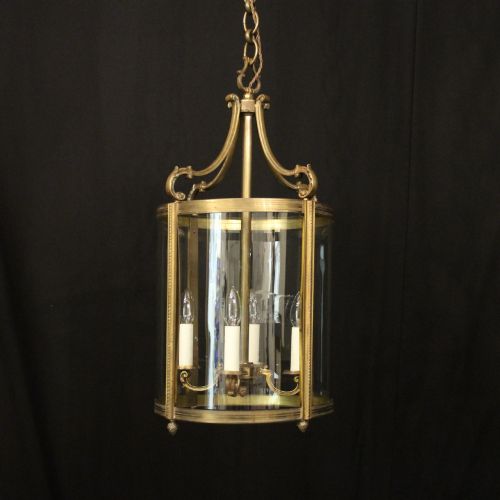

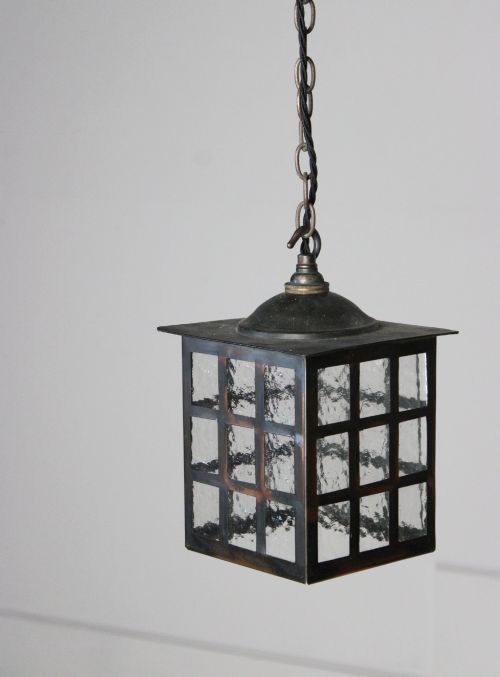
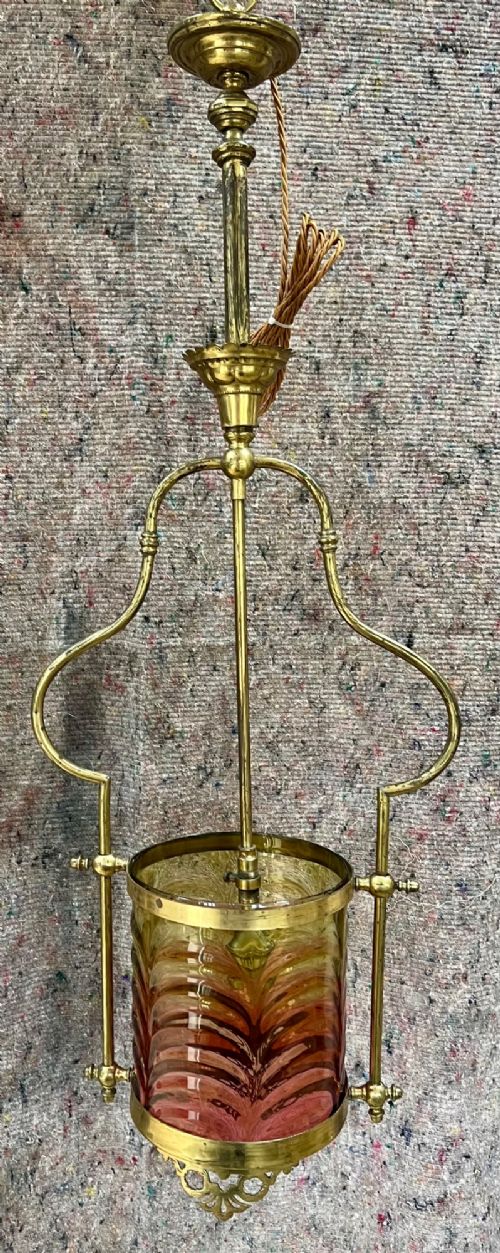
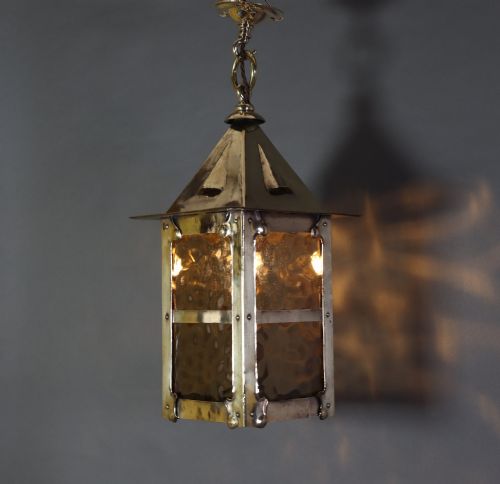
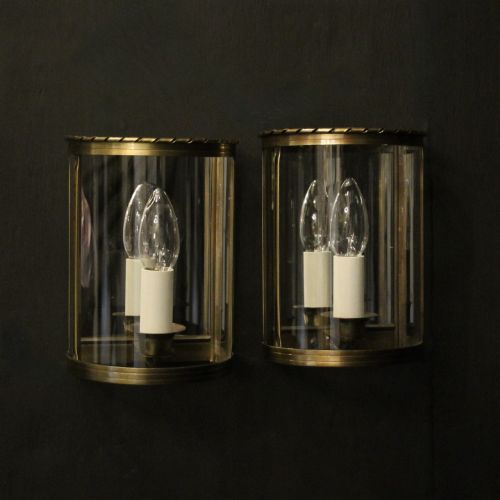
Antique Hallway Lantern
An antique hallway lantern commands a space with architectural presence, casting warm light through glass and metal.
Antique Hallway Lantern
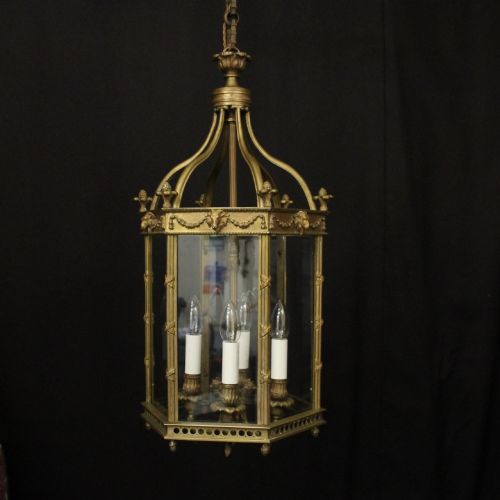
An antique hallway lantern provides overhead illumination through hanging and ceiling-mounted forms designed specifically for transitional spaces and entrance halls. These pieces appear across periods from the nineteenth century into the twentieth century, taking the form of ceiling lights, pendant lanterns, and hanging lanterns.
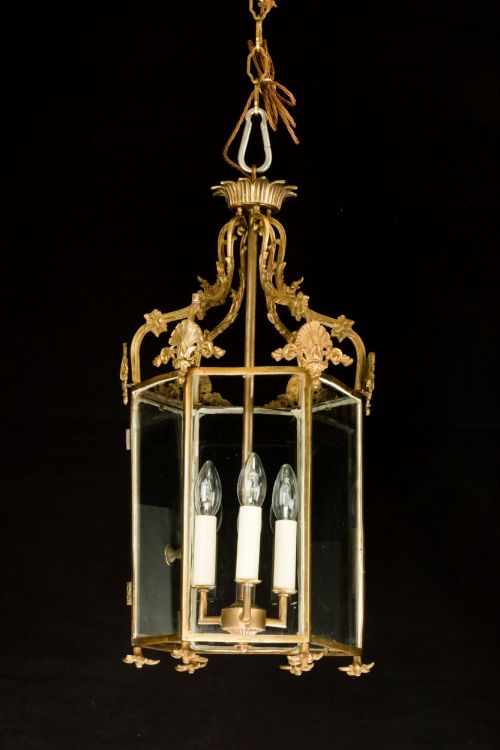
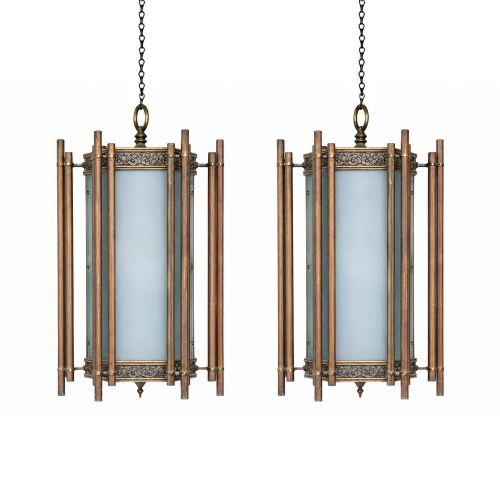
The aesthetic vocabulary draws upon distinct historical revivals and regional traditions, encompassing French chateau, Art Deco, French rococo, Regency, Victorian, and Louis XIV style designs. Buyers frequently encounter French and English origins, ranging from diminutive early nineteenth-century brass and copper fixtures to monumental pairs of American Art Deco hanging lanterns.
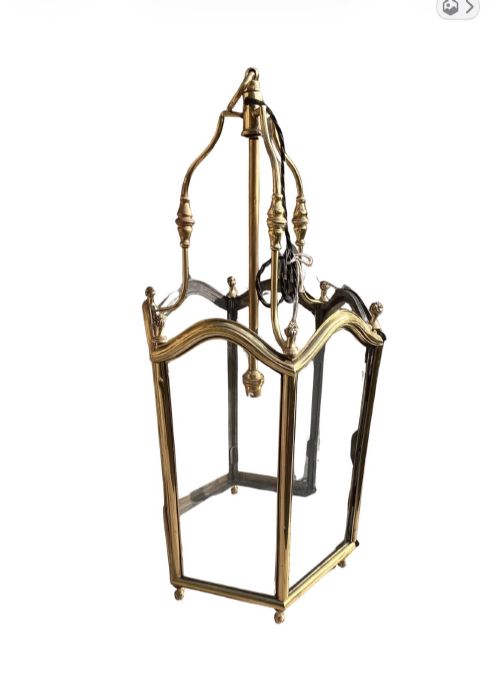
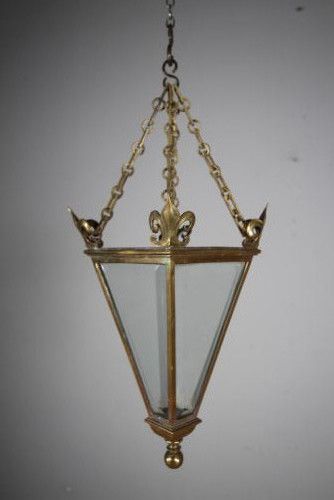
Formations vary from simple hexagonal geometries to elaborate, scrollwork-laden fixtures of considerable scale. Whether selecting a very large French lantern of nineteen-ten or a gilt bronze creation after Versailles, the focus remains on overhead presence and historical decorative intent.
Materials and construction
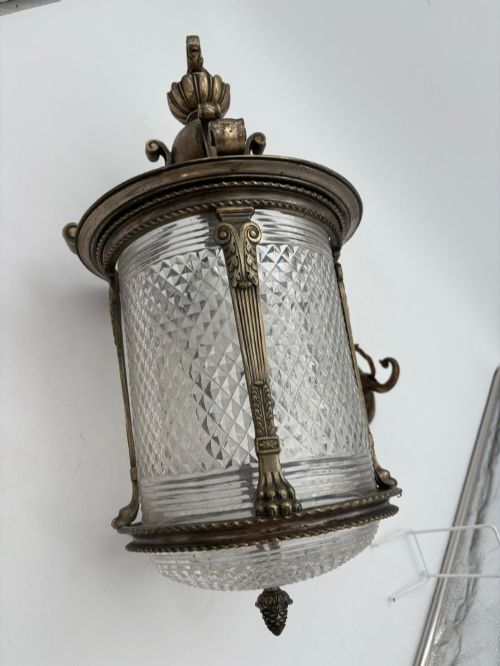
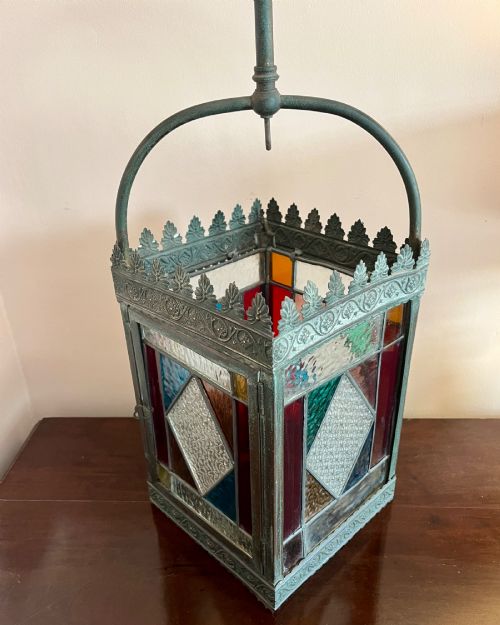
Construction relies upon durable metals such as brass, bronze, copper, ormolu, and toleware, shaped and joined to support transparent or frosted glass panes. Workshops utilised paint and gilding to enrich the surfaces of bronze and toleware, creating contrasting highlights and depth.
Metalworking techniques combine cast elements with soldered or riveted frames designed to suspend securely from ceilings. Glass panels fit snugly into metal channels or behind decorative tracery, diffusing the internal single light source across hallways.
Antique Hallway Lantern Retail Price Guide 2026
Typical asking prices for hallway lantern among the pieces listed under this phrase on Sellingantiques today, from the lower quarter to the upper quarter. They describe what is for sale here now, not the wider market.
Versailles inspired at least one maker to cast a bronze lantern grand enough to make your postman pause.
Differentiating quality in lighting
Quality reveals itself in the crispness of casting and the weight of materials, where solid bronze and heavy brass outshine lighter, pressed alternatives. The finesse of hand-applied gilding, polychrome paintwork, and decorative chased details separates standard utilitarian production from high-status decorative art.
Proportion and scale dictate the visual impact of a lantern within an interior, with superior examples exhibiting balanced symmetry and harmonious glass-to-metal ratios. The integration of complex historical styles, such as Regency or Louis XIV motifs, demands a higher standard of craftsmanship than plain geometric enclosures.
The Antique Hallway Lantern Glossary
- Ormolu
- Gilt bronze created by applying finely ground gold to a bronze base, prized for its deep metallic lustre. This technique appears on ornate nineteenth-century hall fixtures.
- Toleware
- Lacquered or painted sheet metal items, often rendered in polychrome finishes to mimic richer materials. French makers employed this technique for decorative hanging lights.
- Hexagonal
- A six-sided geometric form frequently used in lantern construction to distribute light evenly across a hallway. This shape provides structural rigidity while accommodating multiple glass panes.
- Frosted glass
- Acid-etched or sandblasted glass that diffuses light to reduce glare in narrow domestic passages. It softens the output of early internal bulbs or candles.
Antique Hallway Lantern: Frequently Asked Questions
How do I hang a heavy antique lantern?
Suspension requires professional structural assessment to secure weight safely into ceiling joists rather than plaster alone. Use appropriately rated chains and reinforced hooks that match the period metal.
Ensure the electrical wiring passes safely through the original hanging loop without compromising the structural integrity of the antique brass or bronze stem.
Where should an antique hallway lantern be placed?
These fixtures suit entryways, grand corridors, and stairwells with sufficient vertical clearance to allow passage underneath. Their primary function is to illuminate transition areas while acting as an architectural focal point.
Consider the scale of the room and ceiling height to ensure the proportional balance of large hexagonal or monumental hanging designs.
Can I convert these lanterns to modern electricity?
Most antique fixtures adapt readily to modern internal lamp holders while preserving external historical metalwork and glass panels. Qualified restorers rewire the interior to meet safety standards without altering visible components.
Retain original sockets and wiring elements where possible for historical reference, even if modern bulbs are installed for daily use.
How do I date an antique lantern?
Dating relies on stylistic clues, such as the geometric lines of Art Deco pieces versus the ornate scrolls of French rococo or Louis XIV styles. Material choices, including nineteenth-century copper and later toleware, also indicate the era of manufacture.
Compare construction methods, screw types, and glass bevelling against documented examples from specific decades like nineteen-ten or nineteen-twenty.