
Antique Hallway Console Server
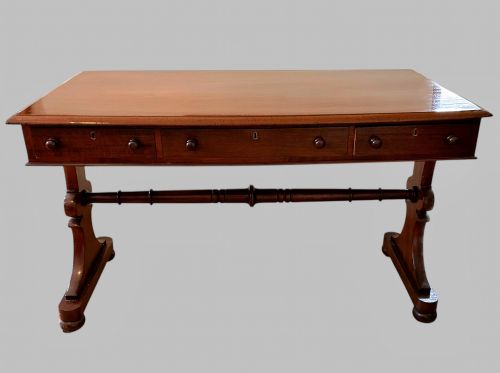
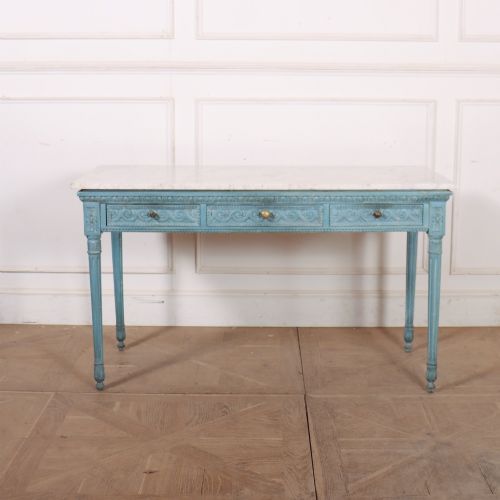
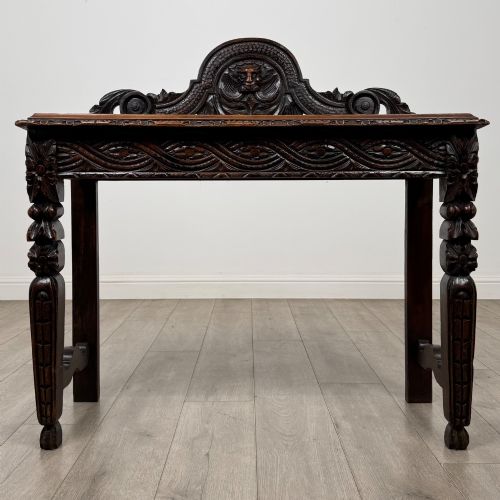
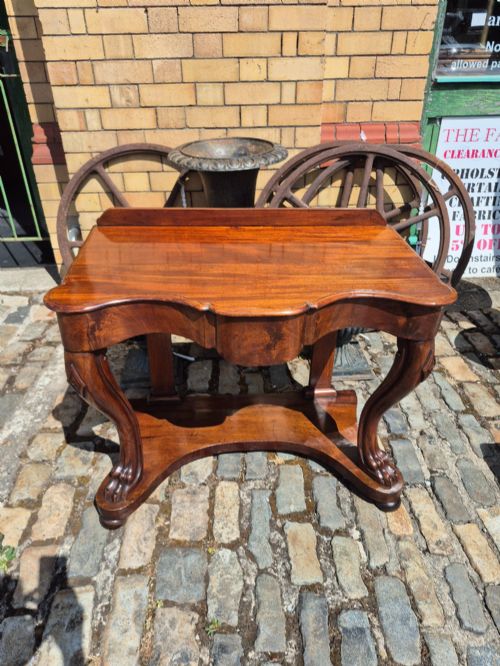
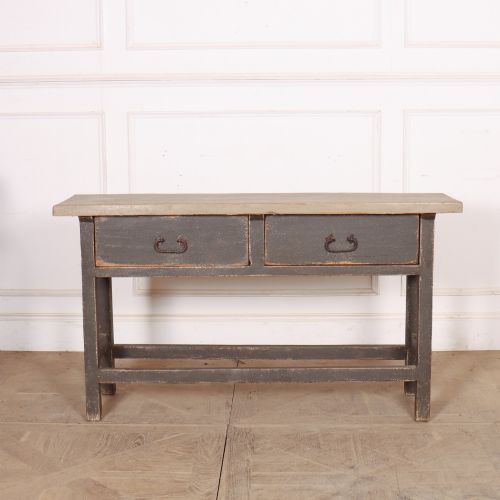
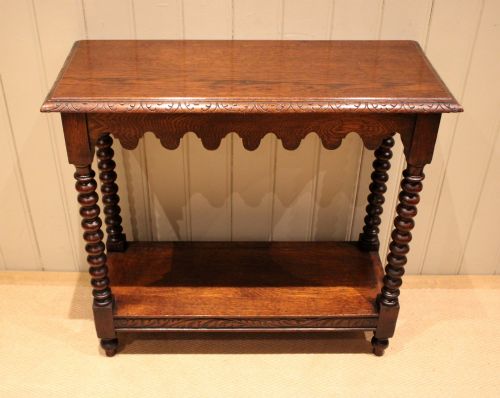
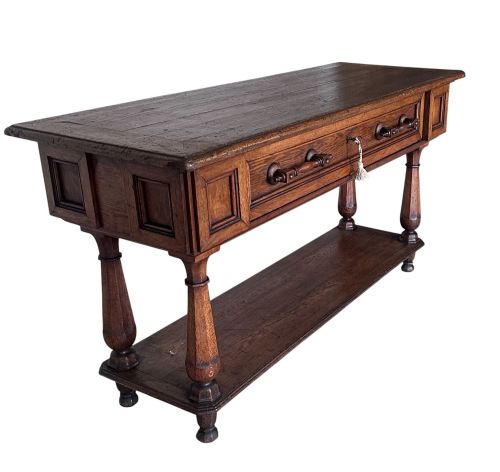
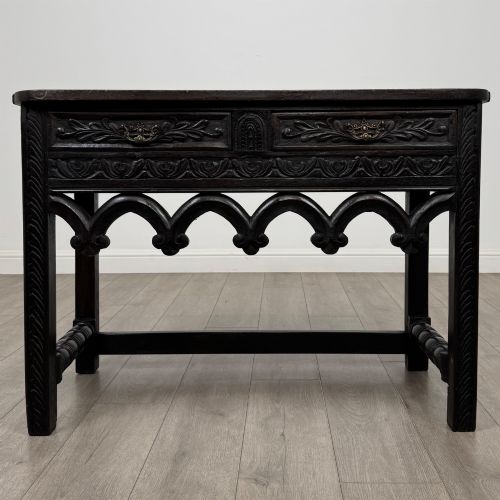
An antique hallway console server is a substantial piece designed to anchor a narrow space, offering a surface for display and storage.
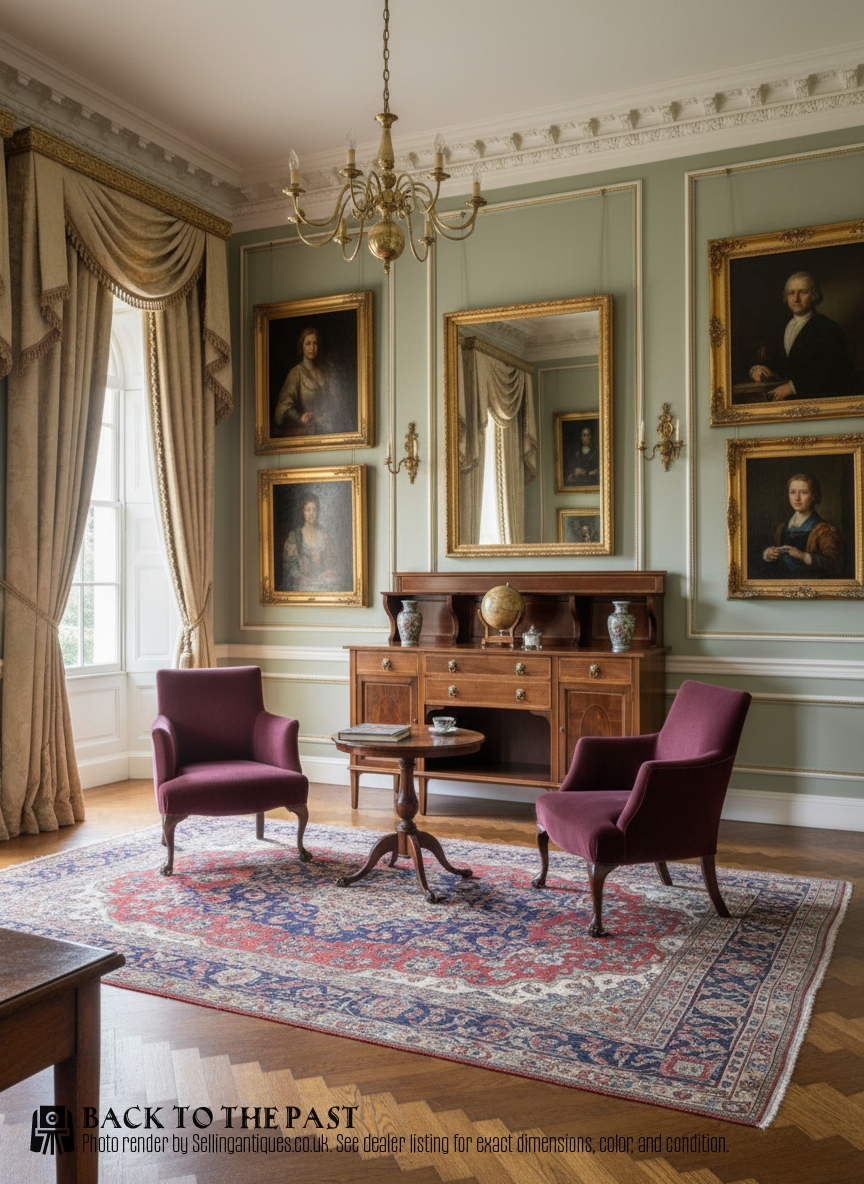
Antique Hallway Console Server
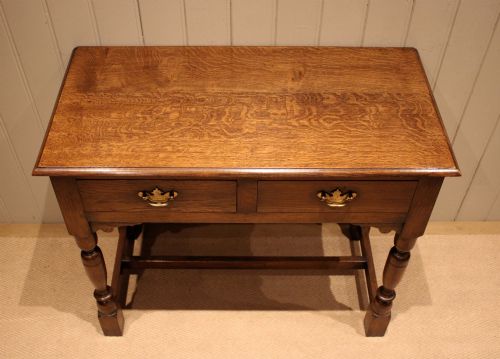
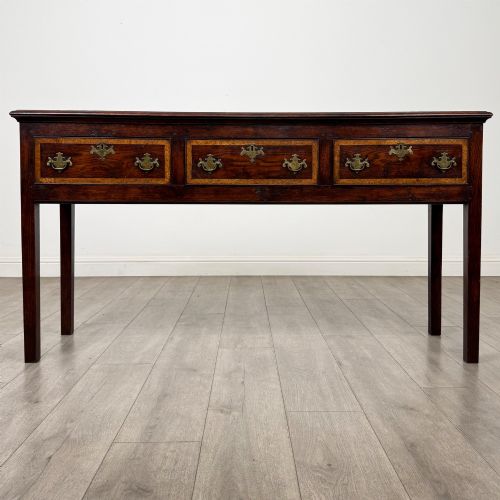
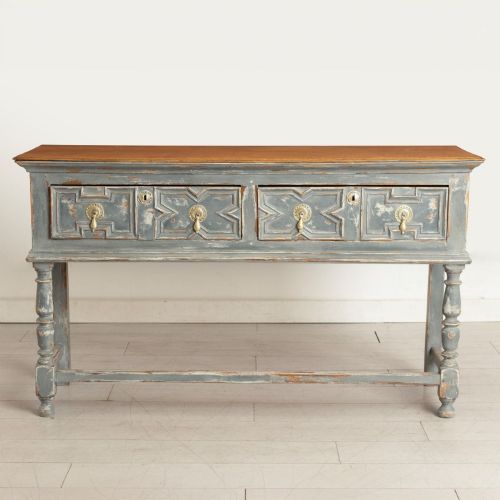
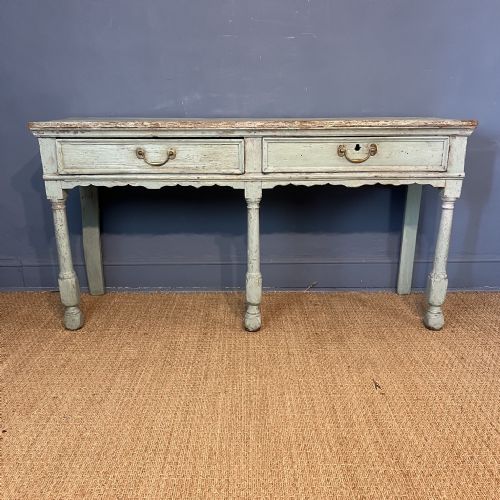
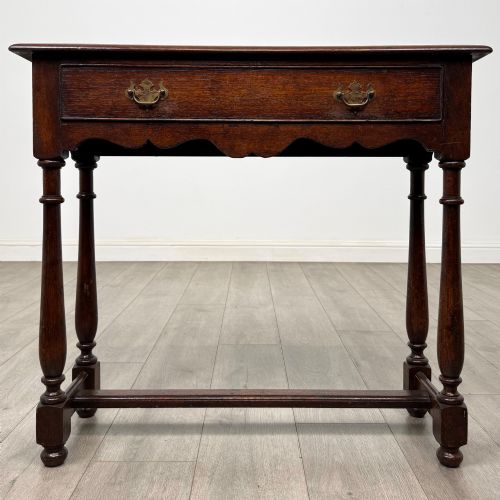
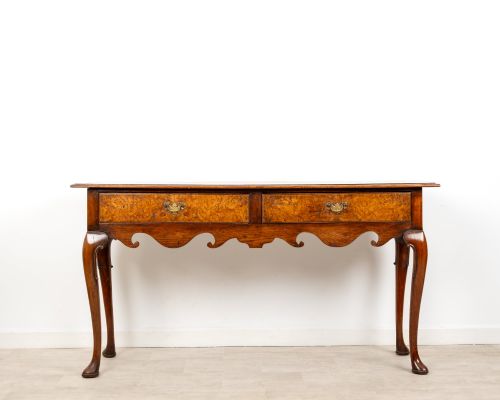
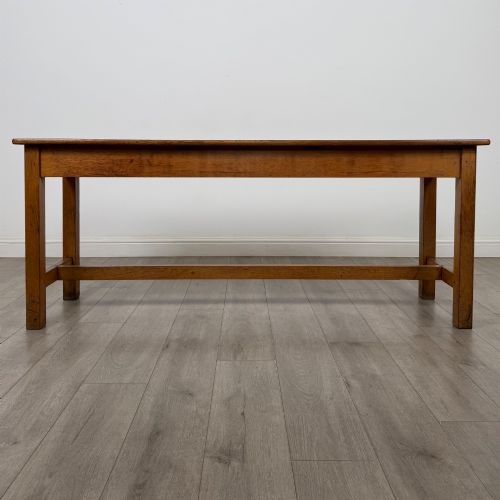
The antique hallway console server encompasses a variety of foundational forms designed for corridors and reception spaces, including console tables, side tables, serving tables, and dresser bases. Buyers searching this phrase look for functional furniture that provides a surface for placement while maintaining a shallow depth suitable for thoroughfares.
The selection ranges from robust 17th and 18th-century oak dresser bases and block-front forms to refined 19th-century mahogany serving tables and Edwardian console tables. Oak and mahogany predominate across these periods, alongside painted pine, walnut, and burr walnut.
Stylistic variations span Georgian and Victorian designs, English and French country influences, Gothic elements, and later Art Deco interpretations by makers such as Hille and retailers like Fortnum and Mason. Pieces may feature pot boards, three drawers, or carved detailing depending on their regional origin and period.
Materials and construction
Construction relies heavily on solid timbers such as oak, mahogany, walnut, and pine, chosen for structural stability and durability in high-traffic areas. Cabinetmakers utilised traditional joinery techniques, evident in the drawer construction and framing of dresser bases and console tables.
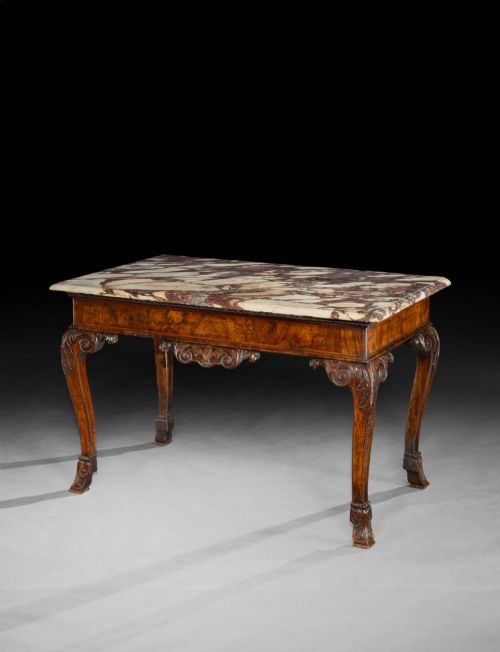
Surface finishes vary from polished mahogany and burr walnut veneers to painted pine and bleached oak. Details such as hand-carved elements, brass hardware, and marble tops appear across specific Victorian and Italian iterations.
Listings feature oak, mahogany, walnut, burr walnut, pine, and marble across the 17th, 18th, 19th, and 20th centuries.
Assessing quality and proportion
Quality rests in the selection of timber, particularly figured veneers like burr walnut or dense grain-matched solid oak and mahogany. The crispness of hand-carving and the integrity of the original structure distinguish finer examples from simpler vernacular pieces.
Proportion dictates utility in narrow spaces, where slender legs, well-balanced drawers, and harmonious scale elevate a piece above standard utility furniture.
Hille·Fortnum and Mason
The Antique Hallway Console Server Glossary
- Dresser base
- A low wooden sideboard fitted with drawers, often featuring a pot board shelf underneath for storage.
- Console table
- A table designed to stand against a wall, frequently secured to it, used in hallways and reception rooms.
- Serving table
- A large rectangular table used in dining areas or hallways for food presentation or general display.
- Pot board
- An open lower shelf fitted between the legs of a dresser base or table, traditionally used for storing pots and pans.
- Block front
- A cabinet or furniture front divided into three vertical sections, with the outer sections projecting forward and the central section recessed.
Antique Hallway Console Server: Frequently Asked Questions
Where should I place a console server?
These pieces suit entrance halls, narrow corridors, and dining rooms where surface space is required without obstructing movement.
Their shallow depth allows them to sit flush against walls while offering drawer storage and a display area for lamps or decorative objects.
What is the difference between a console and a side table?
Console tables are traditionally designed to stand against a wall and may rely on wall fixings or scrolled brackets for additional stability.
Side tables are fully freestanding pieces with four independent legs intended to sit against any room perimeter.
How do I care for antique wood surfaces?
Maintain timber surfaces by applying natural beeswax periodically and avoiding placement near direct heat sources or strong sunlight.
Regular dusting with a soft cloth preserves the polished finish and protects older veneers from drying out.