
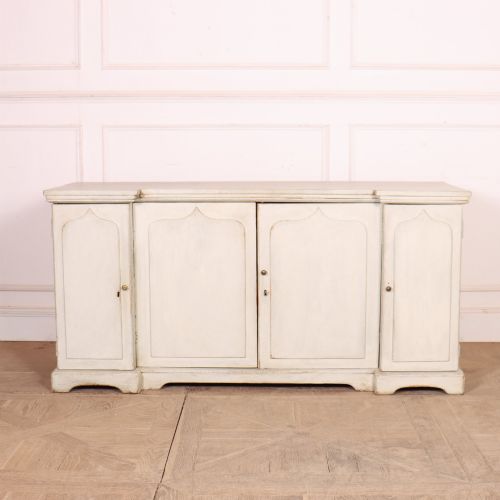
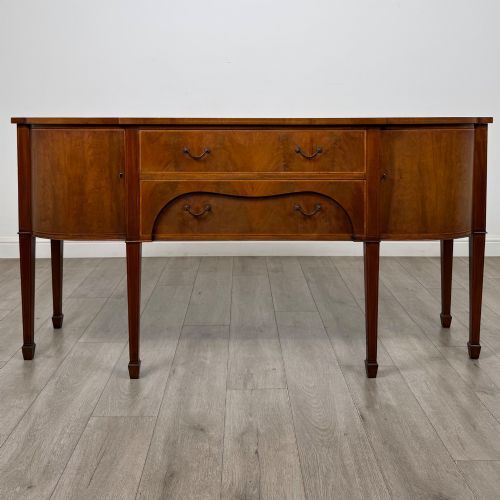
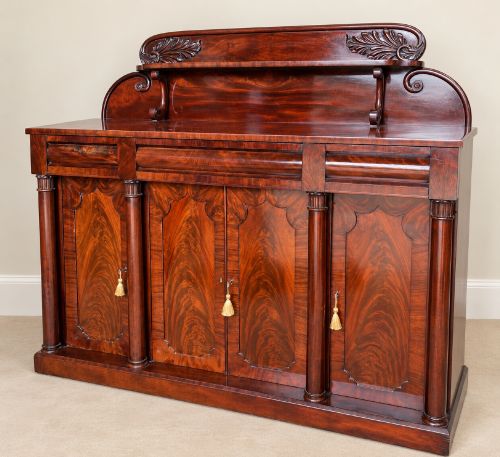
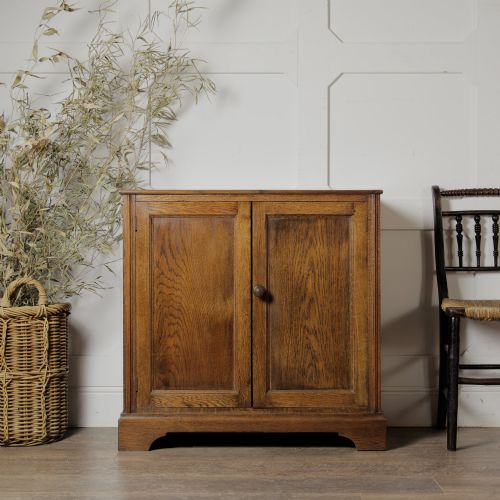
Vintage Wooden Credenza Cabinet
A vintage wooden credenza cabinet provides substantial storage and grounding presence in a room, drawing the eye with rich timber grain and period craftsmanship.
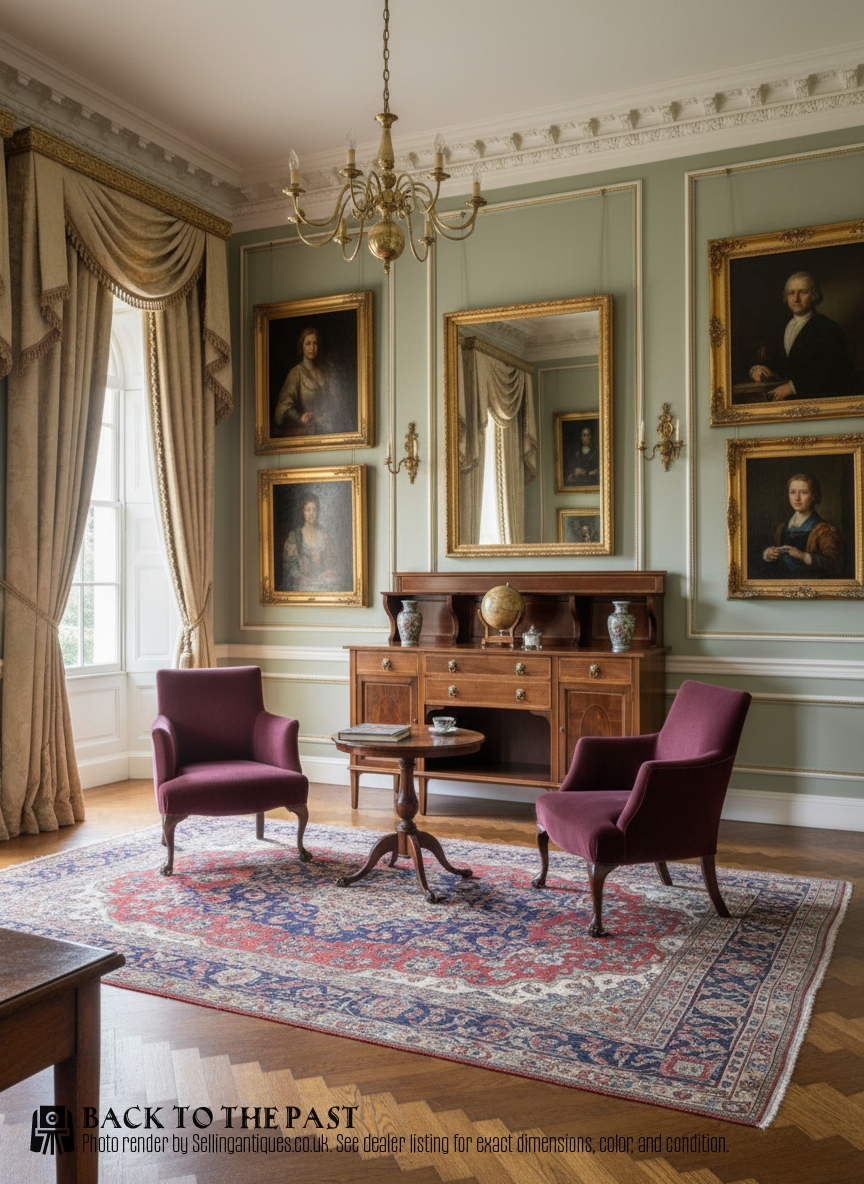
Vintage Wooden Credenza Cabinet
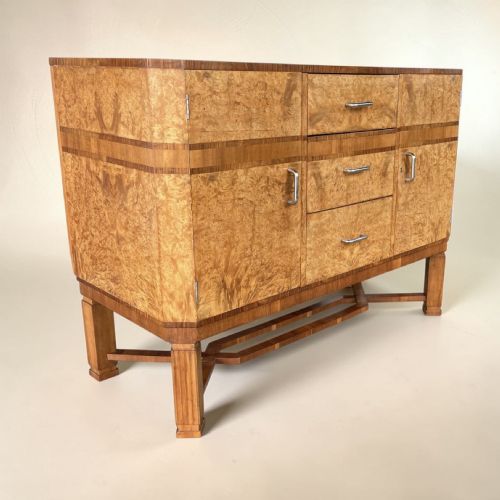
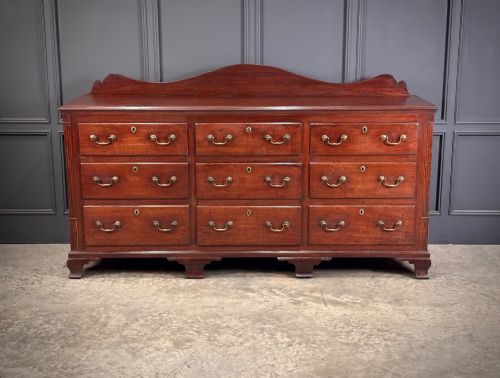
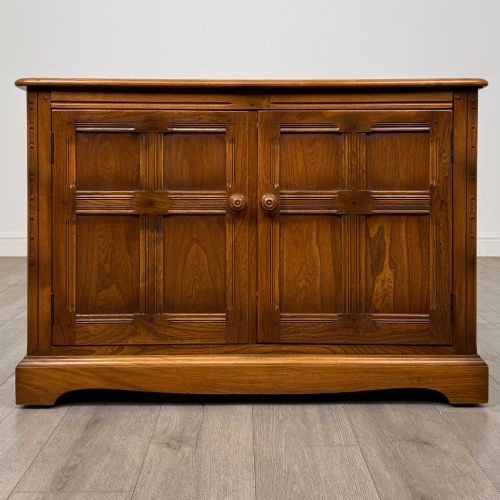
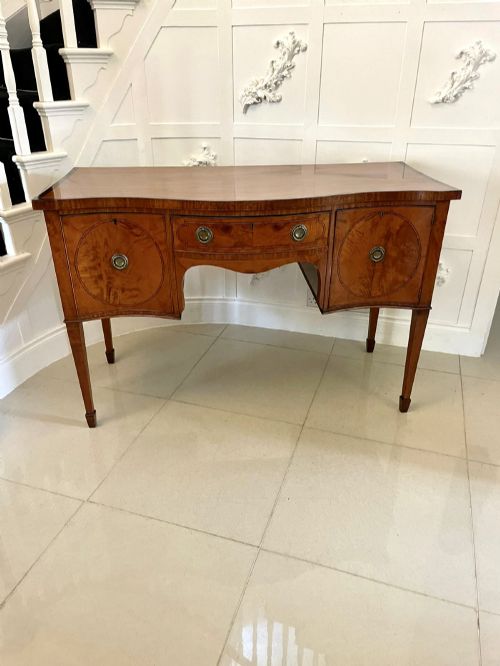
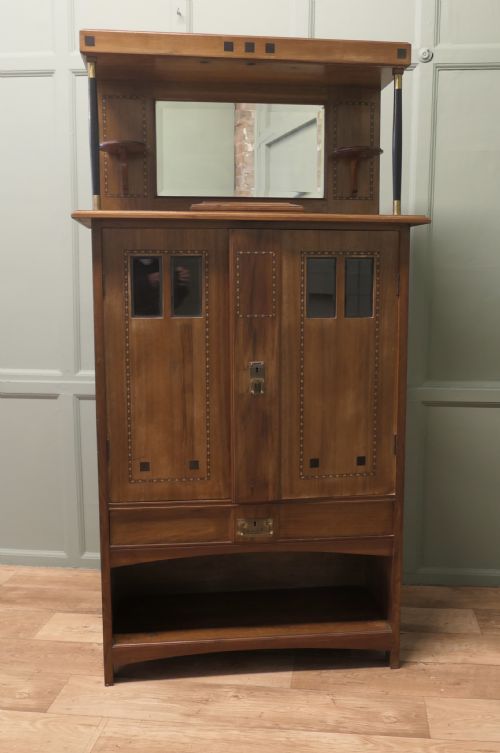
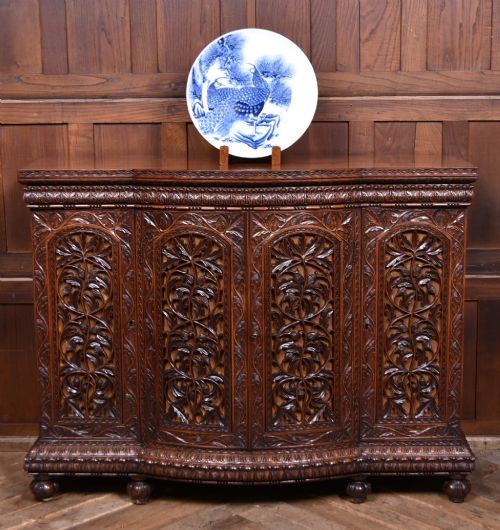
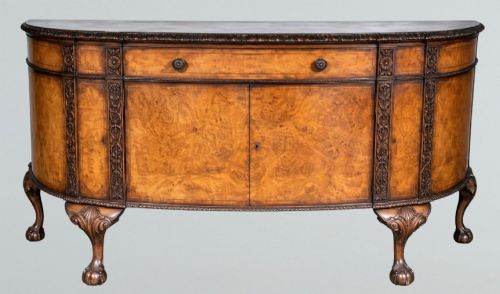
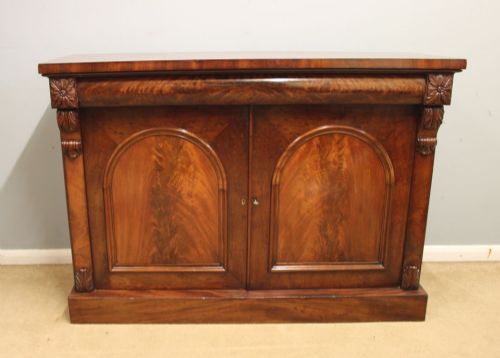
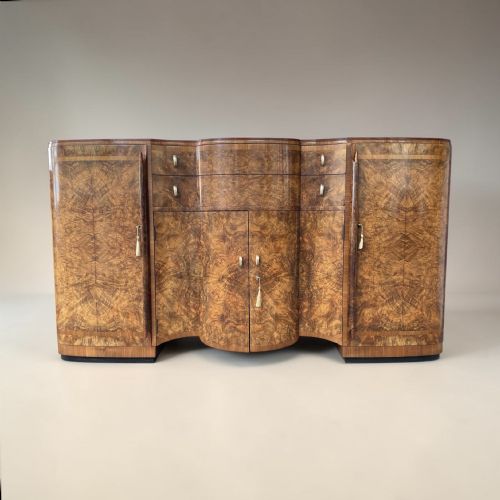
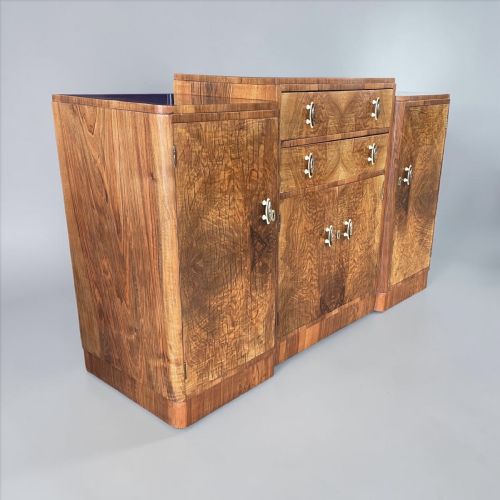
A vintage wooden credenza cabinet encompasses heavy timber sideboards, side cabinets, and low cupboards spanning the 18th century through the 1930s. Buyers searching this phrase meet versatile serving furniture and display pieces originating from Edwardian, Victorian, Regency, and Art Deco periods.
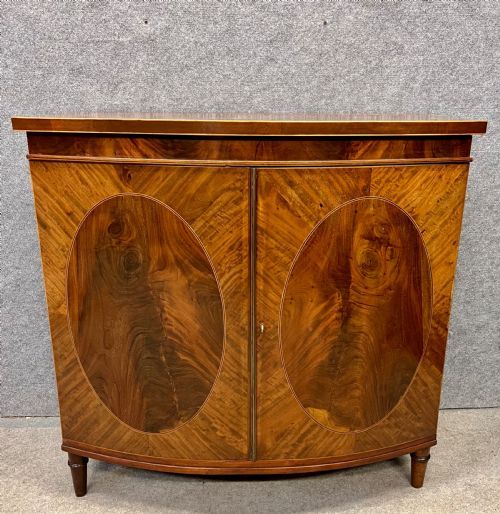
The offerings frequently take the form of mahogany bow-front sideboards, oak cupboards, and burr walnut side cabinets. These substantial objects served historically to store silver, linen, and dining ware while offering a broad surface for presentation.
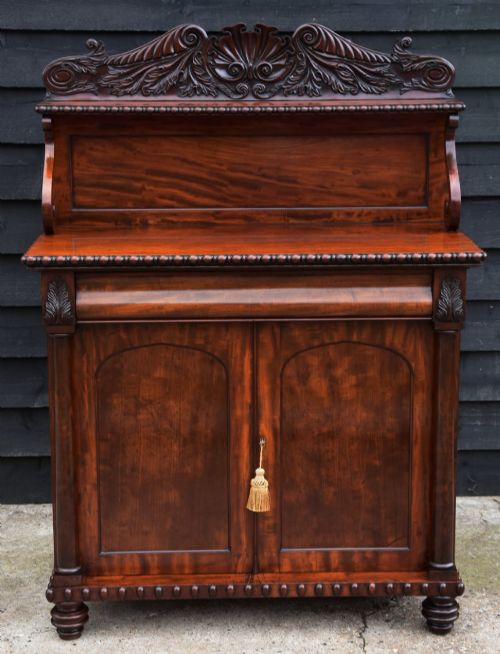
Makers and designers working in varied regional idioms left behind pieces utilising satinwood, oak, and elm. Pieces range from austere early 20th-century low cupboards to heavily carved Victorian chiffoniers and streamlined 1930s designs.
Materials and Construction
Cabinet makers relied primarily on dense hardwoods such as mahogany, oak, and walnut, frequently applying burr walnut or satinwood veneers to create striking surface patterns. Structural framing utilised solid timbers while secondary woods formed internal drawer linings and back panels.
Surface ornamentation involved intricate inlay work, delicate carved details, and applied brass hardware or iron handles. Finishes relied on traditional wax or polish applied directly to the timber to accentuate natural grain variations.
Several cabinets manage to conceal twelve-piece cutlery sets entirely within their timber frames, ready for impromptu feasts.
Assessing Quality
Quality rests upon the selection of timber veneers and the precision of joinery in structural elements like drawers and doors. Superior examples display seamless grain matching across large surfaces and tightly fitted dovetail joints that endure decades of use.
The integrity of original brass or iron hardware and the retention of authentic surface patination distinguish finer items. Workshops that employed careful timber seasoning avoided the warping and splitting common in lesser constructions.
Maurice Adams·Edward Barnsley·Gomme·Whytock and Reid
The Vintage Wooden Credenza Cabinet Glossary
- Credenza
- A sideboard or cabinet designed for serving food and storing dining accessories. These items typically feature low profiles with cupboards or drawers.
- Bow-front
- A convex curving cabinet front that projects outward in an arc. This shaping required advanced carpentry skills to bend timber or shape solid wood accurately.
- Chiffonier
- A compact sideboard or tall movable cupboard developed in the 19th century. They often incorporate a raised shelf or mirror back above the main surface.
- Breakfront
- A cabinet facade where the central section projects forward from the flanking wings. This architectural arrangement creates depth and visual rhythm across the piece.
- Burr walnut
- Timber taken from the abnormal growth of a walnut tree, yielding swirling patterns. Cabinet makers prized this wood for decorative veneering on prominent doors and drawer fronts.
Vintage Wooden Credenza Cabinet: Frequently Asked Questions
What is a credenza cabinet?
A credenza cabinet is a low storage piece originating as a serving table and evolving into an enclosed sideboard for dining rooms or living spaces. These cabinets combine cupboards and drawers behind decorative wooden doors.
They provide ample surface area on top while keeping tableware, linens, or media equipment neatly concealed within timber frames.
How do I date a wooden cabinet?
Dating relies on examining the timber species, construction methods, and prevailing decorative styles of the period. Georgian and Regency pieces show hand-cut dovetails and native hardwoods, while Edwardian and 1930s items reflect machine assistance and modernist influences.
Hardware styles, secondary woods, and any stamped maker marks offer further clues to the exact decade of manufacture.
Where should I place a credenza?
These cabinets suit dining rooms for storing serving dishes, but they work equally well in hallways or living areas as low credenzas and media units. Their substantial length anchors a long wall and provides a convenient surface for lamps or art.
Ensure adequate floor space allows cabinet doors and drawers to open fully without obstruction from surrounding furniture.
How do I care for antique wood?
Protect antique timber by keeping it away from direct sunlight and sudden temperature shifts that cause wood to dry and split. Apply occasional appropriate wax polish to nourish the grain and maintain the surface sheen.
Avoid placing damp items directly onto the polished wooden top without protective coasters or mats.