

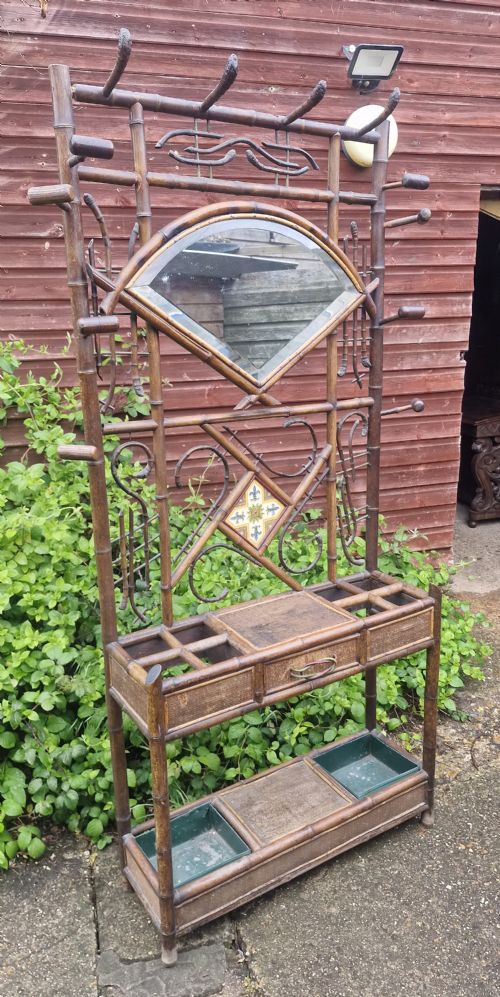


Antique Hallstand Umbrella Rack
An antique hallstand umbrella rack grounds an entrance hall, combining timber framework and metal fittings to keep coats and walking sticks in order.
Antique Hallstand Umbrella Rack
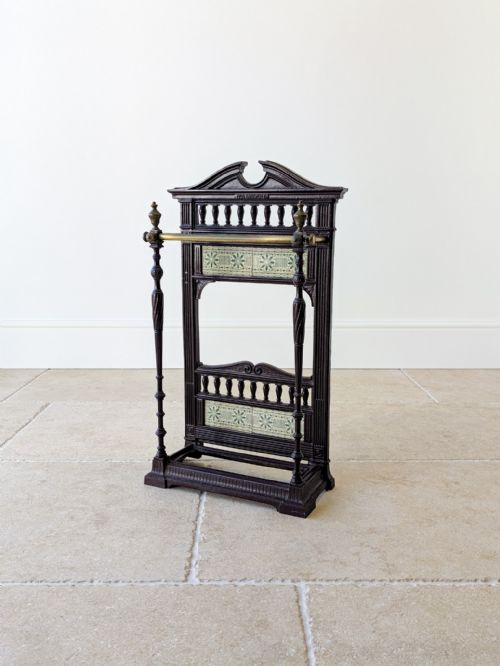
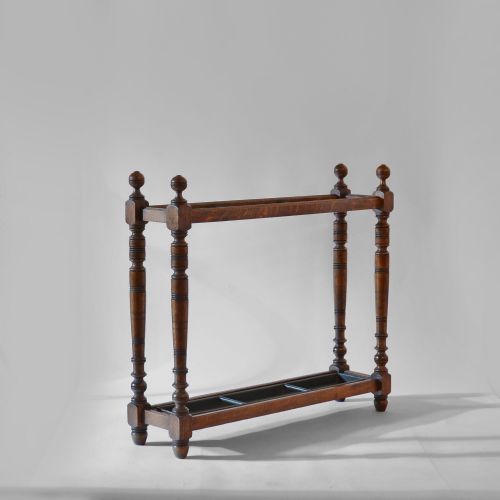
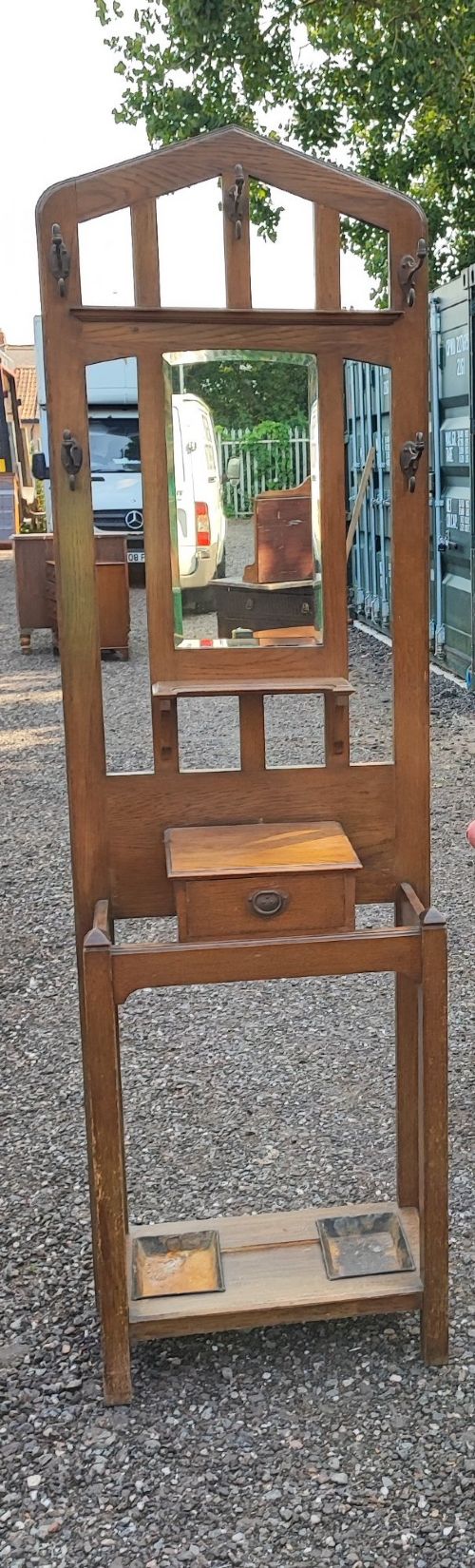
An antique hallstand umbrella rack is a functional hallway furnishing designed to hold coats, hats, and walking sticks in domestic interiors. When searching this phrase, buyers encounter substantial timber frameworks alongside heavy metal stick stands dating from the nineteenth and early twentieth centuries.
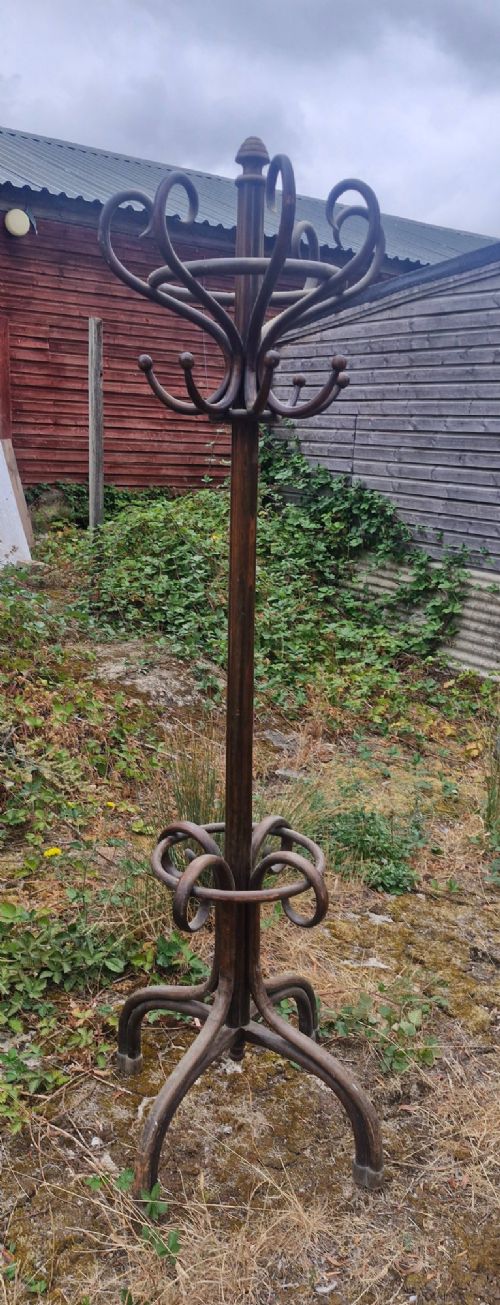
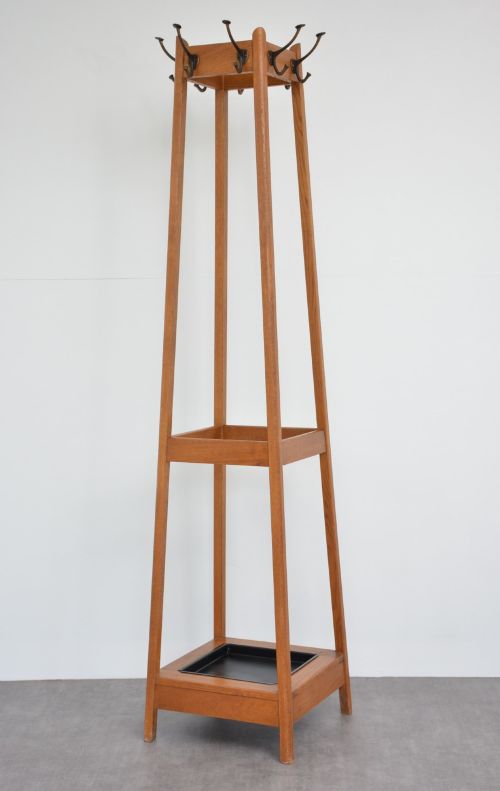
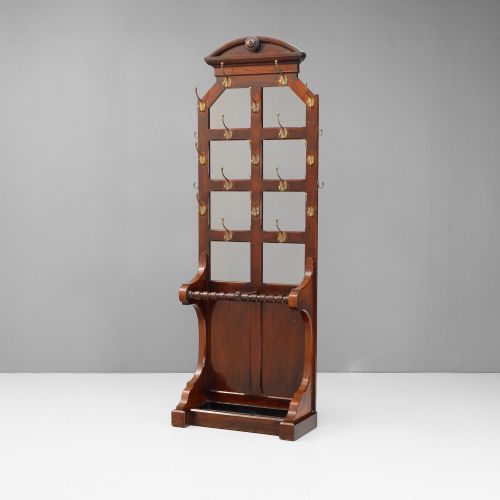
The pieces appearing here span distinct stylistic movements, notably Victorian, Edwardian, Arts and Crafts, and Aesthetic Movement designs. Oak and mahogany examples predominate alongside cast iron and bentwood iterations.
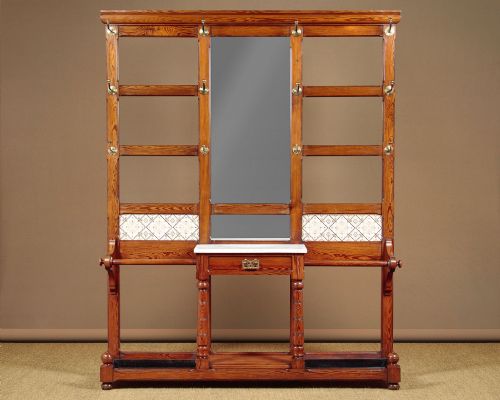
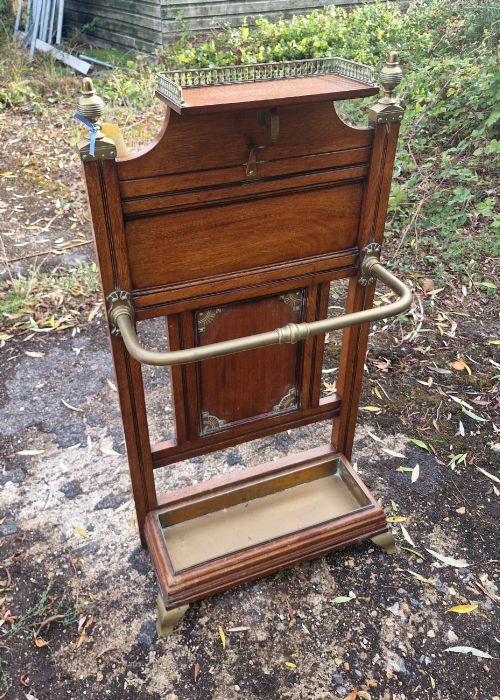
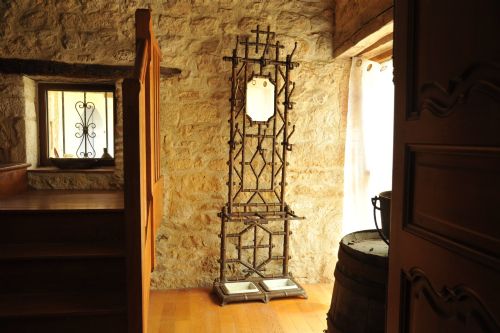
Most entries integrate mirror panels, coat hooks, and dedicated drip trays beneath lower umbrella wells. These structures address the practical requirements of period hallways while displaying characteristic regional cabinetmaking.
Materials and construction
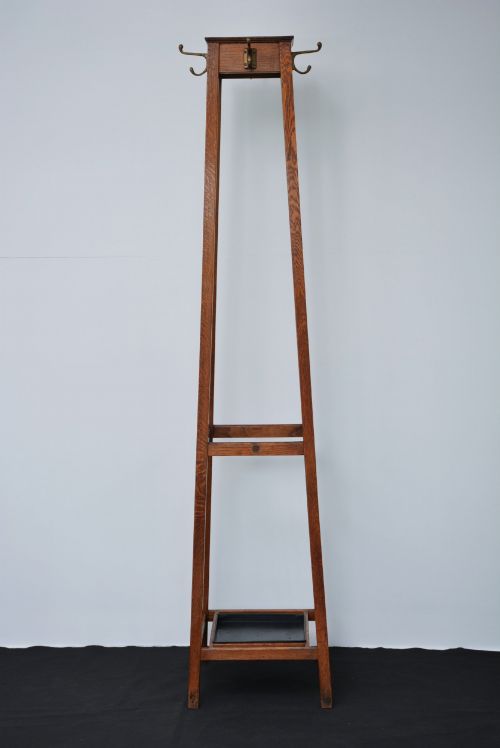
Makers utilised dense hardwoods such as oak, mahogany, and pine for the main carcass of timber hallstands, often incorporating hand-carved details or applied mouldings. Bentwood examples rely on steamed beech shaped into curved profiles, while lighter variations employ faux bamboo turnings.
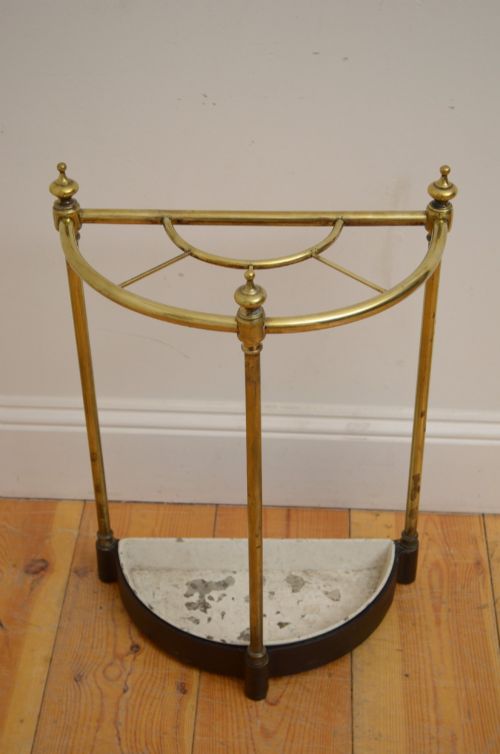
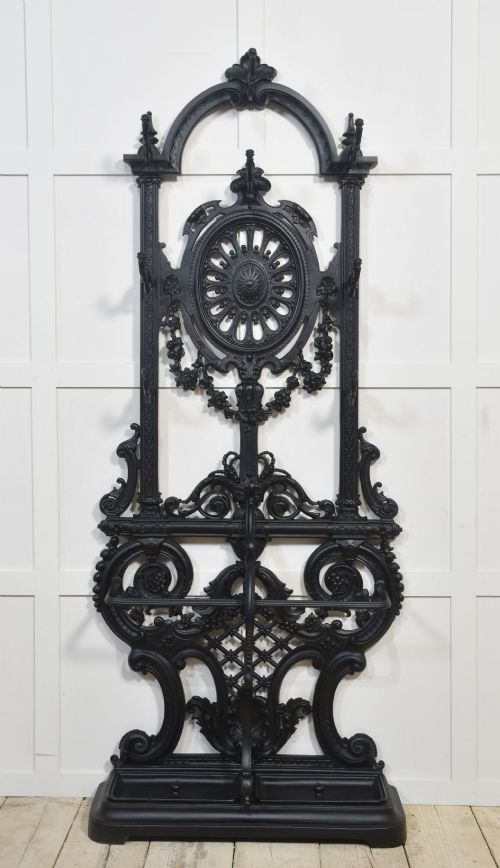
Metal elements form a crucial component, with cast iron utilised for heavy stick stands and coalbrookdale-style umbrella racks featuring moulded plant or mythological motifs. Brass rods, hooks, and removable metal drip trays provide functional contrast against the dark timber surfaces.
A carved wooden bear stands ready in the hallway, holding out a paw to mind your walking sticks.
Distinctions in standard
Quality reveals itself in the structural integration of the timber frame and the crispness of any carved ornamentation. Heavier pieces exhibit robust joinery and substantial backboards, whereas lesser examples rely on thinner veneers and simpler bracket attachments.
The precision of foundry work dictates the standard in cast iron umbrella stands, where finely rendered foliage or animal figures distinguish superior castings from plain commercial reproductions. Original hardware, intact bevelled mirror glass, and matching metal drip trays further separate finer items from standard utility pieces.
Coalbrookdale·Falkirk Ironworks·James Shoolbred·Fischel
The Antique Hallstand Umbrella Rack Glossary
- Coalbrookdale
- A prominent nineteenth-century ironworks known for intricate cast iron stick stands and hallstands. Their designs frequently incorporate naturalistic plant forms and mythological figures.
- Bentwood
- A technique involving steaming timber, typically beech, to bend it into curved structural shapes. This method creates lightweight yet resilient frames for hats and coats.
- Drip tray
- A removable metal basin positioned at the base of an umbrella rack to catch water from wet sticks. These trays protect the surrounding wooden floorboards from moisture damage.
- Faux bamboo
- A decorative turning style applied to wood to imitate natural bamboo stalks. It appears frequently on late nineteenth-century hall furniture.
- Aesthetic Movement
- A late nineteenth-century design style emphasising visual beauty over narrative function. Pieces from this movement often feature ebonised finishes and stylized brass fittings.
Antique Hallstand Umbrella Rack: Frequently Asked Questions
How do I care for an antique oak hallstand?
Apply a traditional beeswax polish periodically to nourish the dry hardwood and maintain a soft lustre across the timber surfaces.
Avoid placing the piece near direct heat sources or damp exterior doors, which can cause the wood to warp or split over time.
Are cast iron umbrella stands heavy?
Yes, cast iron umbrella racks possess considerable weight designed to prevent tipping when holding heavy walking sticks and wet umbrellas.
This robust metal construction requires careful placement on stable flooring to avoid surface indentation.
What is the purpose of the integrated mirror?
The central mirror allowed inhabitants to check their appearance before leaving the house during the Victorian and Edwardian eras.
It also served to reflect light into narrow, dark entrance hallways characteristic of period homes.
How do I distinguish Edwardian pieces from Victorian ones?
Edwardian hallstands generally exhibit lighter oak timbers and simpler geometric or Arts and Crafts lines compared to earlier styles.
Victorian pieces tend toward darker mahoganies, heavier proportions, and more ornate carved ornamentation or Gothic Revival detailing.