



Decorative Umbrella Stand
A decorative umbrella stand organises the hallway with substance, offering heavy metals, ceramics and rustic forms designed to catch the weather.
Decorative Umbrella Stand
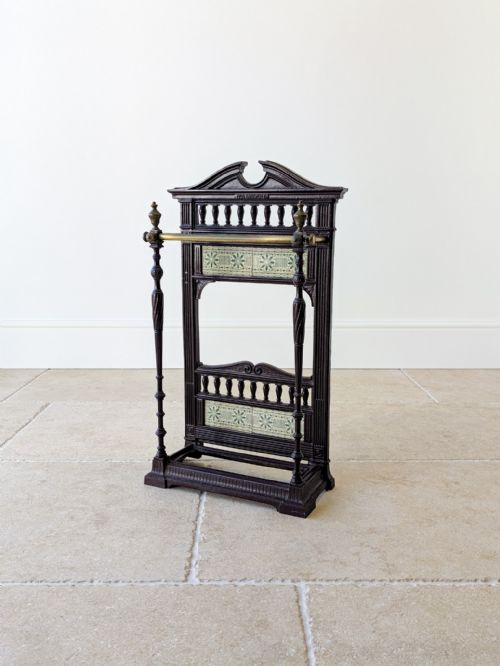
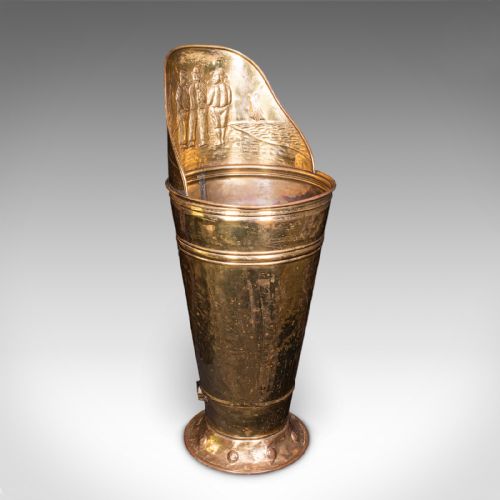
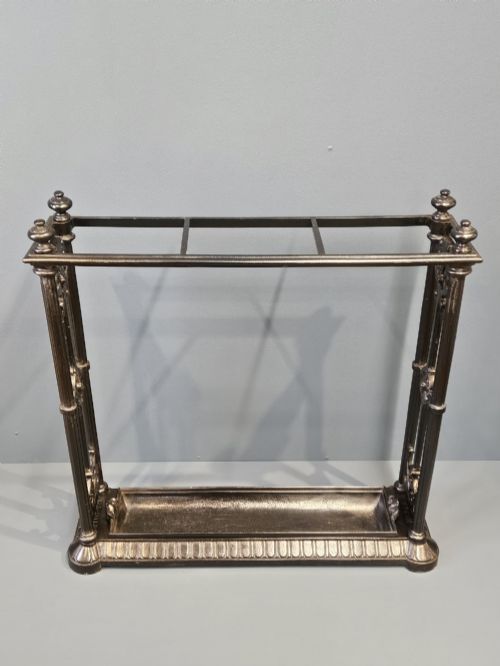
A decorative umbrella stand serves as a functional anchor for the hallway, designed to hold wet walking sticks, canes and umbrellas before they reach the main rooms. Buyers seeking a decorative umbrella stand encounter a robust mix of Victorian cast iron, heavy brass, and occasional ceramic or wooden forms.
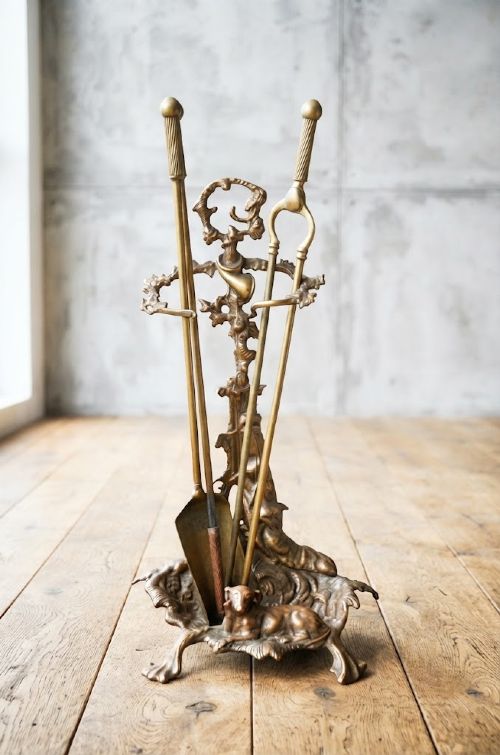
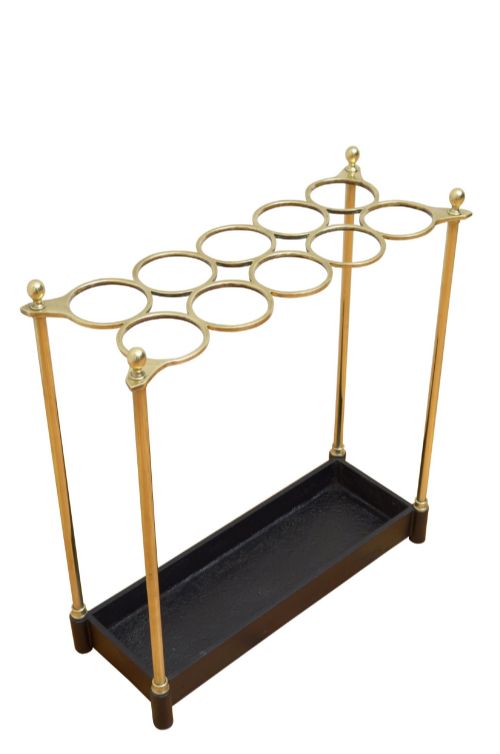
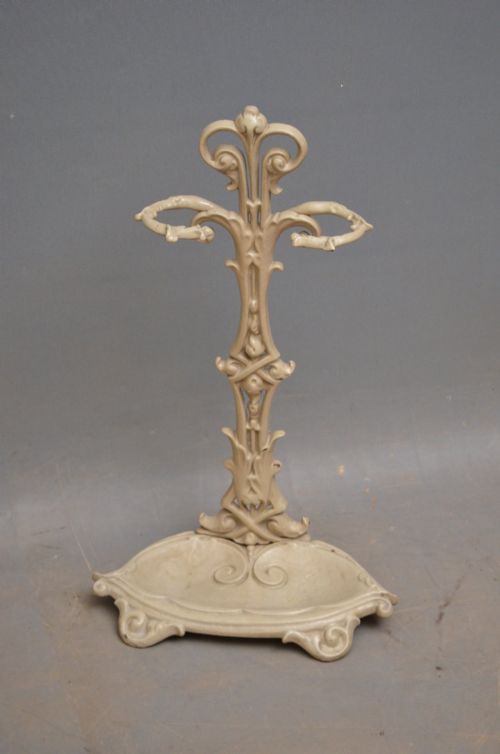
The pieces appearing here span the Victorian era through the Edwardian period and into the early twentieth century, reflecting varied tastes from Gothic Revival to Art Nouveau. Cast iron examples often carry intricate pierced patterns or figural motifs, while brass versions lean towards polished ball finials and hunting scenes.
Many items perform double duty as stick stands or fire companion stands, appearing in materials ranging from copper and painted steel to dug-out tree trunks and leather baskets. This variety ensures that whether a hallway demands industrial utility or refined Aesthetic Movement style, an appropriate piece is present.
Depth of detail and structural integrity
Quality rests upon the crispness of the casting and the ambition of the design, where sharp relief work on iron and detailed figural subjects distinguish superior examples from plain utilitarian boxes. The presence of named foundry work or distinct artistic movements elevates a piece significantly.
Durability depends heavily on the survival of original drip trays and the integrity of joints in composite brass or iron structures. Pieces that retain their structural soundness without heavy corrosion or replacement parts command greater interest from collectors.
One exceptional hat, coat, and stick stand is cunningly formed from three crossed wooden pikes.
Coalbrookdale·Burmantofts Faience
The Decorative Umbrella Stand Glossary
- Cast iron
- An iron-carbon alloy poured into moulds to create rigid, highly detailed objects. It provides the heavy base weight essential for preventing tipping when loaded with wet umbrellas.
- Aesthetic Movement
- A late nineteenth-century design style emphasising visual beauty over narrative meaning. Pieces from this movement often feature stylised natural motifs and refined geometric framing.
- Faience
- Tin-glazed earthenware known for its bright surface colours and impermeable glaze. It frequently appears in ceramic stick stands designed to withstand constant moisture.
- Finial
- A decorative crowning ornament finishing the top of a post or handle. Brass versions often utilise spherical finials to accent the corners of stands.
- Gothic Revival
- An architectural and decorative style inspired by medieval forms. Stick stands in this vein utilise pointed arches, quatrefoils, and heavy structural framing.
Decorative Umbrella Stand: Frequently Asked Questions
How do I stop rust on a cast iron stand?
Cast iron stands handle moisture best when kept clean and dry in the base pan, preventing standing water from eating into the metal over decades of daily use. Applying a light protective wax periodically helps guard the surface without altering the patina.
Ensuring the hallway has adequate ventilation also prevents condensation from settling into the intricate recesses of the casting. Regular dusting keeps the decorative details sharp and clear.
Are these stands suitable for modern umbrellas?
Most historical stands accommodate standard modern umbrellas and walking sticks comfortably, though the internal diameters vary between compact brass cylinders and wider cast iron frames. Checking the aperture size helps ensure your specific collection fits without crowding.
Many period pieces include original metal drip pans at the bottom to catch runoff, protecting your hallway floor from puddles. Placing a small modern liner inside the base offers extra protection if the original pan is missing.
How do I date a cast iron stick stand?
Dating relies on stylistic clues, such as the heavy ornamentation of Victorian Gothic Revival pieces versus the flowing organic lines of later Art Nouveau and Edwardian designs. Structural markers and registration marks occasionally cast into the iron provide further chronological context.
Foundry attributions also help narrow down the production era, particularly when matching known catalogued designs from major nineteenth-century makers. Comparing the casting crispness and hardware construction confirms the period.
Can these stands hold walking sticks and canes?
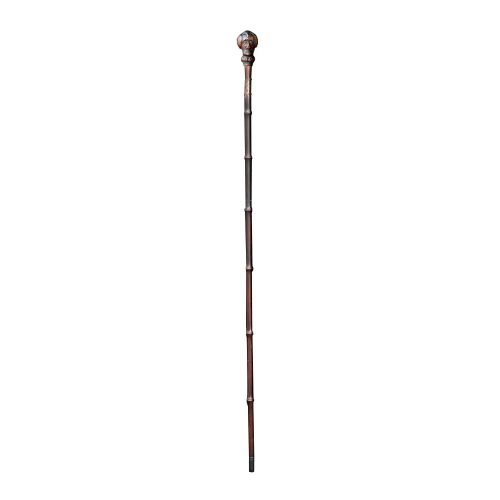
Stick stands were originally designed for both umbrellas and gentleman's walking canes, making them well-suited for mixed collections today. The tighter grill patterns often catch narrower cane tips effectively.
Grouping various lengths of sticks together creates a balanced display in the hallway. The sturdy weight of metal and ceramic frames easily supports multiple heavy walking aids.