


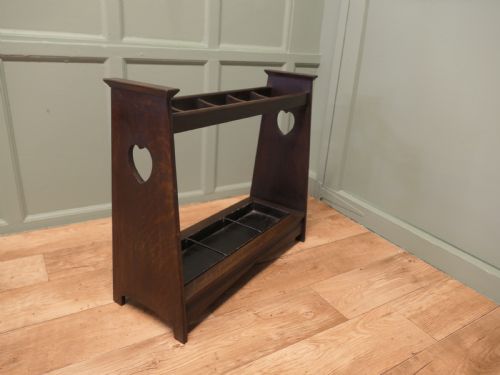
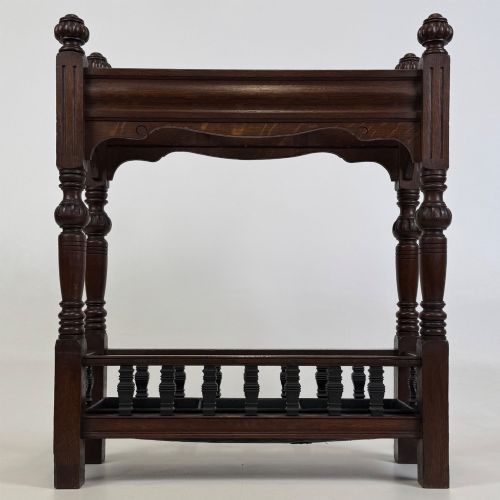
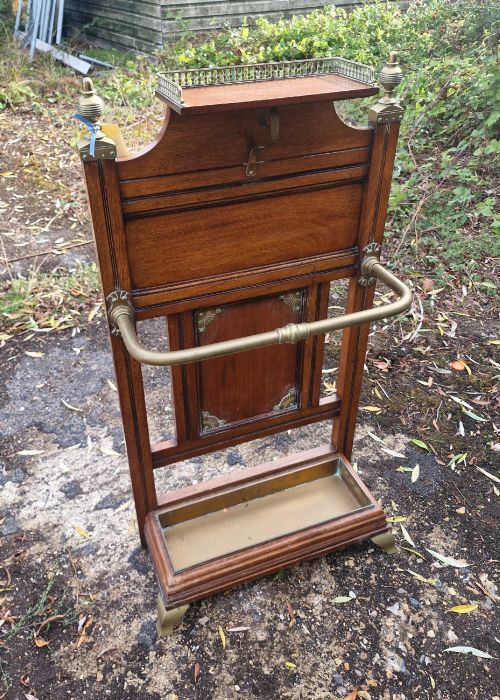
Antique Hall Stand Drip Tray
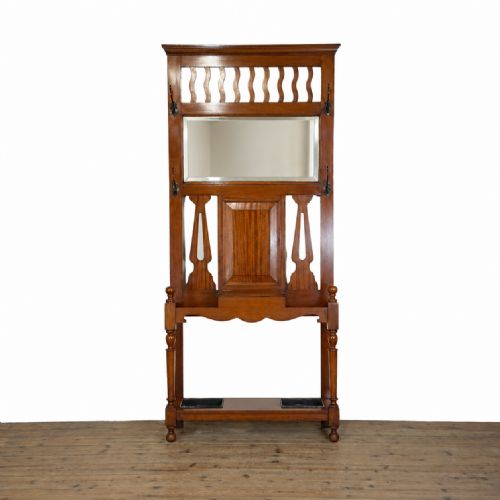
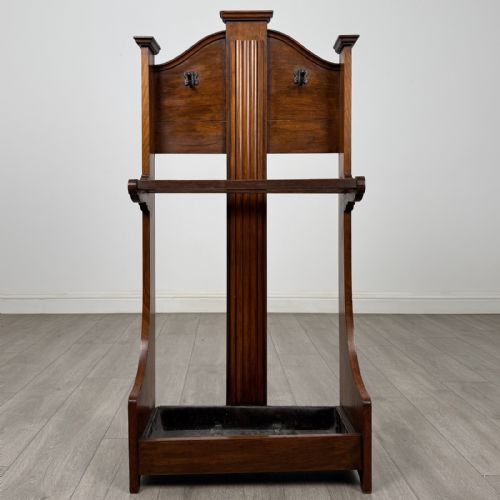
An antique hall stand drip tray captures the practical focus of past hallways, catching water from wet umbrellas and walking sticks.
Antique Hall Stand Drip Tray
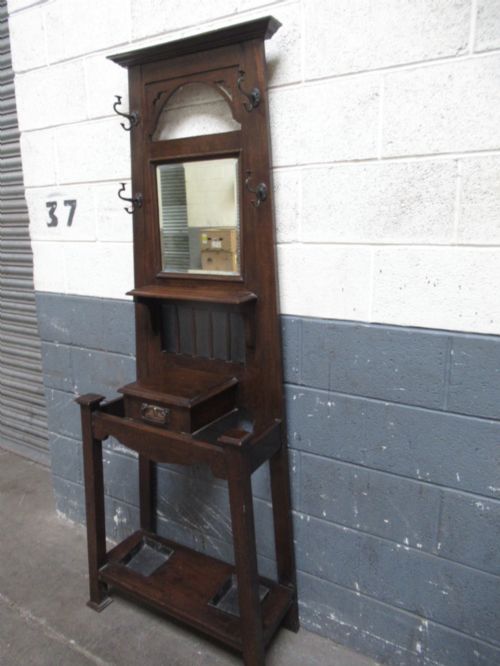
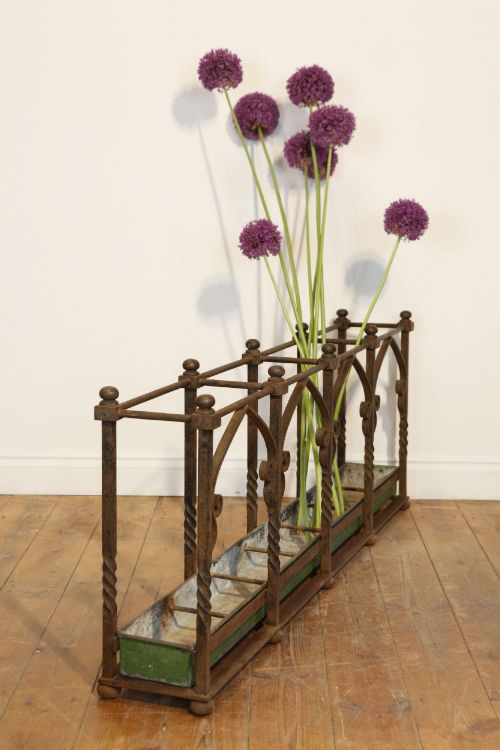
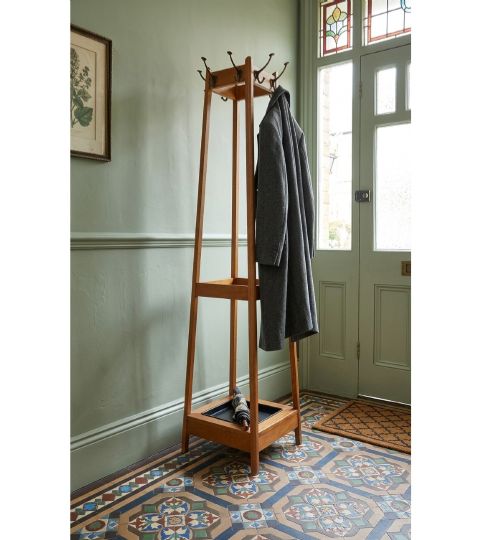
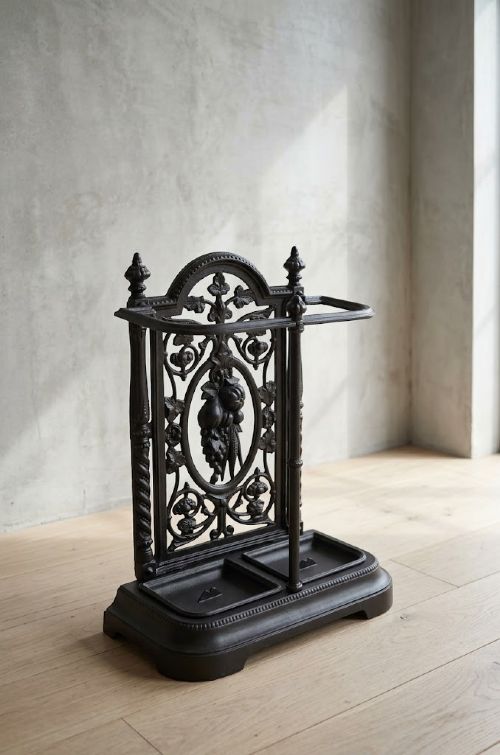
An antique hall stand drip tray serves as the foundational element designed to catch water and mud from wet umbrellas and walking sticks placed in hallways. These components appear within various umbrella stands, stick stands, and combined hall furniture from the nineteenth and twentieth centuries.
Buyers browsing this selection will most frequently encounter these items integrated into Victorian and Edwardian pieces. Oak, mahogany, and pine form the primary wooden structures, while cast iron, brass, and zinc constitute the trays themselves.
Origins span British domestic workshops alongside continental examples, reflecting the widespread need to protect hallway floors. The surviving examples range from dedicated standalone trays to fixed metal pans housed within larger coat and umbrella stands.
Materials and Construction
Makers utilised durable metals for drip trays to withstand constant moisture without rotting. Cast iron, brass, and zinc provide the rigidity and corrosion resistance required for daily use in busy entrance halls.
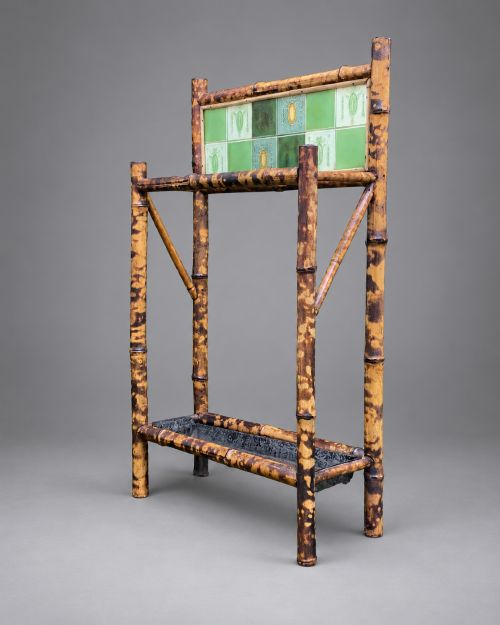
Wooden frames surrounding these trays typically employ oak, mahogany, or pitch pine, joined with traditional carpentry methods. Metal components are often cast or pressed, paired with removable pans designed to facilitate easy emptying and cleaning.
Antique Hall Stand Drip Tray Retail Price Guide 2026
Typical asking prices for hall stand drip tray among the pieces listed under this phrase on Sellingantiques today, from the lower quarter to the upper quarter. They describe what is for sale here now, not the wider market.
Listings feature oak, mahogany, and pine alongside cast iron and brass, spanning the Victorian and Edwardian eras.
Assessing Quality and Execution
Quality reveals itself in the substantial weight of the metal and the integrity of the surrounding woodwork. Heavier cast trays and thicker timber frames denote superior original manufacture compared to lighter, utilitarian alternatives.
Design ambition separates standard utility pieces from finer examples influenced by specific artistic movements. Integration of decorative brass work, careful wood carving, and original removable trays rather than modern replacements elevate the standing of the piece.
Heals of London·Liberty Design
The Antique Hall Stand Drip Tray Glossary
- Drip tray
- A removable metal basin positioned beneath umbrella and stick holders to catch moisture from wet items. These pans are typically formed from zinc, brass, or cast iron.
- Hall stand
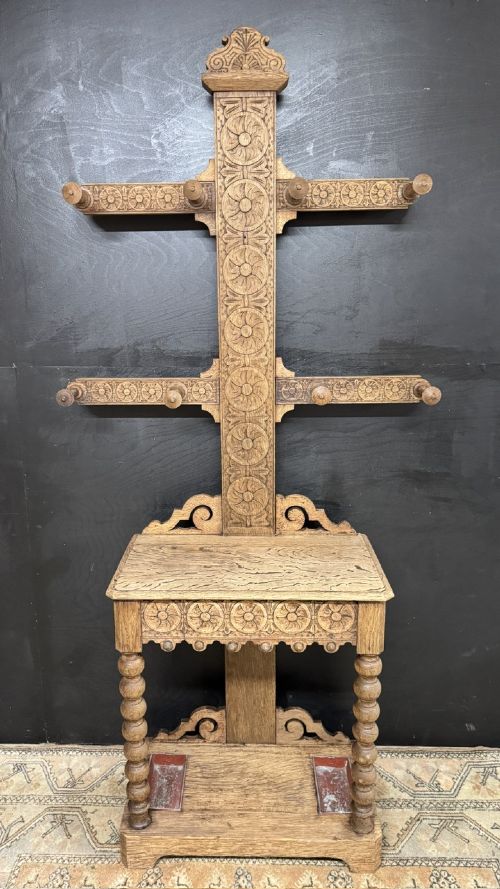
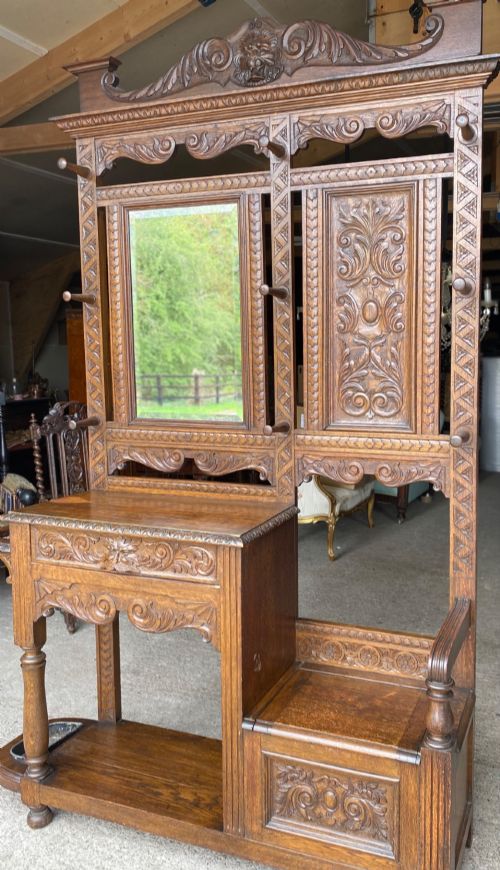
- A piece of entrance furniture combining coat hooks, umbrella holders, and frequently a mirror or seat. Many incorporate integrated drip trays at the base.
- Stick stand
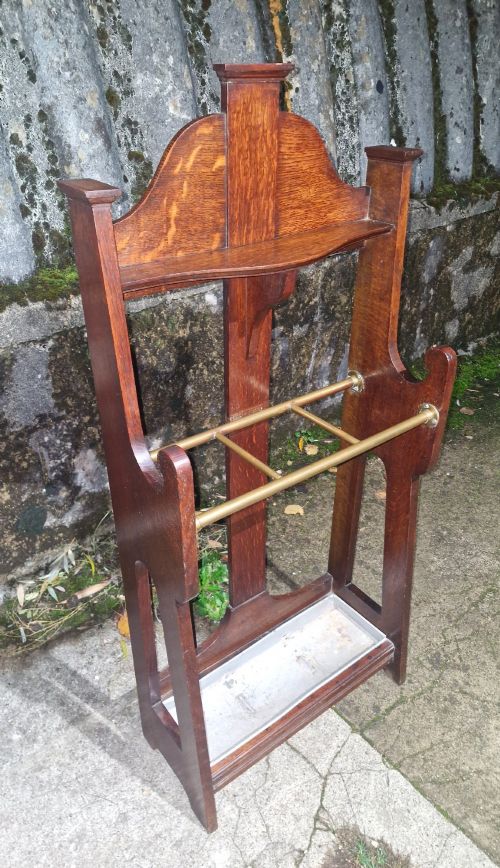
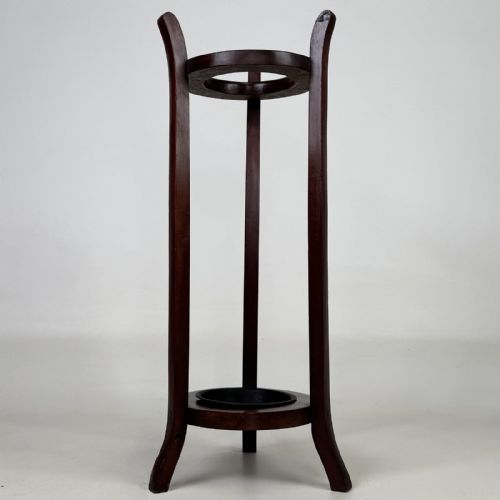
- A compact furnishing designed solely to hold walking sticks and umbrellas upright. They often feature metal rings above a matching floor tray.
- Demi lune
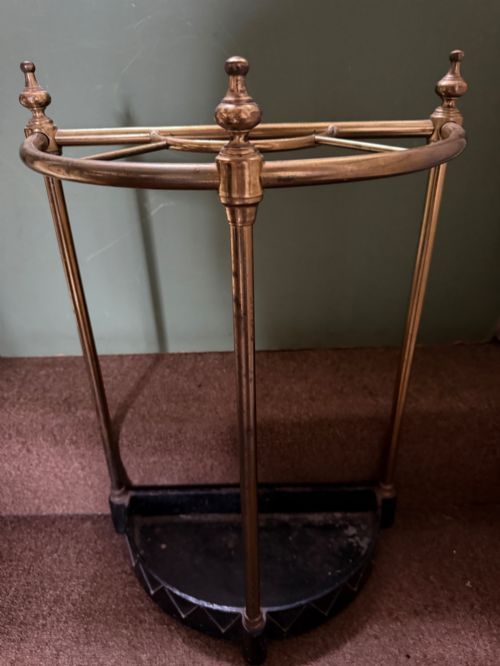
- A half-moon shape characteristic of certain brass and cast iron umbrella stands designed to fit flat against a hallway wall.
Antique Hall Stand Drip Tray: Frequently Asked Questions
What is an antique hall stand drip tray?
An antique hall stand drip tray is a metal pan placed at the base of an umbrella or stick stand to protect hallway floors from moisture.
These trays are usually removable to allow for easy emptying and cleaning after wet weather.
How do I date a drip tray?
Dating relies on the surrounding materials, manufacturing techniques, and the style of the overarching hall stand.
Victorian and Edwardian examples often display distinct aesthetic movement or arts and crafts details in their metalwork and timber frames.
Are these trays removable?
Most period drip trays are designed to lift out independently from the wooden or cast iron frame.
Original trays feature patination consistent with age and are sized specifically to fit the base of the stand.
What metals were used originally?
Period trays commonly utilise cast iron, brass, or zinc due to their resistance to water and heavy daily wear.
Some utilise iron paired with brass frames or decorative borders.