

Antique Hall Seating Pair
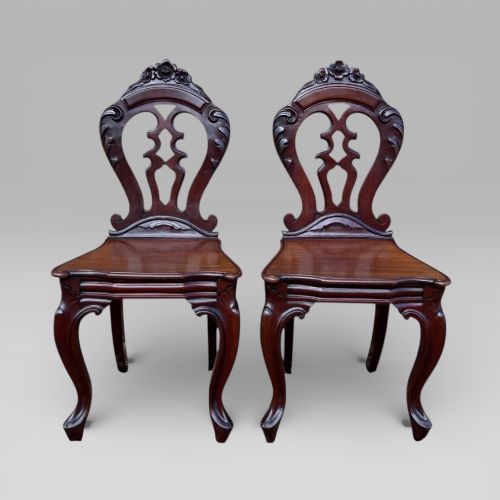
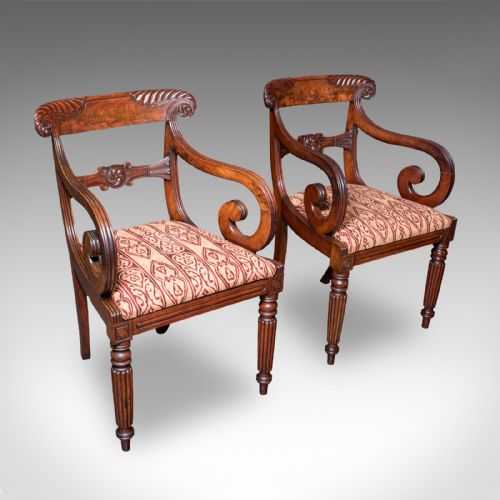
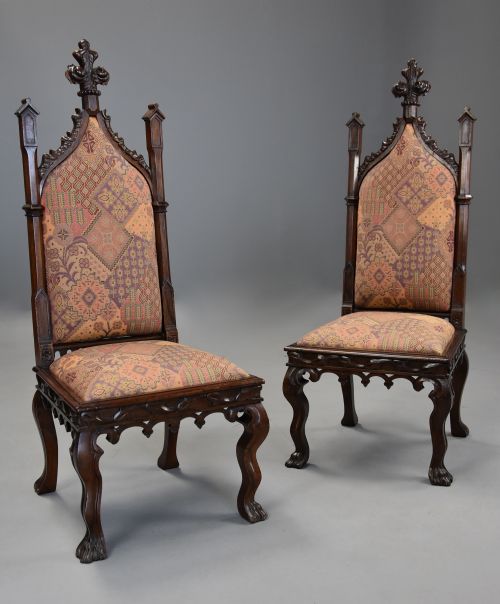
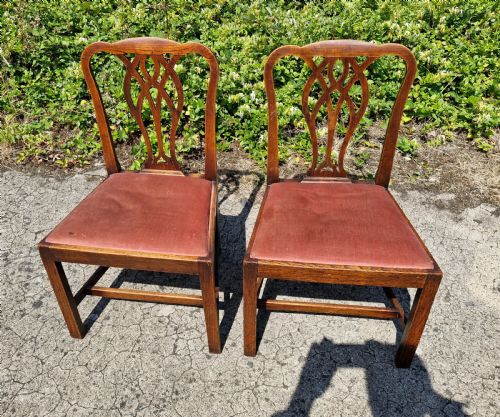
An antique hall seating pair brings formal symmetry and solid timber construction to entranceways, offering matching seats designed to anchor a period interior.
Antique Hall Seating Pair
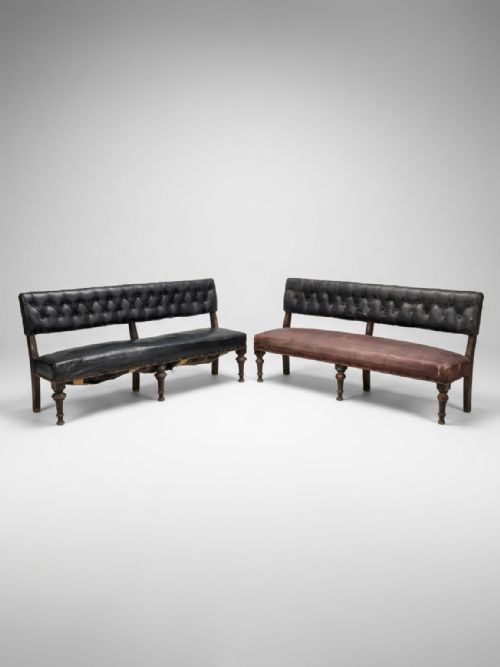
An antique hall seating pair comprises two matching chairs, benches, or window seats intended for entranceways, hallways, and reception rooms. These pieces originate from periods spanning the seventeenth through the nineteenth centuries, incorporating styles such as Victorian, Regency, Gothic Revival, and Georgian.
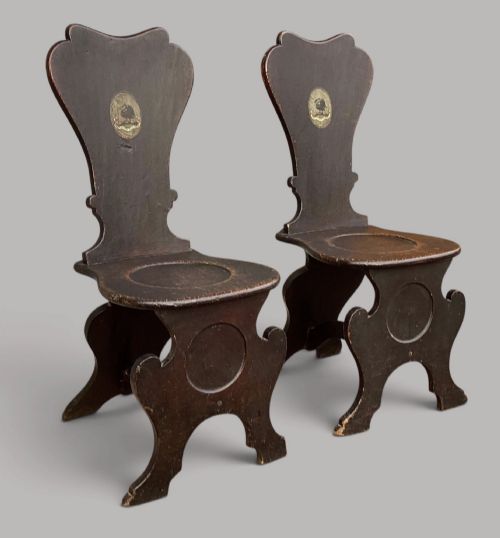
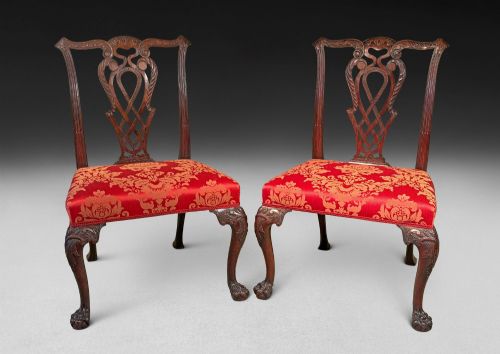
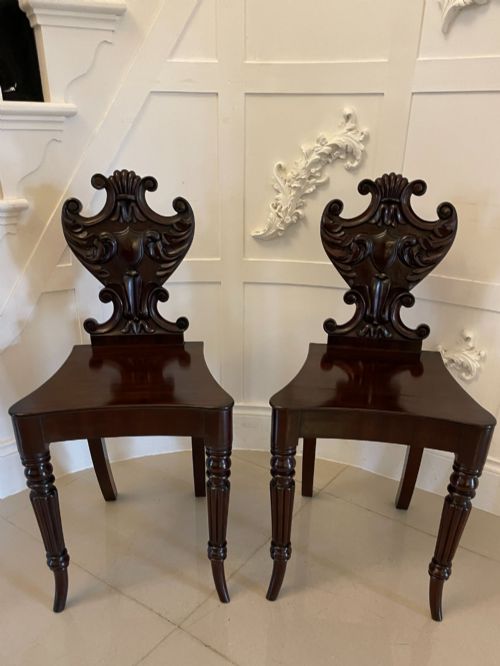
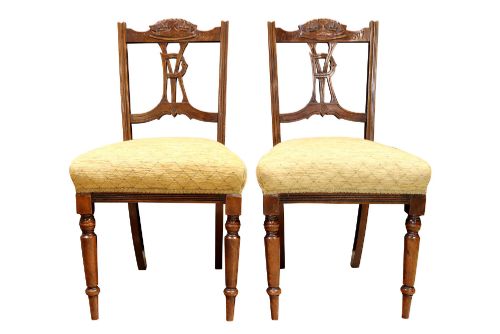
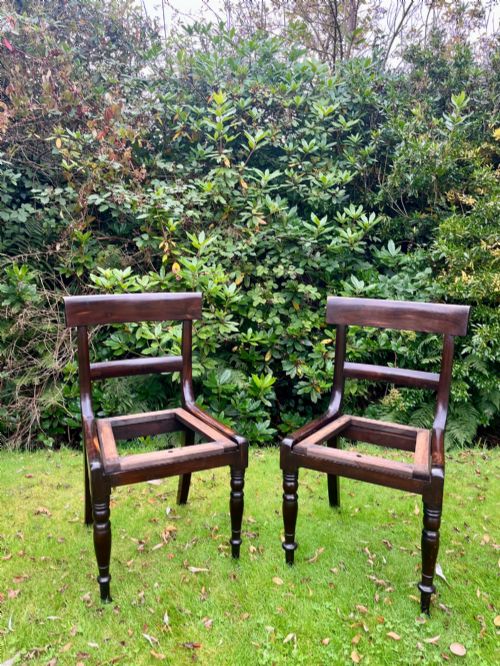
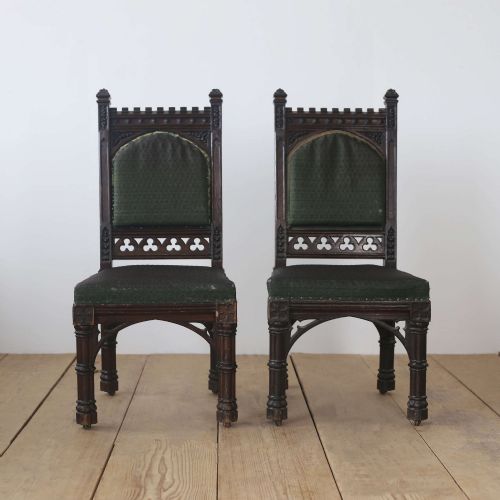
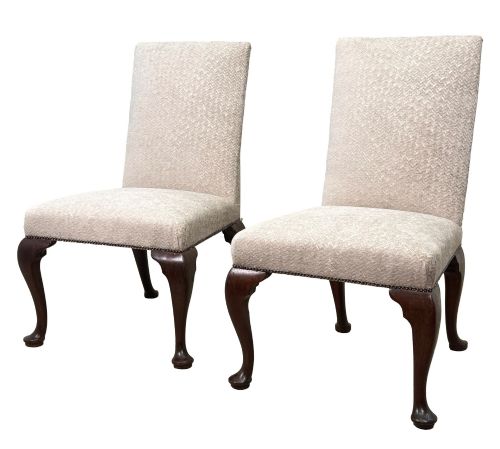
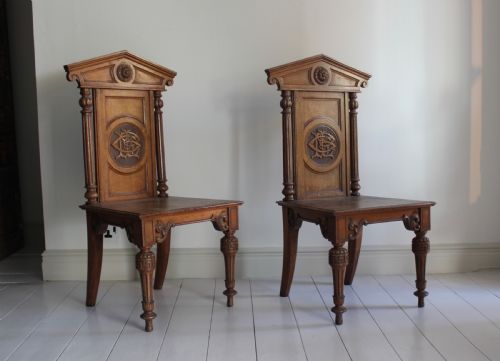
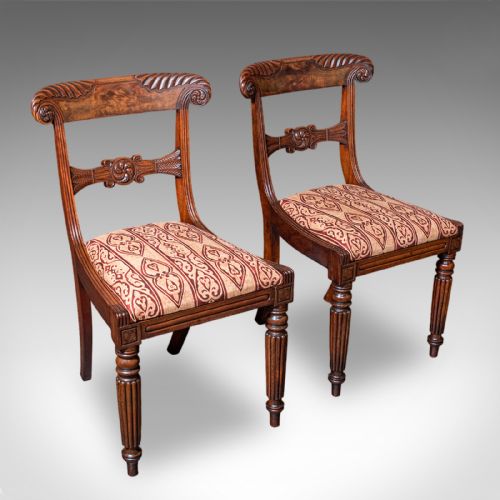
The selections on this page appear primarily as wooden hall chairs and side chairs shaped from dense hardwoods. Buyers encounter carved mahogany and oak variations alongside painted finishes, upholstered options, and armorial details reflecting specific historical eras.
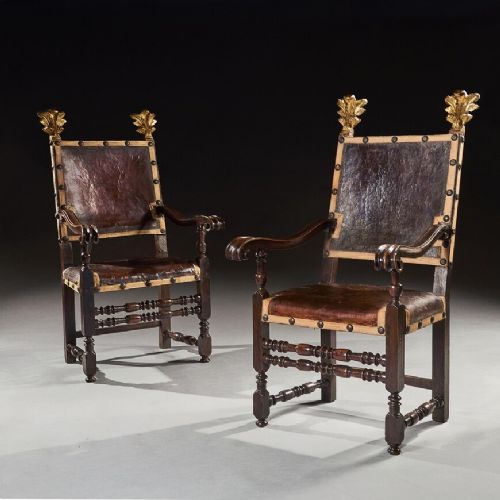
Makers and workshops across England, Scotland, Ireland, France, and Italy produced these matched sets for formal spaces. The inventory includes regional formats such as Channel Islands Gothic revival chairs, Italian Baroque armchairs, and Scottish laburnum seating.
Materials and construction methods
Cabinet makers utilised durable hardwoods including mahogany, oak, walnut, rosewood, and laburnum to build these rigid frames. Timber selection dictated the structural integrity required for furniture positioned in high-traffic entrance spaces.
Construction techniques relied on traditional joinery, incorporating hand-carved ornamentation, turned elements, and applied mouldings. Many examples integrate painted decorations, armorial shields, parcel-gilding, or applied leather, fabric, and cane upholstery.
Materials documented across the inventory span oak, mahogany, walnut, rosewood, cherrywood, pitch pine, laburnum, leather, fabric, cane, and brass.
Factors determining quality
Depth and crispness of hand-carved details separate standard production from superior examples. Finely executed heraldic shields, trefoil motifs, and sculptural woodwork demonstrate greater artisan skill.
Integrity of timber selection and original surface treatments define the tier of a piece. Original painted finishes, untouched patination, and intact maker labels distinguish high-grade specimens from later alterations.
Charles Tozer·W A Willcocks·James Shoolbred and Co
The Antique Hall Seating Pair Glossary
- Armorial
- Adorned with heraldic bearings or family crests. These painted or carved motifs often signify specific lineage or clan associations.
- Gothic Revival
- An architectural and decorative style drawing inspiration from medieval forms. Pieces display pointed arches, trefoils, and structural massing.
- Scabello
- A type of Renaissance stool or low chair featuring solid trestle supports. The form originates from Italian design traditions.
- Cane
- Woven rattan material utilised for seat panels. This technique provides flexible support within a rigid wooden frame.
- Parcel-gilt
- Partially covered with gold leaf or gilt paint. The technique highlights specific carved details against a dark wood background.
Antique Hall Seating Pair: Frequently Asked Questions
Where should an antique hall seating pair be placed?
These matching chairs suit entrance halls, corridors, and large landings where symmetry enhances the architectural scale. Their narrow timber profiles allow them to sit flush against walls without obstructing thoroughfares.
They also function effectively in reception rooms or morning rooms as paired accent seating. Placing them symmetrically creates an immediate visual focal point within a period interior.
How were antique hall chairs used originally?
Historically, hall chairs served as temporary seating for guests waiting to be received by the household. They were deliberately designed with rigid wooden seats to discourage lingering in draughty entrance corridors.
Many incorporated heraldic shields or family crests to project the status and lineage of the homeowner upon entry. Servants also utilised them in large country houses during formal arrivals and departures.
How do I identify the period of a hall seating pair?
Dating relies on examining the timber species, joinery techniques, and prevailing decorative styles. For instance, seventeenth-century examples often feature heavy oak construction and Baroque carving, whereas Regency pieces utilise mahogany with classical lines.
Secondary clues include maker labels, upholstery webbing, and wear patterns on the wooden seats. Comparing the carved motifs against documented design books helps narrow the manufacturing decade.
Can I use antique hall chairs for everyday dining?
Most antique hall chairs feature solid timber seats without padding, built for formal presentation rather than long hours of lounging. Sitting in them for extended periods can prove less comfortable than modern dining chairs.
However, paired side chairs from this category can serve around a dining table for occasional use. Their sturdy hardwood frames provide adequate structural support for regular seating.