



Antique Hall Pier Glass
An antique hall pier glass brings light and scale to an entranceway, uniting mirror glass and carved wood to anchor a room.
Antique Hall Pier Glass
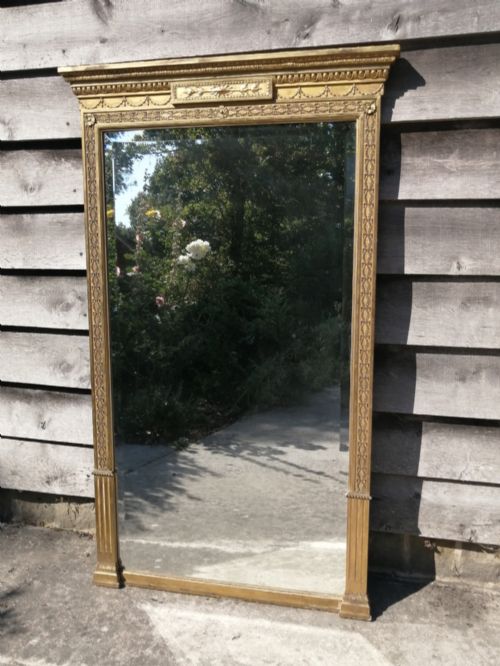
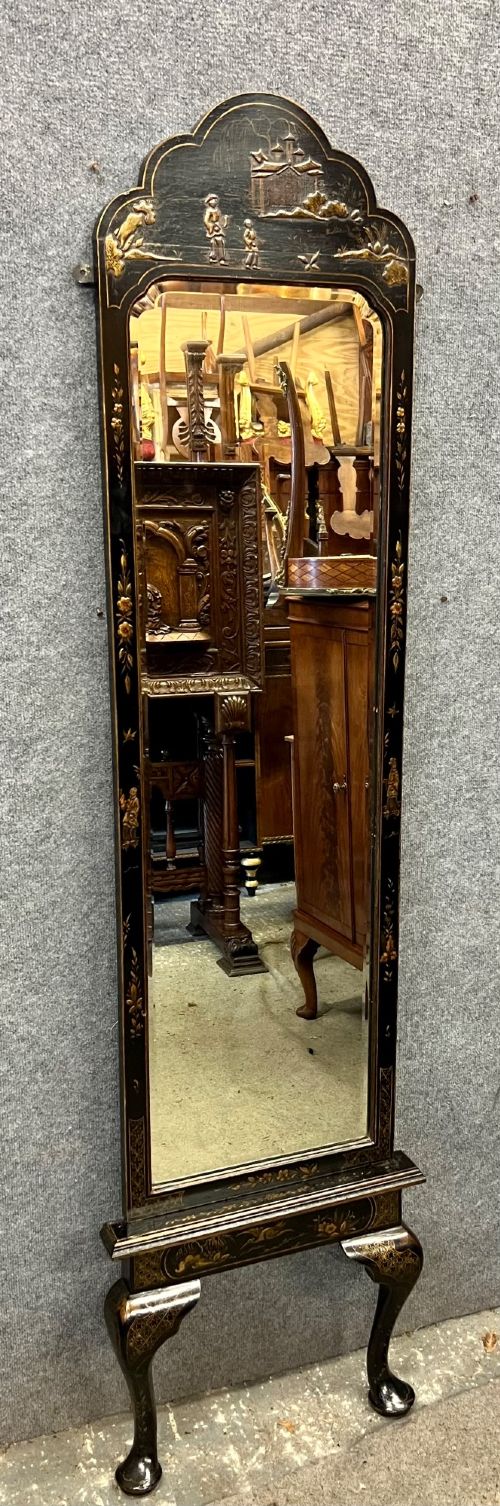
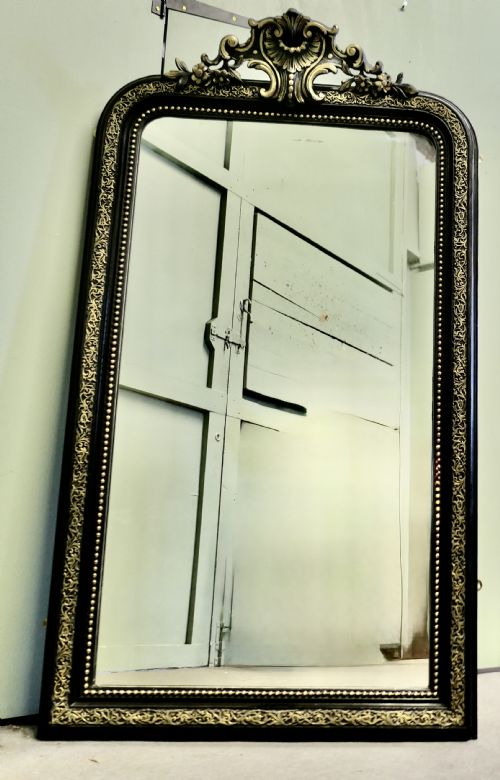
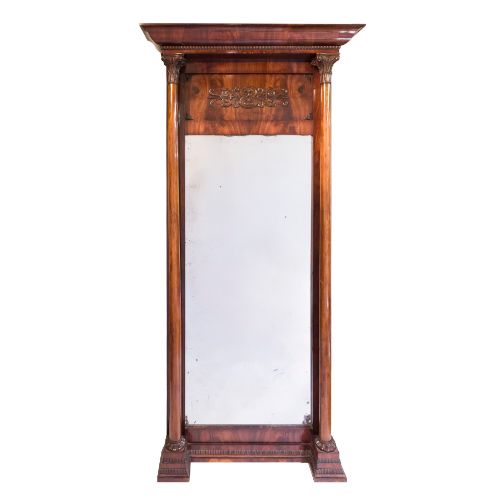
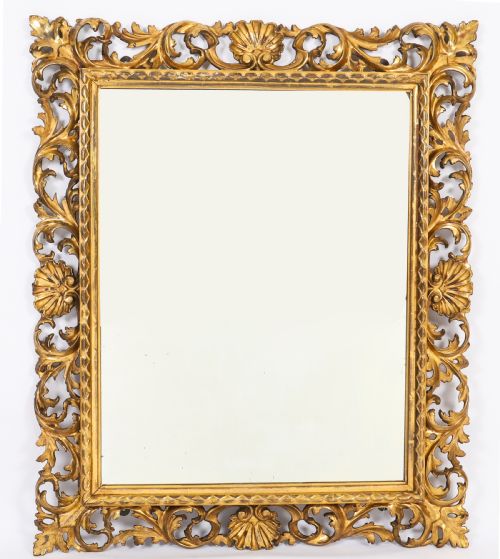
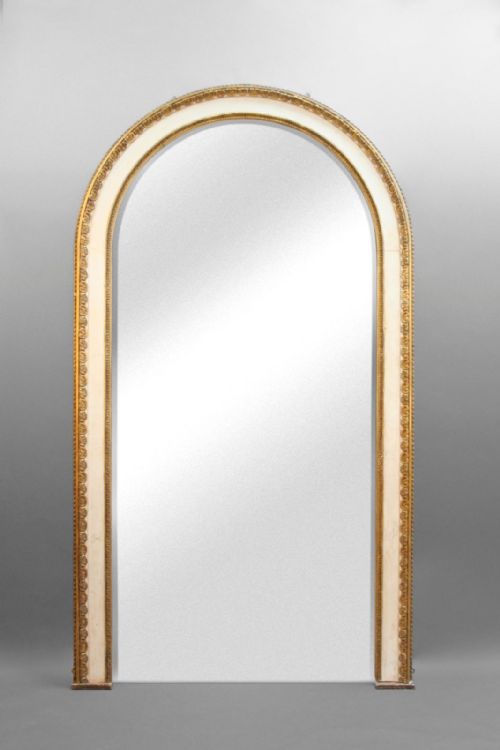
An antique hall pier glass is a tall wall-hanging mirror traditionally positioned on the wall space, or pier, between two windows to reflect natural light into the interior. The selections available here span numerous periods from the eighteenth century through to the early twentieth century, alongside distinct stylistic revivals.
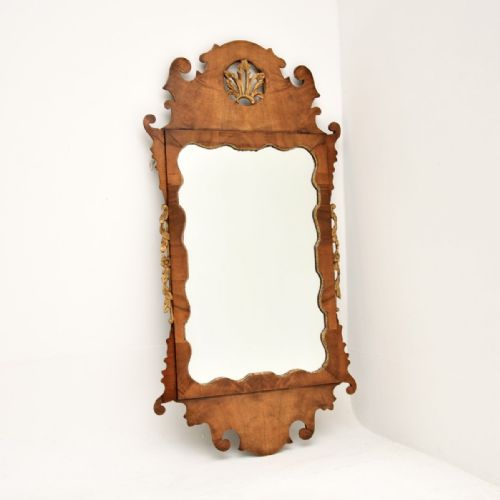
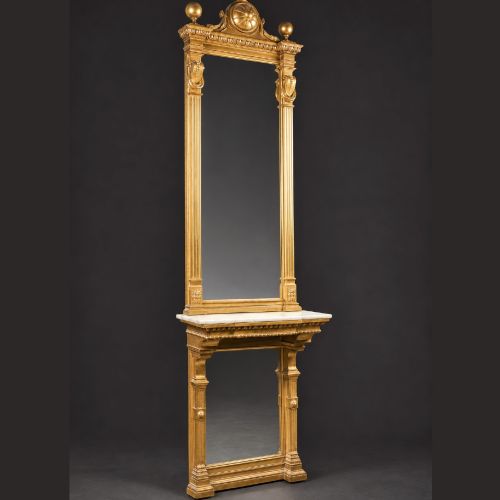
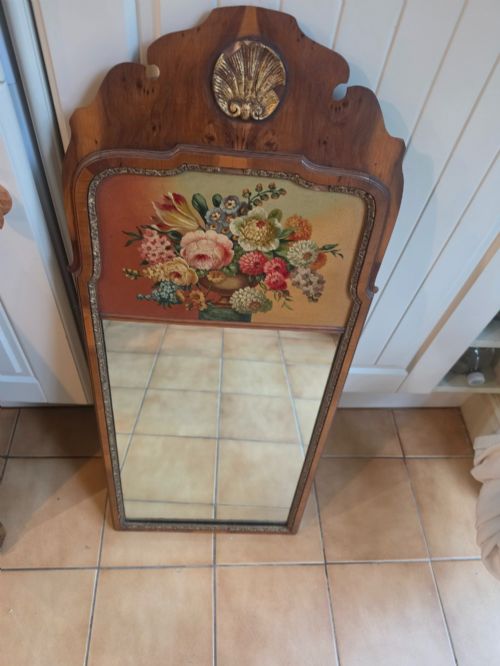
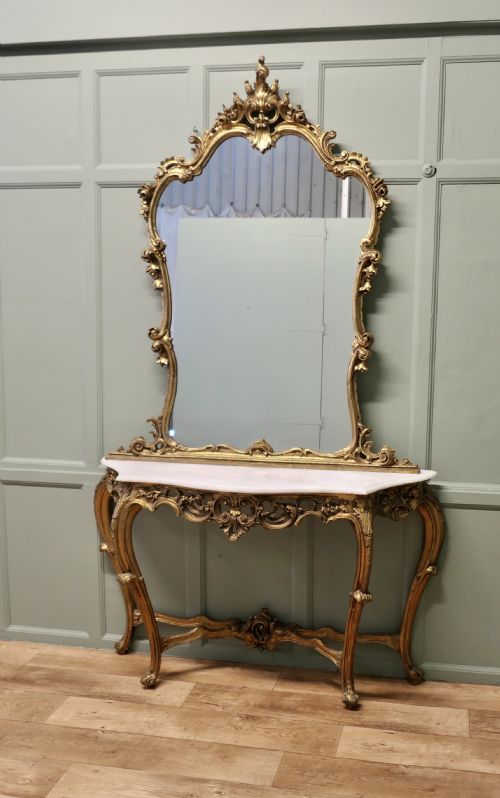
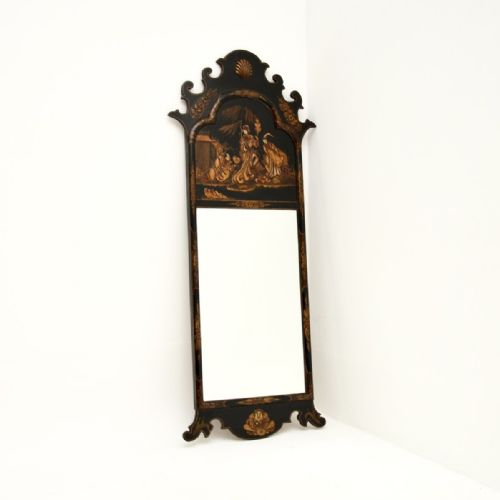
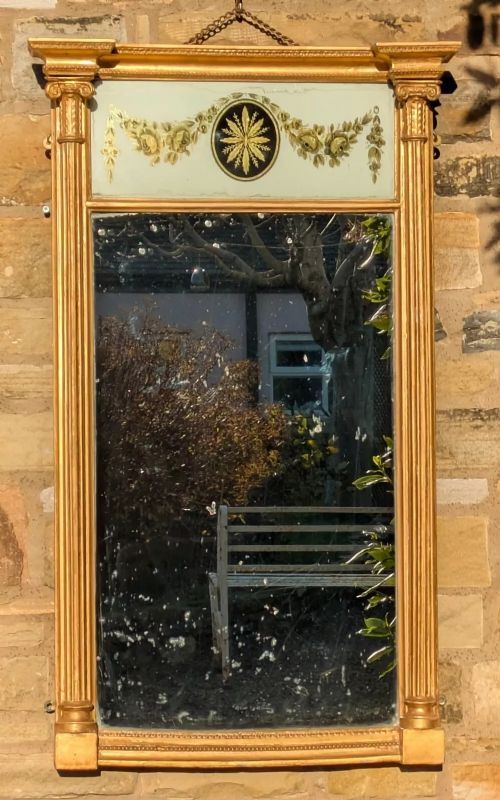
The most common forms on this page include tall nineteenth-century giltwood creations, often paired with matching console tables, as well as walnut, mahogany, and painted examples. Many pieces incorporate decorative panels above the main glass or feature detailed carvings reflecting Georgian, Regency, and Victorian tastes.
How they were made
Frames rely predominantly on timber such as walnut, mahogany, and birch, shaped and joined before receiving decorative finishes. Giltwood and gesso applications provide the metallic surface layer seen on many examples, often built up with gold leaf or paint over a prepared ground.
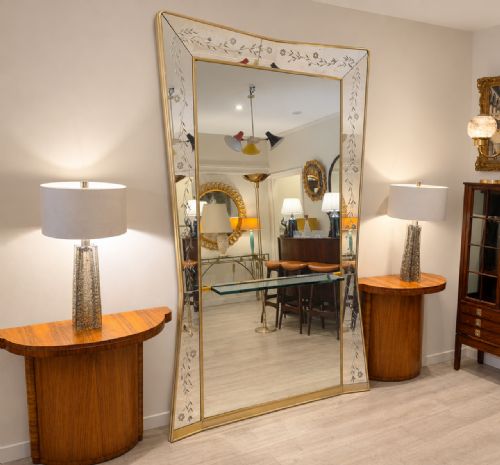
Mirrors utilise historical plate glass methods, occasionally retaining original plates or specialised upper sections like verre églomise panels. Carving is executed by hand directly into the wood or moulded in gesso relief, depending on the stylistic period.
Antique Hall Pier Glass Retail Price Guide 2026
Typical asking prices for hall pier glass among the pieces listed under this phrase on Sellingantiques today, from the lower quarter to the upper quarter. They describe what is for sale here now, not the wider market.
Listings feature periods ranging from the Georgian era through the Victorian period, utilising materials including giltwood, gesso, marble, walnut, and gold leaf.
What varies in quality
Quality rests in the crispness of the hand-carving and the depth of the gilding, where layers of gold leaf demonstrate superior definition compared to simpler over-painted surfaces. The integrity of the original mirror plate and the weight of the timber frame further separate standard examples from finer works.
Cohesion between the mirror and its accompanying console table indicates higher workshop collaboration in matched sets. Refined proportions and restrained application of classical motifs denote superior design execution across Georgian and Regency pieces.
The Antique Hall Pier Glass Glossary
- Pier glass
- A tall mirror designed specifically for the wall space between windows. These objects maximise internal light reflection.
- Gesso
- A plaster-like mixture applied to wood frames to create a smooth surface for gilding or painting. Artisans carve intricate details directly into this layer.
- Verre églomise
- A cold decoration technique where design work is applied to the reverse of glass using gold or silver leaf and pigment. It frequently appears as a decorative panel above the main mirror plate.
- Console table
- A table supported against a wall by console brackets or legs, frequently paired directly beneath a pier glass. These sets often share matching carved wood or marble tops.
- Parcel gilt
- A finishing method where only specific raised portions of a carved wooden frame receive gold leaf, contrasting with the painted or polished wood beneath.
Antique Hall Pier Glass: Frequently Asked Questions
Where should a pier glass go?
Historically, a pier glass hangs on the wall space between two windows to bounce daylight back into a room. In a modern hallway, it serves to visually expand a narrow corridor while providing a practical reflective surface.
Parks of matching console tables placed beneath the glass create a grounded anchor point against the wall. Ensure the wall structure securely supports the considerable weight of heavy wooden frames and glass.
Are console tables attached?
Some console tables and mirrors are designed as a unified matching set, while others are separate pieces brought together over time. Sets often share identical carved motifs, timber types, and gilding styles.
Freestanding console tables sit flush against the wall beneath the hanging glass, sometimes featuring integrated marble tops. Wall-mounted console brackets without floor legs also appear in specific configurations.
How do I identify a Regency mirror?
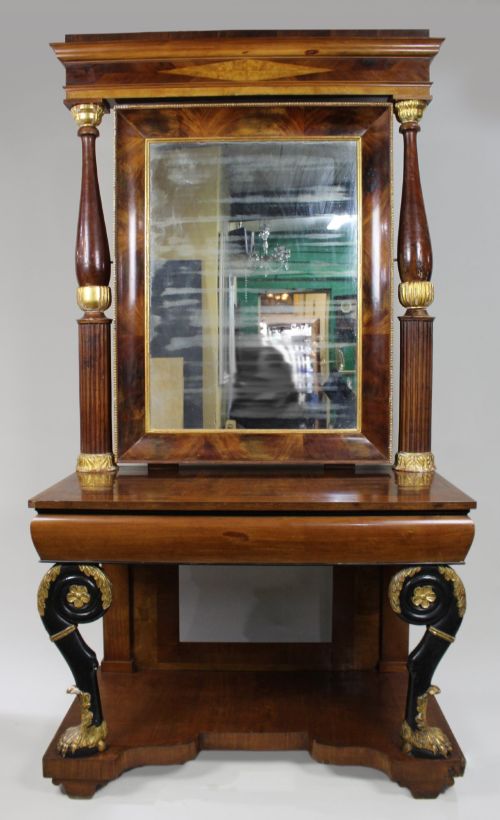
Regency mirrors often display classical restraint, incorporating architectural elements like column pilasters, balls within the cornice, and ebonised details. The frames favour a lighter, balanced proportion compared to heavier Victorian interpretations.
Look for convex or flat rectangular plates framed by reeded mouldings and neoclassical motifs. These pieces date from the early nineteenth century and reflect an interest in ancient Roman and Greek design.
Can I clean the original mirror plate?
Original mirror plates require gentle maintenance to preserve the historical silvering and foxing accumulated over centuries. Use a soft, dry cloth for dusting, avoiding abrasive commercial cleaning liquids that might seep behind the glass.
Take care around the edges of the plate where the backing and silver layer are most vulnerable to moisture. Preserving the natural patina maintains the visual character of antique glass.