


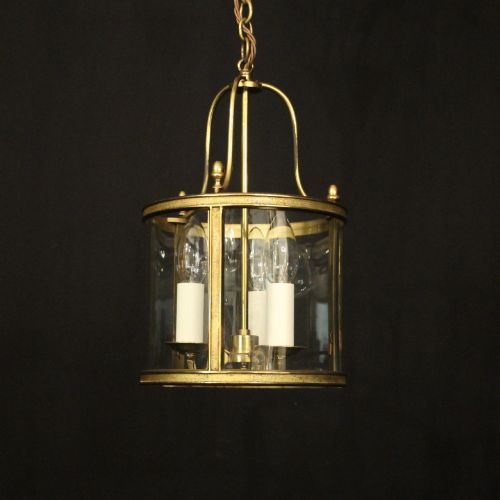
Antique Hall Light
An antique hall light sets the tone for an entrance, casting warm illumination through leaded glass and polished brass.
Antique Hall Light
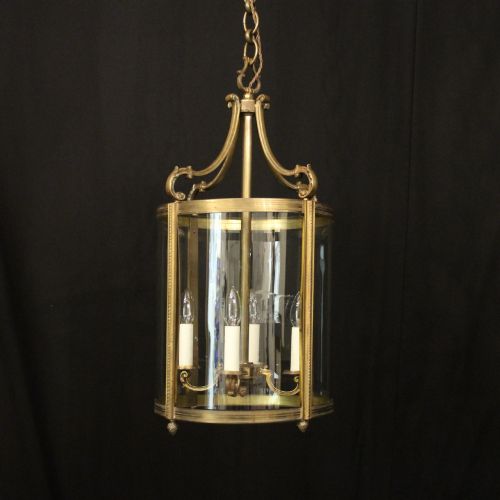
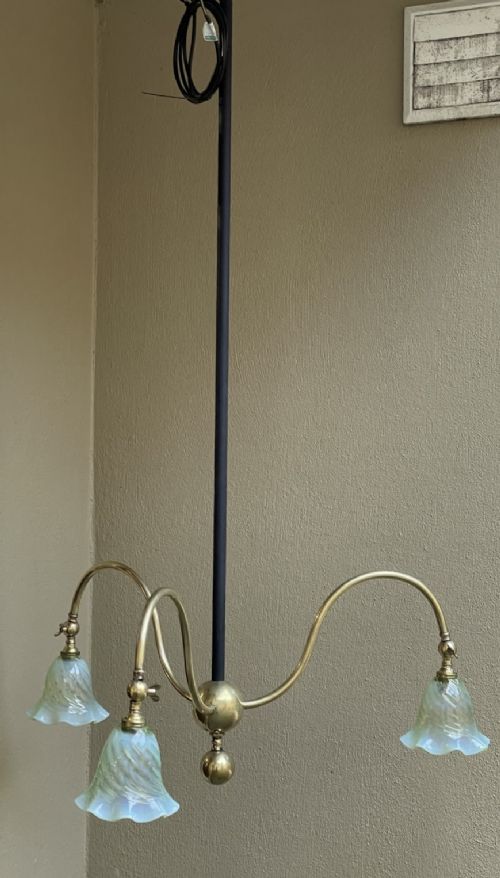
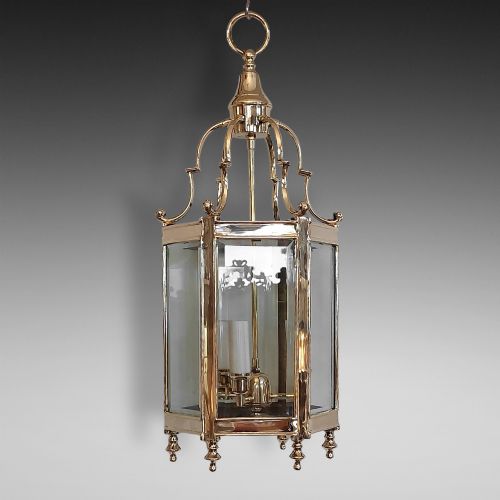
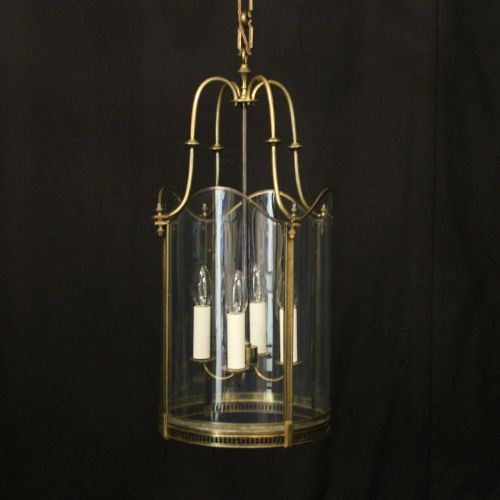
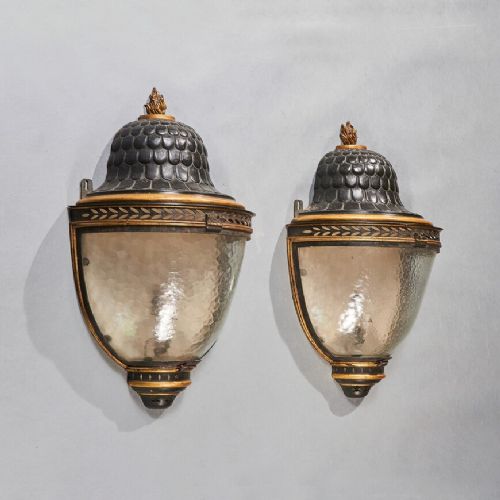
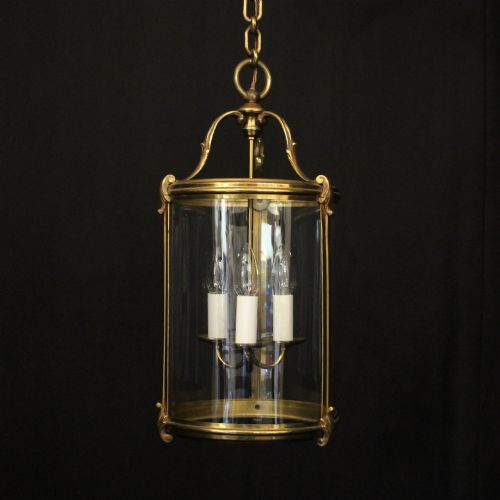
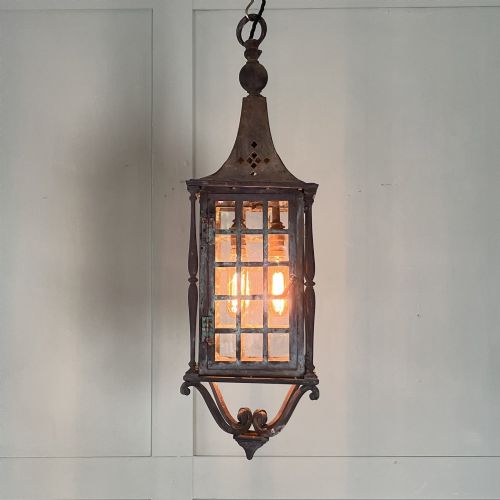
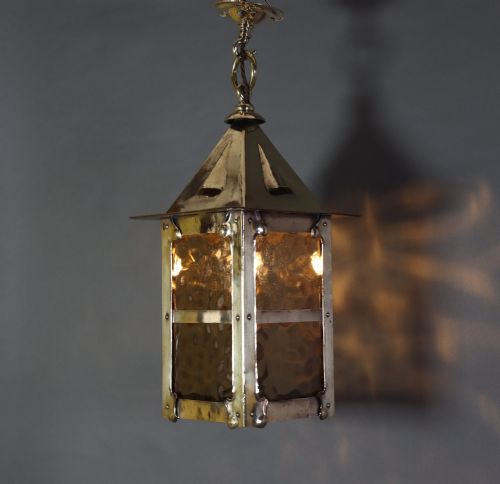
An antique hall light illuminates entryways and corridors, taking the form of hanging lanterns, ceiling lights, and pendant fixtures. These pieces originate primarily from the nineteenth and early twentieth centuries, spanning Victorian, Edwardian, and Arts and Crafts periods.
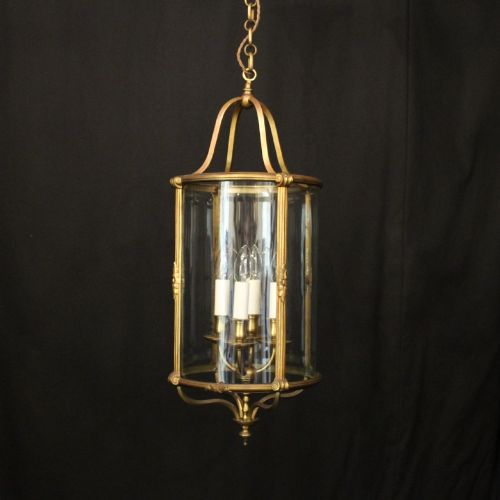
French styles heavily populate the selection, frequently featuring gilded bronze or brass with convex glass panels. English and Italian workshops also contribute robust brass frames, iron structures, and multi-light configurations designed for high ceilings.
Materials and construction methods
Metals form the structural backbone of these fixtures, utilising cast and gilded bronze, polished brass, and wrought iron. Artisans joined these metallic frames with screws and solder to support the weight of suspended glass.
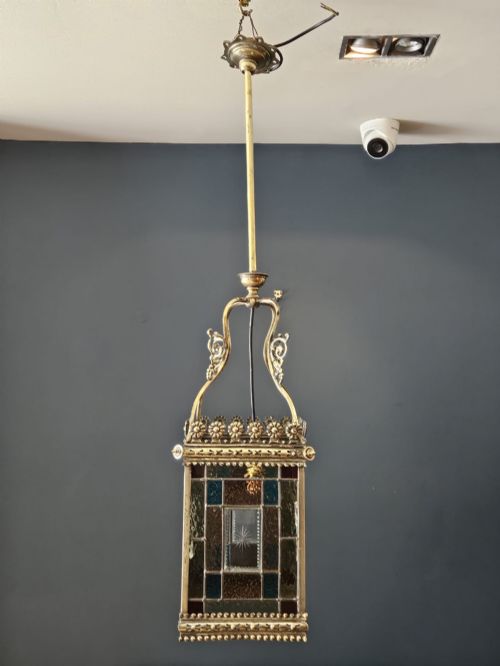
Glasswork defines the visual character, incorporating leaded panels, etched designs, and hand-blown bullseye panes. Metal components often received gilt finishes or patination to enhance the decorative appearance under artificial and natural illumination.
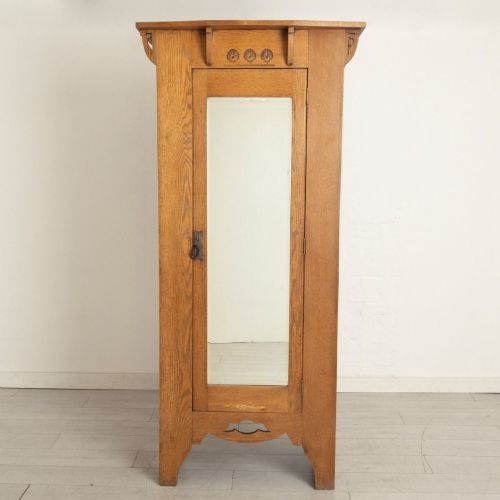
Listings feature materials including glass, brass, oak, gilt bronze, wrought iron, and lead across Victorian, Edwardian, and Art Deco periods.
Factors of distinction
Subtlety of metal casting and the crispness of chased details separate standard fixtures from superior examples. Heavy gauge brass and thick gilded bronze retain their structural integrity and surface depth far better over decades of service.
Glass selection dictates optical refinement, where heavy leaded panes or convex hand-blown lenses distort light gracefully. The cohesion of the design, such as matching period suspension chains and integrated multi-light clusters, elevates a piece.
The Antique Hall Light Glossary
- Convex glass
- Curved glass panels that project outward to diffuse light across a wider angle. This technique is frequently seen on French lanterns from the early twentieth century.
- Gilt bronze
- Bronze metal coated with a thin layer of gold or gold-coloured alloy. It provides a rich, durable surface finish resistant to tarnishing.
- Leaded glass
- Individual pieces of glass joined together by strips of lead cames. This method creates geometric patterns common in Victorian and Gothic Revival lighting.
- Pendant light
- A single light fixture suspended from the ceiling by a chain, cord, or metal rod. These direct illumination downward into narrow spaces like hallways.
Antique Hall Light: Frequently Asked Questions
Can these lights be wired for modern switches?
Most antique fixtures accommodate modern electrical cables and standard bulb fittings inside the original frame without altering the exterior appearance. Rewiring preserves the historical housing while meeting current safety standards.
Consulting a specialist electrician ensures the internal lamp holders match the scale of the glass enclosure.
What period do most French lanterns belong to?
French lanterns on this page largely date from the late nineteenth century through the 1920s and 1930s. These pieces often showcase gilt brass or bronze frames with convex glass panels.
Art Deco and earlier neoclassical influences are common among these continental designs.
How do I clean antique brass and glass?
Dusting gently with a dry, soft cloth prevents grime buildup on the metal framework and glass panels. Avoid abrasive chemical cleaners that strip the historic patination from brass and bronze surfaces.
Glass panels can be removed carefully if deep cleaning is necessary, though many owners prefer leaving the aged character undisturbed.