

Antique Pendant Fixture
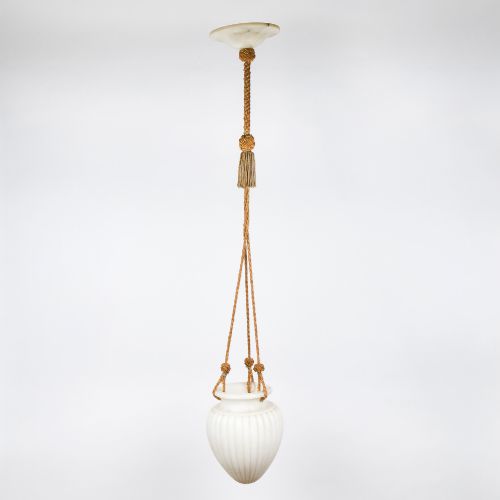
An antique pendant fixture brings period illumination to a room, offering authentic character through traditional metalwork and hand-formed glass.
Antique Pendant Fixture
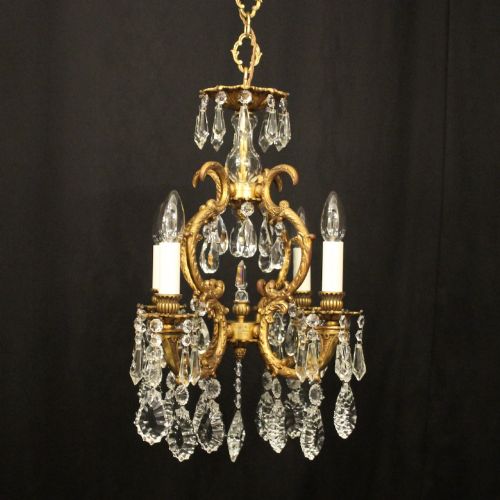
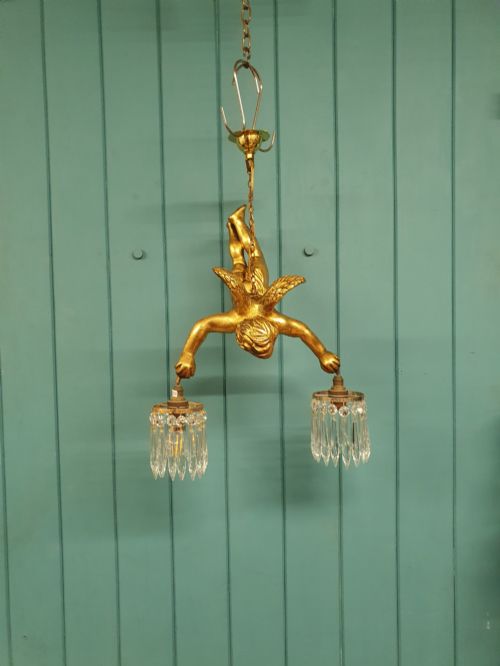
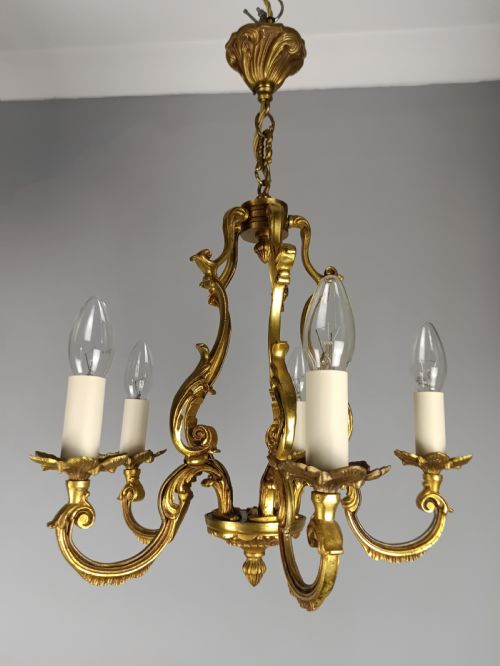
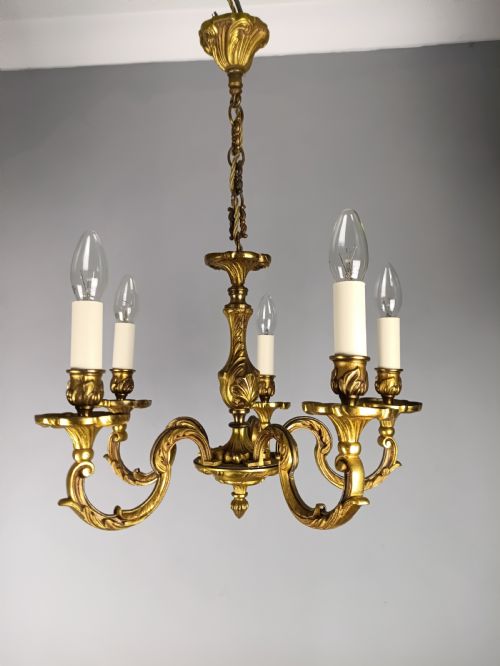
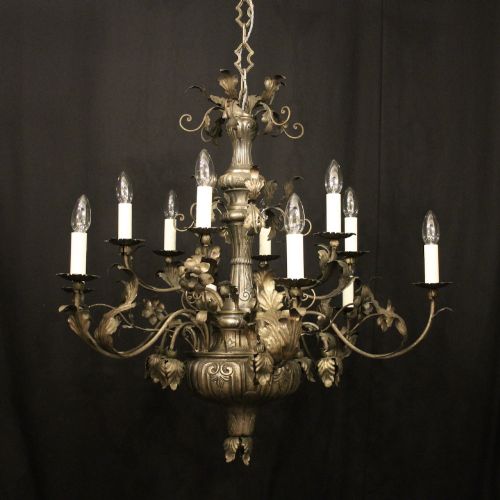
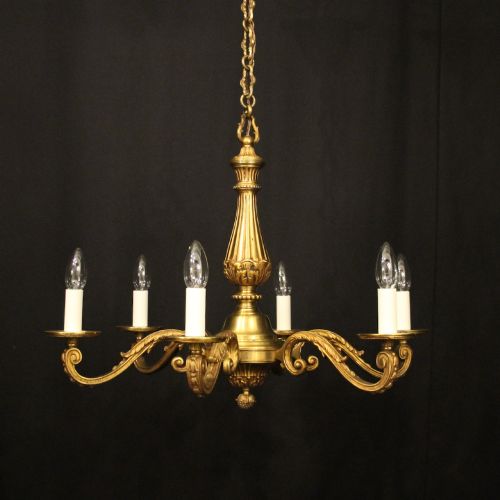
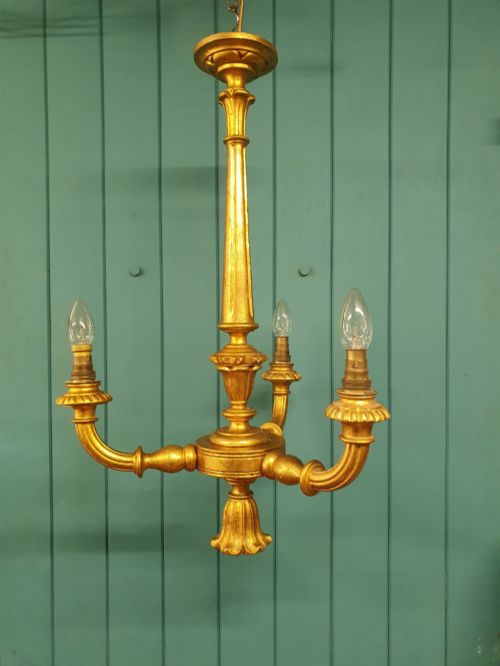
When you search for an antique pendant fixture, you encounter a varied selection of hanging lighting forms designed to illuminate interior spaces from above. The evidence shows that these pieces encompass substantial multi-light chandeliers, hall lanterns, ceiling lights, and specialised hanging fixtures spanning the Victorian, Edwardian, and early twentieth-century periods.
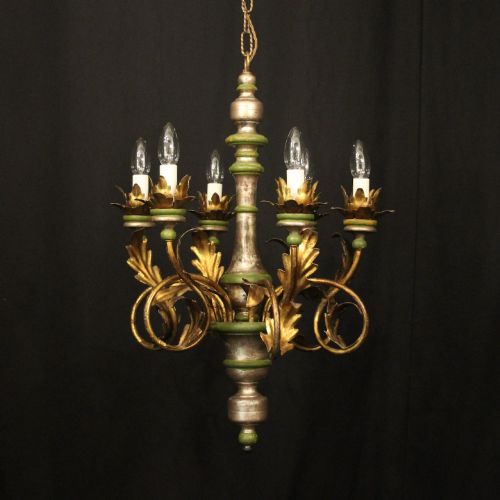
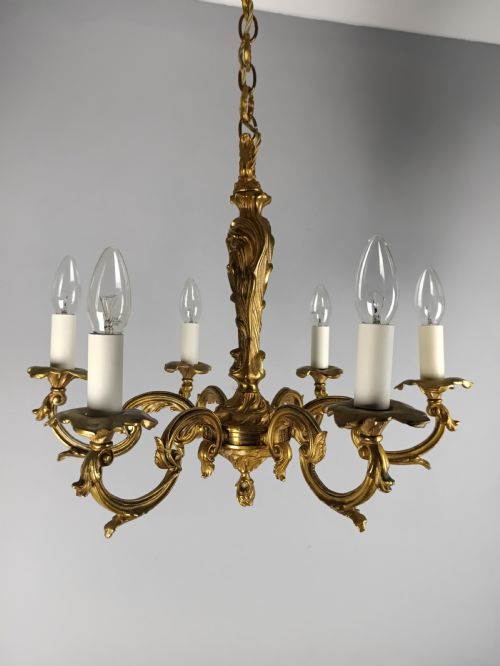
The pieces on this page are predominantly continental in origin, with French and Italian designs forming a large share of the listings. You will frequently find styles ranging from French Rococo and Empire to geometric Art Deco creations and industrial billiard lights.
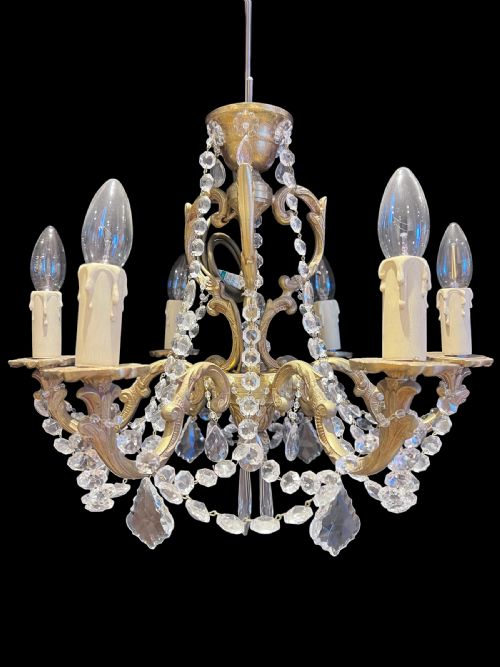
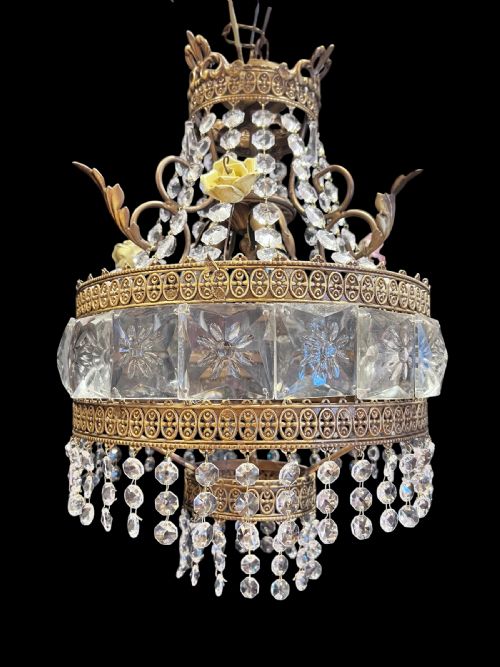
Beyond standard chandeliers, the selection includes specialised formats such as tent and waterfall crystal designs, Moravian star lanterns, and opalescent glass gasoliers. These varied forms reflect the shifting domestic lighting requirements of the nineteenth and early twentieth centuries.
Materials and construction methods
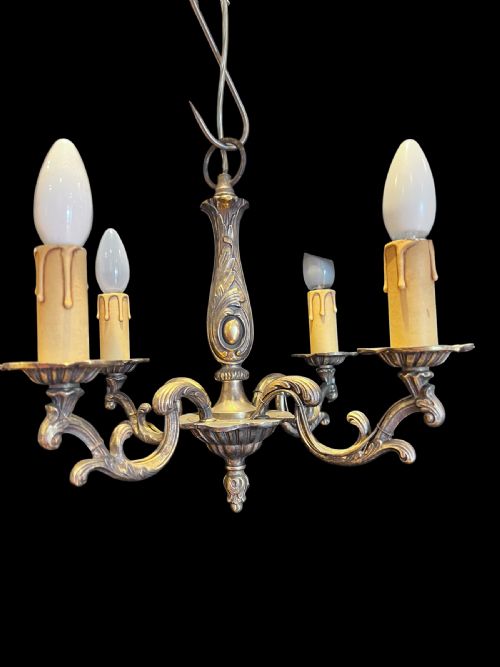
The construction of these fixtures relies heavily on cast and spun metals, principally brass, bronze, and gilt bronze, often complemented by copper and gilded brass frames. Metal components are frequently chased, carved, or gilded to create decorative surface textures that catch ambient light.
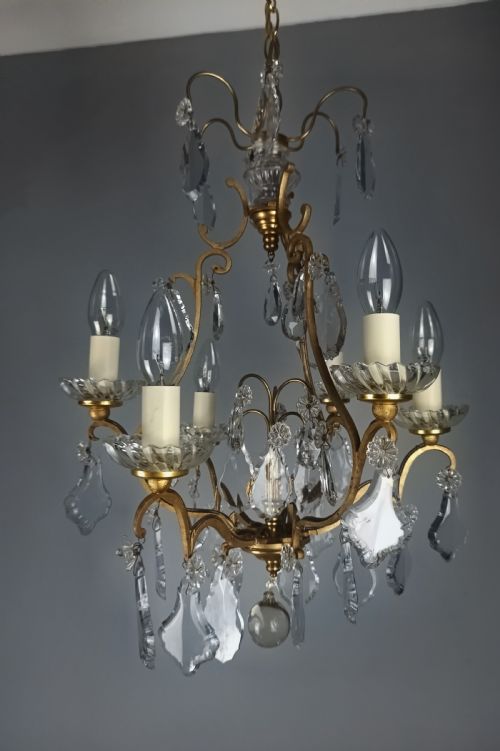
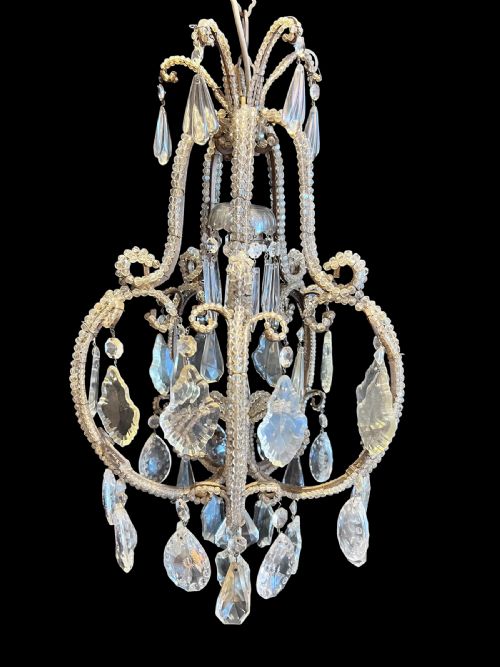
Glass is integrated through several distinct techniques, including cut crystal drops, moulded slip shades, opalescent shades, and bevelled glass panels held within metal cames. Selected examples incorporate supplementary decorative elements such as porcelain flowers, ceramic details, and tolewear finishes.
Assembly methods combine threaded metal rods, wire ties for crystal lustres, and soldered or riveted structural frames designed to support the weight of multiple bulb branches and heavy glass elements.
Early twentieth-century homes required robust ceiling anchors because a single twelve-light brass fixture weighed as much as a small dog.
Distinctions in manufacture and finish
Quality in these lighting fixtures is rooted in the crispness of the metal casting and the depth of the original gilding or bronze patina. Finer examples display hand-chased detail on bronze mounts and substantial gauge metalwork rather than thin pressed sheets.
The grade of the glass components sets apart different tiers of production, distinguished by high lead content in cut crystal lustres that refract light sharply, alongside thick, uniform moulded glass shades. Poorer examples utilise machine-pressed glass with visible seams and simple, lightweight brass frames.
Structural integrity and the retention of original matching elements, such as complete sets of crystal drops or matching shade fitters, separate unified period pieces from those assembled from disparate components over time.
Émile-Jacques Ruhlmann
The Antique Pendant Fixture Glossary
- Tent and waterfall
- A chandelier style featuring an upper conical section of strung crystals above a cascading lower tier of hanging lustres. This configuration was designed to maximise light refraction in large formal rooms.
- Gilt bronze
- Bronze metal that has been coated with a thin layer of gold or gold-coloured alloy. It provides a durable, lustrous surface finish that resists tarnishing.
- Plafonniere
- A ceiling-mounted lighting fixture designed to sit close to the ceiling surface rather than hanging on a long suspension chain. These units typically feature glass bowls held by metal mounts.
- Gasolier
- A historic lighting fixture originally designed to burn coal gas before being converted to electricity. They often retain multiple decorative gas keys and branching arms.
- Slip shade
- A type of moulded glass shade that fits directly into a metal frame or basket on a ceiling light. They are characteristic of Art Deco lighting design.
- Lustre
- A cut glass or crystal pendant drop suspended from a chandelier to reflect and multiply the light emitted by the bulbs. Lustres are attached using small wire loops.
Antique Pendant Fixture: Frequently Asked Questions
How do I hang a heavy antique chandelier safely?
Suspension requires securing the fixture directly to a ceiling joist or using a rated structural ceiling box capable of supporting the combined weight of the metal and glass components. Professional installation by an electrician ensures the internal wiring meets modern standards while retaining the original hanging hardware.
Adjustment of the drop height should be planned using matching chain links or suspension rods. Care must be taken to balance the weight evenly across all mounting points before final connection.
Can these old light fixtures use modern bulbs?
Most period fixtures accommodate modern LED lamps provided the base size matches the original bulb holders and the electrical wiring has been updated. Low-wattage LED alternatives are recommended to prevent excessive heat buildup near fragile nineteenth-century glass and historic fabric components.
Rewiring is frequently necessary when acquiring vintage lighting to ensure compliance with contemporary safety regulations. A qualified restorer can replace deteriorated internal wiring without altering the exterior appearance.
How do I clean crystal and glass on a fixture?
Routine cleaning involves dusting glass surfaces with a soft, dry cloth or feather duster while the fixture remains suspended. For deeper cleaning, removable crystal drops can be washed individually in warm water with mild dish soap and dried thoroughly before reattachment.
Harsh chemical cleaners and abrasive cloths must be avoided to protect antique gilding, lacquered brass, and delicate glass surfaces. Leaving delicate fixtures in place during wet cleaning prevents accidental damage to fragile historic arms.
What is the difference between a pendant and a flush mount?
A pendant light suspends from the ceiling via a chain, cord, or rigid rod, positioning the light source lower in the room space. This form works effectively over dining tables, in high-ceilinged entryways, or as a focal point in principal living areas.
In contrast, flush or semi-flush ceiling mounts sit directly against or very close to the ceiling plane. These variations are better suited for rooms with lower clearance where a hanging drop would obstruct movement.