
Antique Hall Credenza
An antique hall credenza brings solid timber presence and useful surface storage to an entrance, drawing on centuries of cabinet-making skill.
Antique Hall Credenza
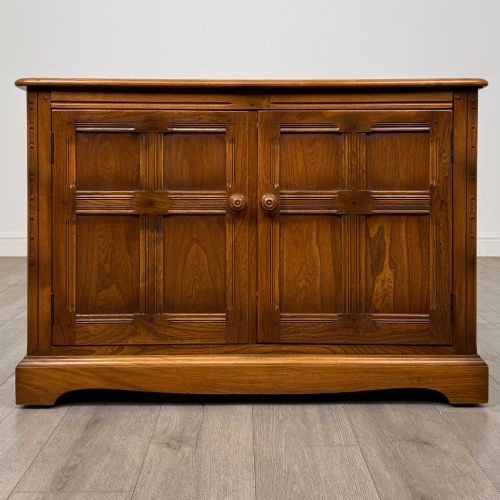
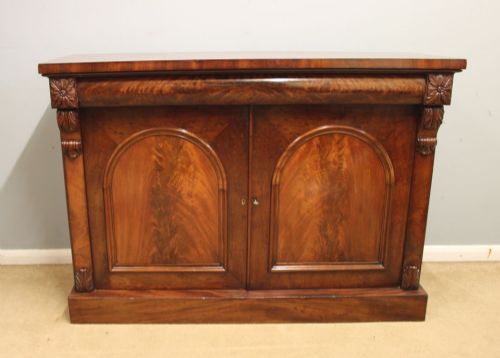
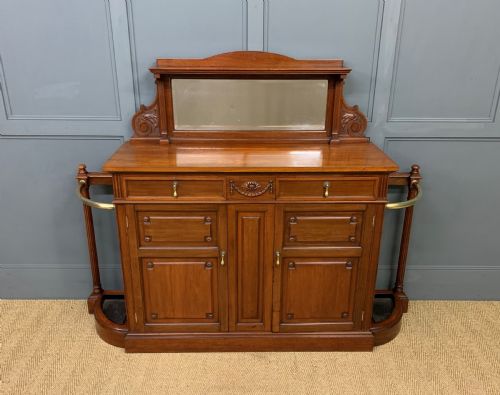
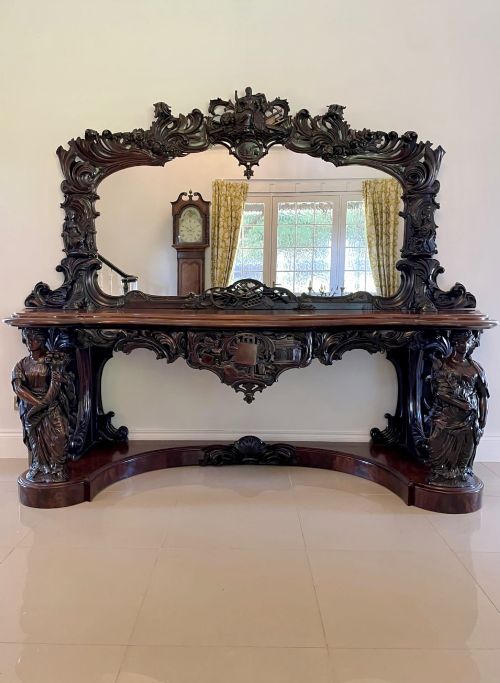
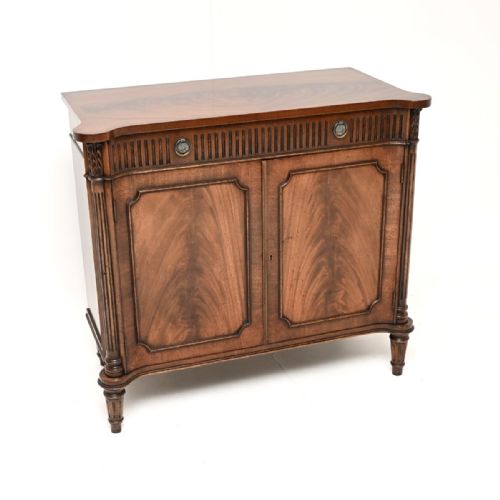
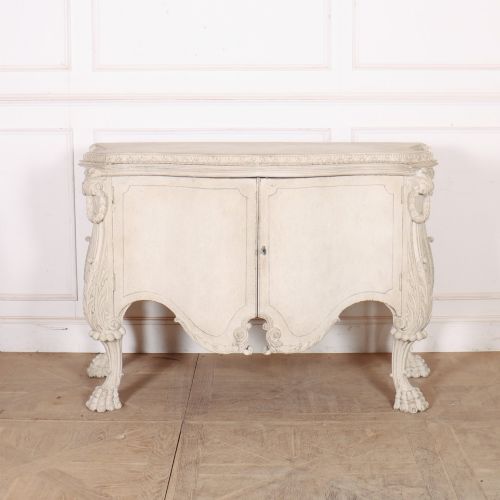
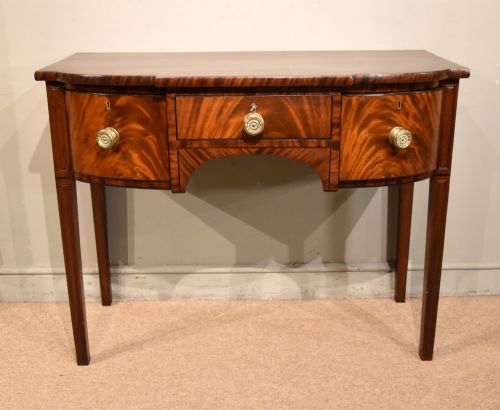
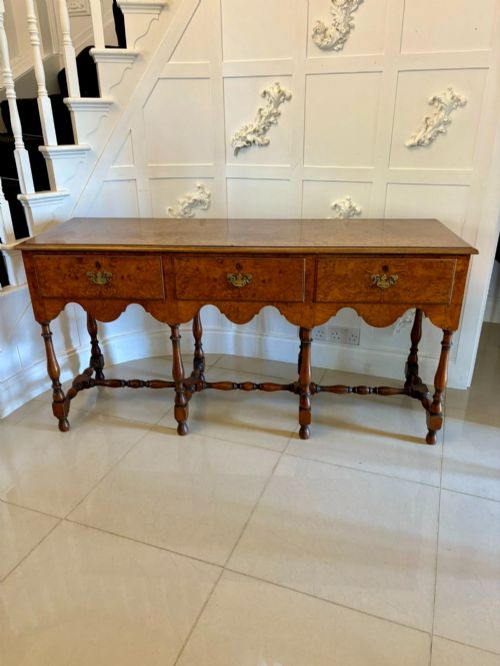
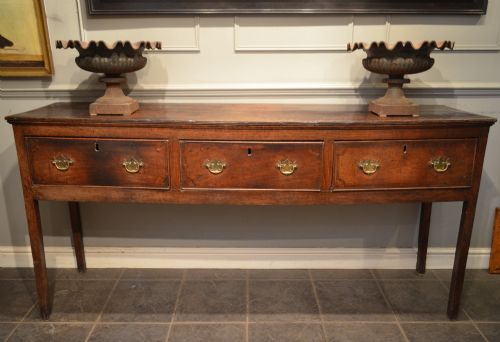
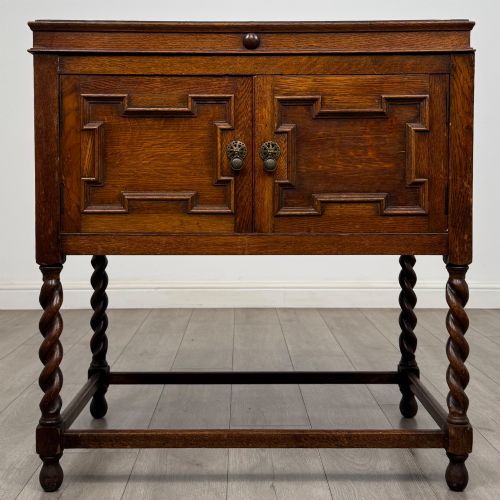
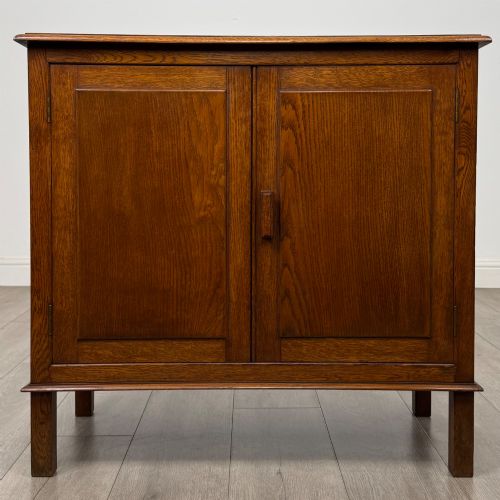
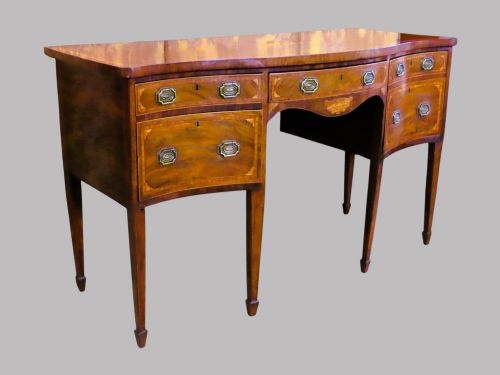
An antique hall credenza draws together various forms of large storage furniture, most frequently appearing in listings as cupboards, sideboards, console tables, and dresser bases. Buyers seeking this type of furniture want a substantial piece that anchors an entrance or hallway while providing practical concealed space for household items.
The pieces available span multiple centuries and design movements, moving from early oak examples up to later walnut and mahogany forms. Victorian and Edwardian iterations sit alongside Georgian and Regency designs, showing how cabinet-makers adapted proportions for narrow or grand entrance spaces over time.
Materials and construction methods
Cabinet-makers relied heavily on durable hardwoods like oak and mahogany, often selecting burr walnut or rosewood for finer decorative surfaces. Secondary timbers such as pine appeared in structural or hidden areas, while marble added weight and status to console surfaces.
Joinery techniques ranged from traditional panel construction in early oak cupboards to curved drawer fronts and intricate carved detailing in later revival pieces. Metal hardware in brass and iron provided functional hinges and pulls, securing doors and drawers built for daily use.
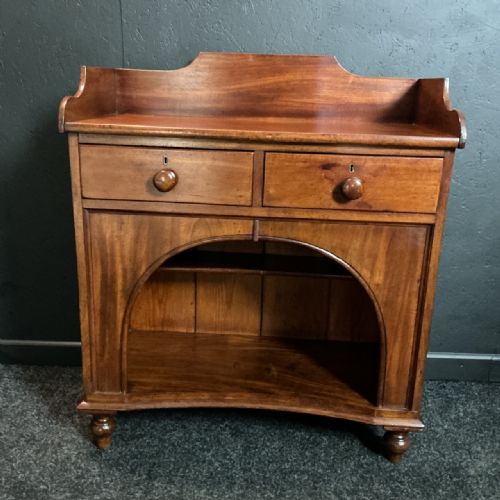
Dog kennel dressers included a central arched void beneath the drawers, originally built to house resting spaniels.
Markers of distinction and build standard
Quality rests primarily on the selection of timber and the precision of the joinery, distinguishing heavy utilitarian storage from refined reception furniture. Dense grains, well-figured veneers, and crisp hand-carved ornamentation separate high-status pieces from simpler workshop output.
Proportion and scale dictate the success of a design, particularly in pieces built for narrow spaces. Well-balanced cornices, tight drawer clearances, and original hardware indicate a higher standard of original commission.
Shoolbred & Co.·Hille·Robert Strahan
The Antique Hall Credenza Glossary
- Dresser base
- A low wooden storage unit featuring drawers and cupboards, traditionally used for serving and storing dining equipment. It forms a staple category of heavy hallway storage.
- Chiffonier
- A compact sideboard equipped with enclosed shelving below and often a small tier or mirror above. It offers enclosed storage suited to narrower entrance rooms.
- Potboard
- An open slatted lower shelf incorporated into early dresser bases for storing earthenware and heavy kitchen vessels. This open base lightens the visual weight of heavy oak furniture.
- Console table
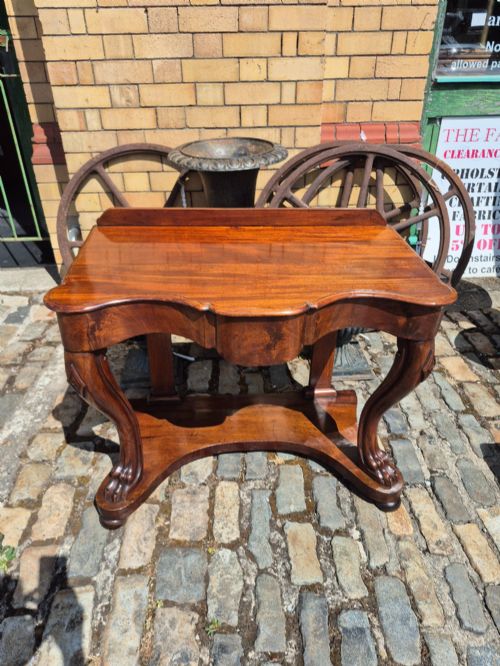
- A table designed to stand against a wall, frequently secured with brackets or resting on heavy legs. These pieces provide surface display without the depth of a full sideboard.
- Linenfold
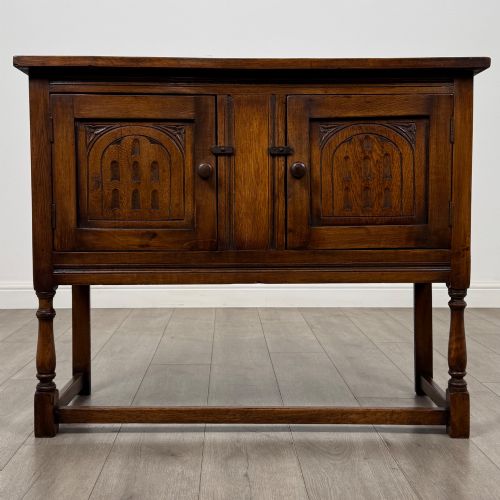
- A style of wood carving that mimics folded fabric panels, commonly seen on oak cupboards from revival periods. It adds texture and architectural interest to flat door surfaces.
Antique Hall Credenza: Frequently Asked Questions
Where should I place a credenza?
These pieces suit entrance halls, reception rooms, and wide corridors where surface space and concealed storage are both required.
Measuring the available depth against the swing of any cupboard doors ensures the piece functions comfortably in a busy thoroughfare.
How do I care for timber surfaces?
Regular dusting with a dry, soft cloth preserves the polish and prevents abrasive particles from dulling the grain.
Applying traditional wax polish periodically nourishes hardwoods like oak and mahogany without building up heavy chemical residue.
Are these pieces heavy?
Solid timber construction in dense hardwoods makes these items substantial and often very heavy to move.
Enlisting assistance during placement protects both the antique frame and your hallway flooring from accidental damage.
How do I identify the period?
Hardware styles, timber choices, and construction methods offer primary clues to the era of manufacture.
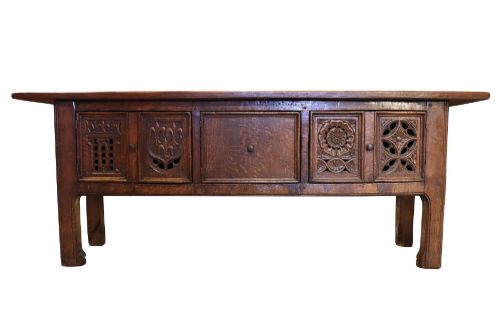
Comparing carved motifs, such as Gothic revival tracery or linenfold panels, against documented design eras confirms the age of the piece.