


Antique Hall Console Drawer
An antique hall console drawer piece brings timeless utility and timber character straight to an entrance space.
Antique Hall Console Drawer
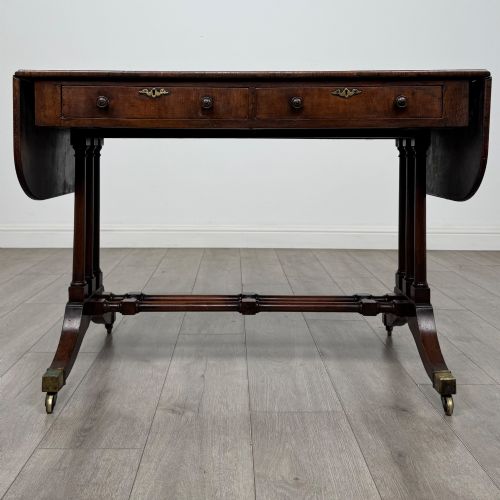
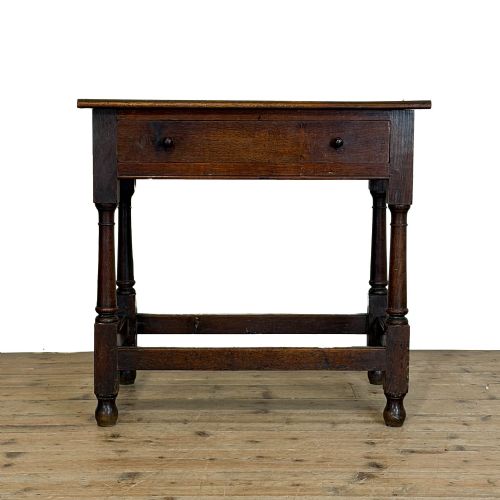
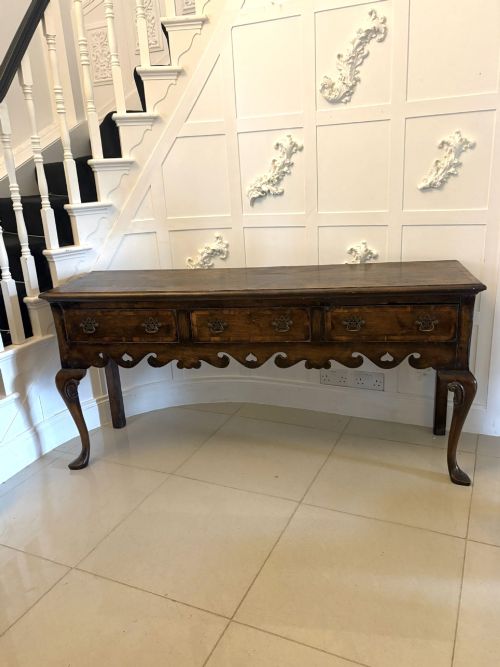
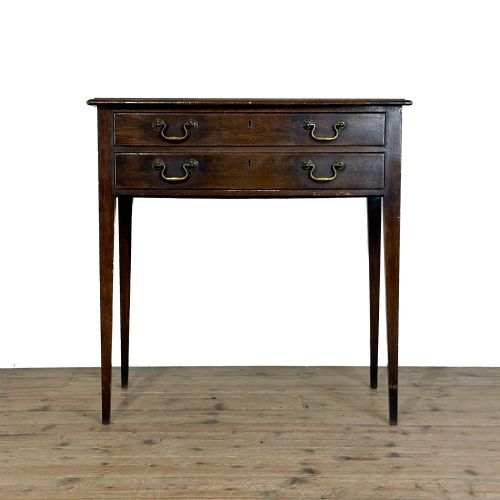
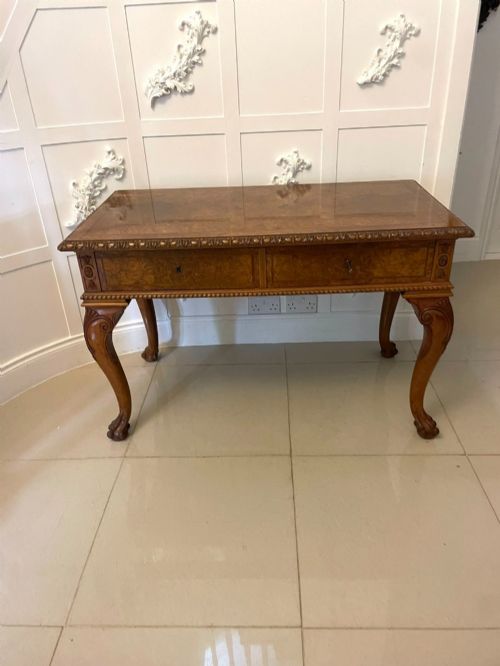
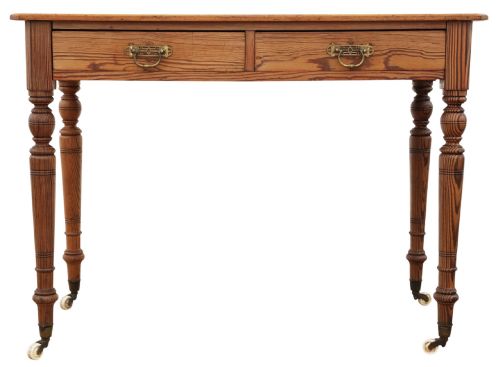
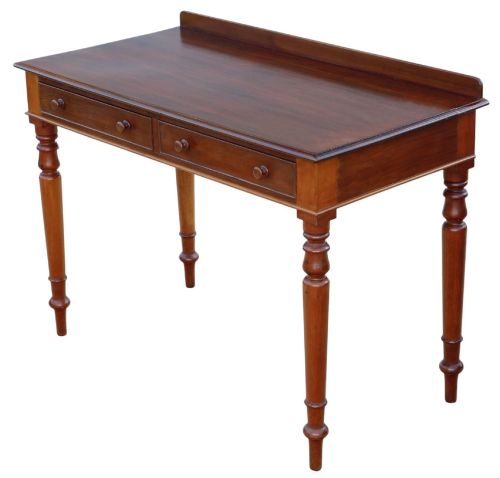
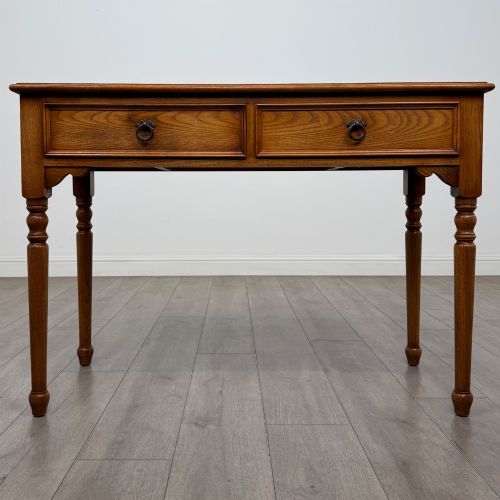
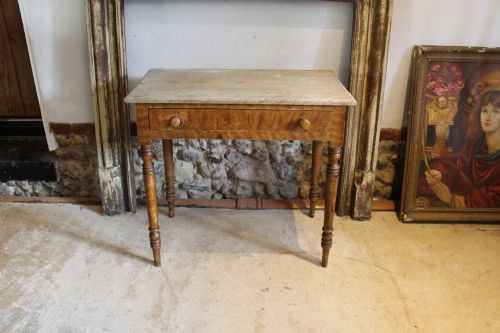
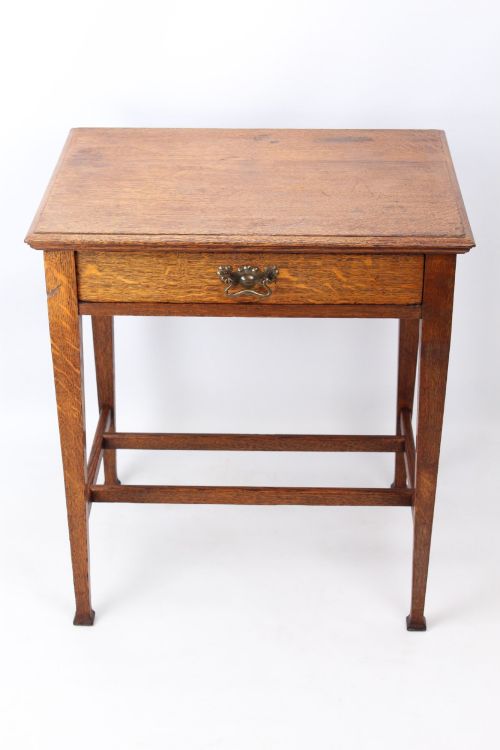
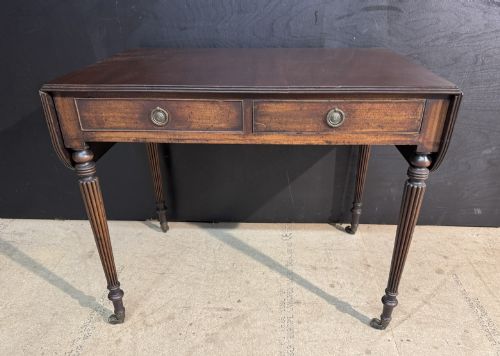
When searching for an antique hall console drawer, buyers encounter a variety of narrow timber tables designed for entryways, hallways, and reception rooms. These pieces combine a shallow surface for display with one or more fitted drawers for storage, appearing across Georgian, Victorian, and Edwardian periods.
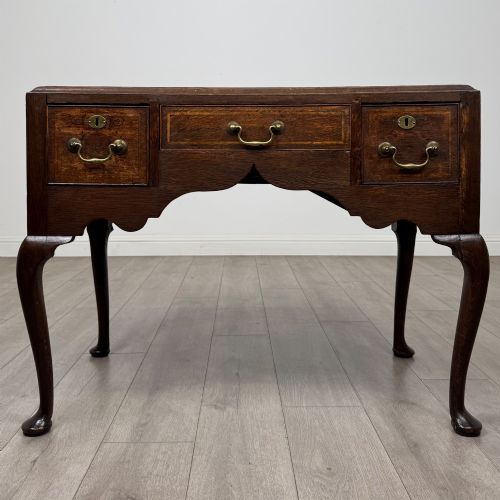
The selections on this page heavily feature side tables, lowboys, writing tables, and dresser bases executed in oak, mahogany, and walnut. From 18th-century George II designs to 19th-century Victorian iterations and early 20th-century revivals, the forms prioritise practical proportions for narrow passages.
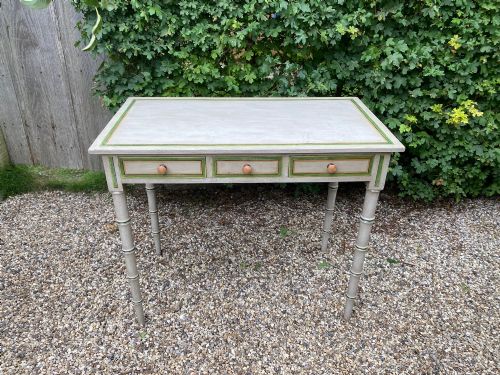
Regional variations span English country pieces in elm and fruitwood alongside polished mahogany urban models and painted pine items. Whether referencing a simple single-drawer pine frieze table or a figured burr walnut lowboy, each example serves the fundamental role of organising a hallway.
Materials and construction methods
Makers relied primarily on native and imported hardwoods, utilising oak, mahogany, and walnut for primary surfaces, alongside pine and pitch pine for secondary framing and drawer linings. Finer examples display figured timber veneers such as flame mahogany and burr walnut applied to carcases.
Traditional joinery governed the fabrication of these tables, employing hand-cut dovetails for drawer construction and mortise and tenon joints for the underframes. Surfaces received hand-applied finishes including traditional wax, polish, or occasional scumble paint effects.
Early painters got creative with scumble glaze, successfully fooling visitors into thinking common pine was exotic timber.
Distinctions in quality
Quality reveals itself through the selection of timber and the precision of the cabinetmaker's hand. Superior examples display carefully matched grain patterns, substantial secondary timbers, and fine dovetailing inside the drawer box rather than utilitarian machine joints.
Proportion and decorative restraint set finer pieces apart from standard utility furniture. Well-executed mouldings, original brass hardware, and balanced legs - whether cabriole, reeded, or tapering - distinguish workshop pieces from later provincial copies.
Heal and Son·Gillows
The Antique Hall Console Drawer Glossary
- Lowboy
- A small oak or walnut table with one or more drawers, standing on relatively tall legs and typically dating from the 18th century. It served various domestic functions including as a dressing or writing table.
- Dresser base
- A long, low sideboard featuring multiple drawers above cupboards or open potboards, commonly constructed in oak during the 17th and 18th centuries. These substantial pieces anchor large hallway and dining spaces.
- Frieze
- The central horizontal band of timber directly beneath the top surface of the table, which usually houses the fitted drawer. The construction of this section indicates the period and skill of the maker.
- Sofa table
- A narrow table designed to stand in front of a sofa, featuring drop leaves and twin pillar supports with one or two frieze drawers. Regency versions are particularly prized for their elegant lines.
- Scumble
- A paint technique used to create decorative faux wood grain or mottled patterns over a base coat, frequently found on 19th-century country pine furniture. This finish protected softwoods while mimicking more expensive hardwoods.
Antique Hall Console Drawer: Frequently Asked Questions
What is a hall console drawer?
A hall console drawer is a narrow table fitted with one or more storage compartments designed to fit slim spaces like hallways and entryways. They provide a surface for post and keys while keeping clutter hidden away.
Historically, these pieces took the form of lowboys, writing tables, or side tables adapted for domestic entryways. Their compact depth ensures they do not obstruct narrow corridors.
How do I date an antique hall console drawer?
Dating relies on examining construction methods, timber choices, and hardware styles across periods like the Georgian and Victorian eras. Hand-cut dovetails and native oak point toward 18th-century origins.
Later 19th-century pieces often utilise mahogany or pitch pine with machine-assisted elements. Comparing secondary woods and decorative motifs confirms the manufacturing decade.
Were these tables used for writing?
Many tables featuring drawers and flat tops served multiple functions, including correspondence and dressing in addition to hallway display. Makers frequently designed versatile pieces to suit shifting domestic needs.
Kneehole spaces and shallow drawers often indicate a writing function despite the primary classification as a side or hall table. Owners adapted rooms fluidly before fitted furniture became standard.
How do I care for antique timber tables?
Maintain antique timber by feeding the wood with traditional beeswax and keeping it away from direct heat sources and strong sunlight. Regular polishing preserves the patina developed over centuries.
Avoid excessive moisture on unsealed surfaces like pine or scrubbed oak. Gentle cleaning with a dry cloth protects the historic finish from unnecessary wear.