
Victorian Umbrella Drip Tray
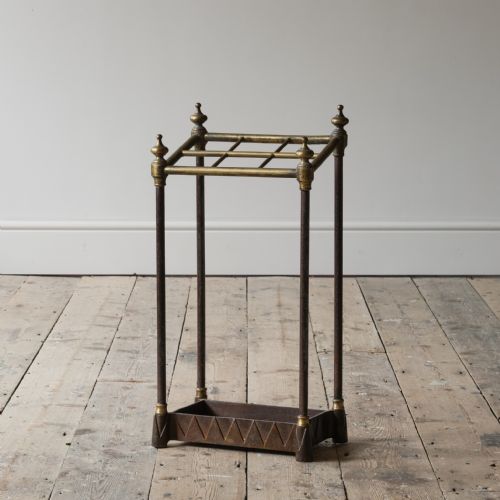
These Victorian umbrella drip tray pieces are hall accessories designed to hold wet walking gear, offering a practical piece of period metalwork or timber.
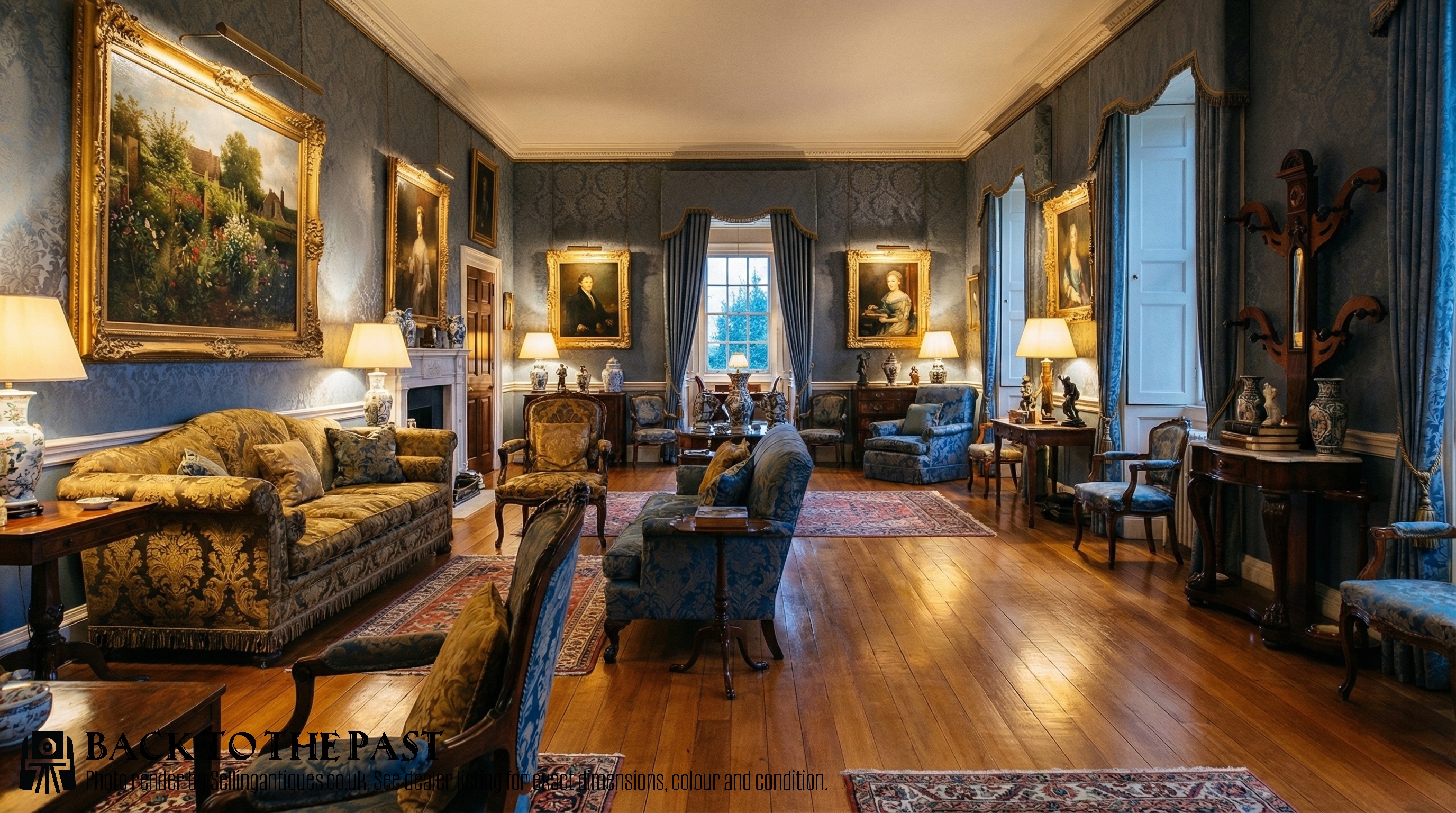
Victorian Umbrella Drip Tray
A buyer searching for a victorian umbrella drip tray meets hall furniture constructed to contain wet canes and umbrellas. The selections span umbrella stands, stick stands, and hall stands configured to manage rainwater.
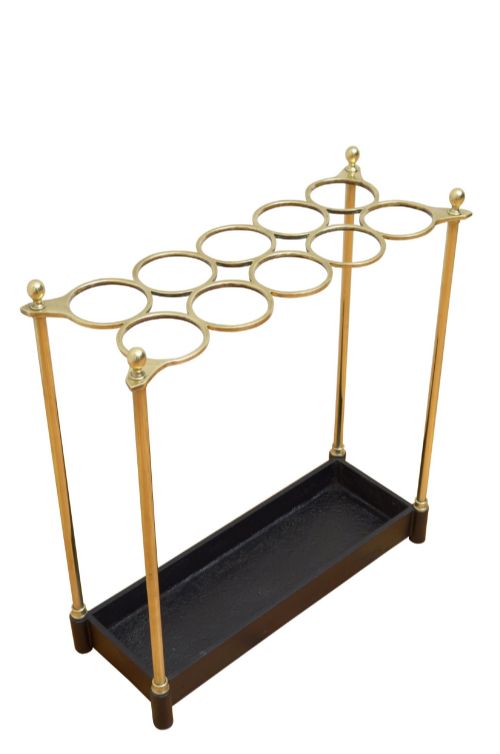
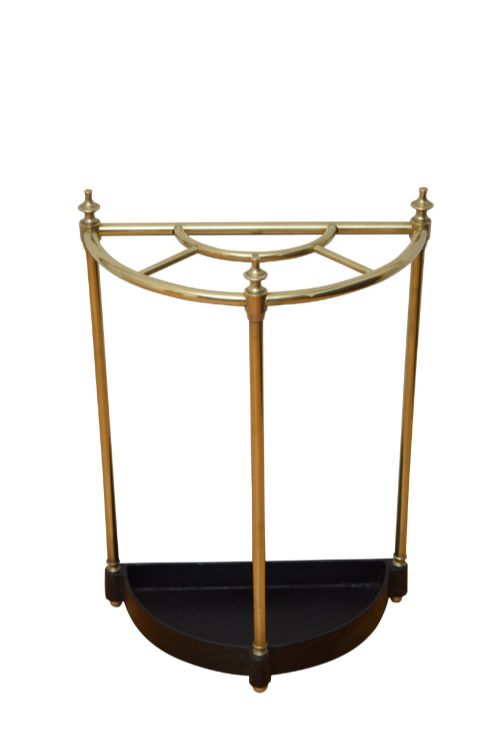
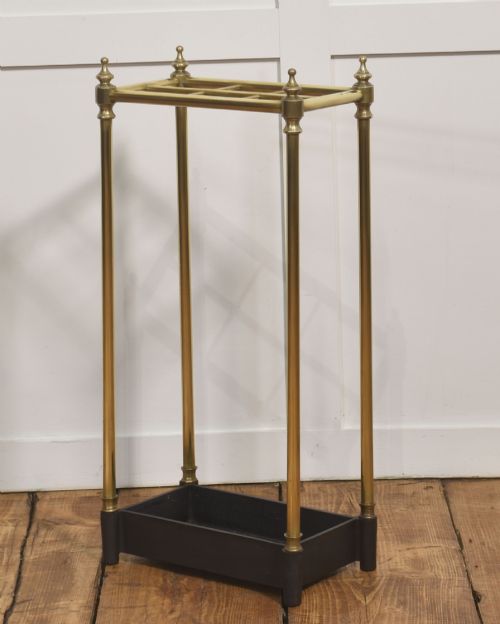
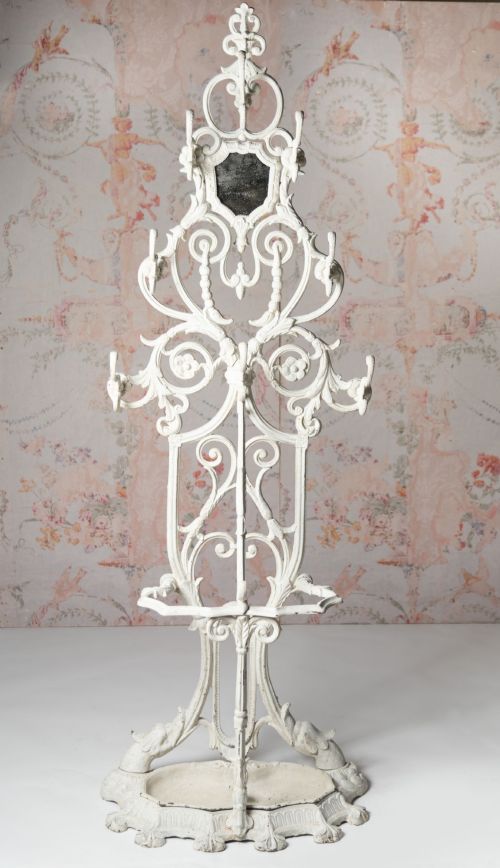
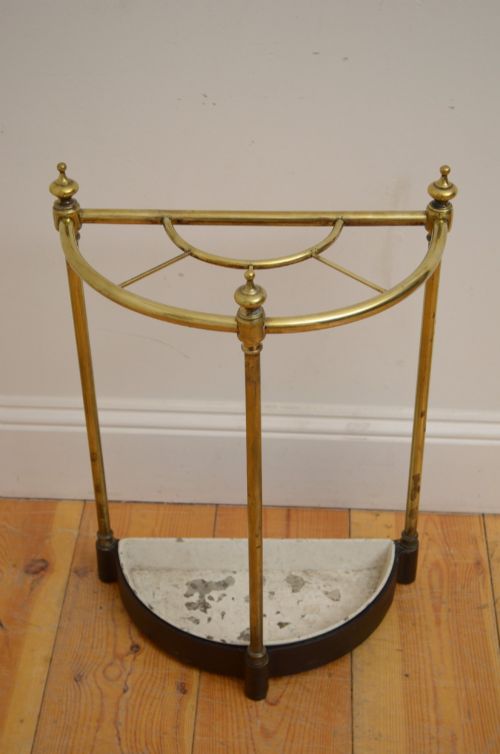
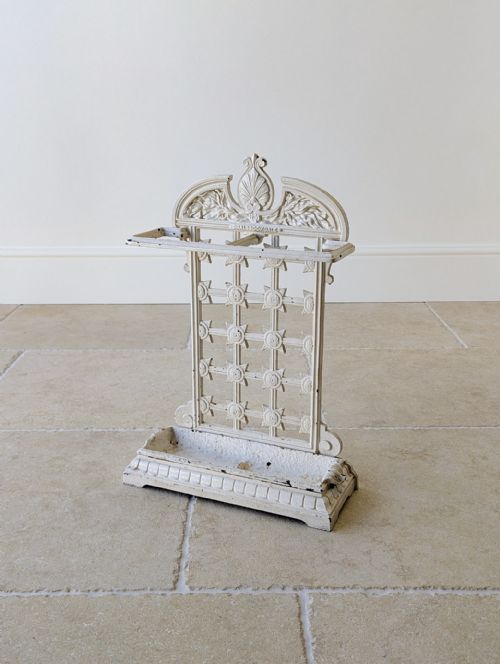
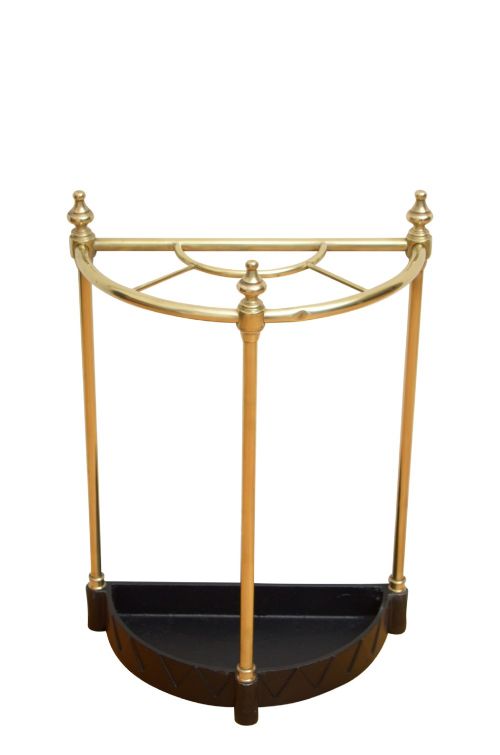
Most examples originate in the nineteenth century, including Victorian and Edwardian periods, alongside styles such as Gothic Revival and Aesthetic Movement. Forms range from freestanding brass half-moon frames to heavy cast iron designs equipped with removable bases.
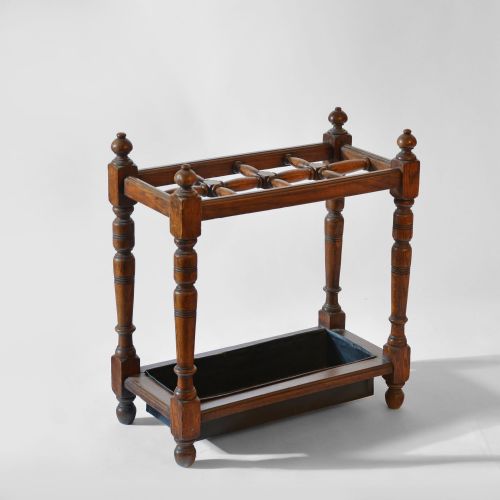
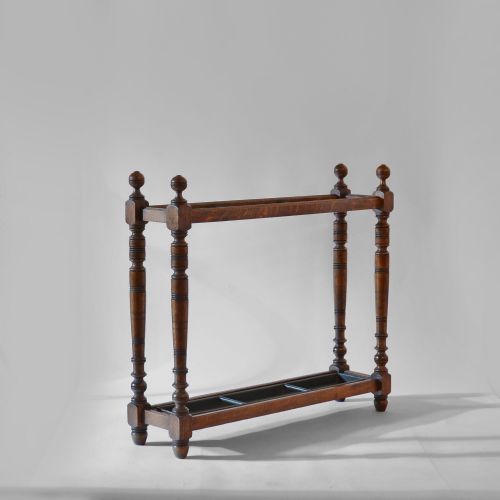
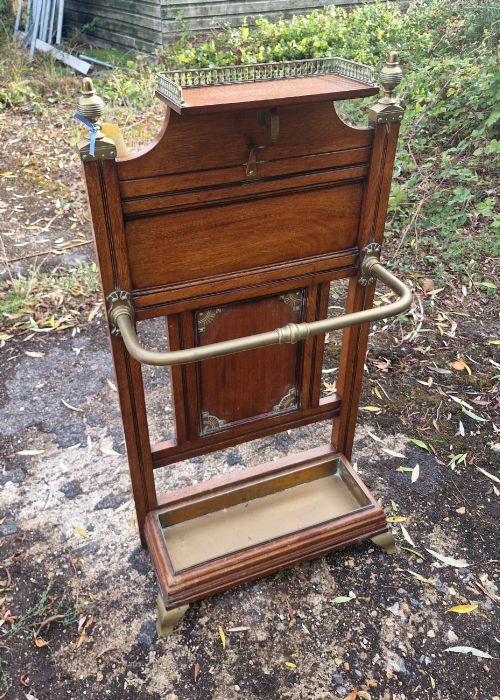
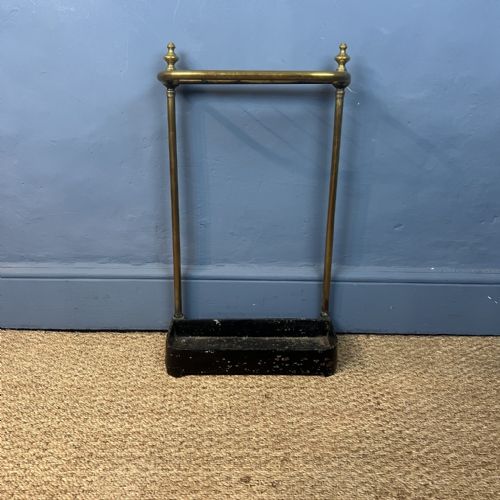
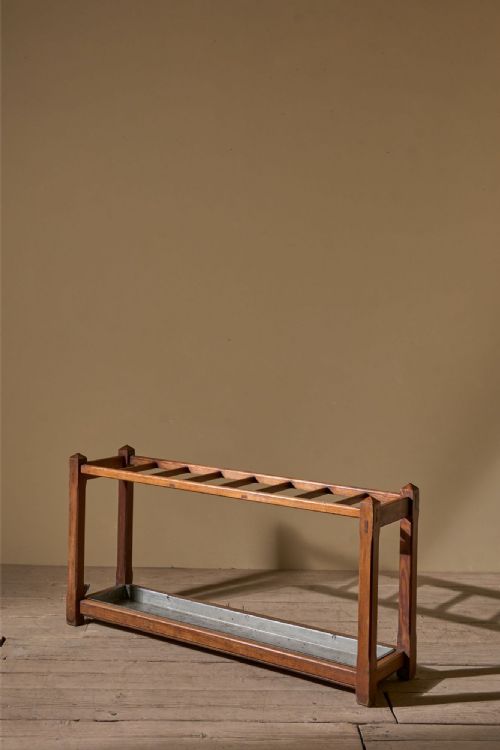
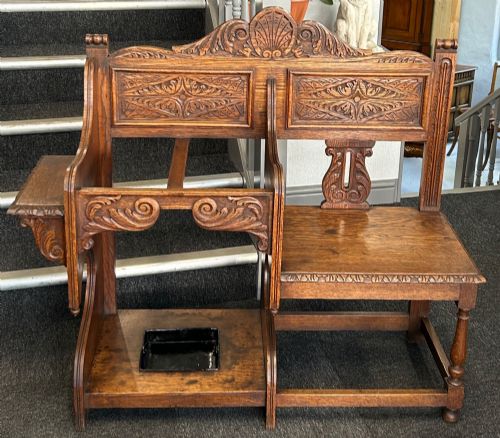
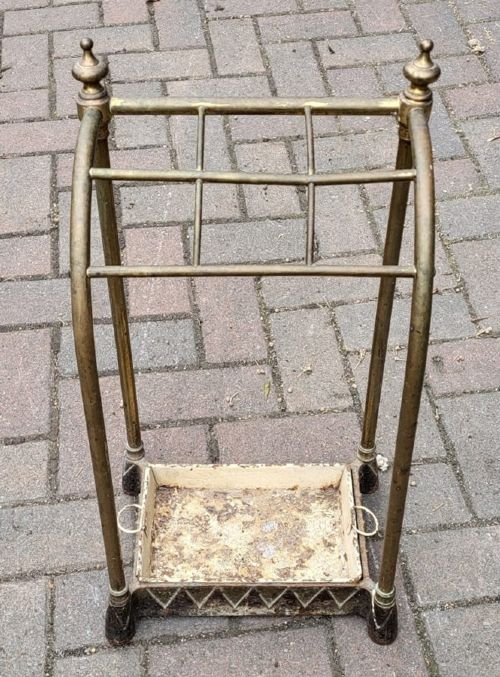
Timber versions appear in oak, mahogany, and pitch pine, often featuring carved panels or built-in seats. Metal variants combine brass rails with cast iron bases and integrated zinc or metal trays to catch moisture.
Materials and construction methods
Foundries produced heavy metal stands using cast iron and brass, frequently combining them with steel or zinc liners to hold water without damaging floors. Decorative elements like ball finials, dog figures, and openwork patterns were cast in moulds or shaped by hand.
Cabinetmakers utilised hardwoods like oak and mahogany, alongside pine, employing traditional joinery and turning techniques for upright frames and panelled backs. Many timber stands incorporate bentwood components or carved decoration suited to hallway placement.
Object types cover simple umbrella stands, combined coat and umbrella stands, and hall seats with integrated stick holders.
Judging quality and character
Quality rests in the weight of the metal and the crispness of the casting work, where finer iron examples show sharp relief in decorative motifs rather than blurred edges. Solid timber construction with clean joinery distinguishes better cabinetwork from utilitarian pine pieces.
Coalbrookdale·Thonet·A. Kenrick & Sons
The Victorian Umbrella Drip Tray Glossary
- Demi-lune
- A half-moon shape used for brass and iron stands designed to sit flush against a hallway wall. This profile saves floor space in narrow corridors.
- Drip tray
- A removable metal basin placed at the base of a stand to catch water from wet umbrellas. Zinc or iron liners prevent moisture from rotting surrounding timber or flooring.
- Bentwood
- Wood steamed and bent into curved structural shapes, seen in specific tubular frames. This technique creates lighter stands with smooth, continuous lines.
- Hall stand
- A larger piece of furniture combining an umbrella stand with coat hooks, a mirror, and sometimes a seat. These items served as central entranceway fittings in Victorian homes.
Victorian Umbrella Drip Tray: Frequently Asked Questions
What is a Victorian umbrella drip tray?
A Victorian umbrella drip tray is the removable base plate or basin located at the bottom of a hall stand. Its purpose is to collect water running off wet walking sticks and umbrellas.
These trays prevent moisture from damaging hallway floors and carpets. They are typically made from metal such as zinc, brass, or iron to resist rust.
How do I place one in a modern hallway?
These stands fit well against narrow walls, particularly demi-lune designs that take up minimal floor space. They provide a practical spot for daily walking gear while adding period character.
Ensure the floor beneath is protected if the original metal tray is missing or has developed leaks over time.
Are these stands made of cast iron?
Many examples utilise heavy cast iron for the main frame to provide stability when holding heavy walking sticks and umbrellas. Foundries often painted the iron black or incorporated openwork decorative patterns.
Brass was frequently combined with iron to create contrasting frames with bright rails and finials.
What timber types are used?
Makers employed sturdy hardwoods like oak and mahogany, alongside pine and pitch pine for country house variants. Timber stands often feature carved panels, turned uprights, or integrated hall seats.
Oak and mahogany versions were built to match other formal entrance furniture of the period.