



Antique Hall Clock
An antique hall clock anchors a room with mechanical gravity, bringing centuries of skilled joinery and precise timekeeping directly to your hallway.
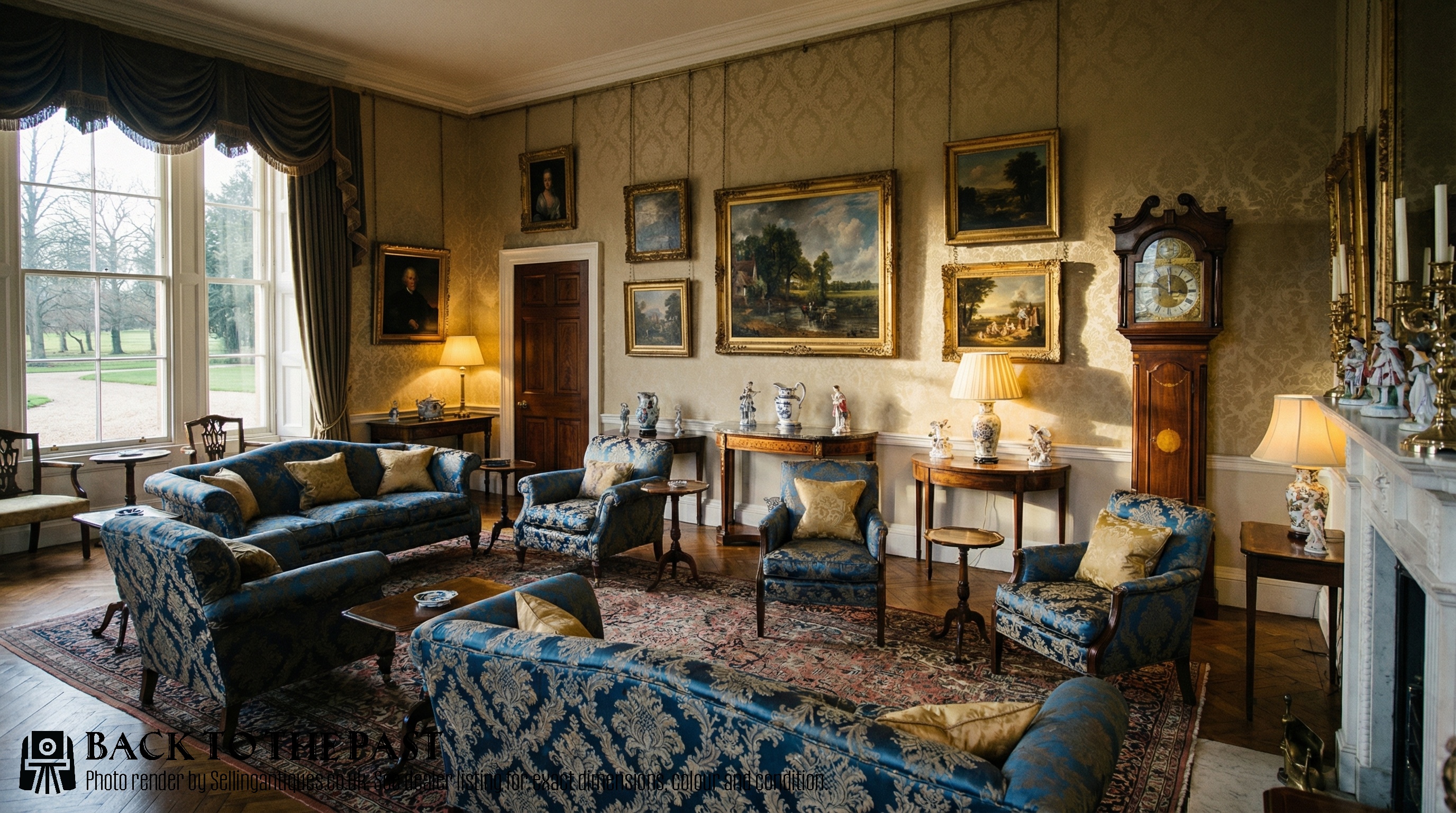
Antique Hall Clock
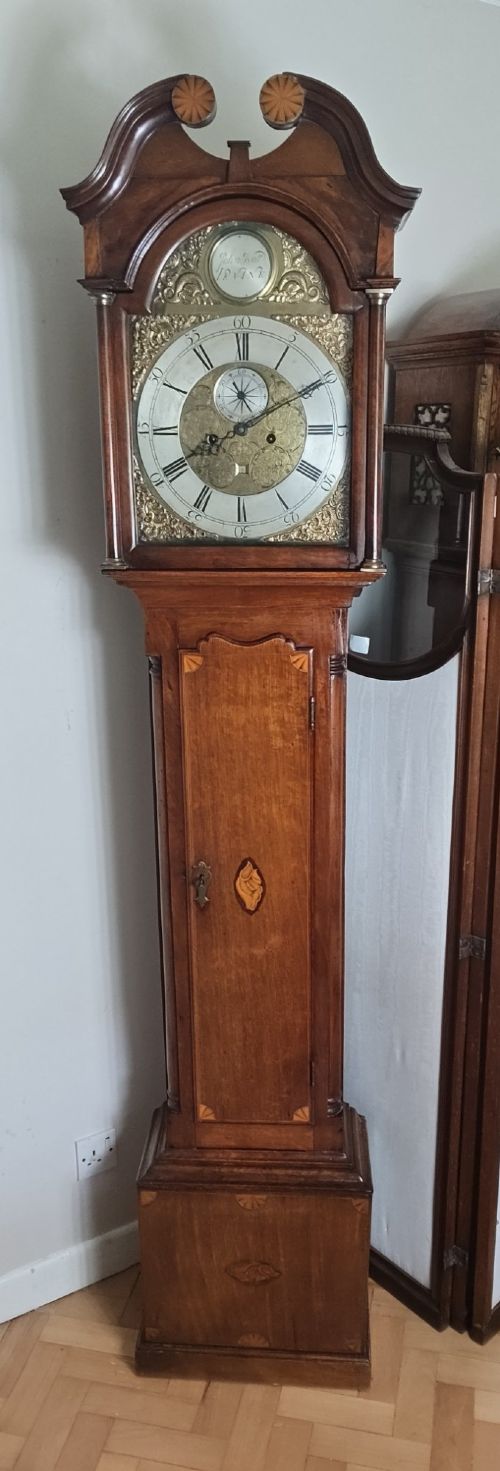
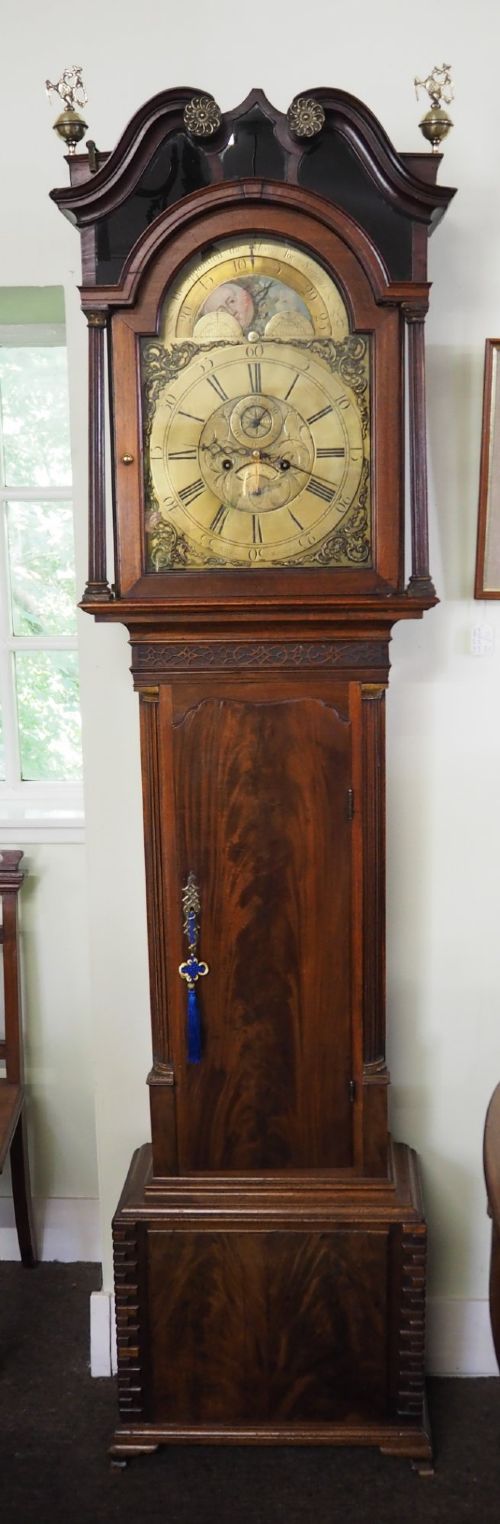
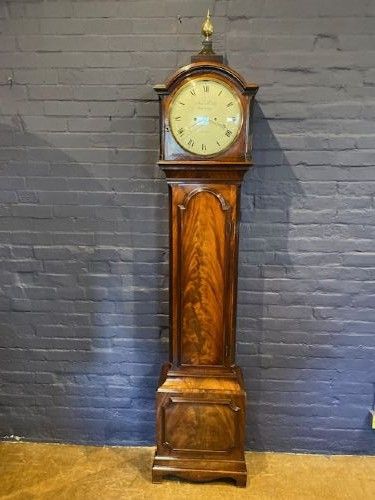
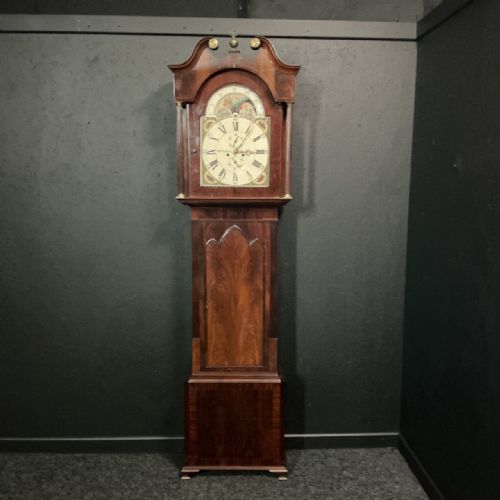
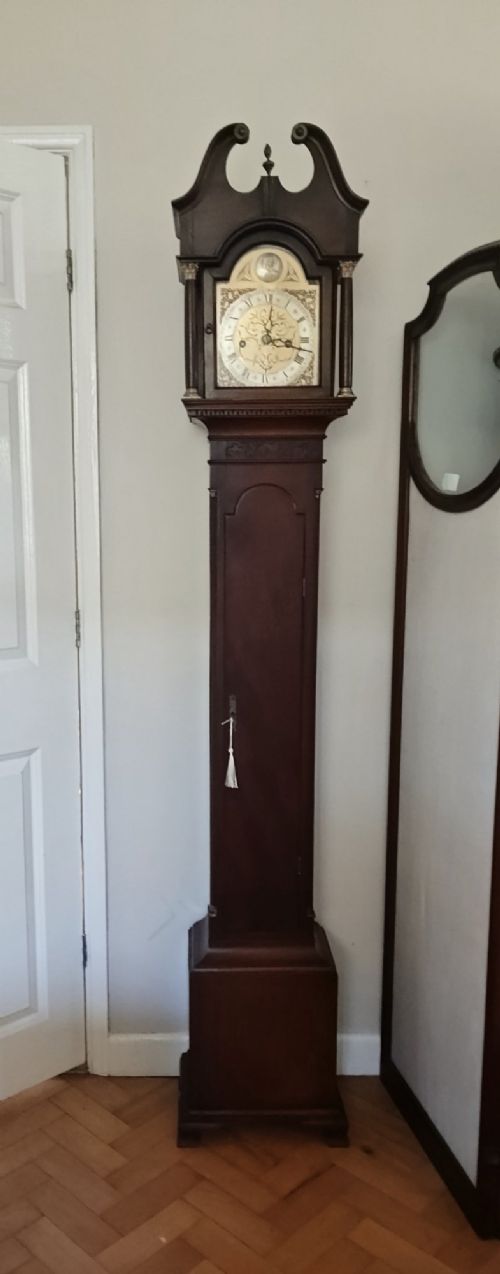
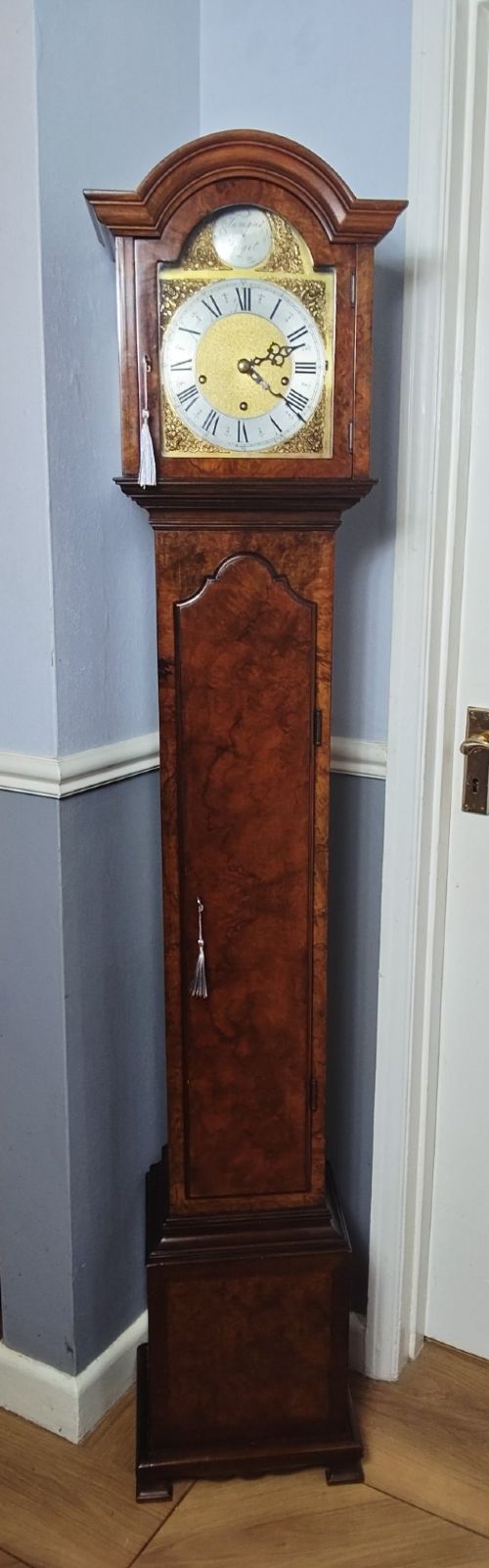
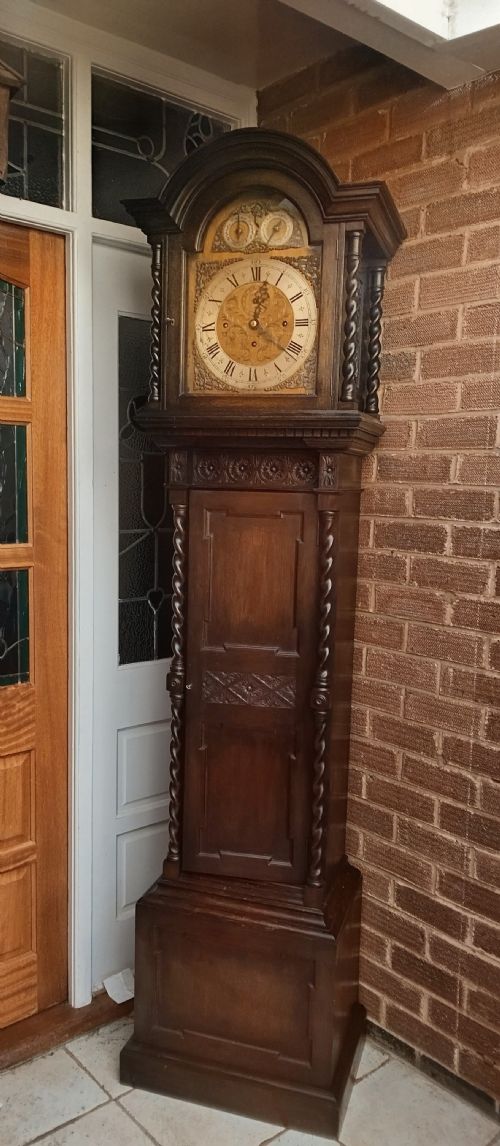
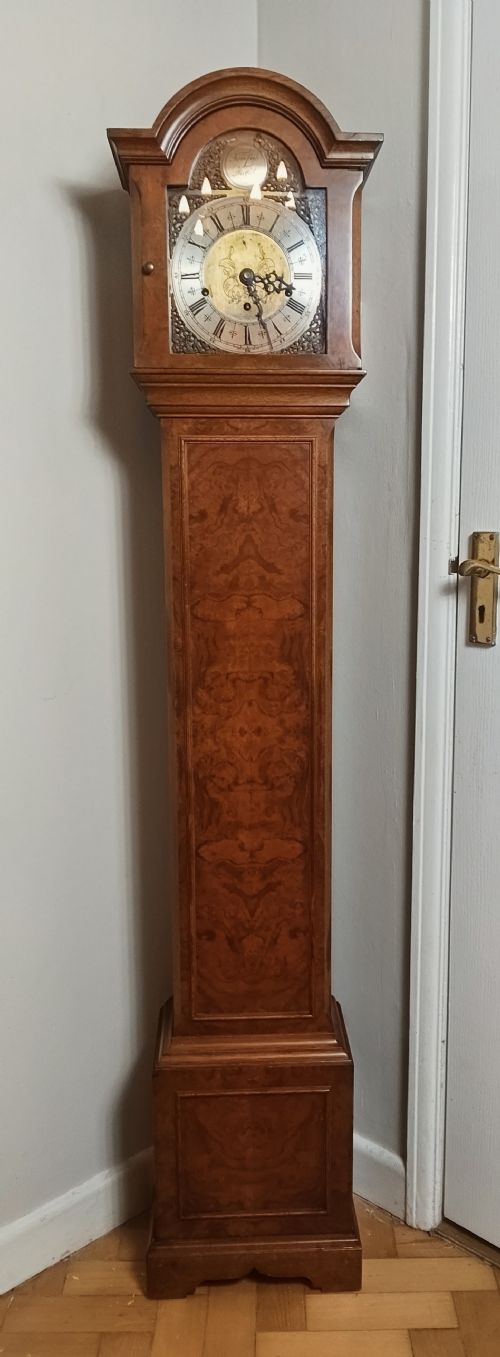
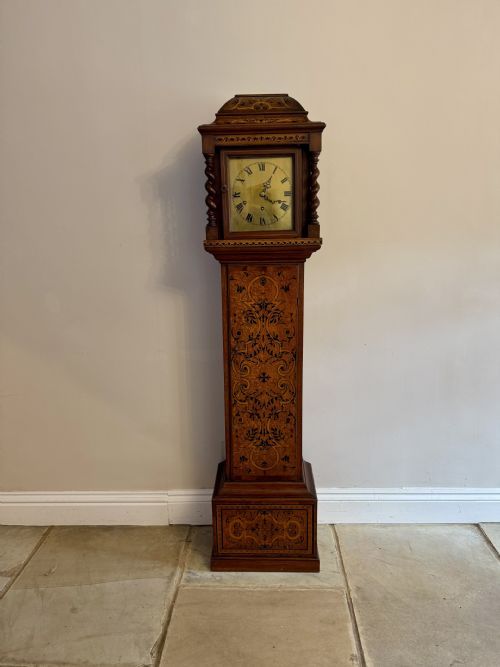
When you search for an antique hall clock, you encounter tall timepieces spanning the Georgian, Victorian, and Edwardian eras down through the early twentieth century. The selection ranges from grand mahogany and oak longcase clocks to smaller proportions in walnut and satinwood designed for more modest spaces.
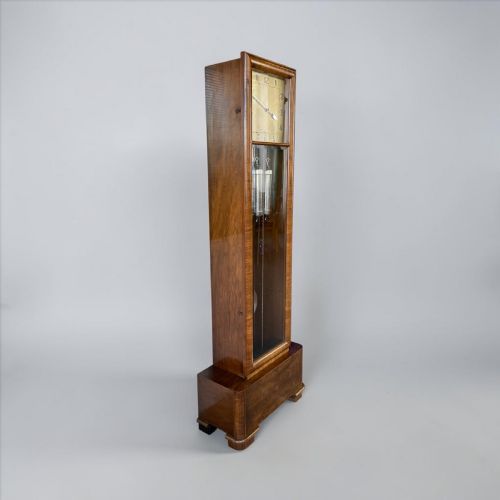
Grandfather clocks dominate the earlier centuries in robust oak and figured mahogany, while Edwardian and later periods introduce compact grandmother clocks and chiming movements. Regional variations appear alongside London makers, including Scottish examples and provincial makers working in walnut and brass dials.
Materials and construction
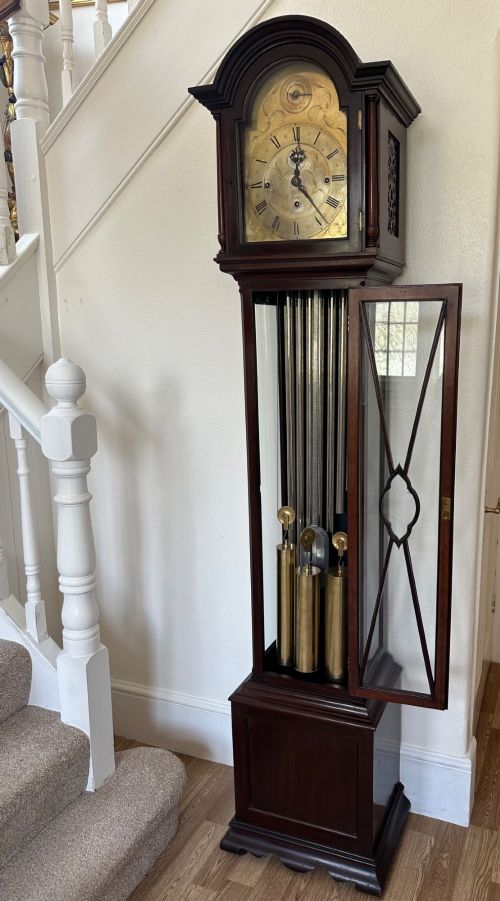
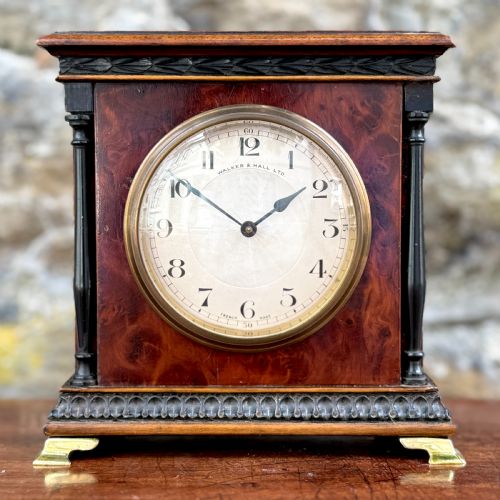
Cabinetmakers utilised dense hardwoods such as mahogany, oak, and walnut, often selecting figured veneers or burr walnut for decorative impact on the tall cases. Marquetry inlay, brass dials, and glass viewing doors demonstrate the combination of fine cabinetmaking and precision metalwork.
Movements incorporate brass gears, steel components, and occasionally tubular bells or gongs for musical strikes. Dial construction spans engraved brass, painted arches with moon rollers, and subsidiary seconds rings.
Antique Hall Clock Retail Price Guide 2026
Typical asking prices for hall clock among the pieces listed under this phrase on Sellingantiques today, from the lower quarter to the upper quarter. They describe what is for sale here now, not the wider market.
Materials span mahogany, oak, walnut, burr walnut, satinwood, rosewood, brass, glass, and steel across pieces dating from the eighteenth century to the 1930s.
Distinctions in craftsmanship
Superior examples separate themselves through the architectural proportion of the timber case and the crisp execution of carved details or marquetry inlay. Cabinet work that retains tight joints, original patination, and well-figured grain sets the standard at the upper end.
Movement complexity and dial execution dictate the standing of a piece, with multi-tube chiming systems and signed brass dials representing advanced horological work. The integration of the movement within a well-proportioned case defines the build quality.
James McCabe·Walker and Hall·ELLIOTT·Richard Sharkey Birmingham·John Wylde·Richard Northen·GARMAN MEONSTOKE·Dwerrihouse & Carter·Richard Marshall Wolsingham·Henri Picard
The Antique Hall Clock Glossary
- Longcase clock
- A tall pendulum clock enclosed in a wooden case that stands directly on the floor. These pieces are frequently referred to as grandfather clocks.
- Grandmother clock
- A smaller, more slender version of the longcase clock, typically produced during the Edwardian and later periods to fit lower ceilings.
- Dial
- The face of the clock where the hours and minutes are displayed. Dials can be constructed from engraved brass or painted metal.
- Quarter chiming
- A movement mechanism that strikes the bells or gongs every fifteen minutes to mark the progression of the hour.
- Marquetry
- Decorative woodwork where thin pieces of various veneers are fitted together to form pictorial patterns on the clock case.
Antique Hall Clock: Frequently Asked Questions
What is the difference between grandfather and grandmother clocks?
Grandfather clocks are the standard full-size longcase timepieces produced predominantly through the Georgian and Victorian eras. Grandmother clocks are noticeably shorter and more slender versions developed around the Edwardian period.
This smaller scale allowed them to fit comfortably into modern hallways and domestic rooms with lower ceiling heights without dominating the floor space.
How do I wind an antique hall clock?
Winding requires raising the weights via a crank or key depending on whether the movement uses brass weights or spring barrels. Care must be taken not to overwind the mechanism.
Consulting the specific weight and gear train configuration of the movement ensures the pendulum maintains an even beat without straining the internal components.
Where should I place a longcase clock?
A hall clock needs a stable, dry interior wall away from direct sunlight and strong drafts that might affect the timber case and wood movement. Placing the case on a level floor is essential for the pendulum to swing evenly.
Because these clocks are tall and heavy, securing the upper trunk to the wall with appropriate brackets prevents accidental tipping in busy hallways.
How do I date an antique hall clock?
Dating relies on examining the timber species, case style, dial construction, and any signature engraved on the brass or painted face. Georgian pieces often feature square brass dials or arched painted faces in solid oak or mahogany.
Later Edwardian and 1920s examples introduce walnut veneers, smaller proportions, and complex chiming mechanisms such as tubular bells or gongs.