


Antique Hall Accent Chair
An antique hall accent chair brings period character to an entrance or reception space, offering sturdy timber framing and carved detail.
Antique Hall Accent Chair
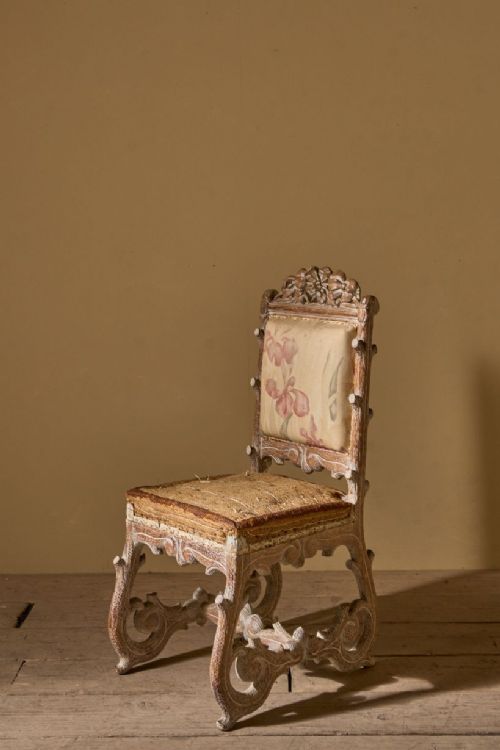
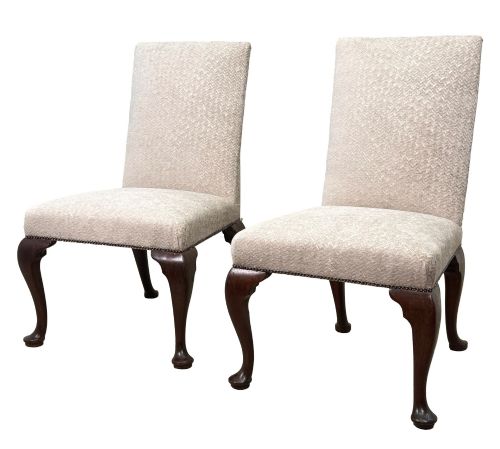
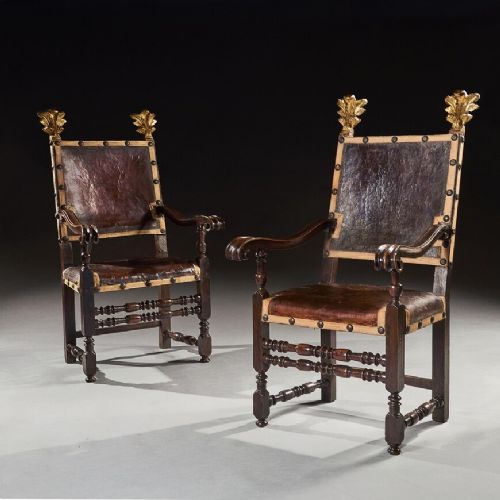
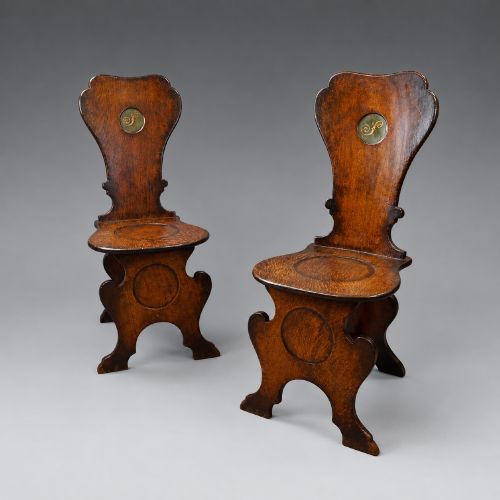
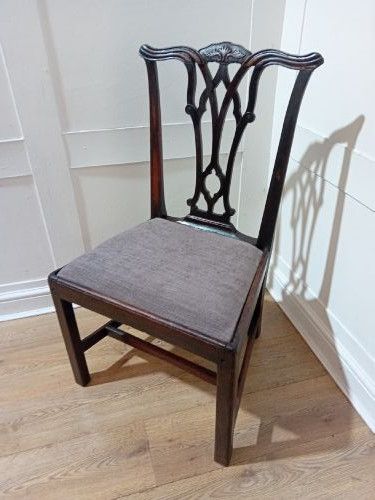
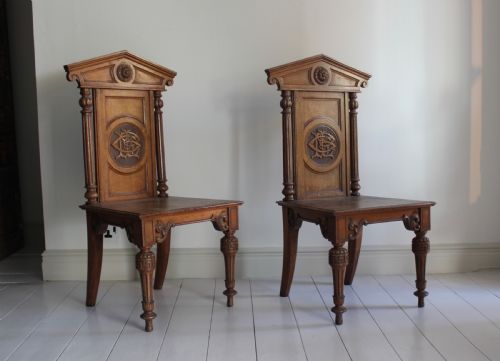
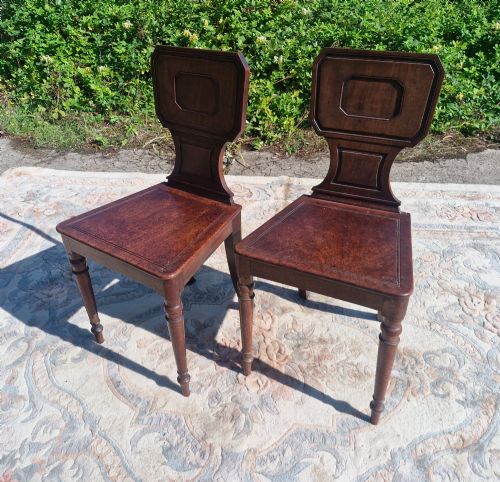
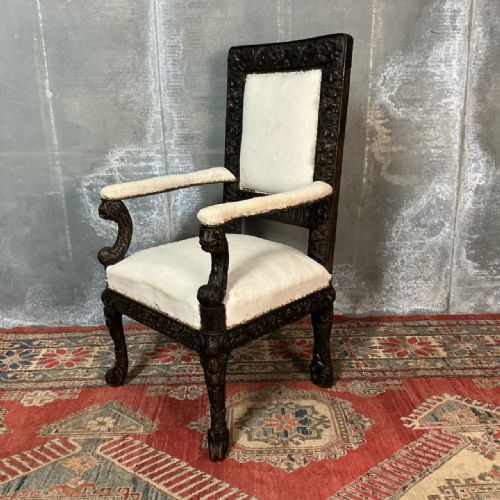
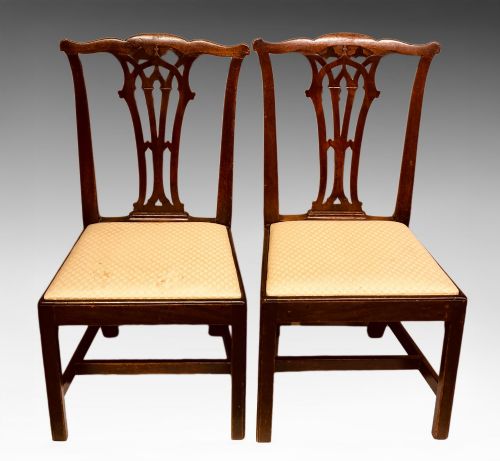
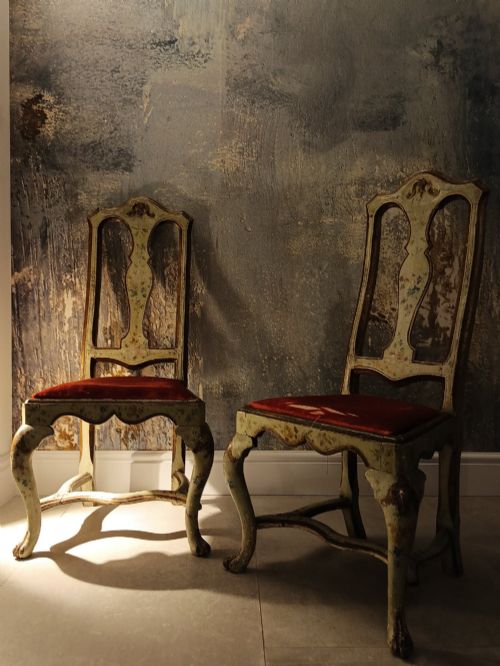
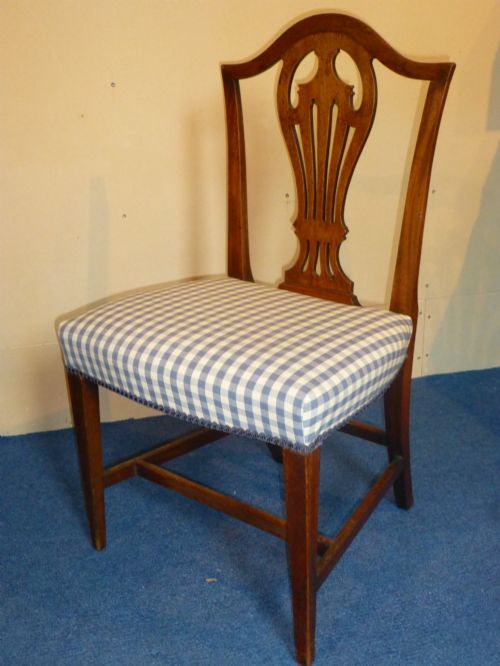
When buyers search for an antique hall accent chair, they encounter seating designed for transitional spaces, reception rooms, and hallways across multiple historical periods. The pieces appearing here span from the seventeenth century through the Edwardian era, encompassing formal reception seating and occasional chairs.
The most frequent examples on this page are nineteenth-century interpretations of earlier designs, alongside genuine eighteenth-century mahogany and oak specimens. Forms range from rigid high-backed hall chairs to low-slung occasional seats and robust armchairs.
Origins represented in the inventory include English, Scottish, and Italian workshops, utilising regional timbers appropriate to their date of manufacture. Buyers select these chairs to anchor an entryway with historical presence rather than for lounging comfort.
Materials and construction methods
Cabinetmakers constructed these chairs primarily using dense hardwoods such as oak, mahogany, walnut, and fruitwood, often joining components with traditional peg and mortise techniques. Where painted or parcel-gilt finishes appear, they are applied over a prepared wooden ground.
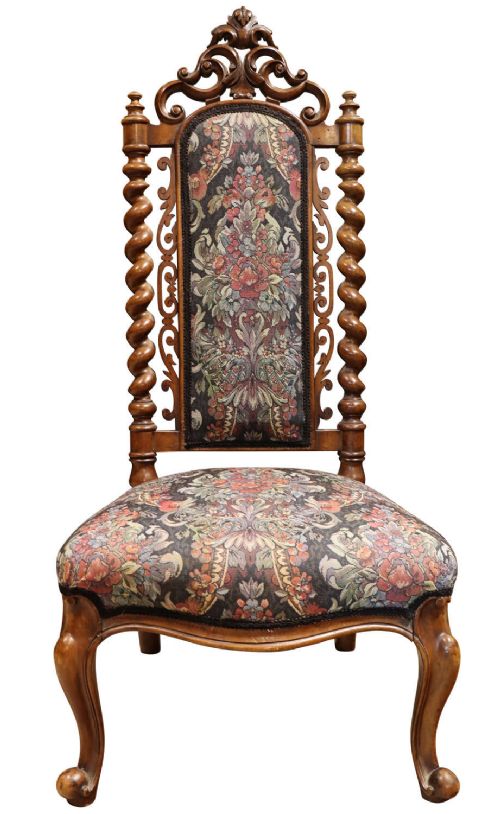
Upholstered variants incorporate textiles like velvet, tapestry, leather, and woven cane inserts supported by brass tacks or webbing. Carving is executed directly into the solid timber frame, featuring motifs from geometric bobbin turns to elaborate baroque scrolls and shield backs.
Listings feature oak, mahogany, walnut, and pitch pine across centuries ranging from the seventeenth to the twentieth.
Distinctions in construction and finish
The calibre of an antique hall accent chair depends on the crispness of the hand-carved detail and the selection of the timber grain. Pieces exhibiting deep, well-defined relief work and stable, heavy timber frames represent higher standards of period craftsmanship.
Integrity of the original construction, including unaltered joinery and minimal replacement parts, distinguishes superior examples. Surface patination achieved through decades of handling also contributes to the desirability of the piece.
Charles Tozer
The Antique Hall Accent Chair Glossary
- Shield back
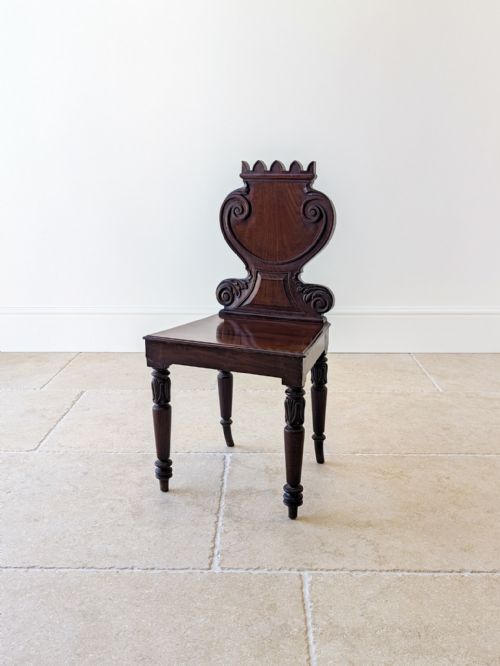
- A chair back shaped in the outline of a heraldic shield, popular during the eighteenth century. This design often incorporates pierced splats and carved ornamentation.
- Glastonbury chair
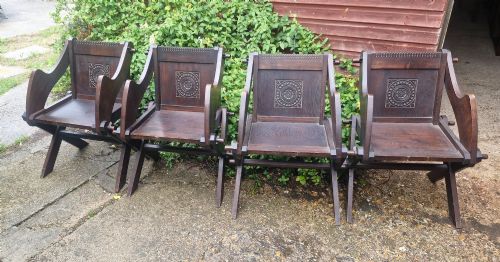
- A distinctive folding armchair with an X-frame base and sloping arms, frequently constructed in oak or pitch pine. The style dates back to mediaeval forms but saw revival periods in the nineteenth and early twentieth centuries.
- Sgabello
- An Italian Renaissance chair type featuring a wooden seat supported by two solid carved boards rather than conventional legs. These are typically utilised as decorative hall or corridor seating.
- Parcel-gilt
- A method of decoration where portions of a wooden or gessoed surface are highlighted with gold leaf. This technique accentuates specific carved details against a contrasting painted or dark wood background.
Antique Hall Accent Chair: Frequently Asked Questions
What is an antique hall accent chair?
An antique hall accent chair is a historic seat designed primarily for display and brief use in entranceways, hallways, or reception rooms. These pieces often feature rigid backs and solid wooden construction rather than deep upholstery.
They reflect the dominant stylistic periods of their manufacture, ranging from seventeenth-century Baroque to Edwardian interpretations. Buyers utilise them to establish a formal aesthetic in transitional domestic spaces.
How do I date an oak hall chair?
Dating an oak hall chair involves examining the joinery, tool marks, and timber characteristics visible on the frame. Eighteenth-century examples often display hand-sawn surfaces and pegged joints, whilst nineteenth-century revival pieces may show machine-standardised components.
Stylistic cues such as shield backs, bobbin turning, or Gothic trefoil details also align the piece with specific eras like the Georgian or Gothic Revival periods.
Are cane seats original on these chairs?
Cane seating can be original to pieces like Regency sabre leg side chairs and Edwardian bedroom chairs where woven cane was a favoured technique. The presence of tight, uniform weaving integrated directly into the wooden frame indicates period execution.
Because cane degrades over time, many surviving examples feature professional re-caning that matches the historical gauge and pattern. Inspecting the underside reveals whether the drill holes and frame rebate show appropriate age.