



Antique Gustavian Furniture
Antique gustavian furniture brings restrained Scandinavian neoclassical elegance into modern rooms through painted surfaces and clean classical lines.
Antique Gustavian Furniture
Antique gustavian furniture encompasses practical domestic forms from Sweden created during the eighteenth and nineteenth centuries, taking inspiration from French neoclassical design but paring it down to a lighter, simpler vocabulary. A buyer exploring this category encounters functional pieces built for daily Scandinavian life, ranging from storage solutions to seating and occasional tables.
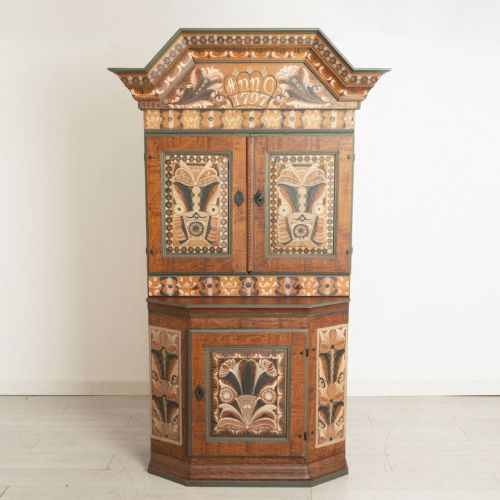
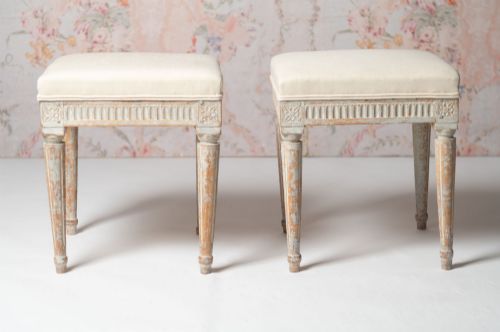
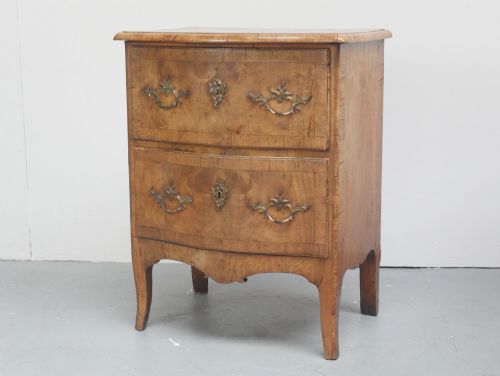
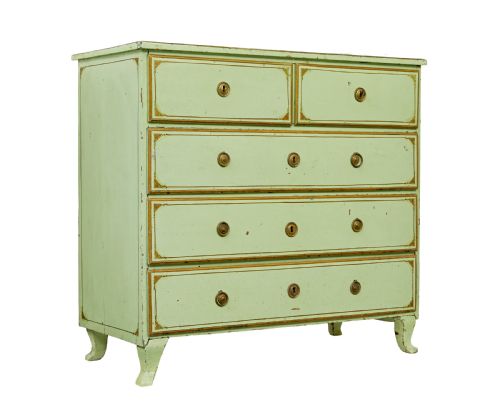
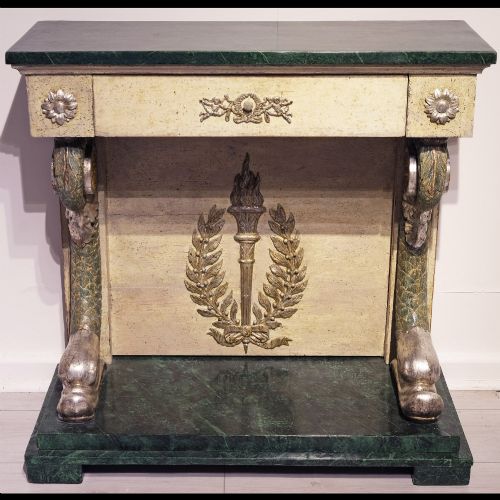
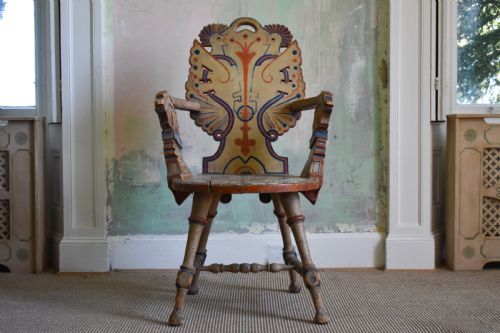
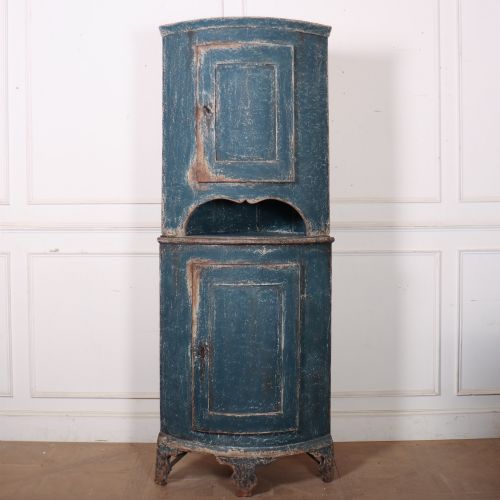
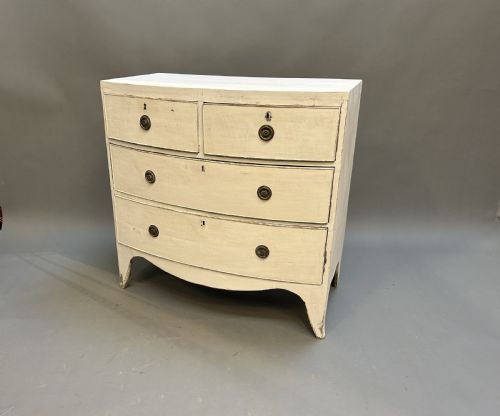
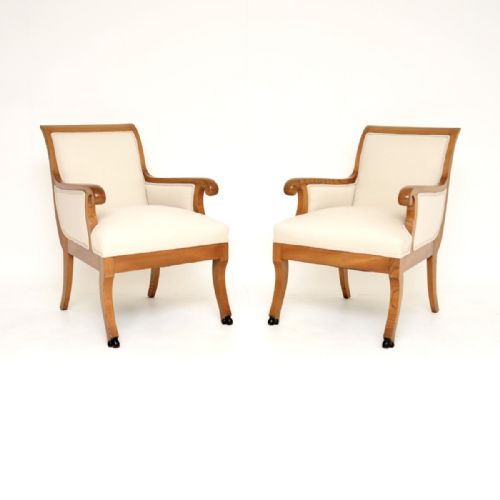
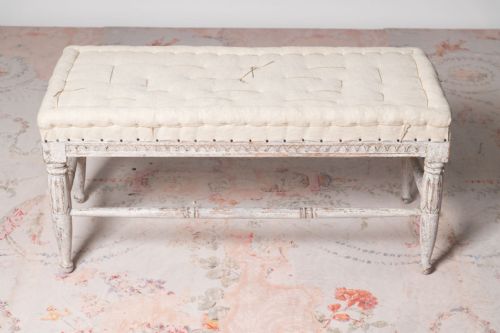
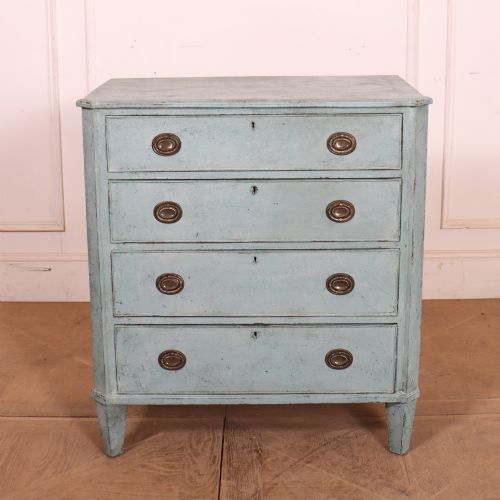
The version most commonly met on this page is the painted pine or birch commode or chest of drawers, often featuring serpentine fronts, fluted drawer details, and gentle neoclassical proportions. Alongside these storage pieces, domestic interiors yield benches, armchairs, consoles, and corner cupboards that share the characteristic pale palette and restrained carved ornament.
Origins remain firmly rooted in Scandinavia, predominantly Sweden, though occasional pieces reflect broader regional influences such as Dutch neoclassical or Scandinavian country traditions. Surviving examples demonstrate how local makers adapted continental court styles into durable, lighter furnishings suited to northern homes.
How they were made
Construction relies heavily on native northern timbers, principally pine, birch, and satin birch, selected for stability and worked by regional joiners using traditional framing and dovetailing techniques. Surfaces are frequently finished with layered paint, often scraped down to reveal earlier decorative strata, or left in polished burr birch to highlight natural grain patterns.
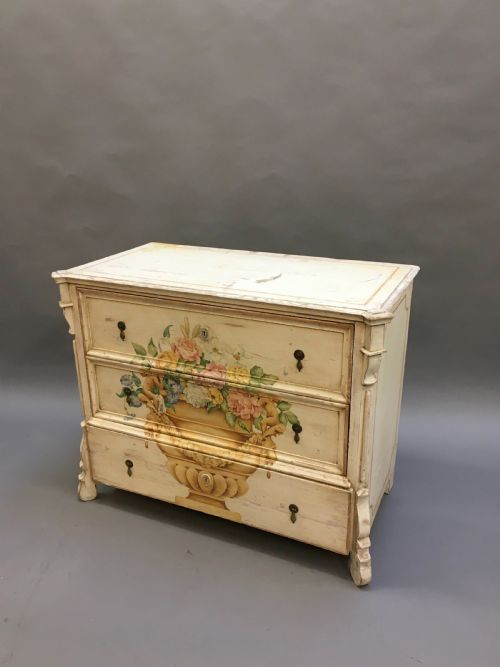
Ornamentation avoids heavy gilding in favour of carved fluting, subtle dentil moulding, and occasional faux marble tops that imitate more costly stone finishes with painted ingenuity. Iron and brass hardware complements the timber frames, fastening doors and drawers securely without overwhelming the modest scale of the woodwork.
Antique Gustavian Furniture Retail Price Guide 2026
Typical asking prices for gustavian furniture among the pieces listed under this phrase on Sellingantiques today, from the lower quarter to the upper quarter. They describe what is for sale here now, not the wider market.
A sturdy wooden highchair survives among the seating, proving that miniature neoclassical style was reserved for the smallest family members.
What varies in quality
Quality rests primarily on the integrity of the original surface finish, distinguishing pieces retaining their historic layered paint from those subjected to later, unsympathetic redecoration. The subtlety of the hand-carved detailing, such as crisp fluting on drawer fronts and refined proportions in the neoclassical legs, separates standard regional carpentry from finer workshop production.
Structural honesty and the preservation of original timber elements, including intact brass or iron fittings and stable drawer construction, determine the enduring character of each item. Pieces that maintain their uncompromised structural balance alongside untouched historical surfaces represent the highest standard within the category.
The Antique Gustavian Furniture Glossary
- Gustavian
- The Swedish neoclassical style spanning the late eighteenth century, defined by light proportions, restrained classical ornamentation, and pale painted finishes. It draws inspiration from Louis XVI designs observed during royal visits to Paris.
- Commode
- A decorative low chest of drawers or cabinet designed for domestic storage. These pieces frequently feature serpentine or bowfronted profiles and sophisticated painted decoration.
- Slagbord
- A traditional Scandinavian dropleaf dining table supported by swinging gatelegs. This form provides flexible surface space within smaller domestic rooms.
- Serpentine
- A curved furniture front characterised by a convex centre flanked by concave ends. This contour adds visual movement and requires precise woodworking skill to execute.
- Demilune
- A half-moon shape commonly applied to console tables and side tables designed to stand flat against a wall. The profile saves floor space while offering a functional display surface.
Antique Gustavian Furniture: Frequently Asked Questions
How should I care for painted furniture?
Painted surfaces require gentle dusting with a dry microfibre cloth and protection from direct sunlight to prevent fading. Avoid chemical cleaners that can lift historic paint layers.
Maintaining stable indoor humidity prevents the underlying pine or birch timber from expanding and contracting. This care routine preserves the fragile historic patination built up over centuries.
Where were these pieces used?
Domestic interiors across Sweden utilised these items in reception rooms, bedrooms, and hallways for practical storage and display. Commodes held linens, while console tables and corner cupboards furnished dining and living spaces.
Their restrained scale allowed them to fit comfortably into both modest rural homes and grander town houses. Today, their neutral palettes and clean lines suit contemporary living spaces remarkably well.
How do I spot original paint?
Original paint surfaces show natural wear patterns, softening around edges and handles where hands touched the wood over generations. Close inspection under magnification often reveals multiple historic layers beneath the surface.
Modern repainting tends to look uniform and lacks the subtle crackle or gentle fading associated with age. Examining the interior woodwork and drawer linings for matching paint overspray helps confirm authenticity.