



Antique Green Glasses
Antique green glasses bring the depth of historic colour to a room, ranging from deep apothecary vessels to delicate table wares.
Antique Green Glasses
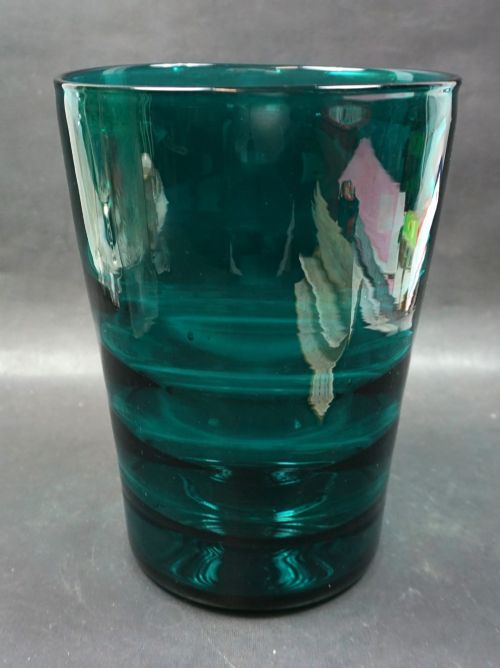
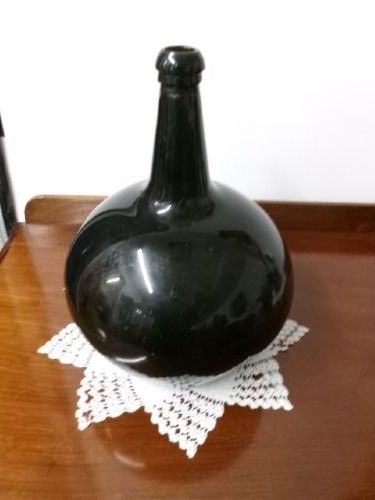
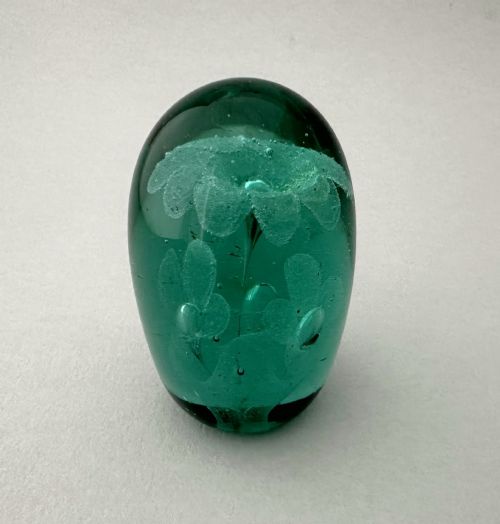
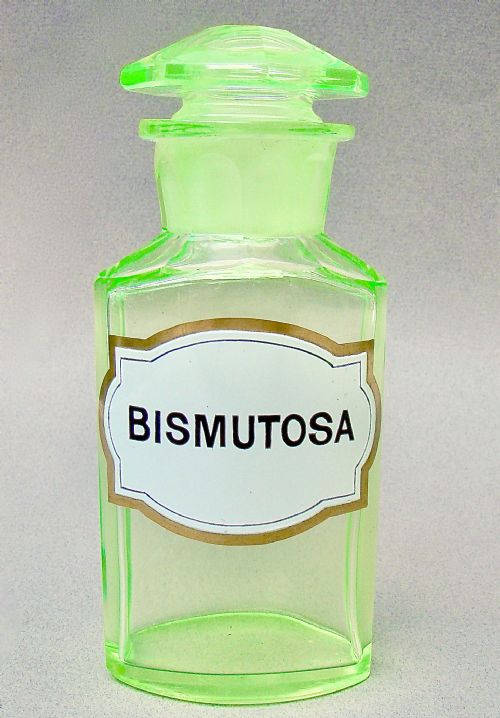
When you search for antique green glasses, you encounter a mix of domestic vessels, scent bottles, and decorative pieces spanning several centuries. The selection includes Georgian onion apothecary bottles, Victorian uranium glass jars, and Edwardian salt tubs.
Vessels made for practical or medicinal use sit alongside tablewares and display items. Champagne glasses, finger bowls, and epergnes demonstrate how green glass found a place in daily dining and interior decoration.
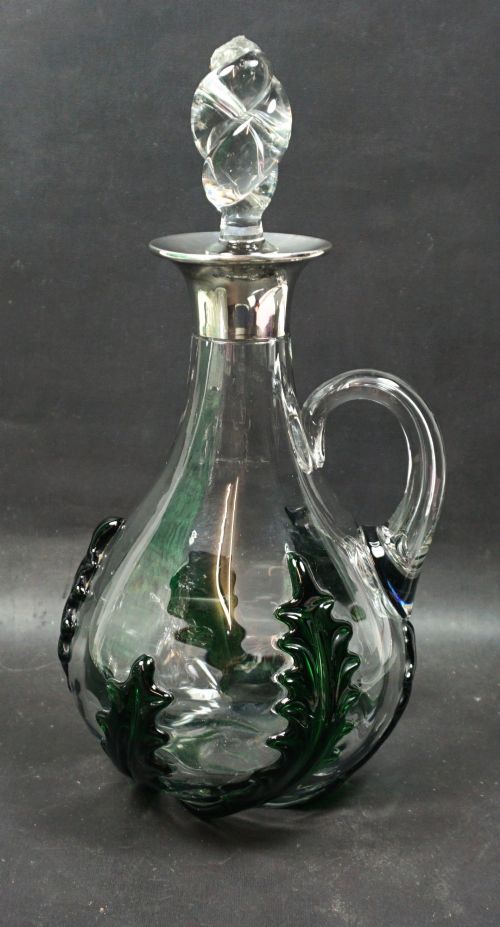
Pieces range from early blown glass wine bottles to finely mounted silver-gilt scent bottles and cameo glass vases. The variety reflects shifts in taste from Georgian utility to Victorian ornament and Art Nouveau curves.
How they were made
Makers utilised glassblowing techniques to shape vessels, often incorporating mineral oxides to achieve the characteristic green tones seen in Vaseline and uranium glass. Molten material was manipulated by hand, resulting in variations in thickness and bubble formation.
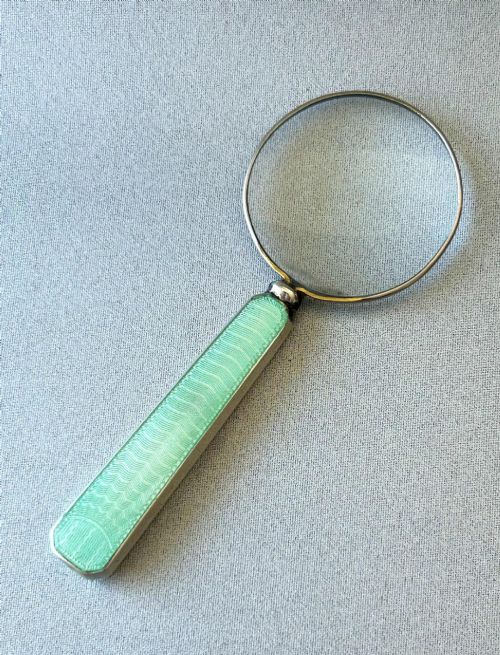
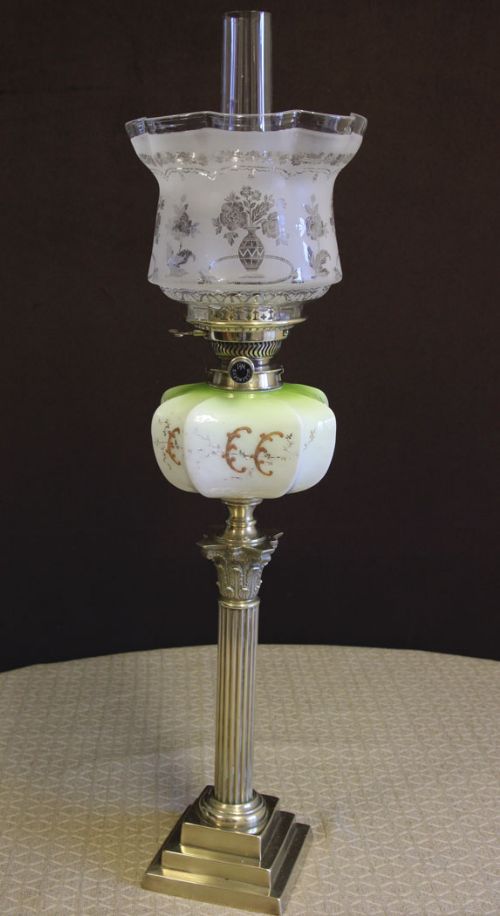
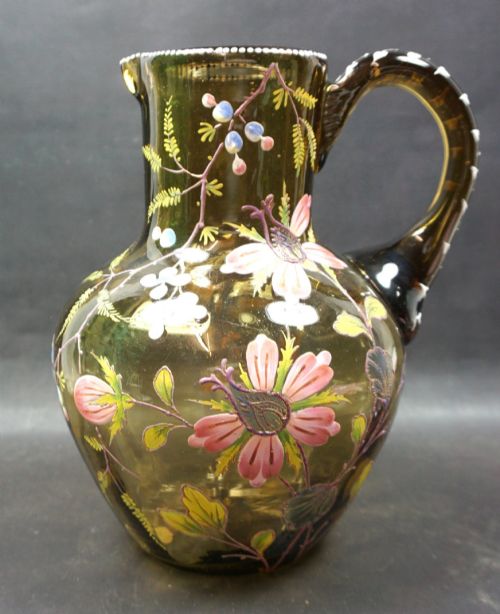
Mounts and decorative details involved contrasting materials such as sterling silver, brass, and enamel. Craftsmen added silver-gilt work, etched patterns, and cameo layers to enhance the visual impact of the glass body.
Antique Green Glasses Retail Price Guide 2026
Typical asking prices for green glasses among the pieces listed under this phrase on Sellingantiques today, from the lower quarter to the upper quarter. They describe what is for sale here now, not the wider market.
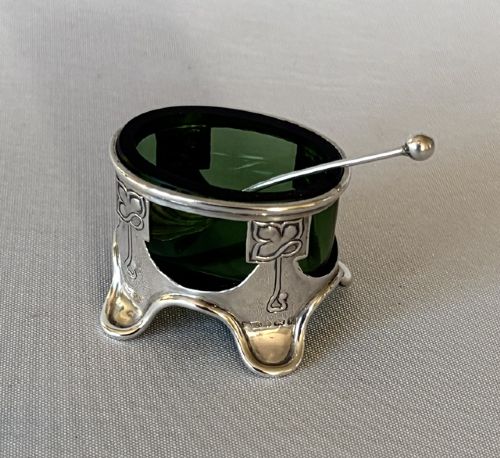
A charming salt tub comes complete with its own tiny spoon, proving that even the smallest dining accessories received elaborate artistic attention.
What varies in quality
The degree of craftsmanship in the glass shaping and the precision of any metal mounts distinguish finer examples from standard production. Delicate cameo carving and crisp etching require advanced skill, elevating the work of houses like Daum or Gallé.
Condition and originality play a significant part in the character of each piece. Intact silver mounts, original stoppers, and well-preserved enamelling indicate a higher level of preservation and care over time.
Sampson Mordan·Daum·Emile Gallé·Rene Lalique·A. J. Pepper & Co·Gorham·Shapland and Petter·Gillows Of Lancaster
The Antique Green Glasses Glossary
- Uranium glass
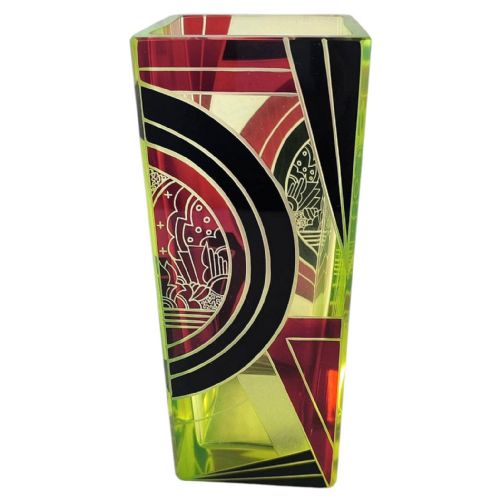
- Glass containing trace amounts of uranium dioxide, which fluoresces brightly under ultraviolet light. It appears in transparent yellow-green shades across nineteenth-century items.
- Epergne
- A large table centrepiece featuring a central bowl with multiple branching arms and trumpets. These pieces often combine green glass with silver or bronze mounts.
- Cameo glass
- A vessel produced by casing a glass body with one or more layers of contrasting colour, then carving away the exterior layer to leave a raised design. This technique defines notable Art Nouveau pieces.
- Vaseline glass
- A transparent or translucent yellowish-green glass type that gained popularity during the Victorian era. The colour resembles petroleum jelly.
- Apothecary jar
- A container utilised by chemists and pharmacists for storing herbs, liquids, or powders. Early examples often feature heavy green glass and hand-painted labels.
Antique Green Glasses: Frequently Asked Questions
What is uranium glass?
Uranium glass is a type of historic glassware that incorporates uranium salts into the batch during melting. This imparts a distinct yellowish-green hue that glows brightly when exposed to ultraviolet light.
Makers utilised this material throughout the nineteenth and early twentieth centuries for decorative objects, apothecary jars, and tablewares.
How were epergnes used?
Epergnes served as elaborate table centrepieces during formal dining in the Victorian period. Hosts filled the central bowls and hanging baskets with fruit, sweetmeats, or flowers.
The combination of coloured glass and metal arms created a striking visual display in the centre of the dining table.
How do I date green glass?
Dating involves examining the manufacturing technique, pontil marks, and stylistic indicators such as Edwardian silver mounts or Art Nouveau forms. Pontil scars on the base often suggest earlier hand-blown production.
Comparing the shade of green, decorative motifs, and any accompanying hallmarks helps narrow down the period of origin.
How do I care for antique glass?
Antique glass requires gentle handling and cleaning with lukewarm water and mild soap. Avoid abrasive cloths or harsh chemicals that can damage delicate surfaces, enamelling, or metal mounts.
Keep pieces away from direct sunlight and sudden temperature changes to preserve the integrity of the material.