
Antique Green Glass
Antique green glass brings together centuries of blown, moulded, and overlay vessels, from wine roemers to elaborate epergnes, valued for their rich colour and varied forms.
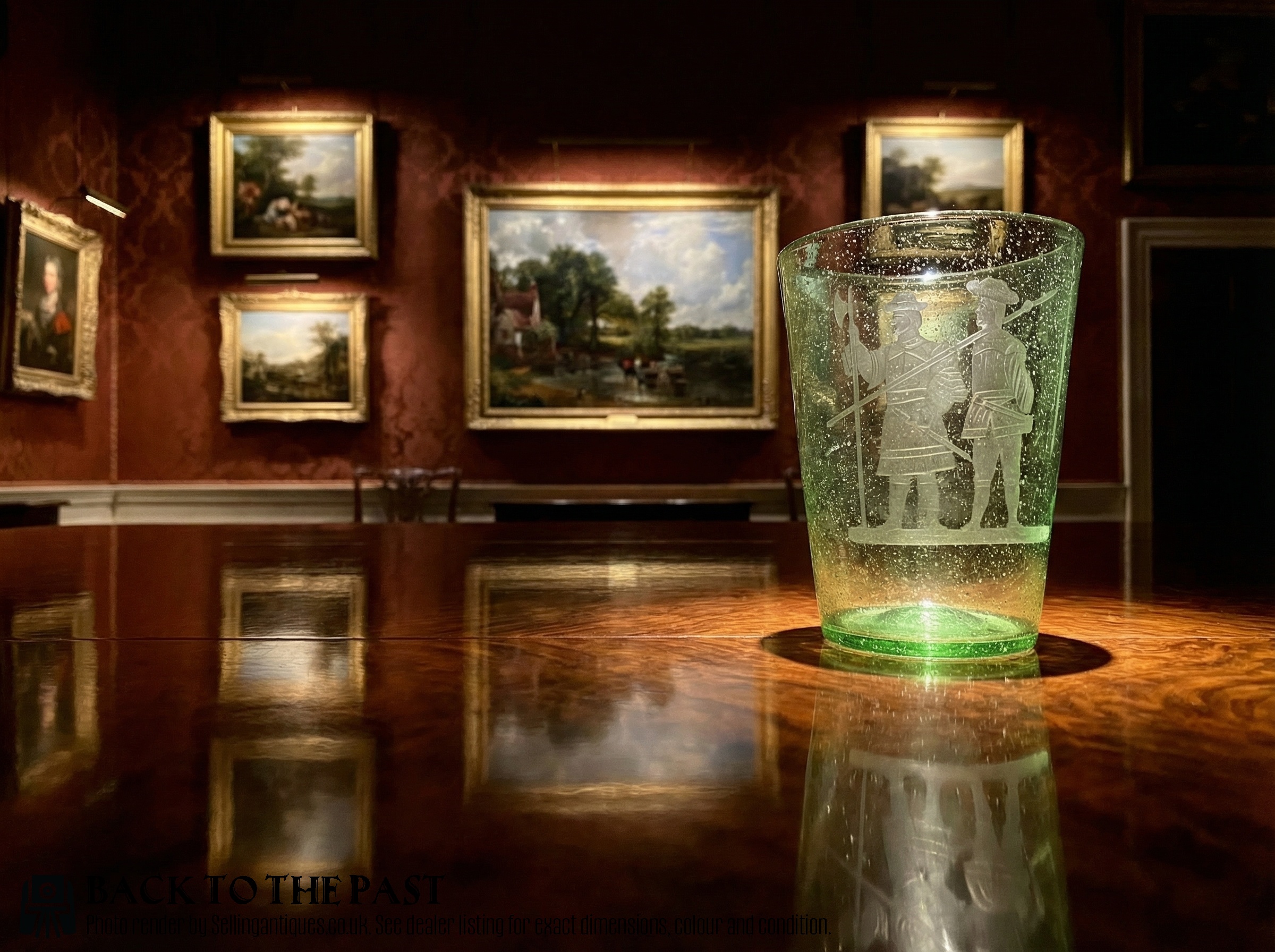
Antique Green Glass
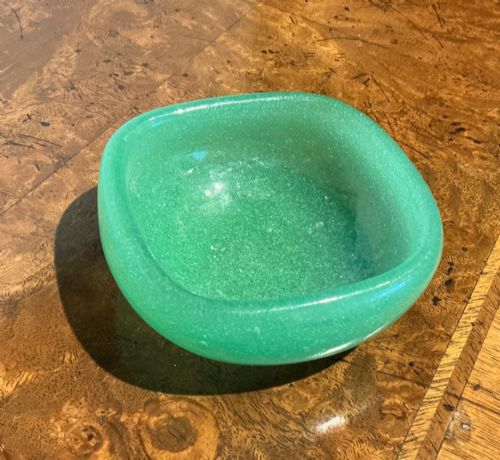
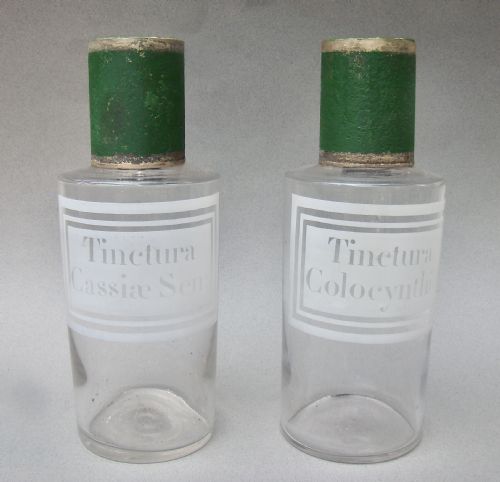
When searching for antique green glass, buyers encounter a diverse selection of tableware, decorative items, and lighting components spanning several centuries. The selection ranges from functional vessels like wine glasses and finger bowls to ornamental pieces such as epergnes, vases, and apothecary jars.
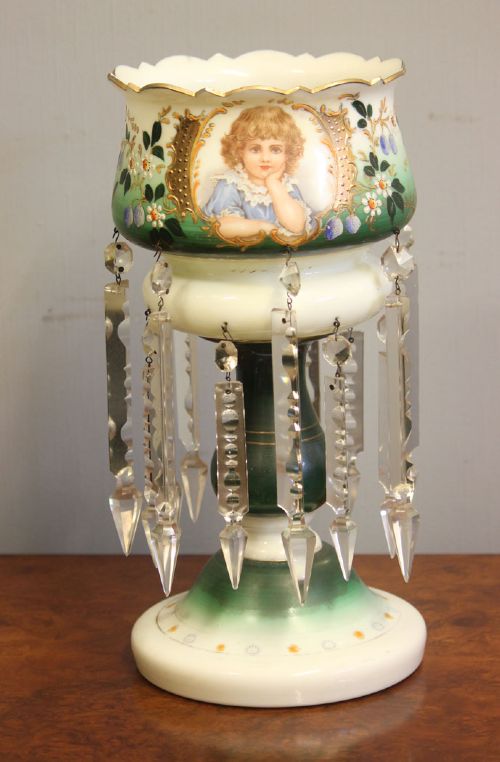
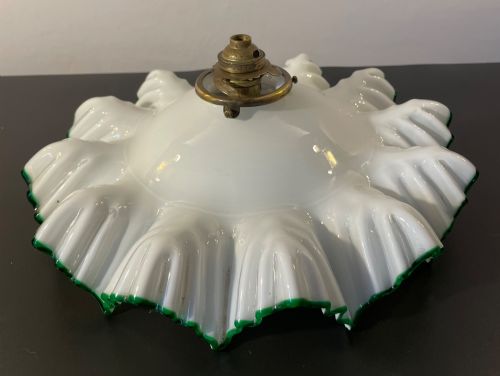
Tableware forms dominate the earlier periods, particularly wine glasses and roemers with hollow stems originating in the eighteenth and nineteenth centuries. Later nineteenth and twentieth-century examples introduce decorative forms including table lustres, scent bottles, and lampshades.
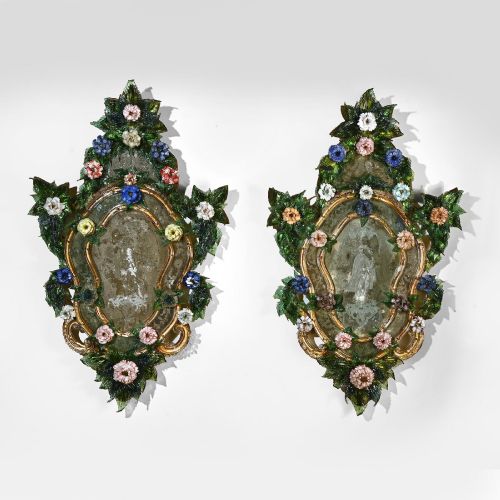
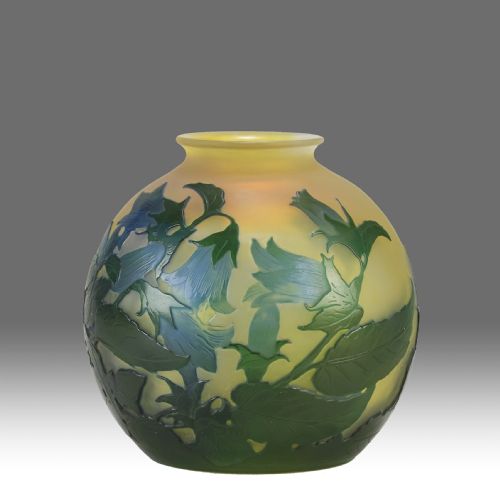
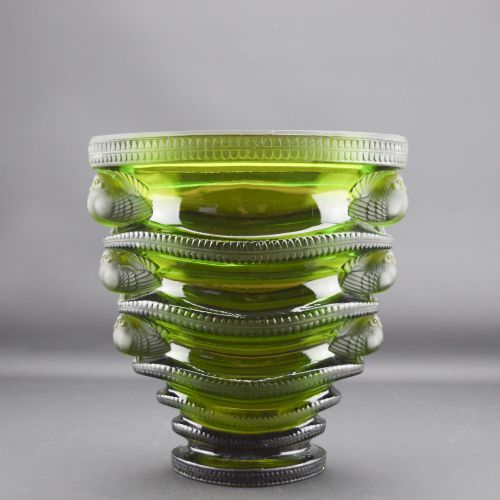
The aesthetic vocabulary shifts across eras, moving from simple eighteenth-century Bristol green vessels to ornate Victorian epergnes and the stylized vegetal motifs of Art Nouveau and Art Deco makers. Pieces originate from English, French, Bohemian, and Venetian workshops, each utilising distinct regional hues and working methods.
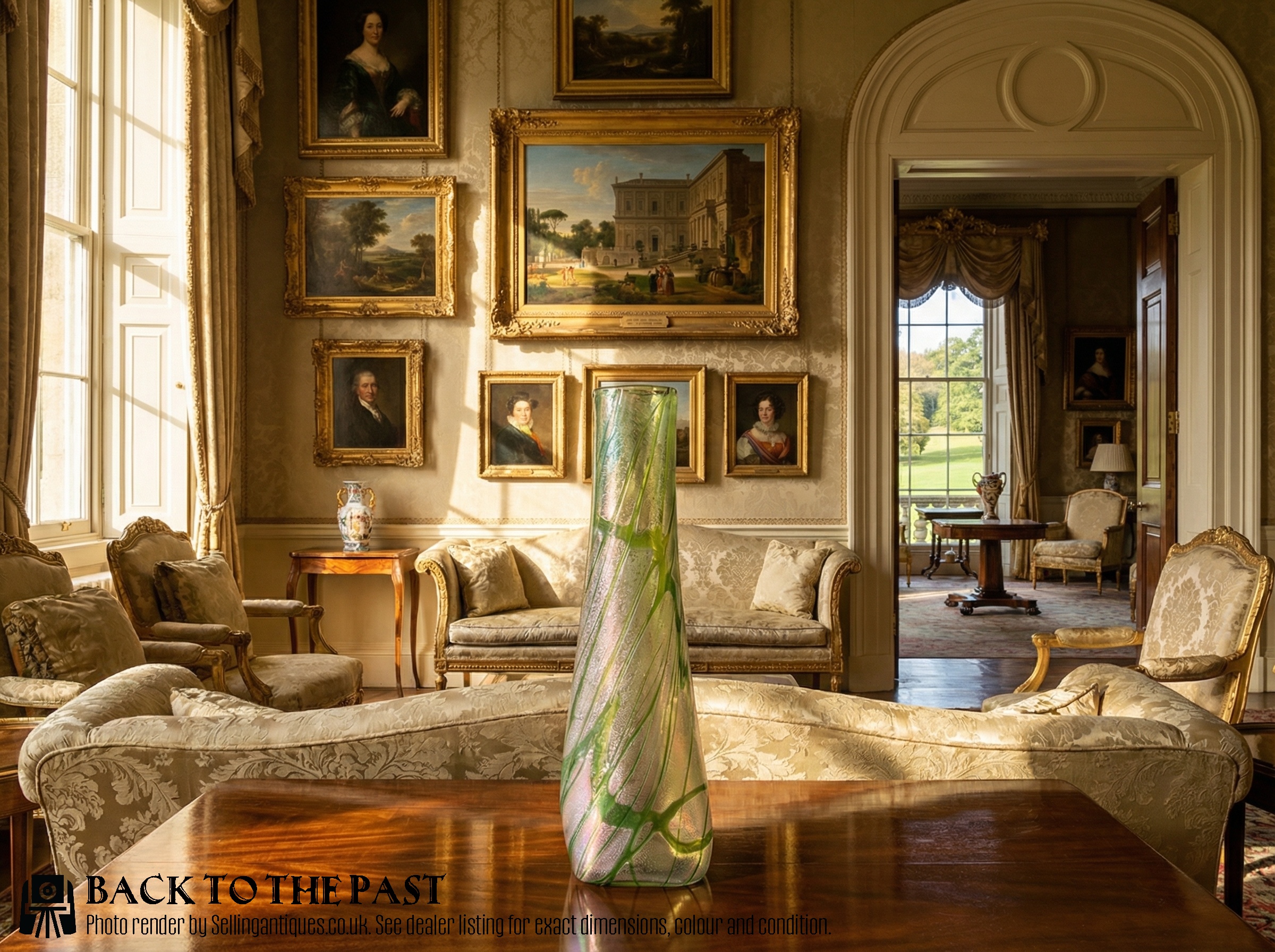
Materials and production techniques
Makers achieved the characteristic green tones of antique green glass through the addition of metallic oxides, such as copper or iron, to the molten batch during production. Uranium oxide was also utilised during the nineteenth century to create distinct fluorescent yellow-green hues known as vaseline or uranium glass.
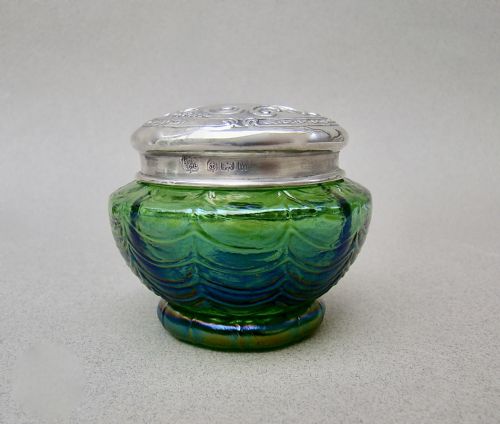
Free-blowing and mould-blowing formed the primary methods for shaping vessels, often followed by hand-finishing techniques like cutting, etching, and engraving. Many pieces incorporated mounts or overlays of sterling silver, brass, or gilt metal, combining glass bodies with supportive metalwork.
Antique Green Glass Retail Price Guide 2026
Typical asking prices for green glass among the pieces listed under this phrase on Sellingantiques today, from the lower quarter to the upper quarter. They describe what is for sale here now, not the wider market.
Listings feature green glass items spanning the eighteenth, nineteenth, and twentieth centuries, incorporating materials like brass, sterling silver, and enamel.
Variations in quality
The quality of antique green glass depends upon the clarity of the metal, the precision of the hand-cutting or moulding, and the integration of any metal mounts. Superior pieces display deep, uniform colour distribution without excessive bubbles or impurities in the glass body.
Makers who employed skilled glassblowers and premier metalworkers produced items with refined proportions and crisp surface decoration. The presence of documented maker signatures or silver overlay work distinguishes standard production items from exceptional workshop output.
Emile Galle·Daum Freres·Johann Loetz·Rene Lalique
The Antique Green Glass Glossary
- Epergne
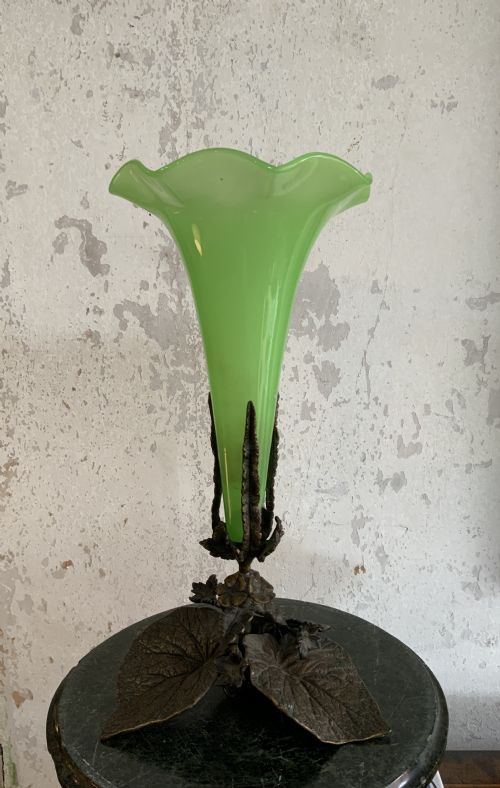
- A multi-tiered centrepiece featuring a central trumpet vase surrounded by smaller hanging baskets or arms. These ornamental vessels were typically utilised on dining tables for holding fruit or flowers during the Victorian period.
- Roemer
- A traditional Germanic drinking vessel featuring a large bowl set upon a ribbed or studded hollow stem. They were frequently produced in green glass during the eighteenth and nineteenth centuries for serving white wine.
- Vaseline glass
- A type of transparent or translucent greenish-yellow glass containing uranium dioxide as a colouring agent. Pieces made with this material exhibit a distinct green fluorescence when exposed to ultraviolet light.
- Table lustre
- A decorative glass mantel ornament hung with long cut-glass spear prisms. They gained popularity during the Victorian era and were designed to reflect candlelight.
- Pate de verre
- A glass-crafting technique involving the kiln-casting of finely crushed glass mixed with a binder. This method produced opaque objects with dense, sugary textures championed by Art Nouveau and Art Deco designers.
Antique Green Glass: Frequently Asked Questions
What is uranium green glass?
Uranium green glass contains trace amounts of uranium oxide added to the glass batch as a colourant, resulting in a distinctive yellowish-green hue. When exposed to ultraviolet light, the material emits a bright radioactive glow.
Craftsmen produced these items across the nineteenth and early twentieth centuries for both decorative vessels and tableware. The uranium content remains safe for display and handling under normal domestic conditions.
How do I date antique green glass?
Dating antique green glass relies on examining manufacturing marks, pontil marks, stylistic cues, and accompanying metal mounts. Pontil scars on the base of blown vessels indicate older handmade production methods prior to nineteenth-century machine-moulding innovations.
Stylistic shifts also provide clear chronological markers, moving from simple Georgian forms to ornate Victorian silver overlays and twentieth-century Art Deco silhouettes. Hallmarks on attached silver rims or mounts offer precise verification for the year of production.
How were epergnes used?
Epergnes served as elaborate table centrepieces during formal dining occasions in the nineteenth century. The central trumpets and hanging baskets held fruit, sweetmeats, or floral arrangements to decorate the dining table.
Hostesses utilised these multi-piece glass constructions to add height and colour to tables during feasts. They required careful assembly and cleaning due to their delicate blown glass components and detachable metal arms.
What is Bristol green glass?
Bristol green glass refers to a deep, saturated green shade traditionally associated with English glasshouses operating around Bristol during the late eighteenth and early nineteenth centuries. This rich hue was commonly applied to wine glasses, finger bowls, and decanters.
The colour resulted from specific batch recipes utilising local minerals and metal oxides. While the term originated geographically, it eventually described a specific intense green glass tone produced nationally.