




Antique Green Bedroom Chairs
Antique green bedroom chairs bring rich Victorian and Regency upholstery into modern spaces through compact seating forms.
Antique Green Bedroom Chairs
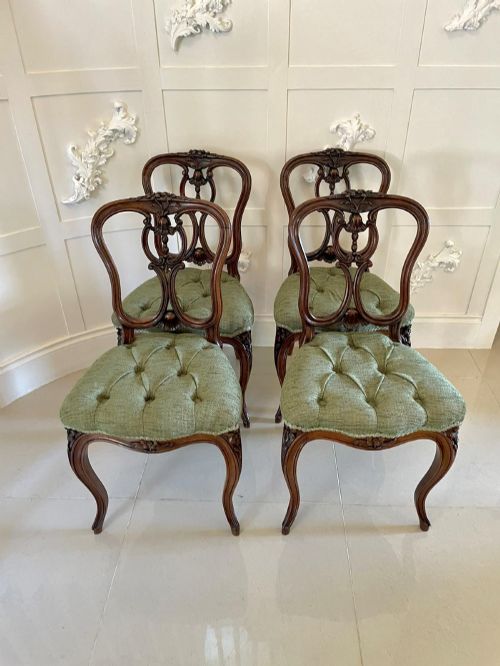
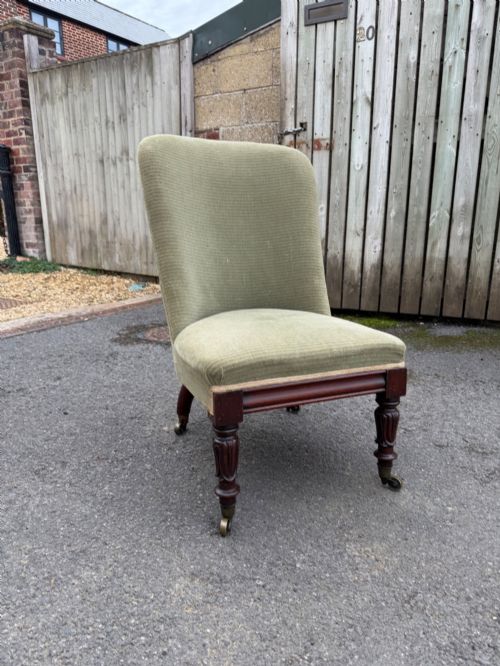
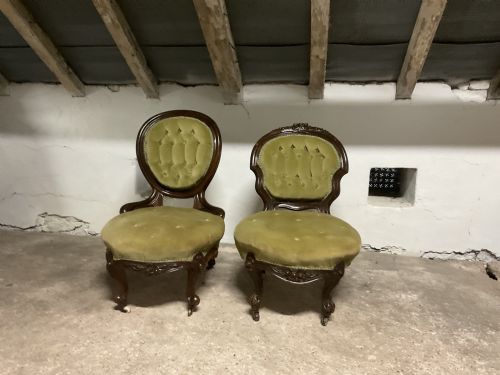
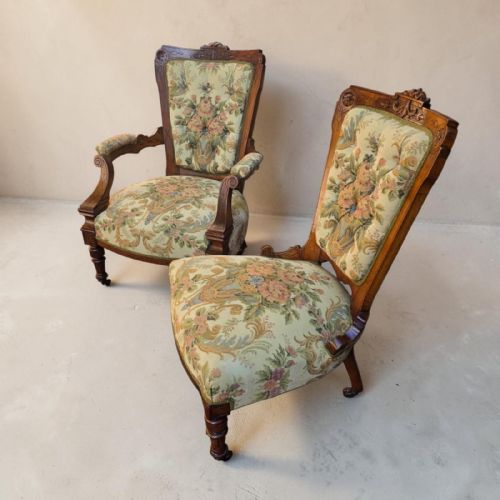
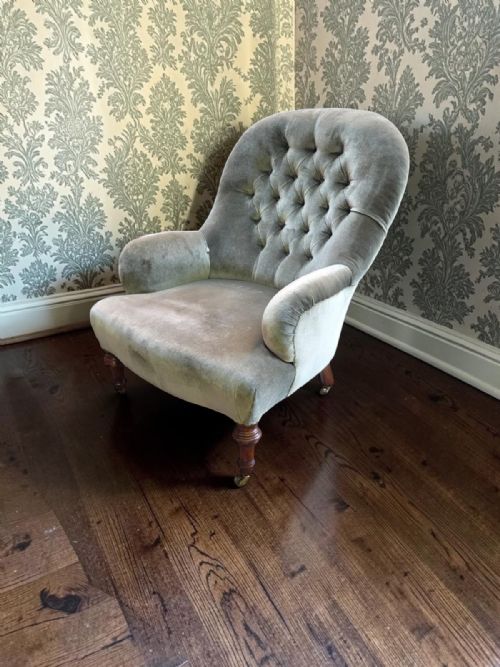
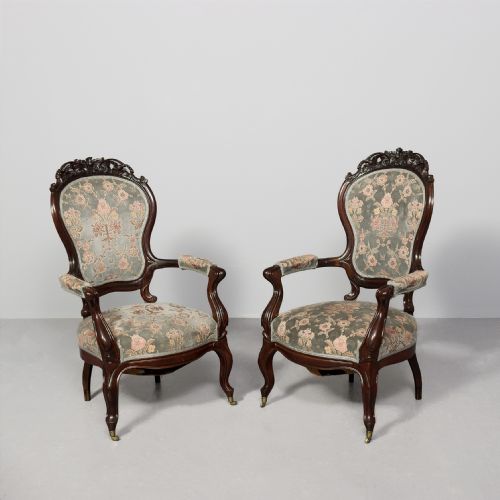
Antique green bedroom chairs encompass a varied selection of nineteenth-century seating, including low-slung nursing chairs, compact slipper chairs, and intimate bedroom armchairs designed for private dressing rooms.
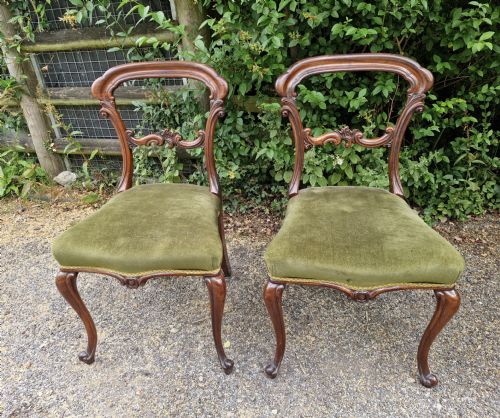
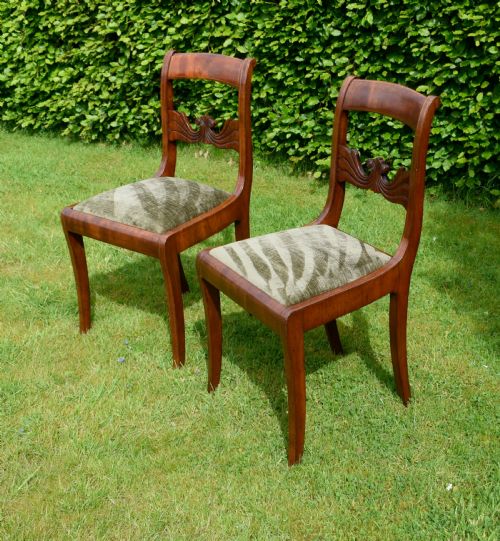
The evidence shows forms ranging from mid-Victorian walnut frames to Regency mahogany designs, often upholstered in green velvet, silk, or vintage linen.
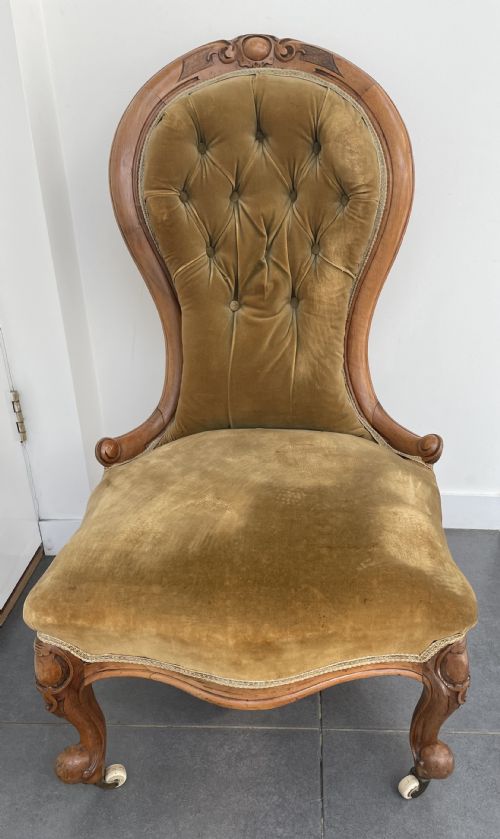
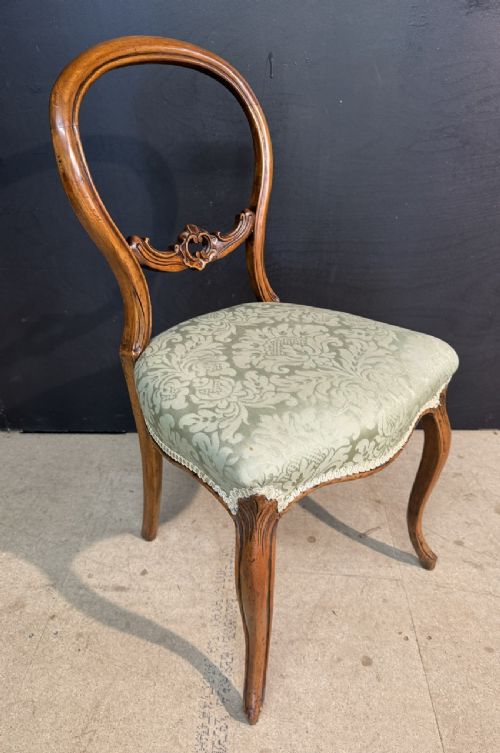
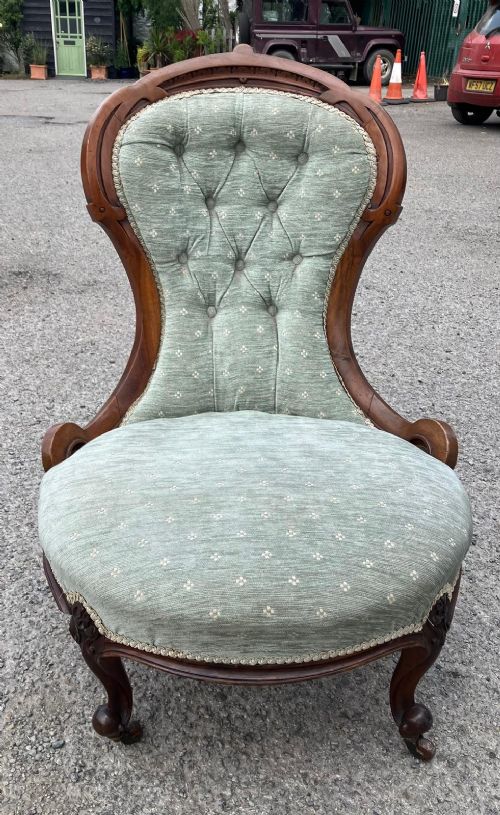
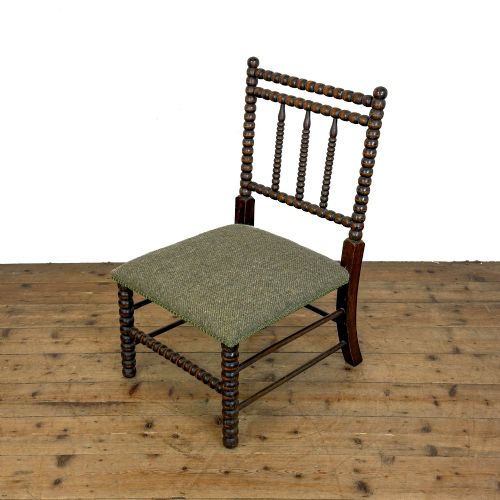
Buyers seeking antique green bedroom chairs will find pieces featuring carved wooden frames, button-backed cushioning, and turned bobbin legs suited to intimate residential spaces.
How they were made
Frames are constructed from dense timbers such as mahogany, walnut, rosewood, and ebonised wood, frequently shaped with intricate hand-carved details or applied brass castors.
Upholstery relies on traditional stuffing techniques paired with durable textile coverings like velvet and tapestry, secured with careful buttoning to maintain structural tension.
Some nineteenth-century bedroom chairs sit so low to the floor that modern adults may require gentle encouragement to stand back up.
What varies in quality
Construction integrity separates standard utility seating from finer salon pieces, particularly in the crispness of timber carvings and the rigidity of the internal frame joints.
The refinement of the silhouette, from simple turned legs to elaborate cabriole supports, dictates the overall elegance and period authenticity of the chair.
The Antique Green Bedroom Chairs Glossary
- Nursing chair
- A low-seated Victorian chair designed without arms to accommodate the voluminous skirts of the period while tending to infants.
- Slipper chair
- A low-framed bedroom chair originally used for sitting while putting on footwear or garments in private quarters.
- Cabriole leg
- A furniture leg that curves outward in a convex arc before tapering inward to a pad or scroll foot, common in revival styles.
- Button back
- An upholstery method where deep buttons are pulled tight through the padding to form a geometric diamond pattern across the rear support.
- Bobbin leg
- A turned wooden furniture leg shaped to resemble a series of wooden reels or spools stacked end to end.
Antique Green Bedroom Chairs: Frequently Asked Questions
Where were bedroom chairs used?
These low-profile seats were traditionally kept in private dressing rooms and bedchambers for daily personal use.
Their compact proportions allowed them to fit easily into smaller residential spaces without obstructing doorways or dressing tables.
How do I identify a Victorian chair?
Victorian seating often employs dark dense timbers like walnut and mahogany paired with elaborate carved details or button-backed upholstery.
Mid-century examples frequently feature low seats and turned wooden supports intended for domestic comfort.
Are these chairs suitable for daily seating?
Most antique bedroom chairs function well for occasional seating in living rooms, studies, or modern bedrooms.
Their sturdy wooden frames provide reliable structural support when placed on level household flooring.
What is a slipper chair?
A slipper chair is a low-slung bedroom seat built without armrests to assist with dressing.
Regency and Victorian makers favoured this compact form for its practicality in tight dressing room layouts.