



Antique Gravy Boat
An antique gravy boat brings genuine utility and period elegance to the dining table, offering a graceful vessel for serving warm sauces.
Antique Gravy Boat
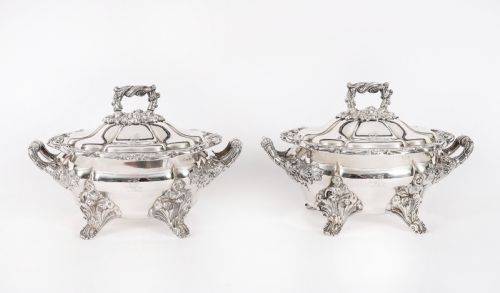
When searching for an antique gravy boat, buyers encounter a diverse selection ranging from eighteenth-century porcelain vessels to nineteenth-century silver plated tureens. The pieces span Georgian, Victorian, and Edwardian periods, reflecting changing dining fashions across centuries.
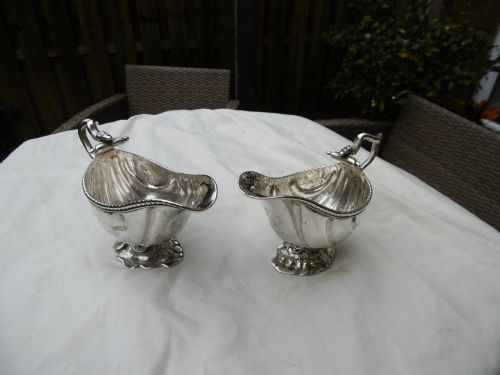
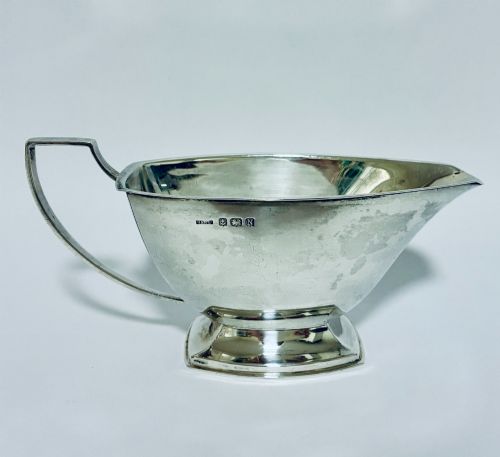
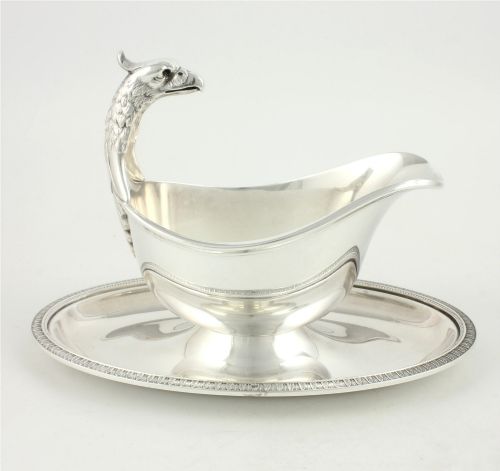
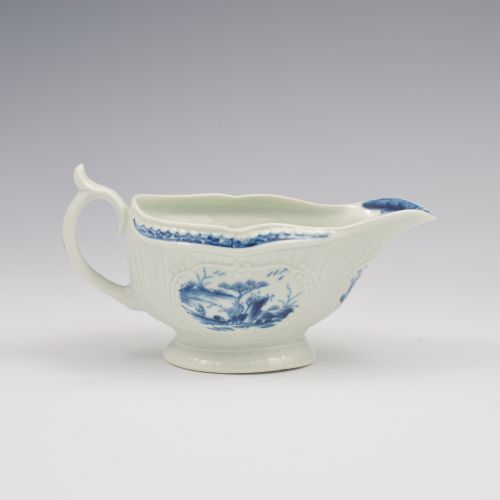
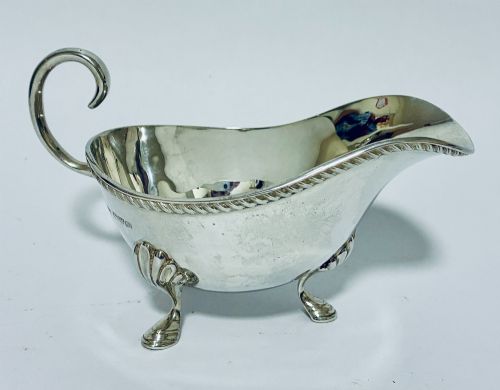
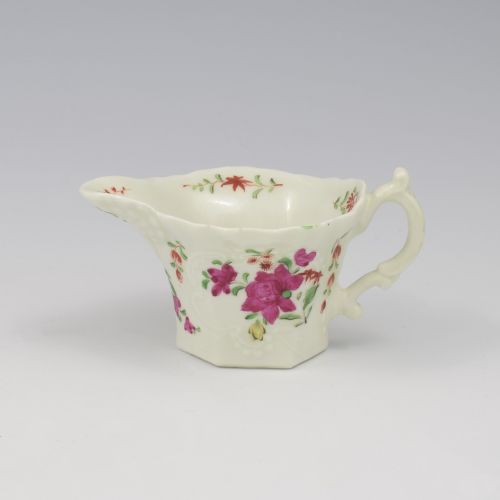
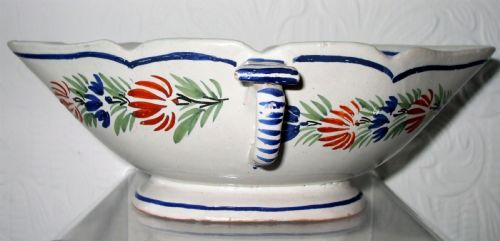
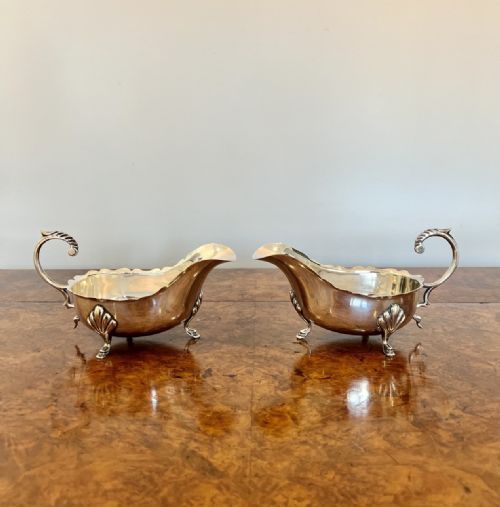
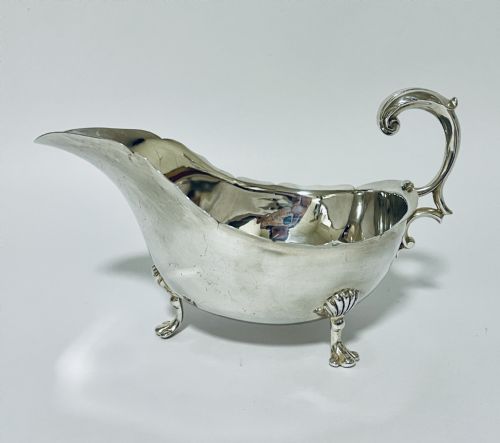
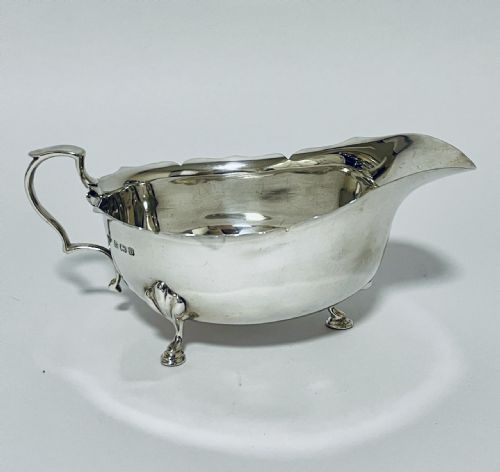
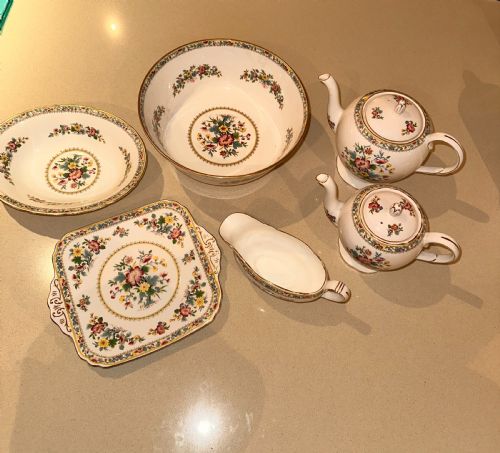
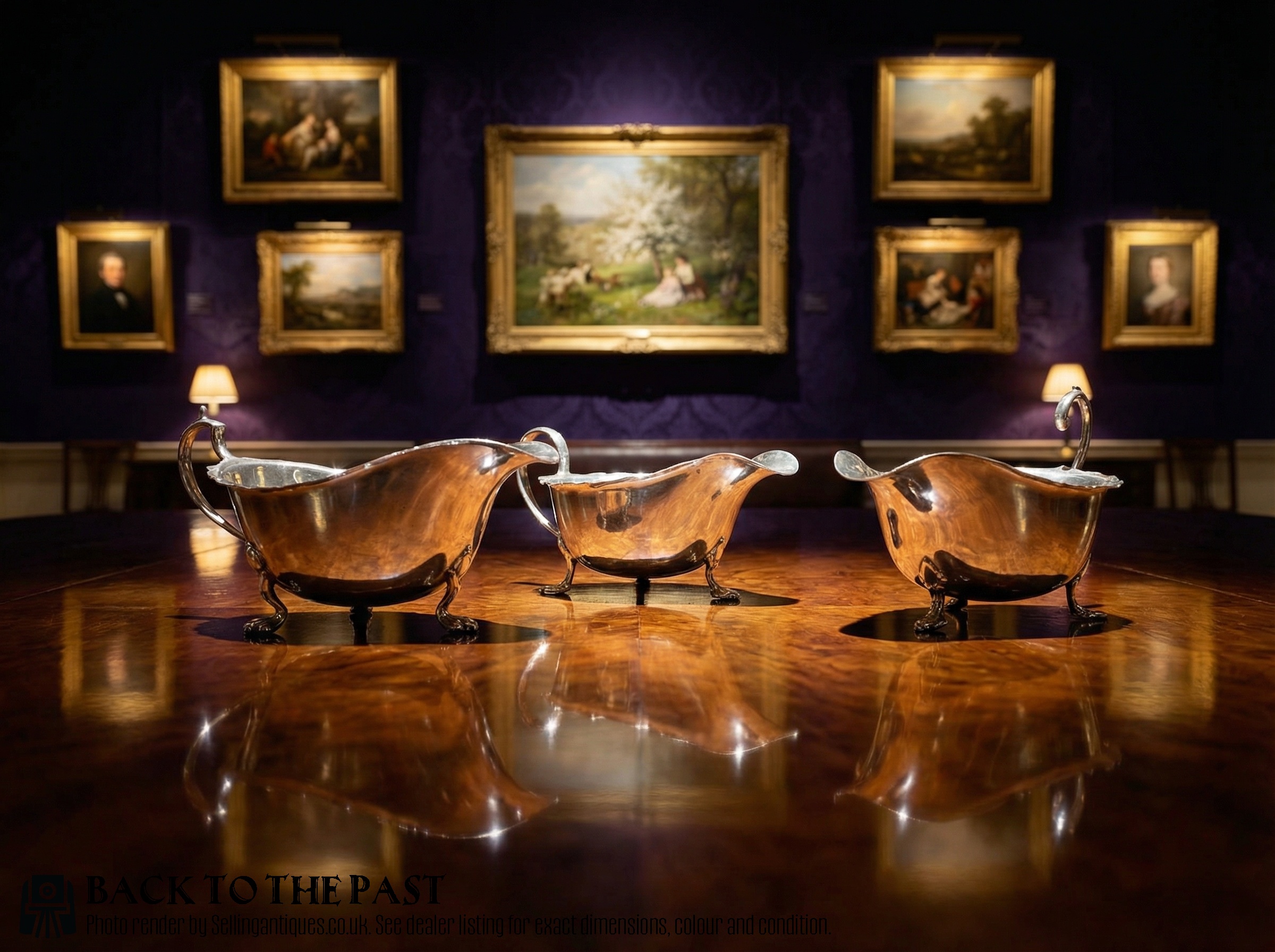
Porcelain examples often feature moulded or fluted bodies decorated with hand-painted scenes, while silver and silver-plated versions typically display pedestal bases, shaped rims, and flying scroll handles. Many appear in matched pairs alongside matching ladles or fitted underplates.
Origins vary widely across English, continental, and American workshops, encompassing soft-paste ceramics, ironstone, and sterling silver. The selection balances open sauceboats designed for pouring with covered tureens meant to retain heat during formal meals.
Distinctions in Quality
The standard of an antique gravy boat depends heavily on the crispness of its moulding or the depth of its hand-chased silver decoration. Superior pieces retain sharp details in relief work and well-balanced proportions that sit squarely on their pedestal feet.
Material thickness and the integrity of applied handles or rims separate standard production items from master silversmith work. In ceramics, the clarity of the glaze and precision of hand-painted brushwork indicate the skill of the original factory.
Antique Gravy Boat Retail Price Guide 2026
Typical asking prices for gravy boat among the pieces listed under this phrase on Sellingantiques today, from the lower quarter to the upper quarter. They describe what is for sale here now, not the wider market.
Materials range from soft-paste porcelain and cobalt glaze to sterling silver, copper, and gold leaf across multiple decorative styles.
Christofle Gallia·Padley Parkin and Staniforth·Tiffany and Co·Theodore B. Starr·William Grundy
The Antique Gravy Boat Glossary
- Sauceboat
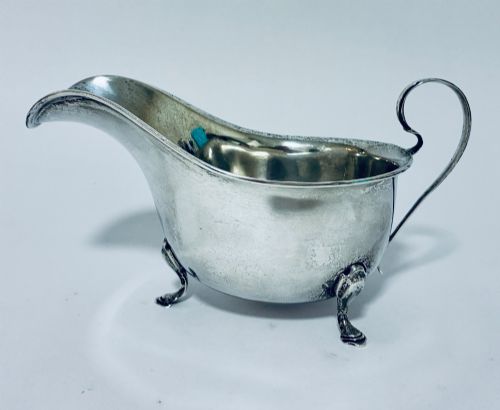
- A vessel designed for holding and pouring gravy or sauce, typically featuring a spout and a handle. Most versions incorporate an integral base or rest on three short feet.
- Sauce tureen
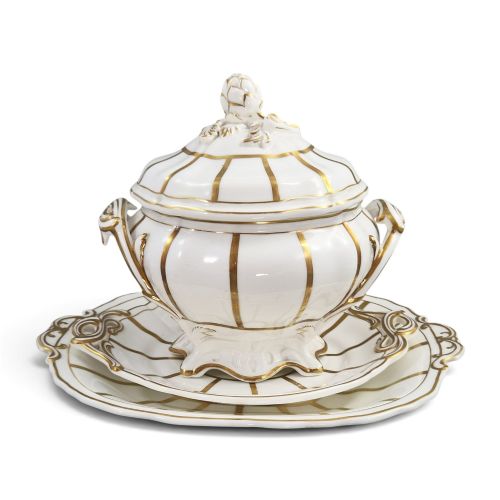
- A deep, covered serving dish used for sauces and gravies, often supplied with a matching ladle and an underplate. These lidded vessels help maintain the temperature of the contents during meals.
- Soft-paste porcelain
- An artificial ceramic body fired at lower temperatures than hard-paste porcelain, common in eighteenth-century English factories. It produces a warm, slightly creamy appearance beneath the glaze.
- Old Sheffield plate
- An early form of composite metal made by fusing a thin sheet of silver to a thicker copper base. This technique creates a rich surface quality distinct from modern electroplate.
- Ironstone
- A heavy, durable type of earthenware patented in the nineteenth century to imitate porcelain. It provides a robust body suited for everyday domestic service.
Antique Gravy Boat: Frequently Asked Questions
How do I clean an antique silver gravy boat?
Use a soft microfibre cloth and a mild silver polish specifically formulated for antique metalwork. Avoid abrasive pads or harsh chemical dips that strip the natural patina.
Rinse the piece thoroughly in warm water and dry it immediately with a soft towel to prevent water spots and protect any historical hallmarks.
Are antique gravy boats safe for daily use?
Silver and silver-plated gravy boats function well for serving modern meals, provided you wash them by hand promptly after use. Acidic foods should not sit in silver vessels for extended periods.
Early porcelain and earthenware pieces require more careful handling and hand washing to preserve delicate hand-painted enamels and historic glazes.
What is the difference between a sauceboat and a tureen?
A sauceboat is an open vessel featuring a pouring spout and handle, designed for immediate table service. A tureen includes a fitted lid and often a matching underplate to keep gravies warm.
Tureens generally hold larger quantities and suit formal dining settings where dishes remain on the table throughout the course.
How can I date an antique porcelain gravy boat?
Examine the base for factory marks, pattern numbers, or characteristic glaze pooling associated with specific eighteenth-century and nineteenth-century ceramic houses. The weight and composition of the paste also offer clues.
Stylistic indicators such as moulded rococo scrollwork or neoclassical forms help narrow down the decade of manufacture when marks are absent.