
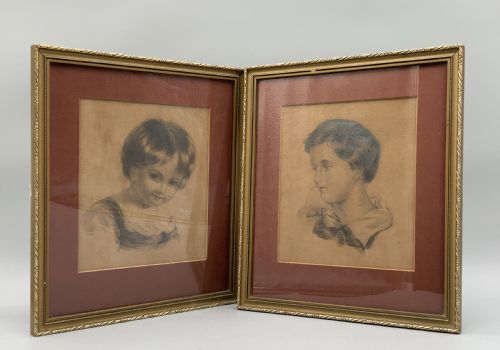
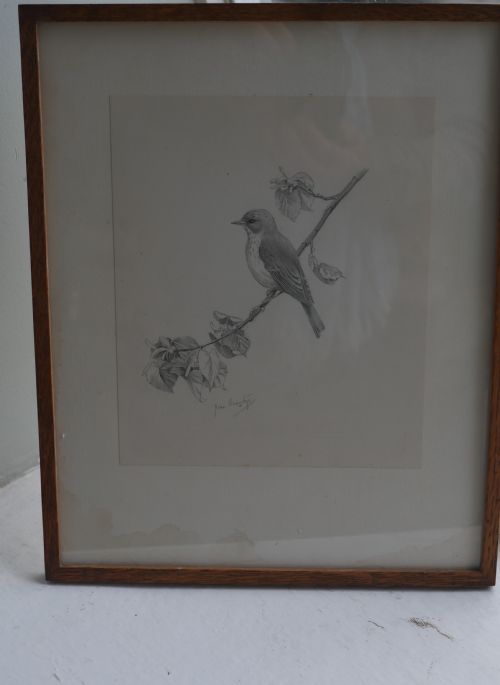


Antique Graphite Artwork
These intimate works on paper capture form and expression through meticulous line.
Antique Graphite Artwork
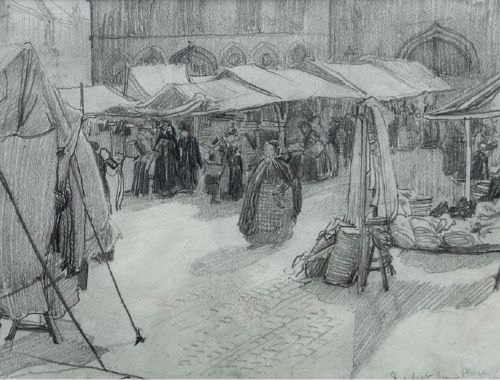
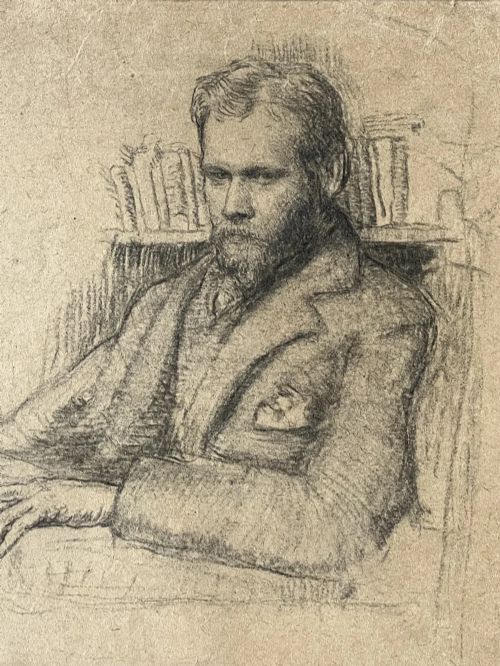
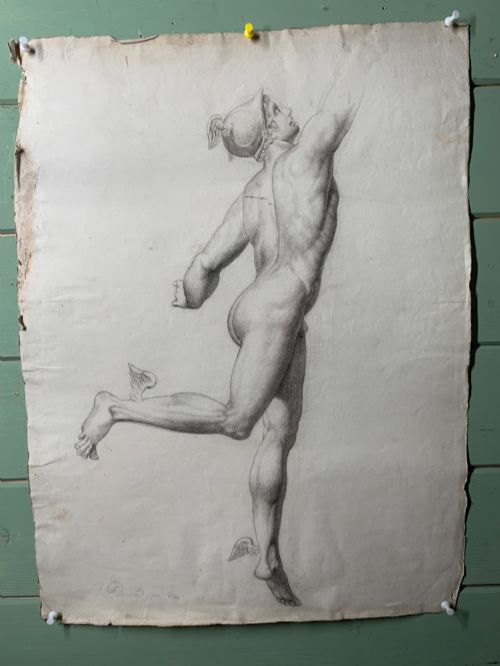
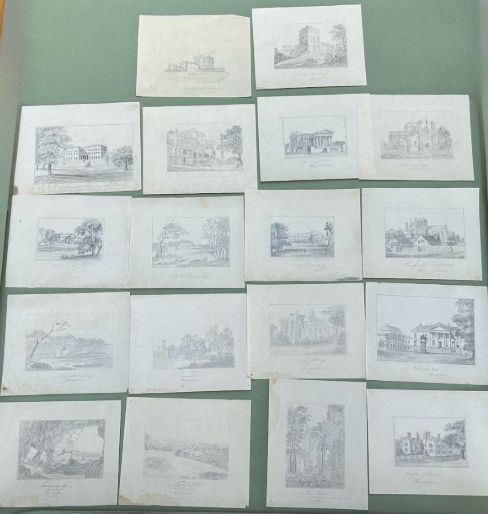
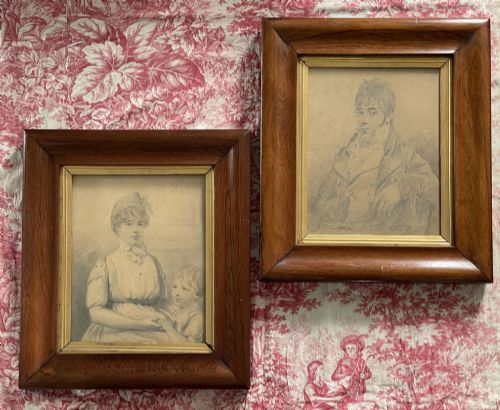
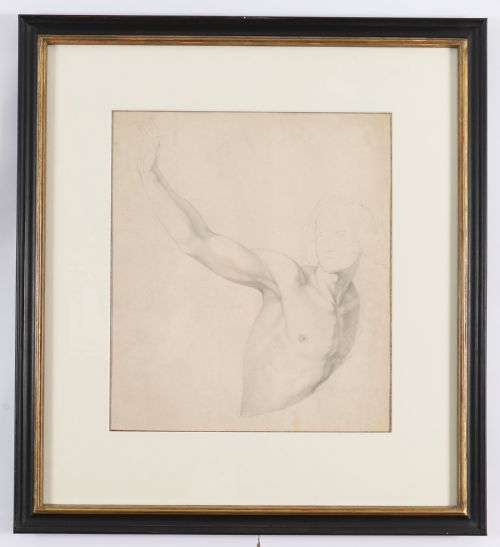
When you search for antique graphite artwork, you encounter original pencil drawings, plumbagos and sketches spanning the eighteenth century through to the early twentieth century. The selections available typically include framed portraits, academic life studies, architectural views and landscape scenes rendered on paper.
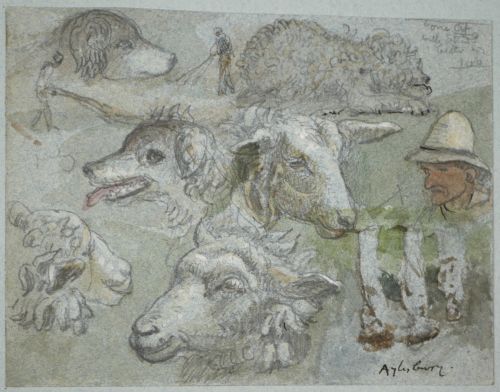
You meet both finished exhibition pieces and rapid preparatory sketches that reveal the working method of past draughtsmen. Portraiture dominates the selection, ranging from Regency couples and Victorian ladies with their pets to allegorical scenes and figure studies.
How they were made
Artists worked graphite and pencil directly onto handmade or woven paper supports, occasionally combining the medium with chalk, charcoal, watercolour or ink for tonal depth. Plumbago drawings relied on finely pointed graphite to achieve miniature-like precision, whereas academic life studies utilised broader strokes to capture muscular form and shadow.
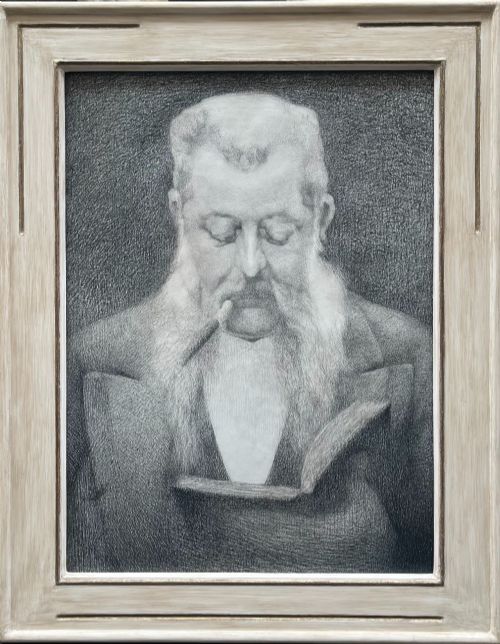
Framing often incorporates glass and wood to protect the delicate paper and graphite surfaces from atmospheric degradation. Gold leaf accents sometimes appear on mounts or frames, framing the monochrome imagery with period elegance.
A cheeky dog in the kitchen proves that domestic disruption amused draughtsmen just as much two centuries ago.
What varies in quality
The distinction between standard and exceptional pieces rests upon the surety of the draughtsmanship and the psychological depth of the subject. A master hand conveys volume, texture and expression with minimal hesitation, while lesser works rely on laboured shading or stiff outlines.
Provenance and documentation elevate certain sheets, particularly when a drawing connects to a known academic tradition or bears historical signatures and studio stamps.
Henry Percy Huggill·James Smetham·Augustus John·John Taylor·Sir Francis Leggatt Chantrey·Henri Josephe Hesse·Fred Lawson·Sir Nathaniel Dance-Holland·Henry Edridge
The Antique Graphite Artwork Glossary
- Academic life study
- A drawing produced from a live human model within an instructional studio setting. These pieces focus intensely on anatomical accuracy and lighting.
- Grisaille
- A painting or drawing executed entirely in shades of grey or neutral monochrome. This technique often simulates the appearance of sculpture.
- Symbolist
- A late nineteenth-century artistic movement focused on inner emotional experiences and metaphorical imagery rather than strict realism.
Antique Graphite Artwork: Frequently Asked Questions
How should I display graphite drawings safely?
Keep these works away from direct sunlight to prevent the paper from yellowing and the graphite from fading over time. Conservation framing with UV-protective glass ensures the delicate medium remains stable on your walls.
Maintain stable room temperatures and avoid hanging pieces in damp spaces like kitchens or unventilated hallways. Paper absorbs moisture readily, which can cause cockling and foxing.
How do I date an antique pencil drawing?
Examine the paper watermark, the style of the clothing and hair, and any inscriptions or framer labels on the reverse. Georgian and Regency sheets often feature heavier, laid paper stocks without modern chemical treatments.
Compare the draughtsmanship and subject matter with dated works from the same era. Academic nudes and portraiture shifted noticeably in aesthetic focus between the eighteenth century and the Edwardian period.
What is the difference between graphite and plumbago?
Plumbago is an early form of graphite drawing popular during the seventeenth and eighteenth centuries, known for its extremely fine, sharp line work and miniature scale. Standard graphite encompasses broader pencil and lead mediums used in later academic and Victorian sketches.
While both utilise carbon-based drawing materials, plumbagos often possess a silvery sheen and a precision akin to fine engravings.
Are preparatory sketches considered finished art?
Collectors frequently prize rapid preparatory sketches and academic studies above finished exhibition pieces because they reveal the unvarnished thought process of the artist. These spontaneous lines capture movement and mood with an immediacy that formal portraits sometimes lack.
Many of these sheets served as studies for larger paintings or murals, preserving a fleeting moment in the creator's studio practice.