
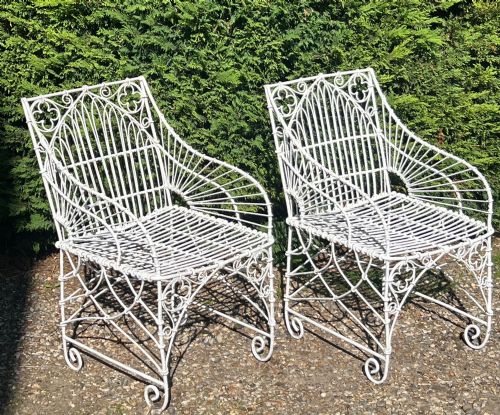
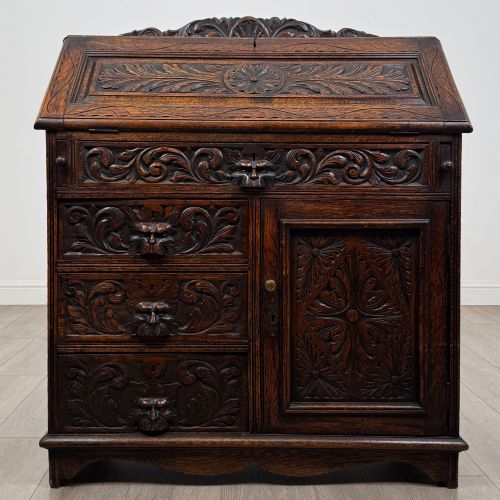
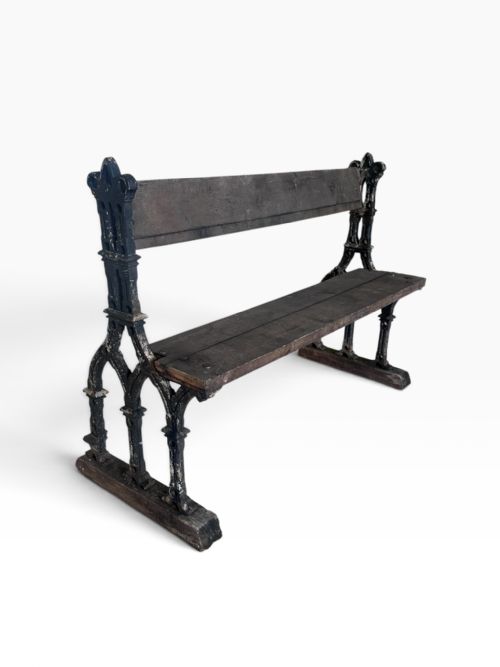
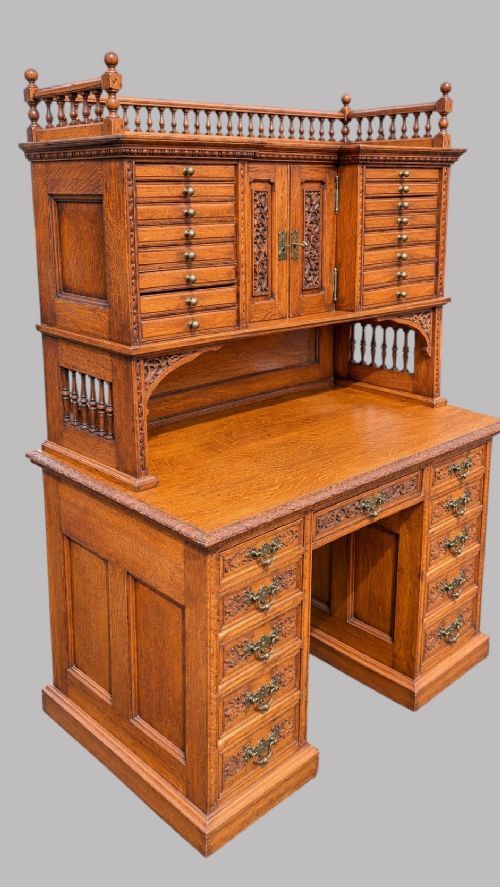

Antique Gothic Furniture
Antique gothic furniture brings architectural drama and dense carved detail indoors, offering a robust presence for any room.
What antique gothic furniture is
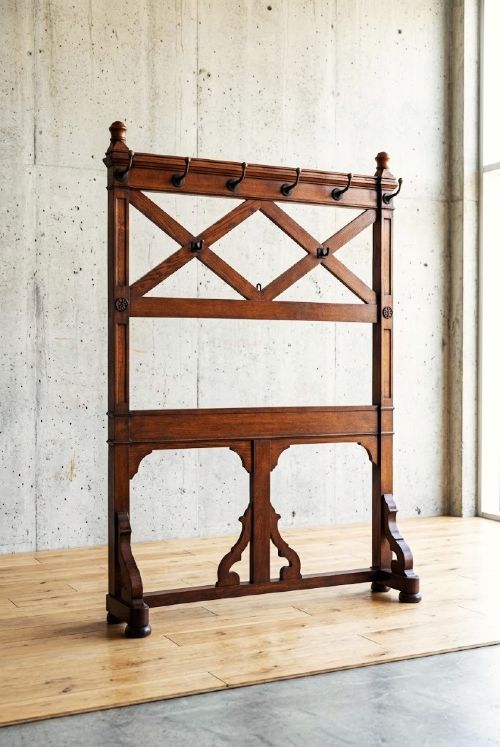
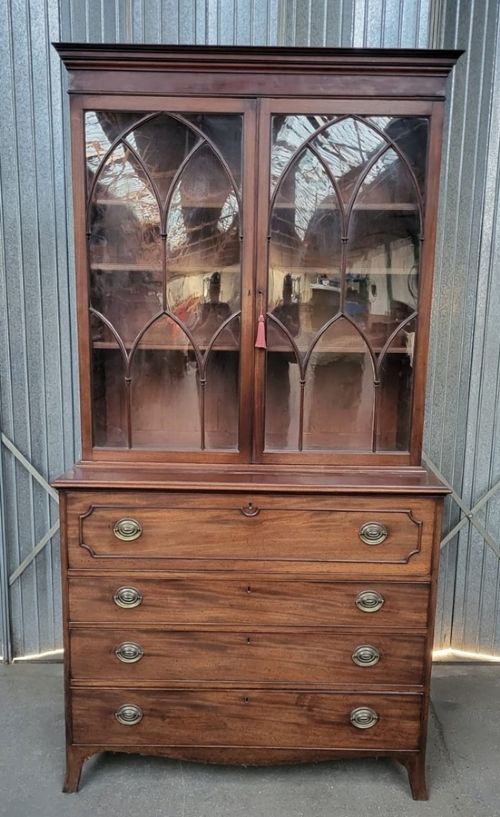
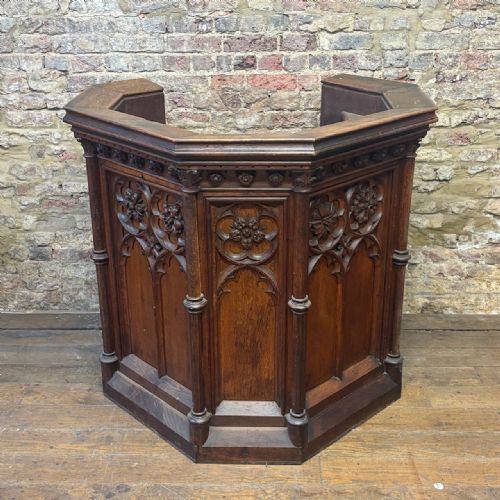
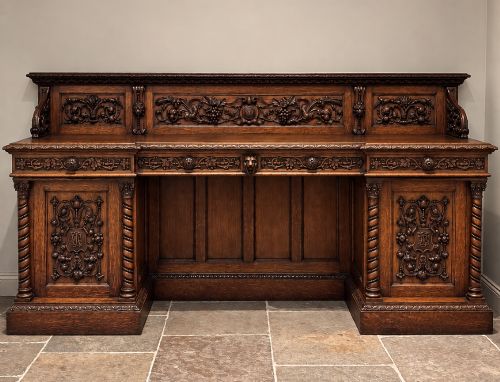
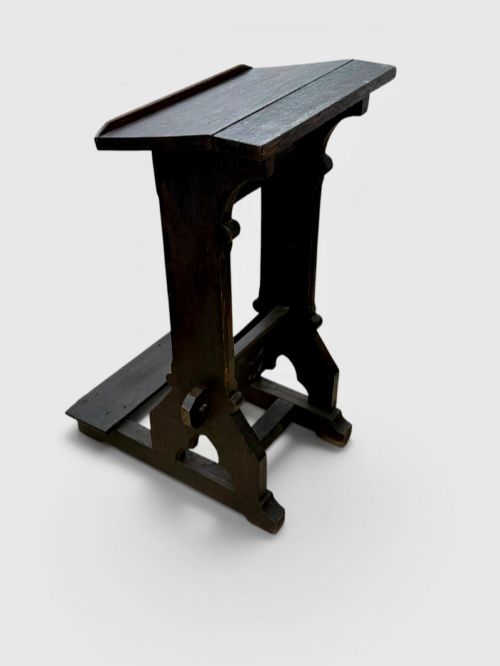
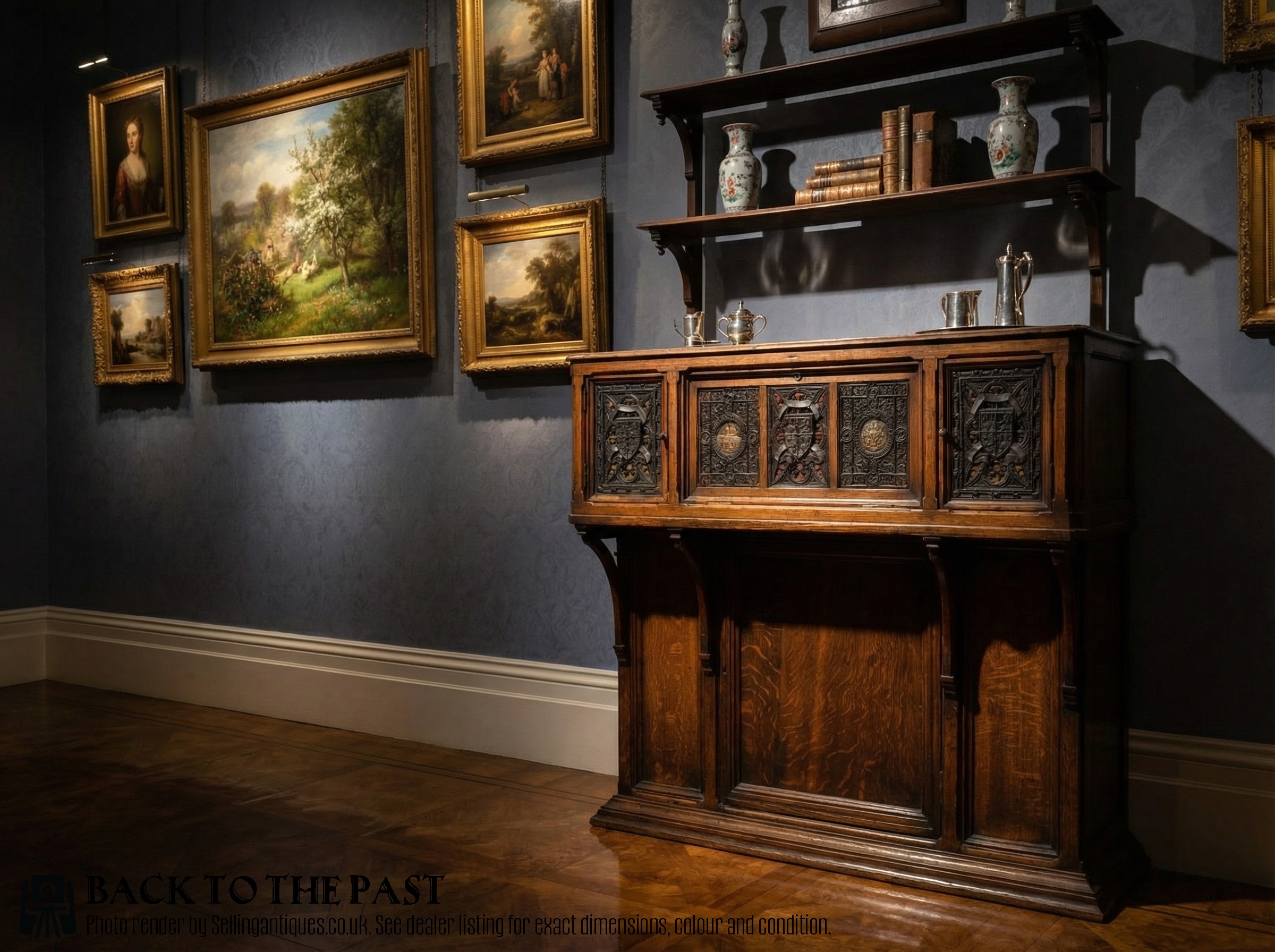
When you search for antique gothic furniture, you encounter pieces that translate medieval ecclesiastical design into domestic furnishings of the nineteenth century. These items draw heavily on the Gothic Revival movement, adopting structural motifs from cathedrals and abbeys to create striking interior statements.
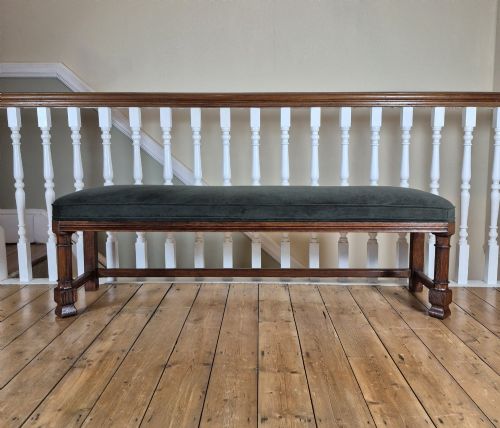
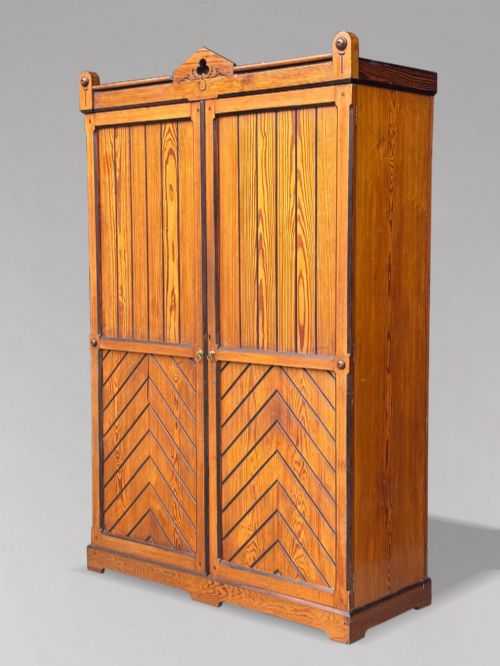
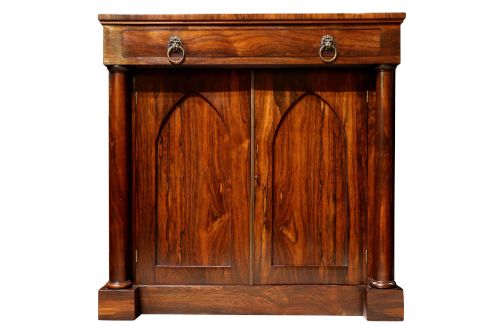
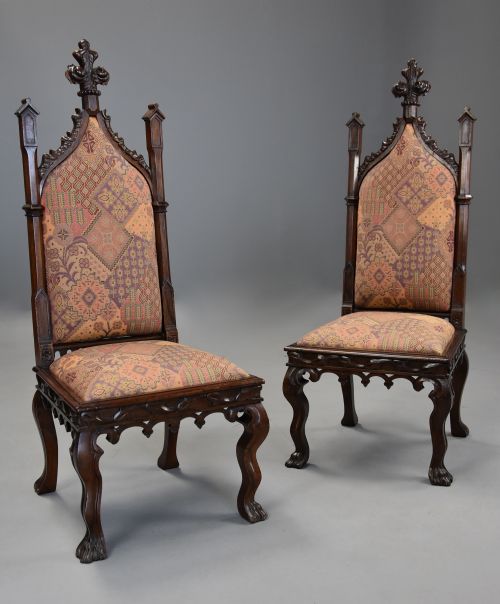
The selection on this page centres on pieces from the nineteenth century, including the Victorian era and the year eighteen sixty. Forms range from functional seating such as hall benches, side chairs, and stools to storage pieces like side tables and cabinets on stands.
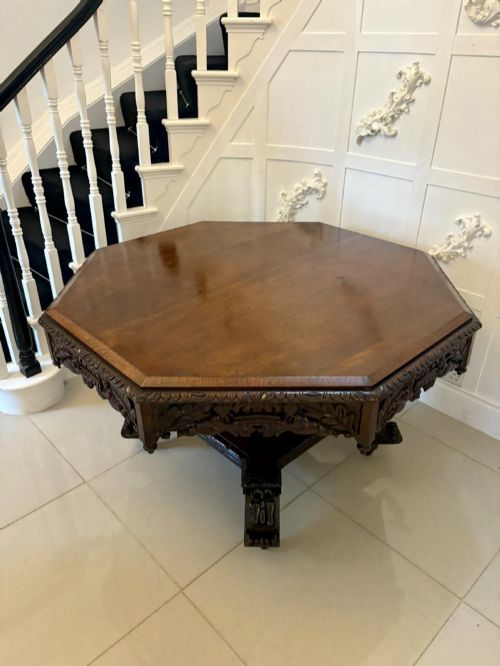
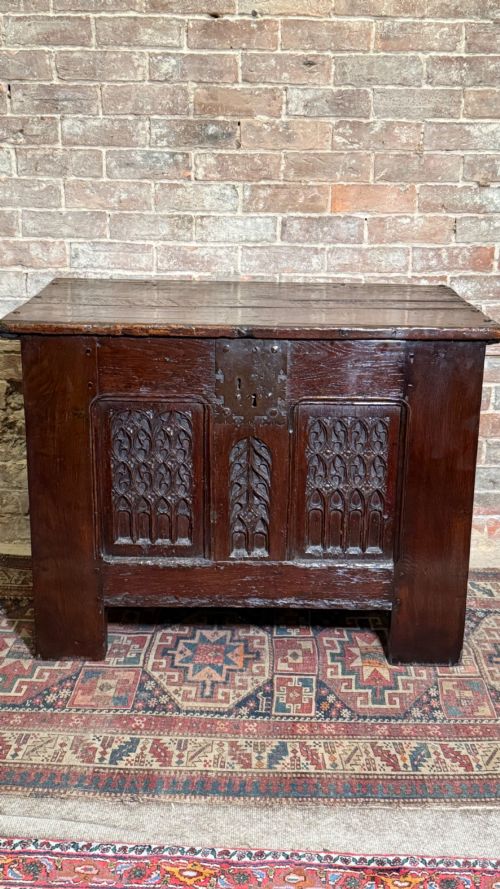
You are most likely to meet oak constructions finished with characteristic carving, alongside occasional rosewood examples. Each piece demonstrates how nineteenth-century makers reinterpreted medieval aesthetics for contemporary homes.
How they were made
Makers relied primarily on solid oak, supplemented by rosewood for specific seating pieces, employing traditional joinery techniques to achieve robust forms. Surfaces received deep hand-carving to replicate medieval architectural details.
Hardware played a functional and decorative role, with brass and iron utilised for hinges, mounts, and structural support. Upholstery involved materials like Hessian and specialised fabric to finish seating components.
Retail Price Guide 2026
Typical UK retail prices for gothic furniture, calculated from the Sellingantiques database of over a million retail prices indexed since 2003. This retail price guide relies exclusively on Sellingantiques data; no external sources or auction records are used, so the figures do not describe the wider market.
Listings combine nineteenth-century oak and rosewood with iron, brass, and Hessian upholstery.
What varies in quality
Quality rests in the depth and crispness of the carving, distinguishing heavy-handed reproductions from masterwork nineteenth-century execution. Finer pieces display deliberate proportion and well-integrated architectural motifs rather than surface decoration applied without structural logic.
Material selection divides the range, separating standard oak builds from finer rosewood examples or pieces featuring high-grade brass and iron hardware. The integration of secondary materials like Hessian and upholstery fabric also marks the distinction between utilitarian items and exceptional ones.
Gillows
The Antique Gothic Furniture Glossary
- Gothic Revival
- An architectural and decorative style that revived medieval forms during the nineteenth century. It heavily influenced furniture design through pointed arches and tracery.
- Cabinet on Stand
- A raised storage form comprising a main cupboard body supported by an open framework beneath. This elevated design originated to protect contents from damp floors.
- Hall Bench
- A substantial seating form typically placed in entranceways. These pieces often incorporate high panelled backs and storage compartments.
- Strawberry Hill
- A famous association linked to early revival aesthetics inspired by Horace Walpole's gothic villa. It represents the antiquarian roots that preceded later nineteenth-century production.
Frequently Asked Questions
What is gothic revival furniture?
Gothic revival furniture is nineteenth-century design that incorporates medieval architectural elements such as pointed arches, tracery, and heavy carved woodwork into domestic pieces.
These items were created to evoke the grandeur of medieval buildings within Victorian homes.
How old is most gothic furniture?
The pieces available on this page date primarily from the nineteenth century, specifically the Victorian era and around eighteen sixty.
While inspired by medieval architecture, the construction techniques and materials reflect nineteenth-century craftsmanship.
What materials were used?
Makers primarily used solid oak, alongside occasional rosewood for seating forms. Iron and brass provided structural hardware and decorative mounts.
Upholstery finishes frequently incorporated Hessian and heavy fabric to complete chairs and benches.
Where should I place a hall bench?
A hall bench suits an entrance hall or a generous corridor where its architectural presence can be appreciated. These substantial seating pieces require adequate wall space to display their carved backs properly.
They offer both a practical seat and a strong visual anchor for high-ceilinged rooms.