

Antique Gothic Cabinet
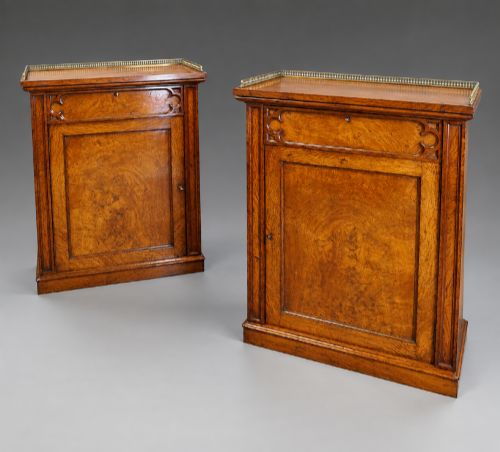
When you search for an antique gothic cabinet, you are looking at heavy oak storage and display pieces shaped by revival styles.
Antique Gothic Cabinet
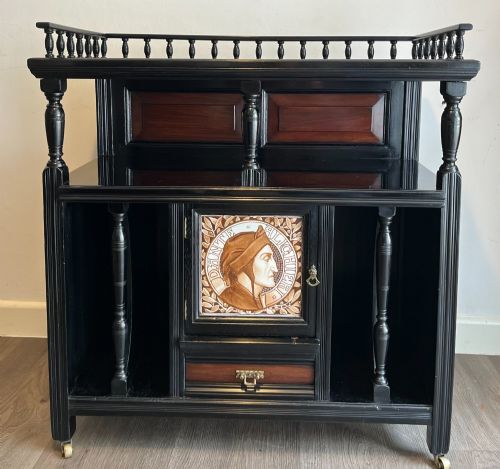
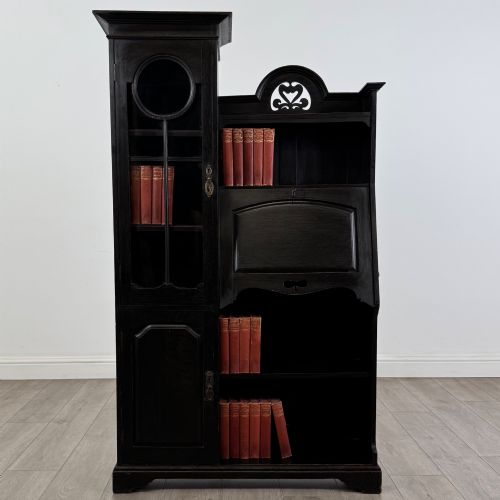
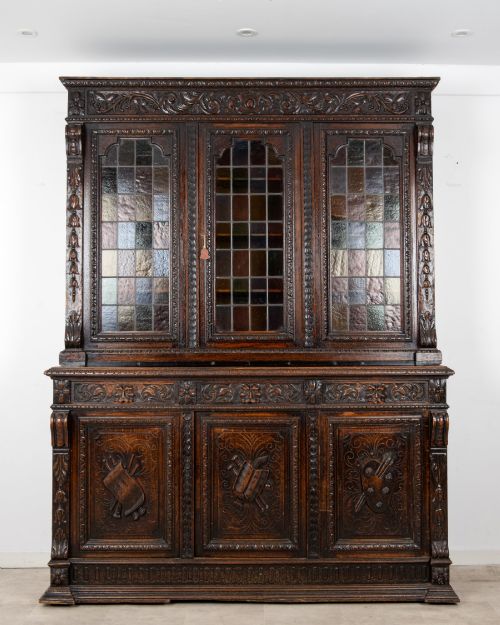
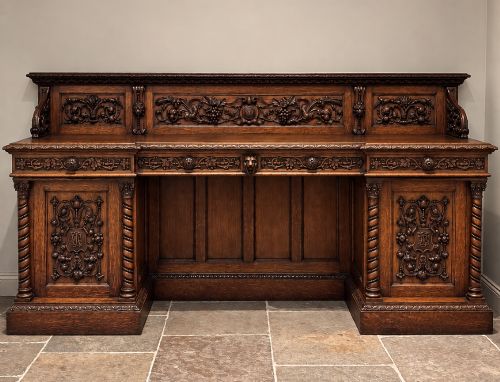
An antique gothic cabinet spans functional domestic storage forms including bookcases, display cabinets, sideboards, and wardrobes. The inventory here leans heavily towards nineteenth century and Edwardian carved oak construction, reflecting the Victorian revival of medieval architectural motifs.
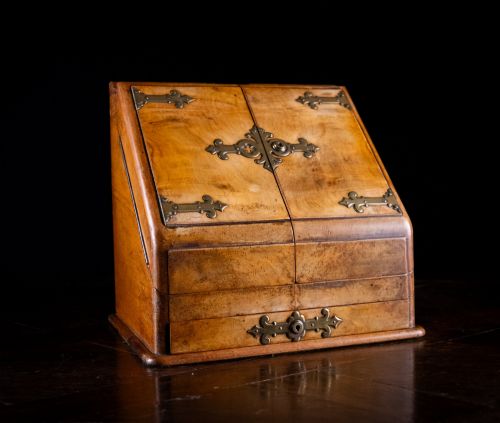
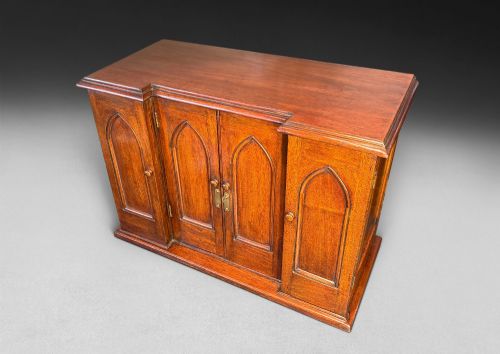
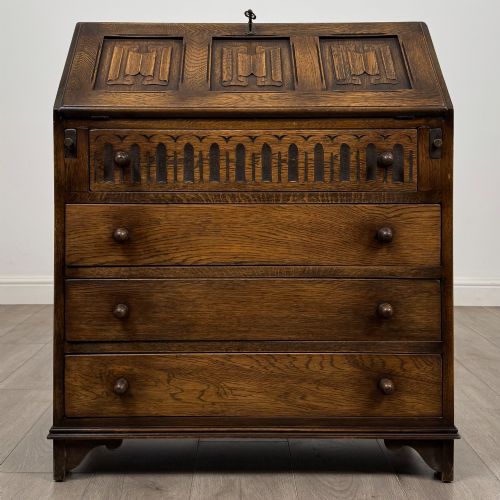
Buyers encounter smaller table-top collectors pieces alongside large breakfront libraries and dresser bases. Styles draw on Tudor revival and ecclesiastical designs, featuring pointed arches and linenfold panelling.
How they were made
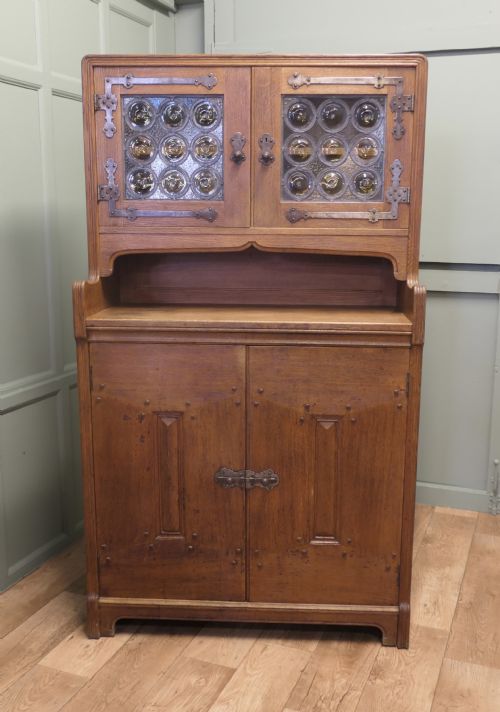
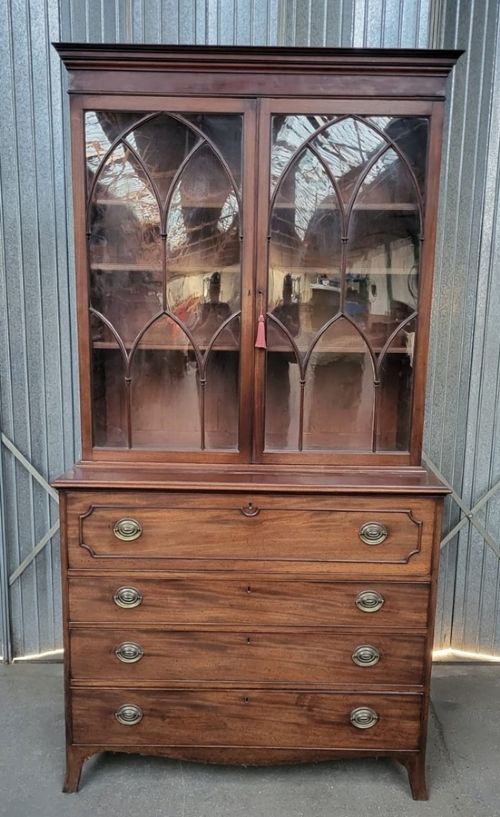
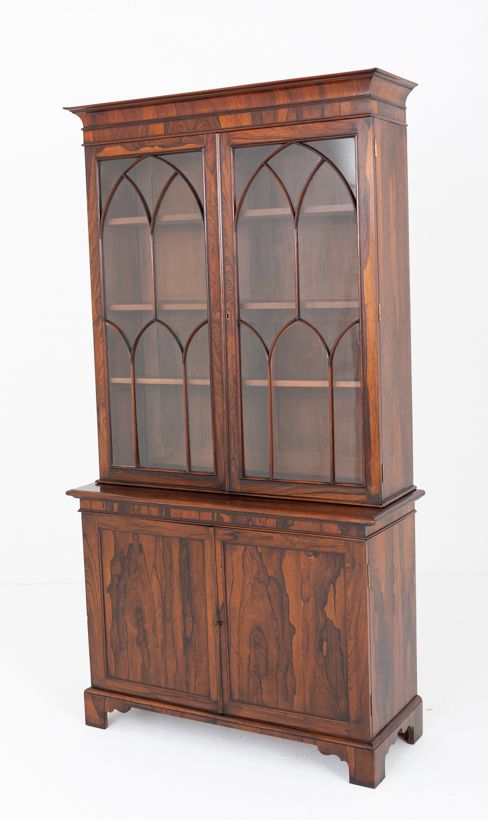
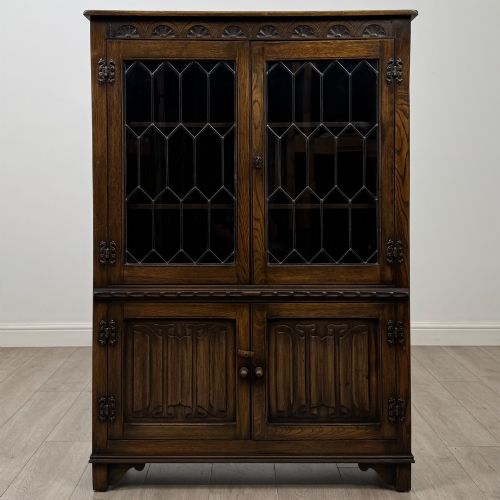
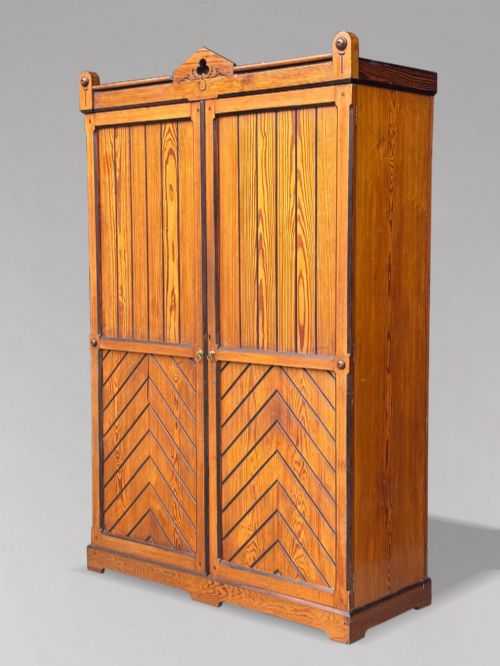
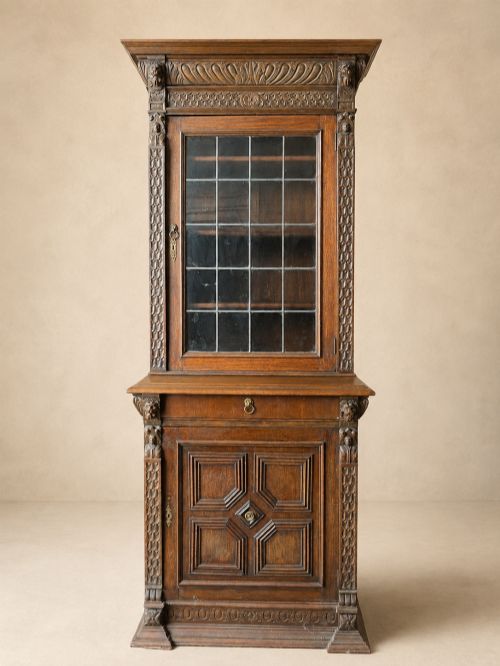
Carpenters built these cabinets predominantly using solid oak, alongside mahogany, pine, and rosewood. Structural glazing incorporated lead and glass to form intricate window tracery, while brass provided functional hinges and handles.
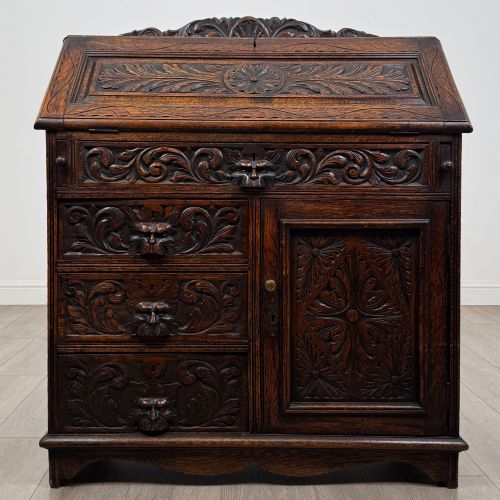
Carving defines the execution, ranging from geometric linenfold panels to figural green man motifs. Makers utilised traditional joinery methods to support heavy proportions, incorporating iron brackets and fittings where necessary.
Listings demonstrate a strong preference for oak construction, supplemented by mahogany, rosewood, and pine across Victorian and Edwardian periods.
What varies in quality
Depth of carving and sharpness of detail separate standard production pieces from fine cabinet work. Crisp linenfold panels and well-defined figures indicate superior workshop standards.
The choice of timber and stability of internal construction determine the grade. Selected golden oak and figured mahogany demonstrate better material selection than standard utility pine.
Jas Shoolbred·Gillows·Robertson and Coleman
The Antique Gothic Cabinet Glossary
- Linenfold
- A style of wood carving representing folded cloth, commonly used on panelled cabinet doors. This motif derives from medieval ecclesiastical architecture.
- Tracery
- Openwork intersecting patterns in stone or wood, frequently adapted for glazed cabinet doors. It mimics the stone window designs of gothic cathedrals.
- Green Man
- A sculptural architectural ornament depicting a face carved from or disgorging foliage. It symbolises rebirth and appears frequently in Victorian revival carvings.
- Breakfront
- A cabinet facade where the central section projects forward from the side sections. This layout breaks up the mass of large bookcases and sideboards.
- Secretaire
- A cabinet incorporating a pull-down writing drawer fitted with small pigeonholes and internal compartments. It combines desk functionality with bookshelf storage.
Antique Gothic Cabinet: Frequently Asked Questions
What periods do these cabinets come from?
The selection spans the nineteenth century up to the Edwardian era, with significant representation from the Victorian period. Pieces range from George III manifestations to early twentieth century productions.
Design influences draw heavily on earlier Tudor and medieval aesthetics reinterpreted by nineteenth century cabinet makers. Dates generally cluster around the eighteen-eighties and eighteen-nineties.
Were these used in homes or churches?
While some specialised forms originate from ecclesiastical settings like tabernacles and pulpits, the majority served domestic functions. Bookcases, wardrobes, and sideboards were built for nineteenth century libraries and dining rooms.
Cabinets adapted medieval church motifs for domestic display and storage, blending architectural grandeur with everyday utility.
What woods were used for these cabinets?
Oak is the predominant timber found across these listings, appearing in golden, carved, and stained variants. Mahogany and rosewood also feature prominently in finer library bookcases and chiffoniers.
Secondary woods like pine and yew appear in regional furniture and specific cupboard interiors. Brass and lead provide structural and decorative hardware.