

Antique Gold Timekeeper
An antique gold timekeeper spans pocket watches, wristwatches and mantel clocks produced across the Victorian, Edwardian and Art Deco eras.
Antique Gold Timekeeper
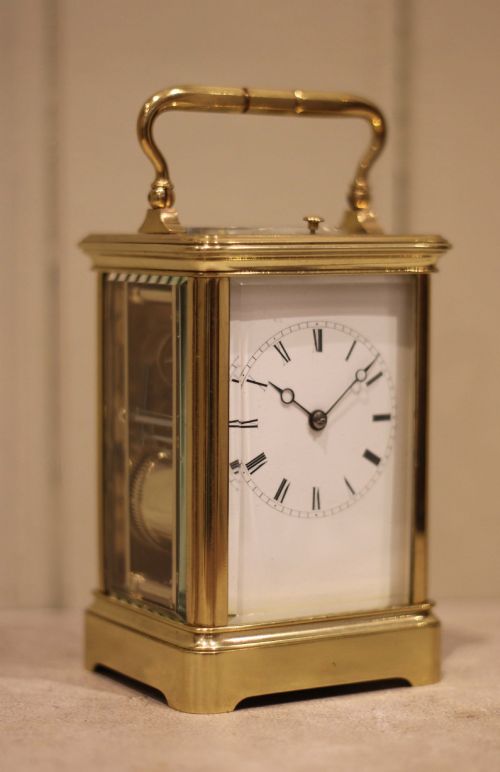
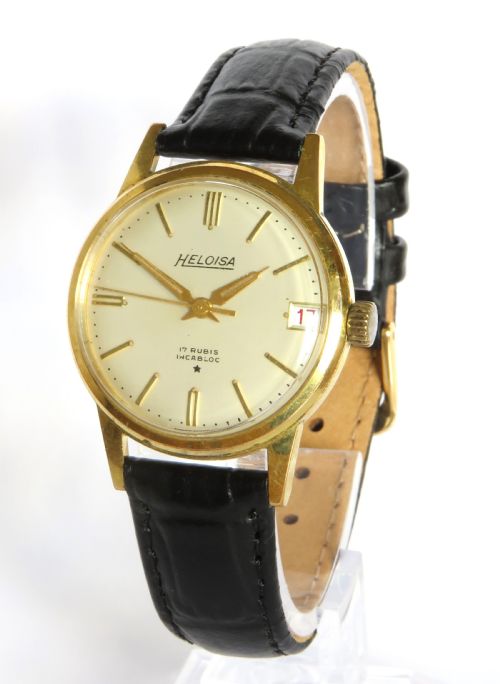
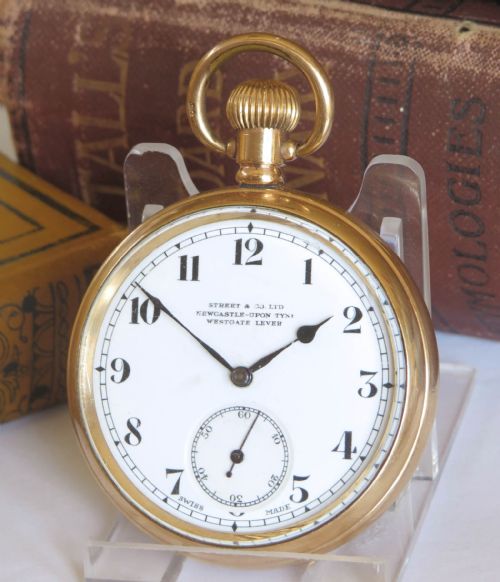
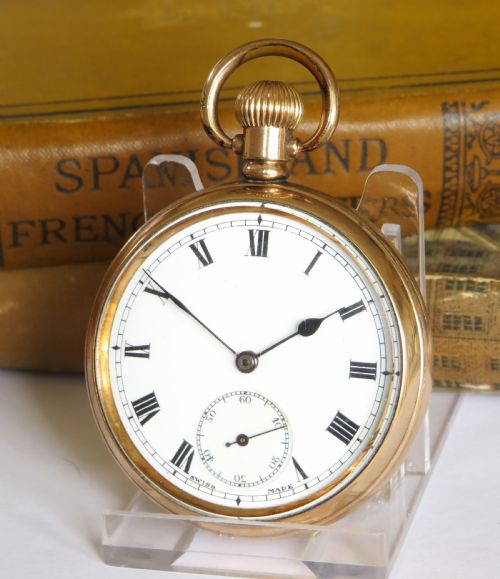
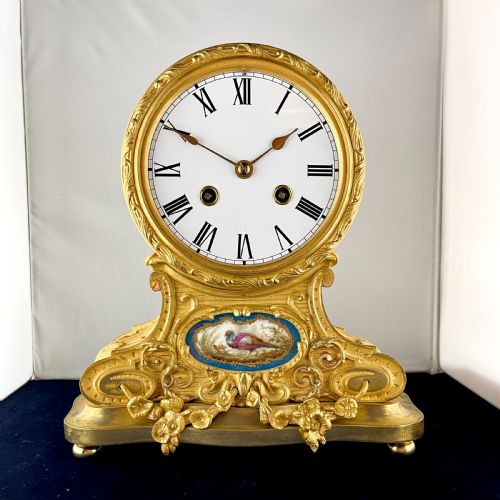
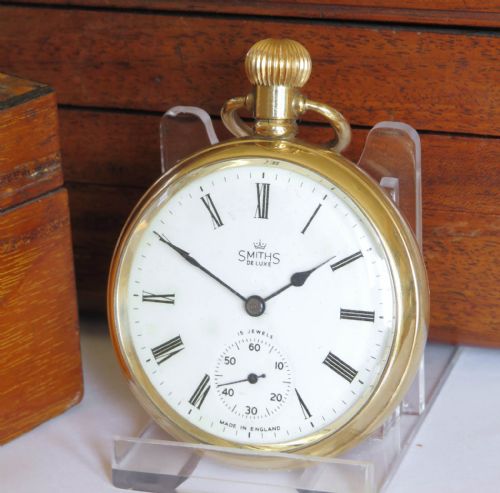
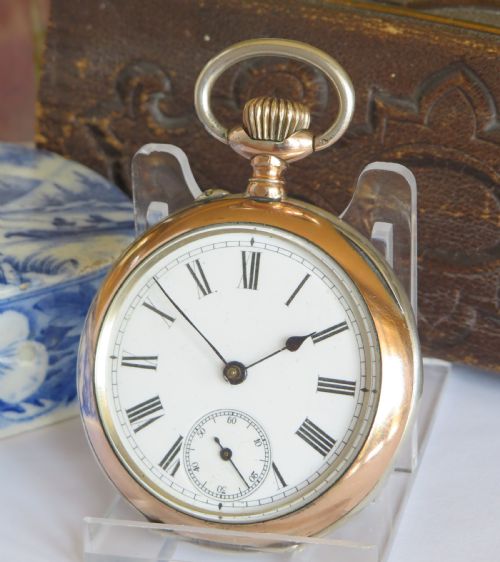
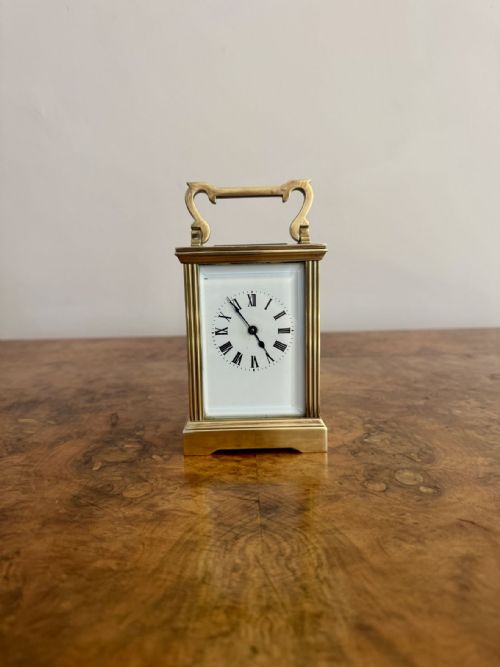
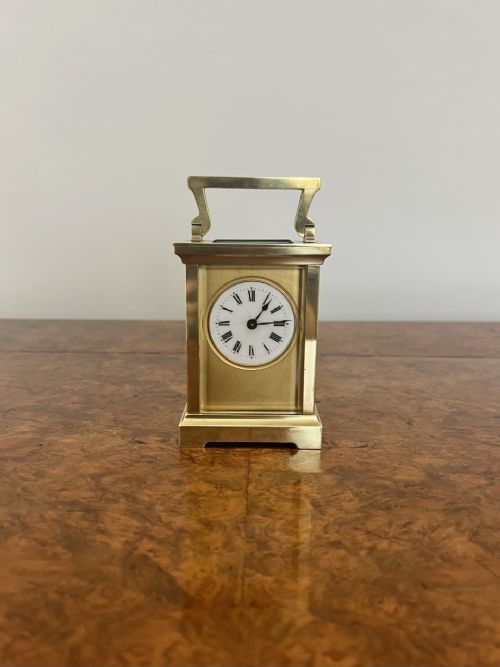
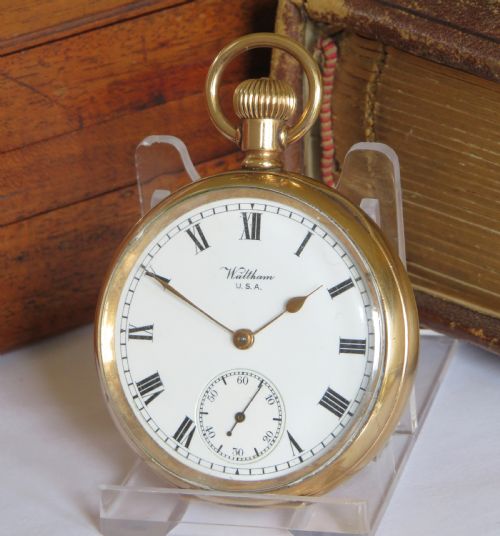
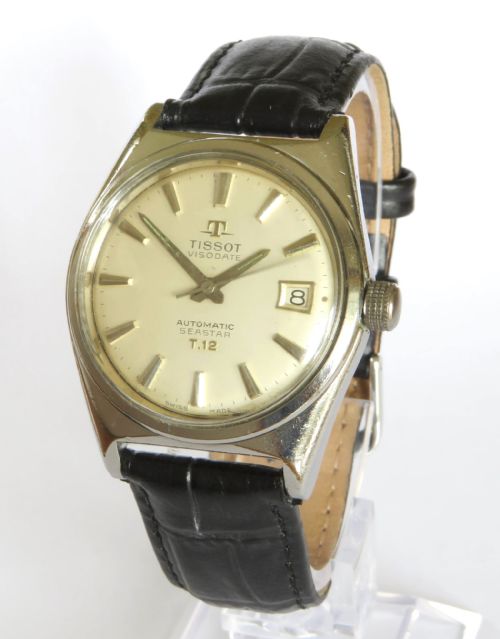
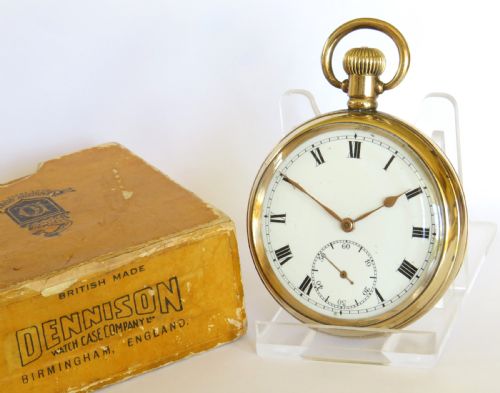
An antique gold timekeeper brings together portable pocket watches, wristwatches and decorative mantel timepieces produced through the nineteenth and twentieth centuries. The selection here leans heavily towards pocket watches housed in gold or gold-plated cases, alongside French carriage clocks and domestic mantel clocks framed in gilt brass and bronze.
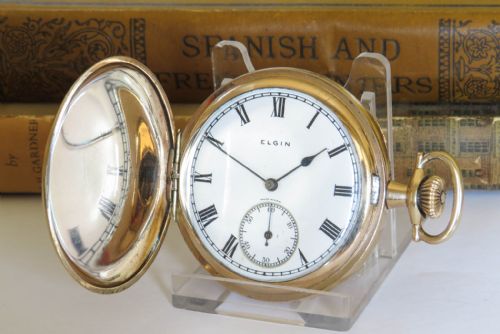
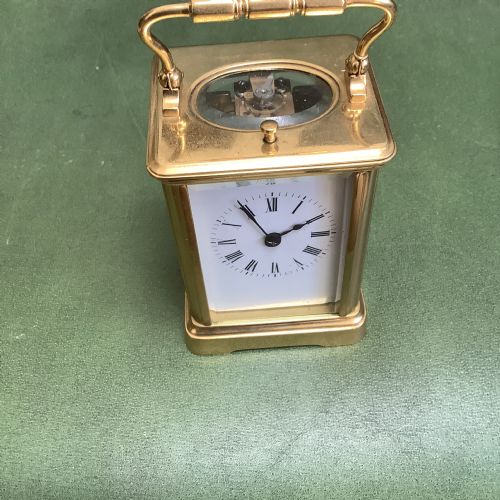
The objects stem from periods including the Victorian era, the Edwardian years and the Art Deco movement. Pocket watches from makers such as Waltham, Elgin and various Swiss houses sit alongside heavy French carriage clocks bearing escapements and striking trains.
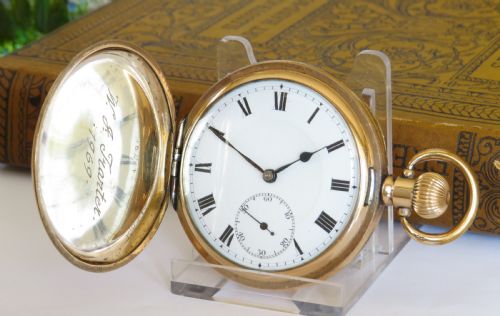
Buyers seeking an antique gold timekeeper look for pieces that combine period mechanical integrity with decorative metalwork. The forms range from pocket-sized full hunters to desk clocks fitted with enamel dials and bevelled glass panels.
Materials and construction
The construction of these pieces relies primarily on brass, gilt bronze, and gold or rolled gold housings paired with steel mechanical movements. Clockmakers utilised brass for plates and gear trains, often finishing the exterior with fire gilding, ormolu or gold plating.
Dials are typically formed of white enamel with painted roman or arabic numerals, protected by heavy bevelled glass or horn cases. Leather outer travel cases frequently accompany carriage clocks, while pocket watch movements are enclosed in hinged metal cases.
Antique Gold Timekeeper Retail Price Guide 2026
Typical asking prices for gold timekeeper among the pieces listed under this phrase on Sellingantiques today, from the lower quarter to the upper quarter. They describe what is for sale here now, not the wider market.
The listings show pocket watches and carriage clocks spanning the eighteenth century through to the nineteen-fifties.
Distinctions in quality
Quality in these timepieces rests upon the precision of the mechanical movement and the crispness of the exterior case work. Finer pocket watches incorporate complex escapements, repeater functions or chronograph mechanisms produced by established Swiss and English makers.
For mantel and carriage clocks, superior examples exhibit heavily engraved gilt brass gorge cases, jewelled balance wheels and multi-train movements that strike hours and quarters. Poorer quality versions rely on simpler, mass-produced cylinder escapements with minimal exterior decoration.
Heloisa·Minerva·Elgin·Urania·Smiths De Luxe·Waltham·Revue·Drocourt Paris·Duverdrey and Bloquel·Bishop Bournemouth·Samuel Marti·J Lyndsey·J Dauer Geneve·Bourdin Paris·Le Coultre·Invicta
The Antique Gold Timekeeper Glossary
- Full hunter
- A pocket watch fitted with a spring-loaded metal cover that protects the glass dial from scratches. This style requires the user to press a button on the crown to open the case.
- Carriage clock
- A portable spring-driven clock designed for travel during the nineteenth century. These pieces usually feature a rectangular brass case with glass panels and a swinging handle on top.
- Gorge case
- A specific style of rectangular brass carriage case characterised by moulded stepped pillars at the corners. It is commonly found on higher grade French travel clocks.
- Repeater
- A mechanical complication that chimes the hours, quarters or minutes upon demand when a slide or pendant is activated. This mechanism requires intricate gear work within the movement.
- Fusee
- A conical pulley used in older watch and clock movements to maintain an even pull as the mainspring unwinds. This device ensures more consistent timekeeping over the running period.
Antique Gold Timekeeper: Frequently Asked Questions
What is an antique gold timekeeper?
An antique gold timekeeper is a mechanical watch or clock produced in gold, rolled gold or gilt metal during the nineteenth and early twentieth centuries.
These objects include pocket watches, wristwatches and domestic desk pieces driven by spring movements.
How do you wind a pocket watch?
Pocket watches from the nineteenth and twentieth centuries are wound using either a key applied to the back square or via the crown stem.
Stem winding models require turning the crown clockwise until resistance indicates the mainspring is fully tensioned.
Were carriage clocks meant for travel?
Carriage clocks were originally built as portable timepieces for travellers during the nineteenth century. They were housed in sturdy brass frames with leather carrying cases to withstand movement on coaches and trains.
How do I identify an Art Deco clock?
Art Deco clocks dating from the 1920s and 1930s feature geometric case designs, stylised numerals and clean lines. They often combine metals like brass and chrome with glass or enamel details.