




Antique Gold Seal Pendant
An antique gold seal pendant is a miniature piece of history worn to press personal marks into hot wax, carrying the weight of centuries in gold and hardstone.
Antique Gold Seal Pendant
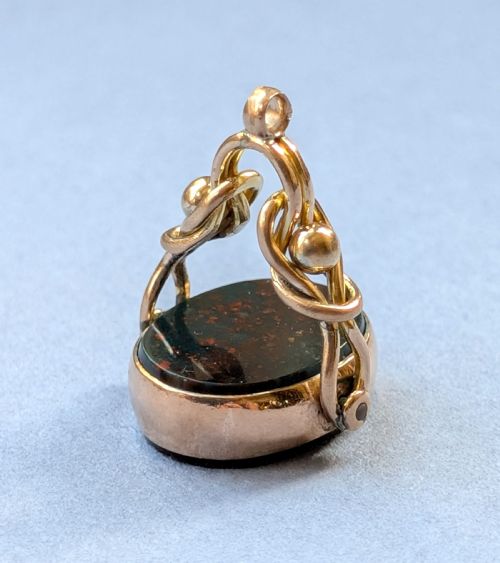
An antique gold seal pendant sits at the intersection of portable utility and personal ornament, functioning as both a decorative fob and a practical signing device. When you search for an antique gold seal pendant, you encounter pieces designed to hang from watch chains, ribbons, or charm bracelets.
The versions you meet most often span the Georgian, Victorian, and Edwardian periods, appearing as single stationary drops or clever swivel designs. These examples range from modest gold cased mounts to substantial solid nine-carat or fifteen-carat gold frames holding carved stones.
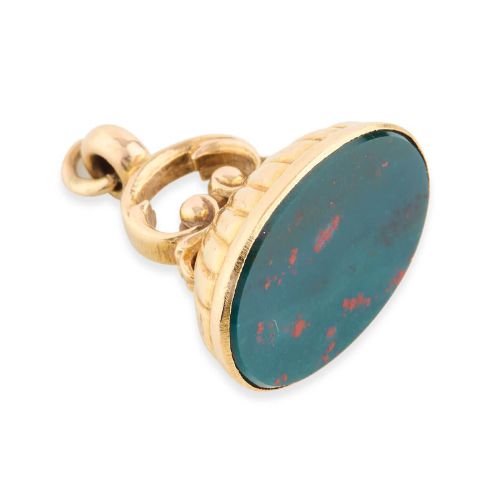
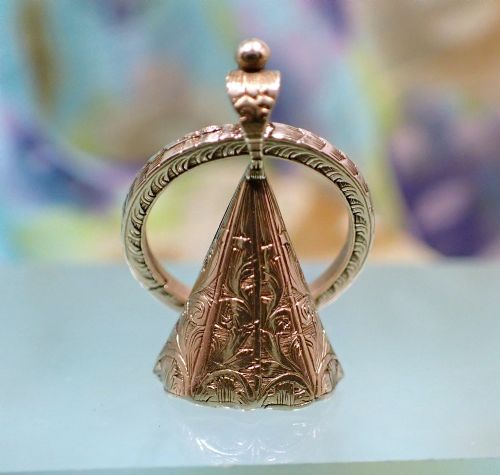
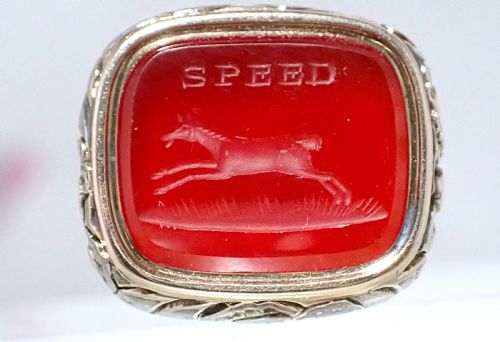
Makers shaped these items into fanciful forms such as stirrups, hearts, or ornate architectural scrolls alongside straightforward architectural pillars. Each piece carries an engraved intaglio at the base, displaying crests, initials like Ann or Jane, classical figures, or animals.
How they were made
Goldsmiths constructed these pendants using solid gold, gold cased metals, or gilt metal, shaping the mountings with cast or chased ornamentation. Many frames feature intricate scrolling work, floral motifs, or sculptural elements like lions and elephants surrounding the upper suspension loop.
Lapidaries shaped natural minerals into smooth facets or rounded domes before carving intaglios directly into the stone face. Stones such as carnelian, bloodstone, sardonyx, chalcedony, agate, citrine, and rock crystal were chosen for their hardness and ability to hold a crisp impression in wax.
What varies in quality
The distinction between ordinary and exceptional pieces rests primarily on the depth and clarity of the stone engraving. Sharp, finely detailed intaglios depicting Roman emperors, Greek figures, or heraldic crests demand higher skill than simple initials or blank matrices.
Construction methods also divide the selection, separating hollow stamped components from heavy, hand-finished mounts with robust swivel mechanisms. The choice of materials further defines the tier, with solid yellow or rose gold settings elevating a piece above gilt metal or gold cased equivalents.
The Antique Gold Seal Pendant Glossary
- Intaglio
- A design carved into the surface of a gemstone so that a raised impression is left when pressed into wax. This technique reverses the image, allowing the wearer to stamp documents and letters.
- Fob seal
- A small pendant designed to hang from a pocket watch chain or ribbon. It combines a decorative handle with a hardstone base bearing a personal mark.
- Swivel fob
- A spinning pendant mounted on a central axis that allows the stone matrix to rotate. Many feature two different faces or a stone on one side and a blank metal shield on the other.
- Gold cased
- A method of manufacturing where a thick layer of gold is bonded to a base metal core. This technique provided the durability and appearance of solid gold at a lower cost.
- Carnelian
- A brownish-red variety of the silica mineral chalcedony used widely for signet rings and seal pendants. Its smooth texture and uniform colour made it a favoured canvas for intricate intaglio carving.
Antique Gold Seal Pendant: Frequently Asked Questions
How do I wear a seal pendant?
You can suspend these pendants from a sturdy neck chain, a traditional pocket watch chain, or attach them securely to a heavy charm bracelet.
Their substantial weight and sculptural forms make them suited for daily wear as standalone neck ornaments.
How do I tell Georgian seals from Victorian ones?
Georgian seals often exhibit heavier, neoclassical scrolling mounts with closed-back settings and hand-carved details that reflect eighteenth and early nineteenth-century aesthetics.
Victorian examples frequently introduce mass-production advances, swivel mechanisms, and diverse thematic motifs ranging from sentimental animals to Roman revival styles.
What stones are used in these pendants?
Common stones found in these pendants include carnelian, bloodstone, agate, chalcedony, sardonyx, citrine, and rock crystal.
Lapidaries selected these hard minerals because they resisted wear and accepted fine intaglio carving without fracturing.