

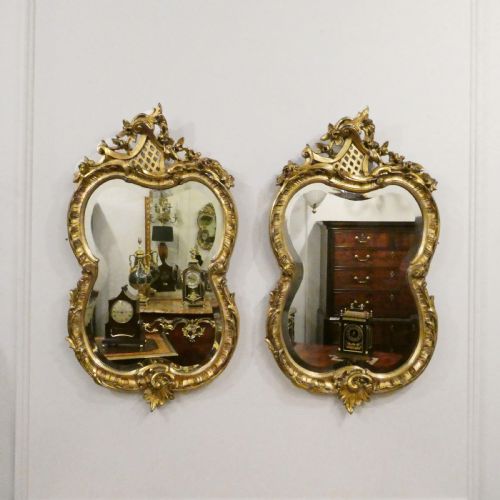


Antique Gold Looking Glass
An antique gold looking glass brings warmth and historic depth to a room through centuries of carved detail and reflective depth.
Antique Gold Looking Glass
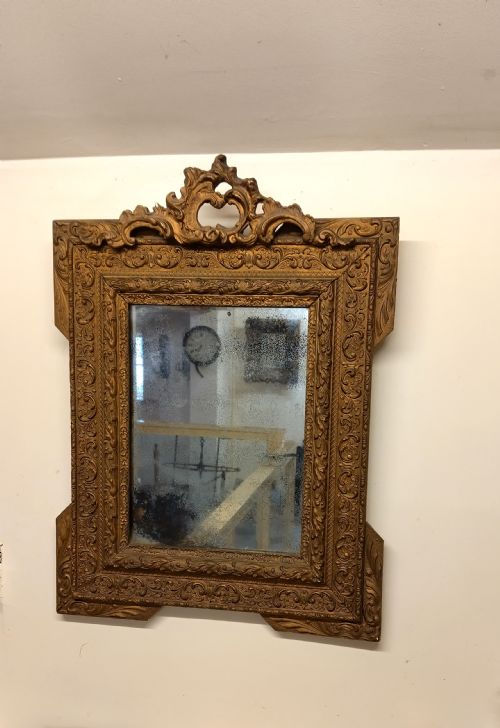
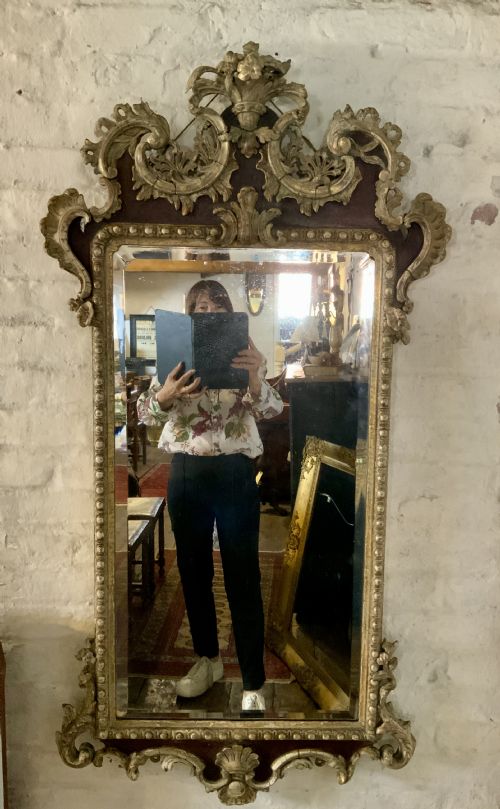
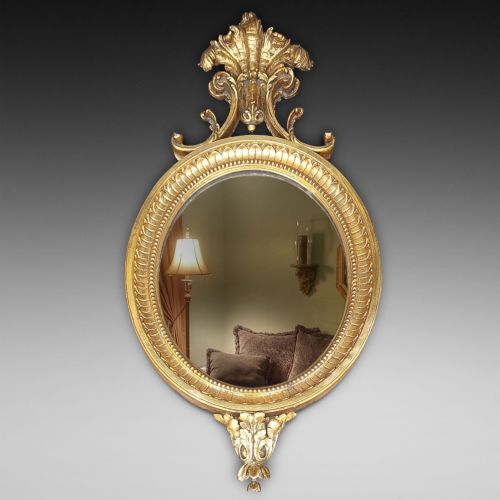
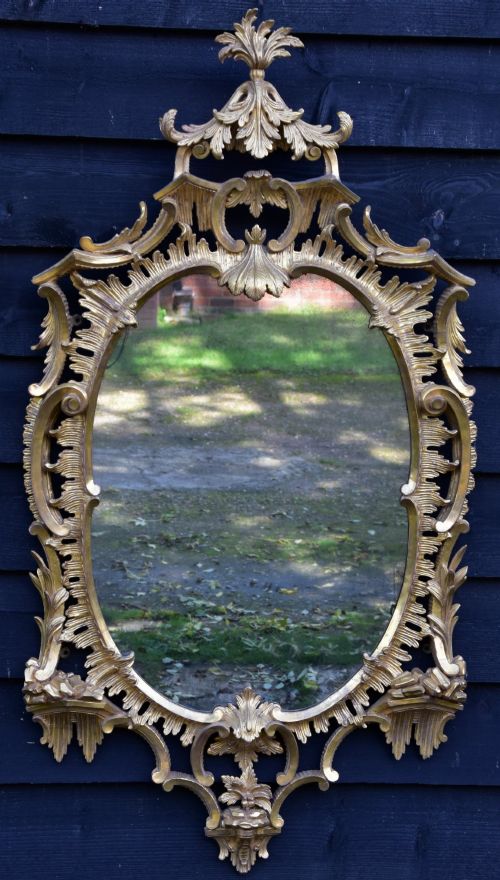
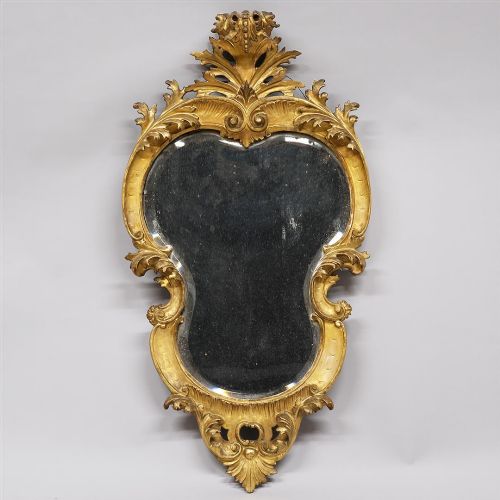
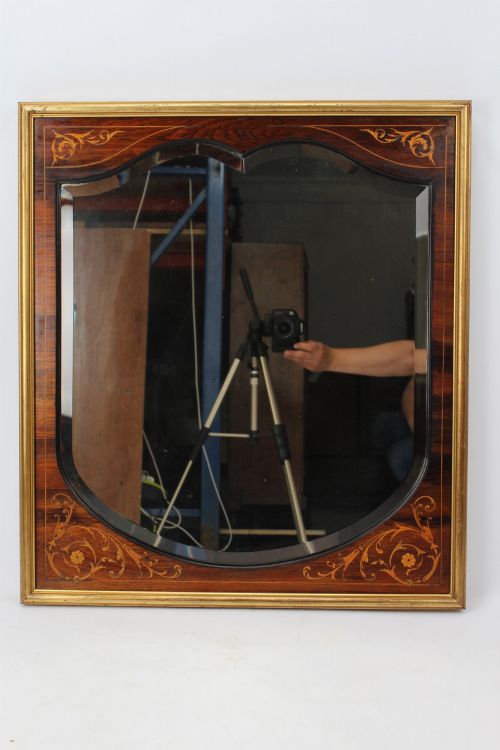
The materials and construction reflect the aesthetic preferences of their respective eras, utilising carved wood, walnut, rosewood, and mahogany beneath gilded surfaces. Many pieces exhibit distinct regional characteristics, such as Italian Rococo frames with engraved plates or Swedish pier mirrors incorporating mahogany and gilt. Wall mirrors and pier mirrors dominate the selection, offering functional reflection combined with sculptural decorative presence.
Materials and construction methods
The foundation of these frames typically relies on carved wood, walnut, or mahogany, providing a sturdy structural core for the decorative elements. Artisans applied layers of gesso over the carved wood to create a smooth, pliable surface suitable for intricate detailing and relief work. This gesso layer was then carefully built up, sanded, and prepared to receive fine applications of gold leaf.
Gilding involved applying extremely thin sheets of gold leaf to the prepared gesso surface, often burnished to achieve varying degrees of lustre. Sand moulded gesso techniques appeared in later periods, adding distinct surface textures to the frames. Original mirror plates, sometimes featuring hand engraving, were set within these gilded structures to complete the looking glass.
Assessing quality in period looking glasses
The depth and crispness of the carving distinguish finer examples from simpler production pieces. Skilled artisans achieved fluid asymmetry in Rococo and Chippendale designs, where deep undercut foliage and scrollwork demonstrate complete command of the material.
The application of the gesso and gold leaf dictates the visual longevity of the frame. Superior pieces retain crisp definition beneath their gilding without the blurring of detail that results from heavy over-restoration or excessive subsequent layers of metallic paint.
Benjamin Goodison
The Antique Gold Looking Glass Glossary
- Giltwood
- Wood that has been coated with gold leaf or gold powder. This finish provides the characteristic metallic brilliance seen on period frames.
- Gesso
- A plaster mixture consisting of glue binder, chalk, and gypsum, applied to a wooden frame. It creates a smooth base for subsequent gilding and deep relief carving.
- Pier glass
- A tall mirror designed specifically to be hung on the pier, the section of wall situated between two windows. These often incorporated console tables or sat above low architectural ledges.
- Overmantle mirror
- A wide mirror intended to be positioned directly above a fireplace mantelpiece. They frequently feature expansive horizontal proportions suited to domestic reception rooms.
- Parcels gilt
- Woodwork that is partially gilded, leaving areas of natural wood visible alongside the gold leaf. This technique highlights specific carved details against a contrasting dark wood background.
Antique Gold Looking Glass: Frequently Asked Questions
Can I clean the original mirror glass?
Original mirror glass often exhibits foxing, silver loss, and minor blemishes which form part of the authentic character of an antique piece. Cleaning should be approached with caution using a soft, dry microfibre cloth to remove surface dust without disturbing the fragile edges.
Avoid commercial glass cleaners containing harsh ammonia or abrasive chemicals, as these can seep behind the plate and damage the original silvering or the surrounding gesso and gold leaf. Gentle maintenance preserves both the glass and its historic frame.
How do I identify a Georgian looking glass?
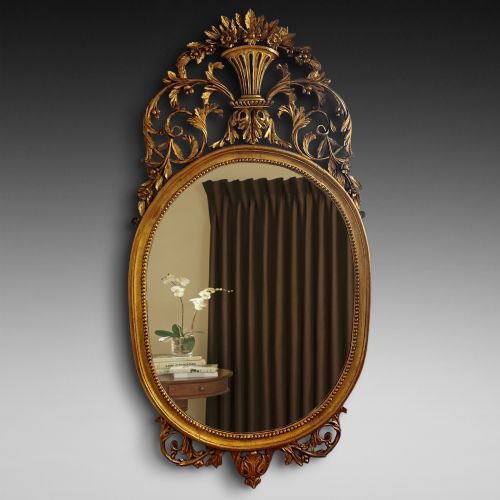
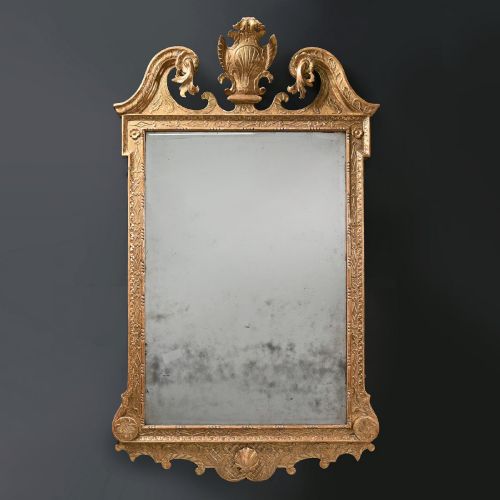
Georgian looking glasses typically feature architectural symmetry, scrolled pediments, or carved giltwood oval frames associated with the 18th century. Examination of the construction reveals traditional joinery, hand-carved wooden elements, and early mirror plates with characteristic bevels or minor imperfections.
Later Victorian interpretations often adopted heavier proportions or incorporated machine-prepared components while mimicking earlier Georgian and Rococo styles. Comparing construction methods and wood types helps clarify the exact period of manufacture.
Where should I place a looking glass in a room?
Looking glasses perform best when positioned opposite or adjacent to windows to maximise natural light reflection and create a sense of expanded space. Historically, pier glasses hung between windows while overmantle mirrors anchored the focal point above the fireplace.
Placement should also consider eye level and the surrounding furniture scale, ensuring the frame complements rather than overpowers the room. Careful positioning allows the antique gold finish to interact naturally with ambient interior lighting.