
Antique Gold Light
These antique gold light pieces are illuminating fixtures and pendants that bring warm metallic splendour into a room, offering both period charm and functional brilliance.
Antique Gold Light
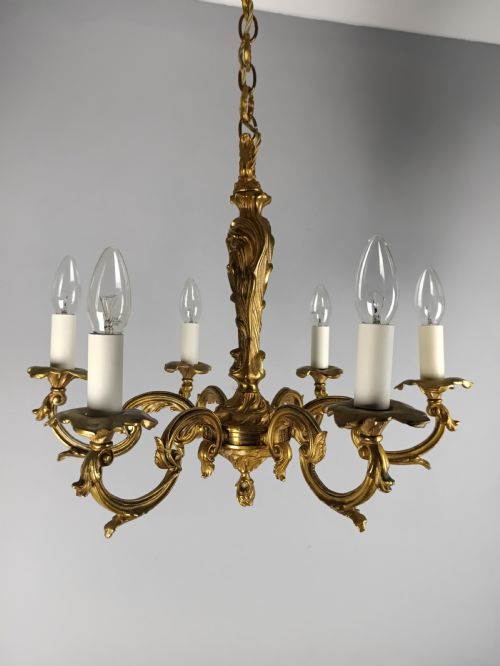
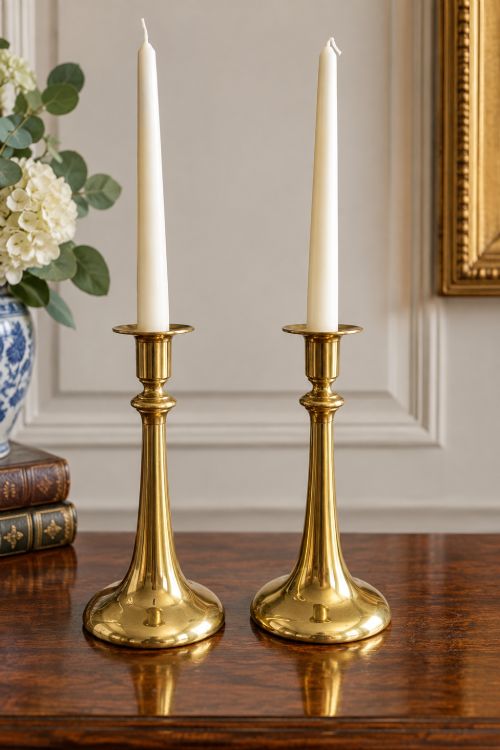
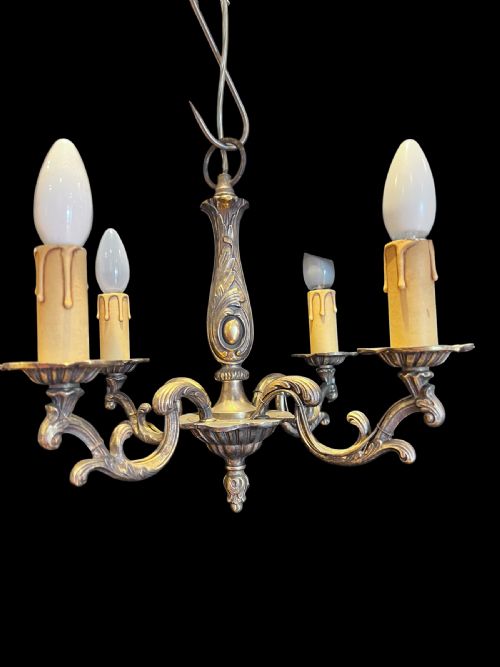
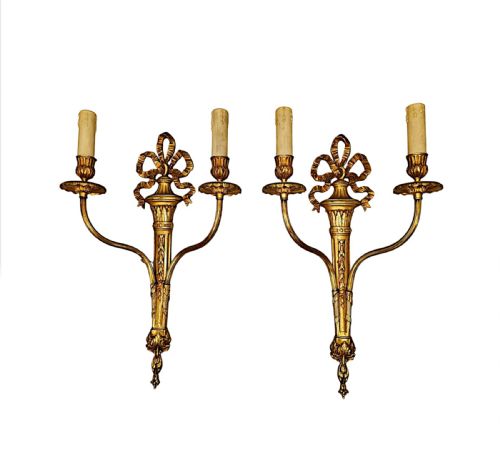
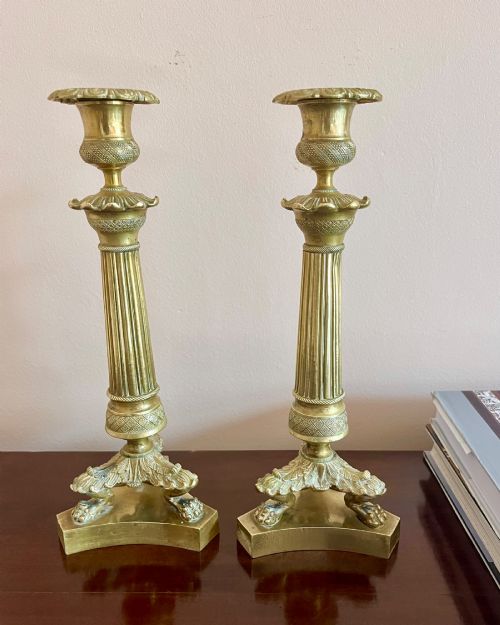
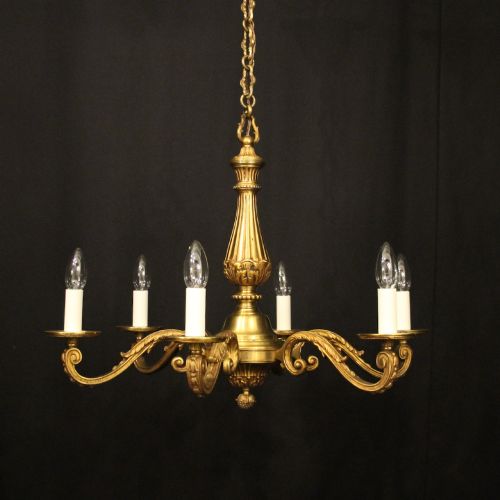
An antique gold light encompasses a rich variety of illuminating objects, from grand chandeliers and wall sconces to elegant table lamps and floor standards. When seeking an antique gold light, buyers most frequently encounter French chandeliers and paired wall lights dating from the nineteenth and early twentieth centuries.
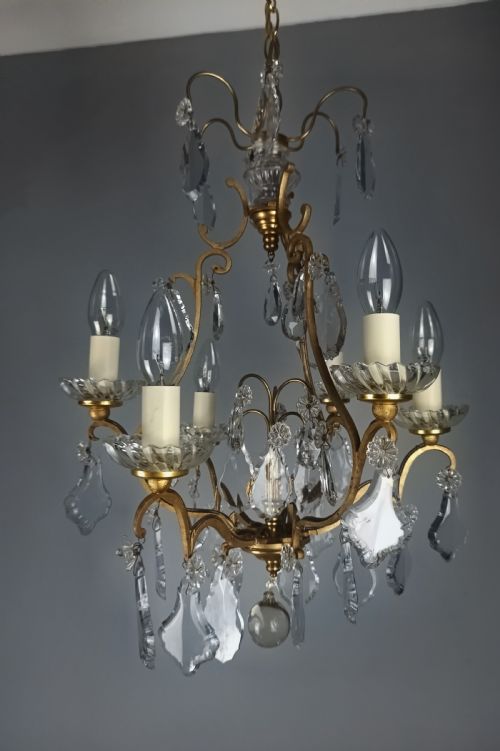
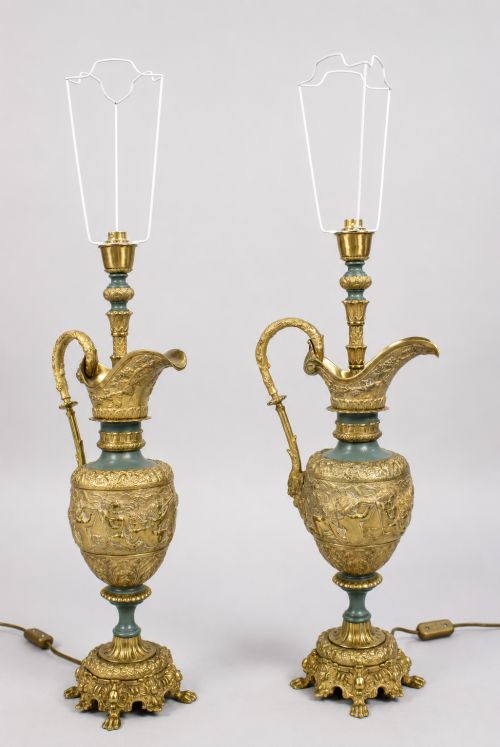
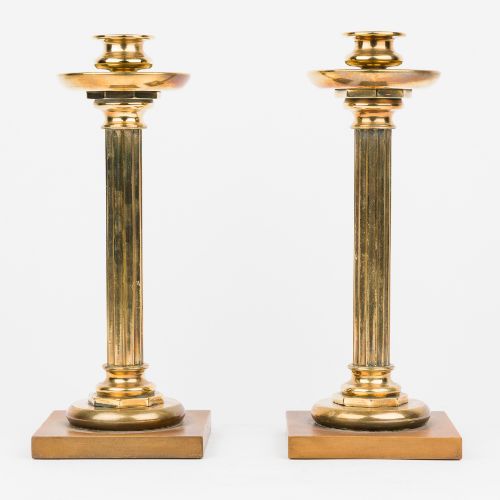
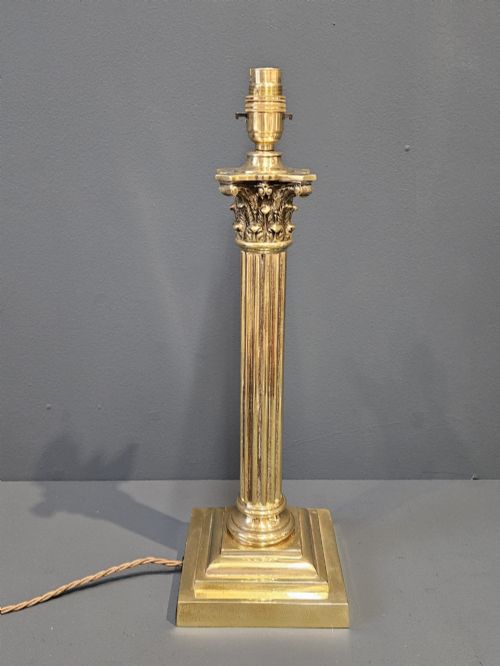
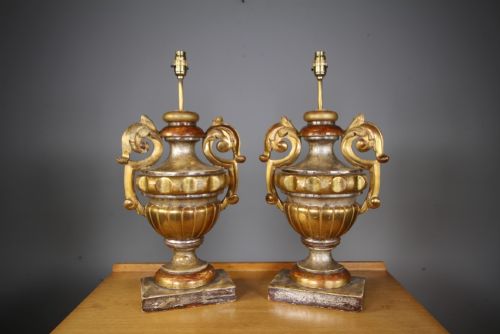
The selection ranges across distinct periods including the Victorian and Edwardian eras, alongside pieces created in the nineteen-tens, twenties, and thirties. Forms vary considerably, incorporating birdcage chandeliers, ewer form table lamps, Corinthian columns, and carved girandoles.
French influence dominates the aesthetic lineage, visible in styles spanning Rococo, Neoclassical, and Art Nouveau. These fixtures transform interior spaces by providing both ambient and direct illumination wrapped in historic metallic finishes.
Materials and construction methods
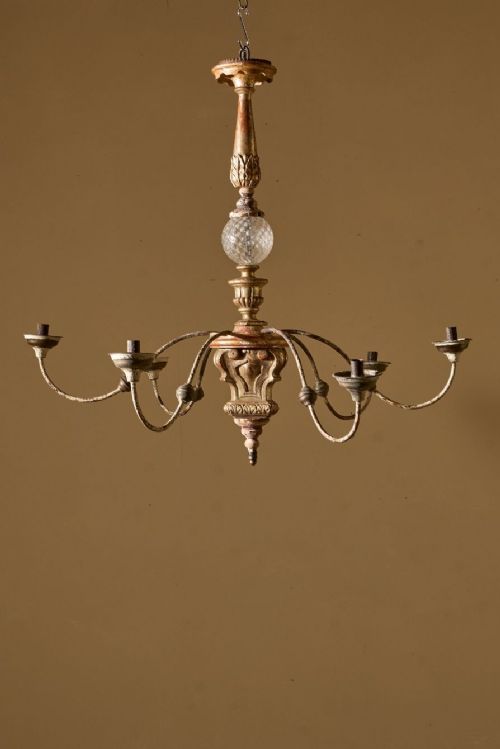
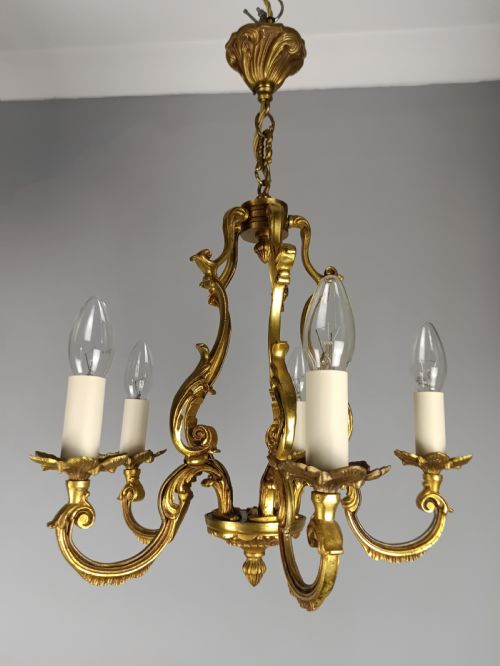
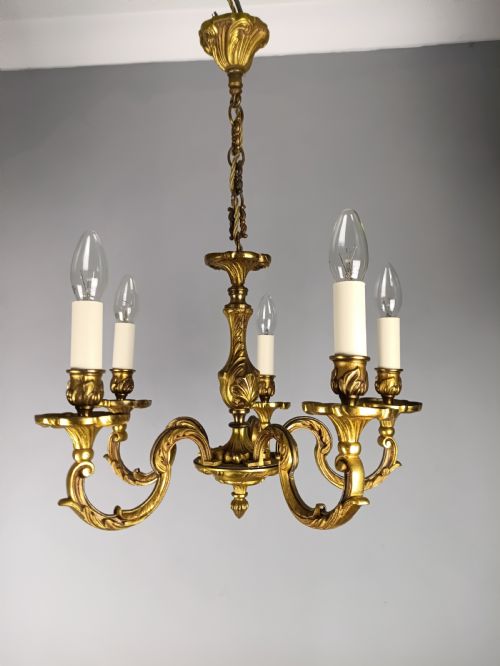
The creation of these fixtures relies heavily on metals such as brass, bronze, ormolu, and gilt metal, often combined with carved wood or giltwood foundations. Artisans shaped and cast these materials to form elaborate frames, arms, and decorative mounts.
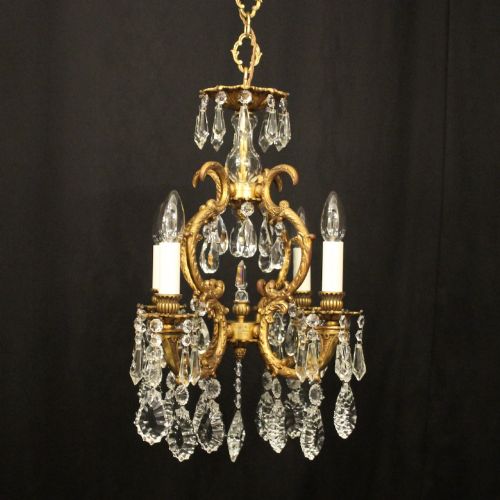
Many items incorporate glass and crystal drops, lustres, or spikes that refract the illumination. Surface finishes include gilding, lacquering, and foil backings to enhance the reflective quality of the metal and stones.
Wiring and electrical components represent later adaptations, as many nineteenth-century pieces such as telescopic oil lamps or pricket candlesticks were subsequently converted to electricity.
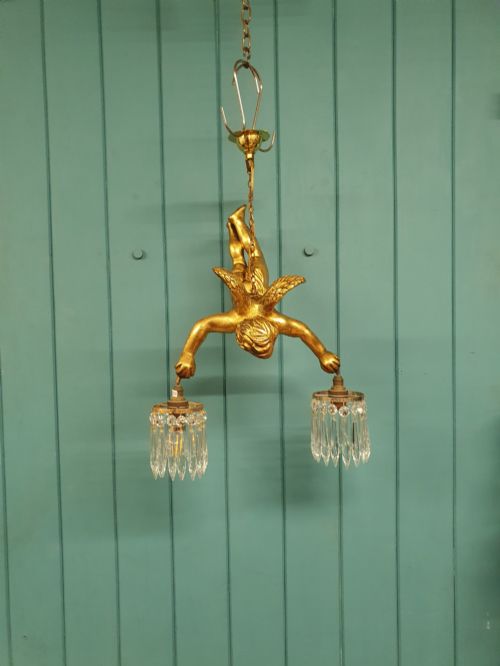
Among the gilded mounts and cut crystal, a flying cherub occasionally peers down from the ceiling.
Markers of distinction and craftsmanship
Superior examples demonstrate exceptional crispness in metal-chasing and wood-carving, where details such as cherubs, acanthus leaves, and ribbons retain sharp definition. The depth and application of the gilding or ormolu dictate how richly the piece catches the ambient illumination.
Integrity of the glass elements matters greatly; high-quality pieces feature heavy, hand-cut crystal lustres and prisms that remain well-matched and secure within their frames. Structural robustness in multi-armed chandeliers and paired wall sconces ensures the heavy metal and glass components hang securely.
Cohesion of style elevates a piece, whether it follows strict French Neoclassical symmetry, fluid Art Nouveau organic lines, or ornate Rococo Revival curves. The harmony between the metallic structure, the glass adornments, and any supplementary fabric or stone elements separates ordinary lighting from exceptional specimens.
The Antique Gold Light Glossary
- Ormolu
- Gilded bronze, where a finely ground high-carat gold amalgam is applied to a bronze base through heat processing. This technique creates a durable, luminous golden finish characteristic of fine French decorative arts.
- Chandelier
- A branched ceiling-mounted lighting fixture designed to hold multiple lamps or candles. These large fixtures often feature crystal drops and intricate metallic frames.
- Girandole
- A branched wall-mounted light fixture incorporating a mirror that reflects the illumination. These carved giltwood or metal pieces serve a decorative and functional purpose in period interiors.
- Lustre
- A cut glass or crystal pendant hung from a lighting fixture to refract and scatter illumination. Lustres add sparkle and visual complexity to chandeliers and wall sconces.
- Pricket
- A sharp metal spike on a candlestick or candelabrum designed to secure a candle in place. This traditional form appears on older ecclesiastical and domestic lighting.
Antique Gold Light: Frequently Asked Questions
How do I clean an antique crystal chandelier?
Cleaning requires a gentle approach using a mild solution of warm water and professional cleaning fluid applied with a soft cloth. Each crystal drop should be wiped individually while supported to prevent strain on the surrounding metal frame.
Avoid using harsh chemical sprays or submerging structural frames, as moisture can damage historical wiring or delicate gilding. Regular dusting with a feather duster helps maintain the reflective brilliance between deeper cleanings.
Can these old lamps be used safely today?
Most antique lighting fixtures that predate modern electrical standards require professional rewiring to meet contemporary safety regulations. Qualified electricians can adapt older brass and bronze frames while preserving the original exterior components.
Many pieces in this category have already undergone conversion from oil or candles to electricity. Buyers should consult an expert to verify that internal fittings and current wiring are appropriate for daily domestic use.
How do I identify the period of a brass light?
Period identification relies on examining stylistic cues, casting techniques, and mounting hardware. Victorian pieces often feature heavy Corinthian columns or ornate brass work, while Edwardian and nineteen-twenties items lean toward Art Nouveau fluidity or neoclassical symmetry.
Constructive details such as hand-cut threads, fastening screws, and the composition of the underlying metal help narrow down the decade of manufacture. Comparing the stylistic motifs against documented design movements provides further confirmation.