
Antique Gold Console
An antique gold console brings neoclassical grace and gilded warmth to a hallway, channelling centuries of Italian and French design.
Antique Gold Console
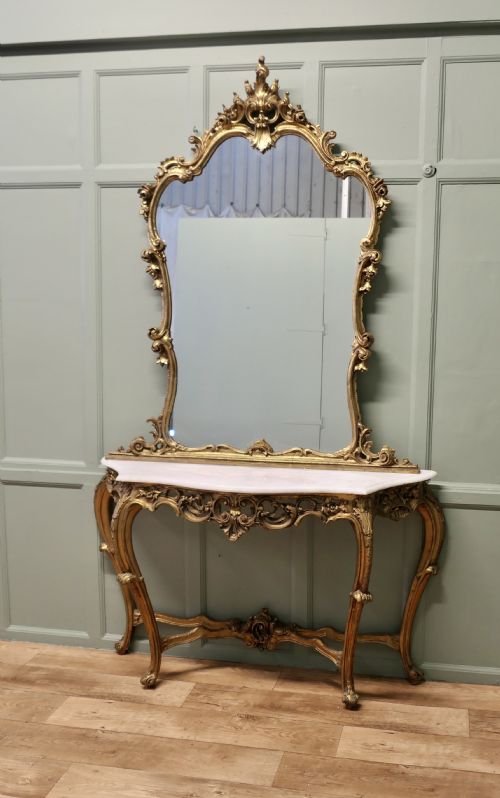
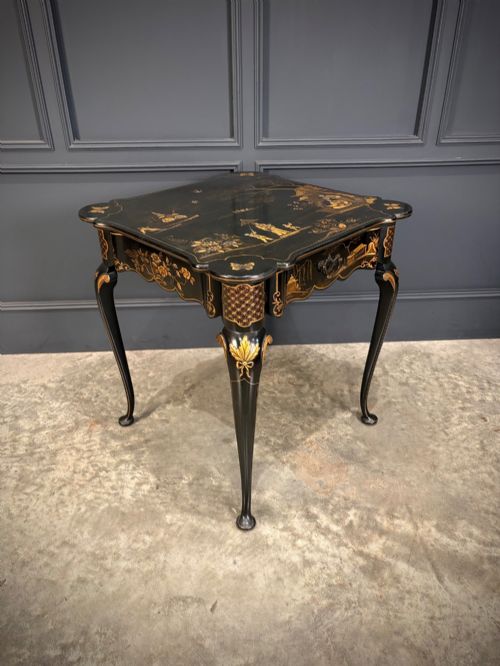
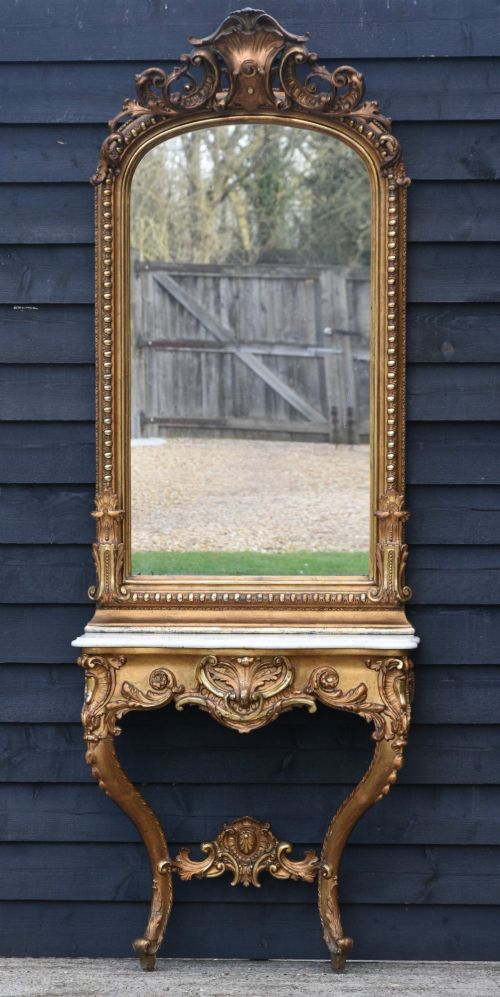
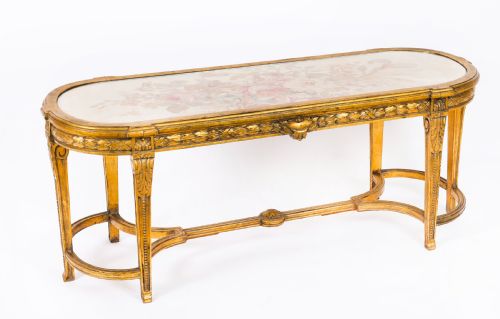
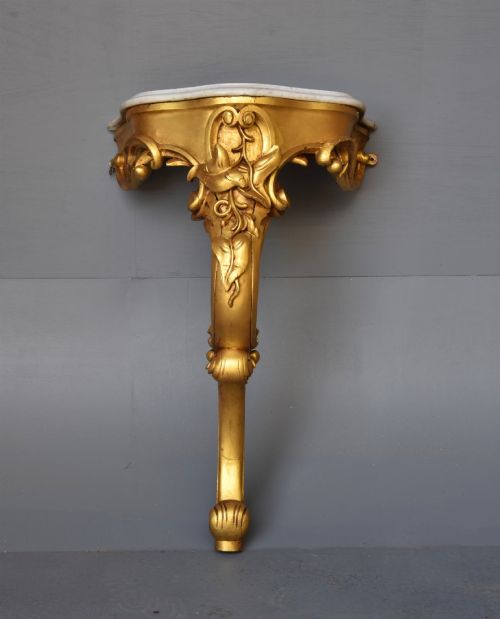
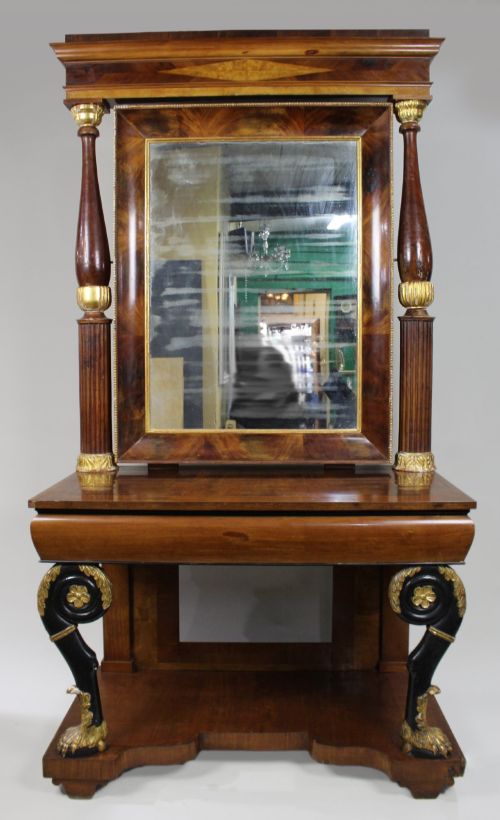
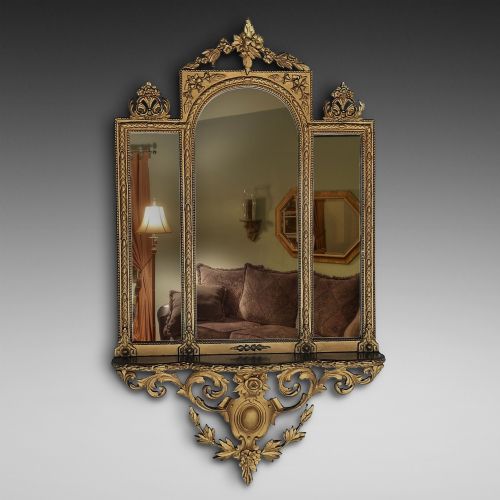
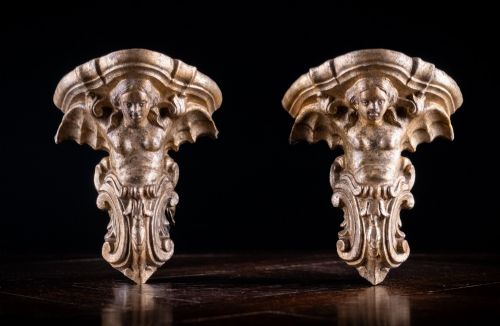
An antique gold console serves as a striking focal point in a hallway or drawing room, traditionally designed to stand flat against a wall. The phrase encompasses console tables, often paired with matching pier mirrors, alongside related forms such as wall brackets, side tables, and occasional writing desks.
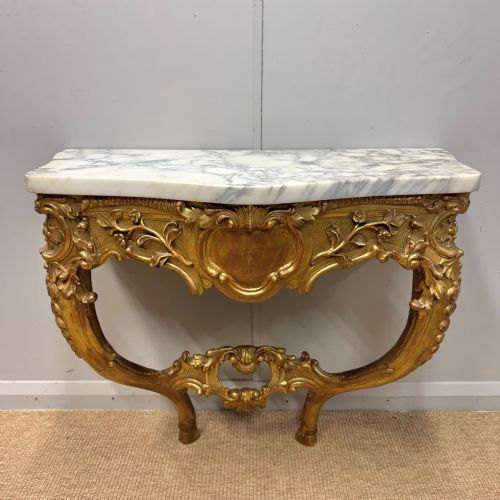
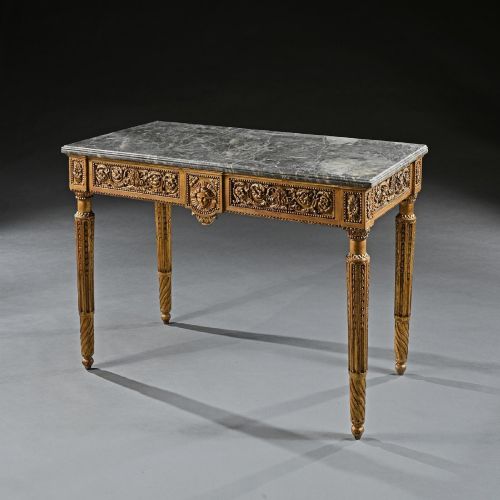
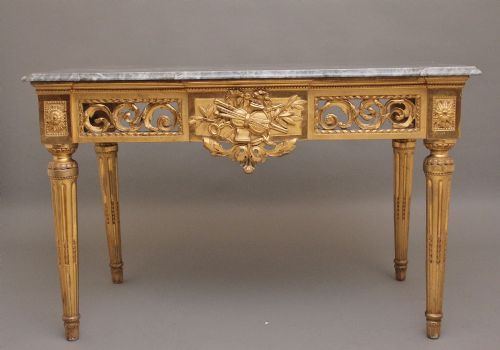
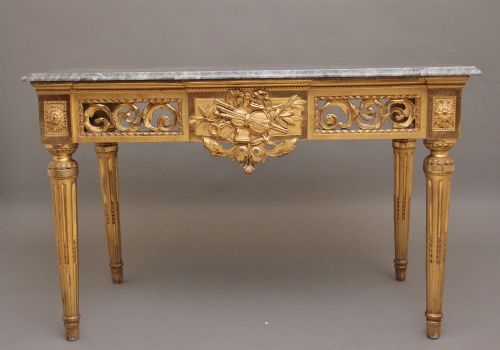
The selection ranges from eighteenth-century Italian and French examples to nineteenth-century revival pieces and early twentieth-century interpretations. Buyers most frequently encounter nineteenth-century French and Italian carved giltwood console tables, typically fitted with heavy marble tops.
How they were made
Carved wood structures provide the foundational architecture for these pieces, utilising timber substrates finished with layers of gesso to create a smooth surface for gilding. Artisans applied gold leaf or gold paint over the gesso base, often burnishing the metal leaf to achieve a brilliant reflective sheen.
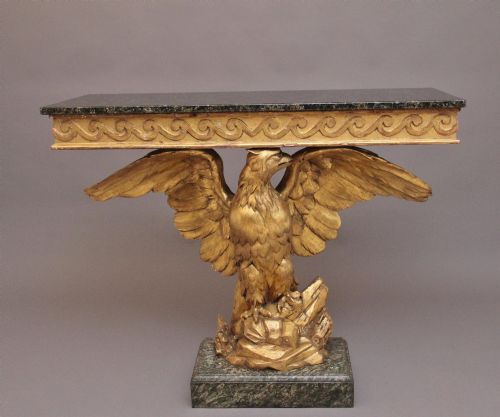
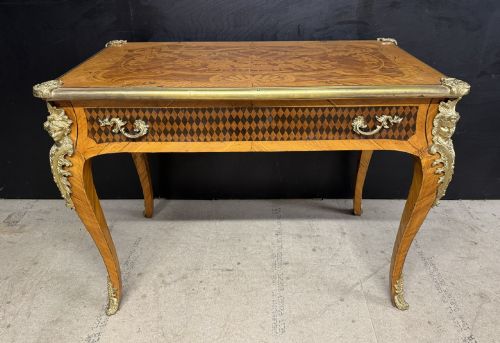
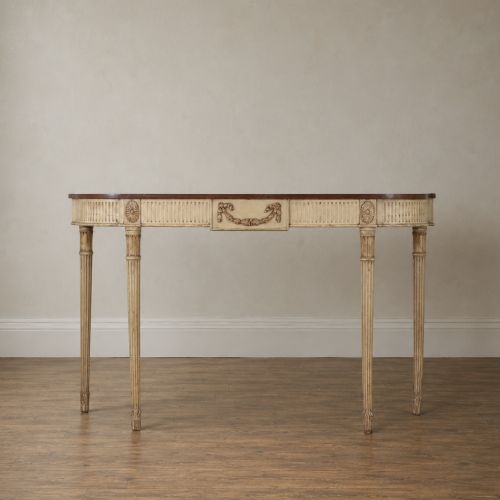
Many tables incorporate heavy stone surfaces, specifically marble tops, resting on the gilded framework. Brass mounts, ormolu, and glass components appear across various items, while other variants combine painted wood surfaces with parcel gilt detailing.
Listings feature periods spanning from the eighteenth century through the 1930s, encompassing neoclassical and rococo revival styles.
What varies in quality
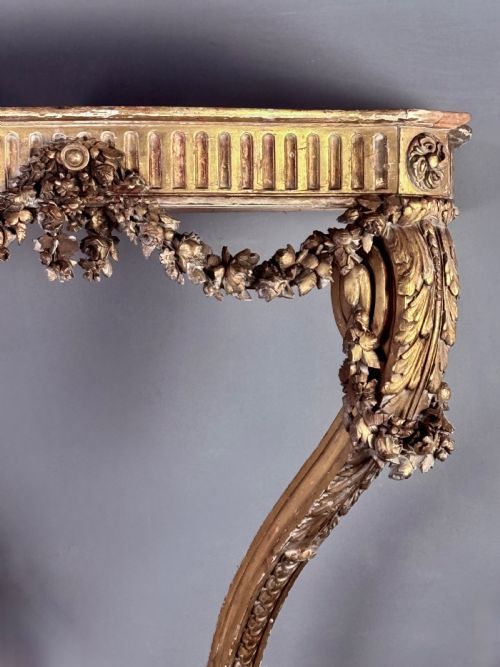
The depth and crispness of the wood carving distinguish superior examples from simpler production, particularly in the hand-chiselled details of foliage, scrolls, and figural supports. Superior tables display confident joinery and substantial proportions, whereas lesser pieces rely on heavier, less refined moulding.
The quality of the gilding and the integrity of the underlying gesso layer dictate the visual richness of the surface. Original marble slabs with natural veining, securely fitted to the console base, elevate the standing of the piece compared to later replacements.
Felix-Alfred Ternisien·François Linke
The Antique Gold Console Glossary
- Giltwood
- Timber that has been coated with gold leaf or gold paint over a prepared gesso ground. This finish gives the antique gold console its characteristic metallic lustre.
- Gesso
- A plaster-like mixture applied to wood surfaces to provide a smooth base for gilding and fine carving. It allows craftsmen to achieve sharp relief details.
- Console table
- A table designed to be fixed against a wall, frequently supported by ornamental brackets or legs at the front. These tables often require wall anchoring for stability.
- Pier mirror
- A large wall mirror designed to hang in the wall space, or pier, between two windows, frequently placed directly above a matching console table.
- Breccia marble
- A type of marble composed of angular rock fragments embedded in a fine-grained matrix, commonly found on the tops of eighteenth and nineteenth-century Italian consoles.
- Ormolu
- Gilded bronze mounts used for decorative embellishment on furniture. This technique flourished in French cabinet making.
Antique Gold Console: Frequently Asked Questions
Where should I place a console table?
Console tables sit flat against a wall, making them ideal for hallways, entryways, and reception rooms where floor space is limited. They provide a surface for lamps and decorative objects without obstructing pathways.
Matching them with a pier mirror hung directly above creates a cohesive display that reflects light and enhances the sense of space in a room.
Are marble tops original to these tables?
Many antique gold consoles were paired with heavy marble slabs from the outset, particularly Italian and French pieces designed to carry stone surfaces. These marble tops often feature distinct natural veining and precise edge profiling that match the period of the wooden base.
When assessing a piece, look for how the stone sits within the frame and whether the weight and material align with the regional workshop traditions of the era.
How do I distinguish eighteenth and nineteenth-century styles?
Eighteenth-century consoles typically exhibit fluid, hand-carved rococo or neoclassical lines with organic asymmetry and deep relief work in the giltwood. Nineteenth-century pieces often revive these earlier motifs with heavier proportions and machine-assisted precision in the gesso and carving.
Examining the tool marks on the reverse of the wood and the composition of the gesso layers helps clarify the age of the construction.
Can console tables stand without wall fixing?
Many traditional console tables rely on wall brackets or rear legs that require anchoring to remain entirely stable, as their forward-heavy marble tops can create a tipping hazard. Freestanding side tables and low coffee tables in the collection do not share this requirement.
Checking the leg configuration reveals whether a specific table needs securing to the wall for safe daily use.